







What Is in a Caramel Macchiato Compared to a True Macchiato?
A caramel macchiato contains vanilla syrup, espresso, steamed milk, a layer of milk foam and a caramel drizzle on top. A true macchiato is only espresso with a small amount of milk, so the two drinks differ mainly in syrup, sweetness and milk volume rather than in the espresso itself.
The name macchiato comes from Italian for marked or stained, and it dates back to Italian coffee shops in the 1980s. Baristas added a dab of milk to distinguish espresso from a milk-modified cup. A classic Italian macchiato keeps the espresso and crema forward, while the caramel version reads closer to a flavored latte.
Many people, upon hearing "macchiato," picture that caramel-drizzled, milky, rich caramel macchiato. But did you know? The true macchiato actually has nothing to do with caramel; its origin traces back to a simple distinguishing mark in Italian coffee shops in the 1980s. This article will take you through the origins of the macchiato, clarify its essential difference from the caramel macchiato, explore how espresso culture gave rise to this classic drink, and why it is increasingly rare to see it in today's cafes. Whether you want to revisit a classic or recreate a cup at home, the article also includes Front Street Coffee's bean selection recommendations to help you make a fragrant, full-bodied milk coffee.
For more specialty coffee information, welcome to follow: Front Street Coffee (Frontsteet Coffee)
When it comes to macchiato, most people's first reaction is that large, sweet, and fragrant caramel macchiato from a certain chain brand.
Mix vanilla syrup with espresso, pour in steamed milk that has been frothed, and then drizzle a beautiful caramel pattern on the dense milk foam—this is the caramel macchiato. Think about it carefully: isn't it essentially just a latte with syrup added?
! (Dog head for protection)
However, this is not the original macchiato. In a true macchiato, there is no trace of caramel at all. (So what's the difference between it and a latte?)
The English word for macchiato is "macchiato," and in Italian it originally means "mark, stain." This name can be traced back to Italian coffee shops in the 1980s, when espresso culture was at its peak, and drinking espresso alone was the popular practice at the time. As we all know, Italians prefer coffee with rich crema, often using blends that include robusta beans, combined with authentic Italian ultra-dark roasting. The espresso extracted this way has a first-class invigorating effect (subtext: bitterly colorful).
As a result, some customers would ask the barista: "This is too bitter for me to drink. Add a little milk for me to neutralize it." But at that time, Italian coffee emphasized one word: "fast." There were long lines in front of coffee shops, and everyone was there to quickly drink an espresso. The barista behind the counter continuously extracted espresso, and then the server brought it to the customers.
This created a problem: the surface of the espresso is covered with crema, and after pouring in a small amount of milk, there is almost no visible difference in appearance, so cases of serving the wrong cup to customers happened from time to time. To distinguish them, the barista would use milk foam to make a mark on the surface of the espresso that had milk added. This was the original origin of the macchiato.

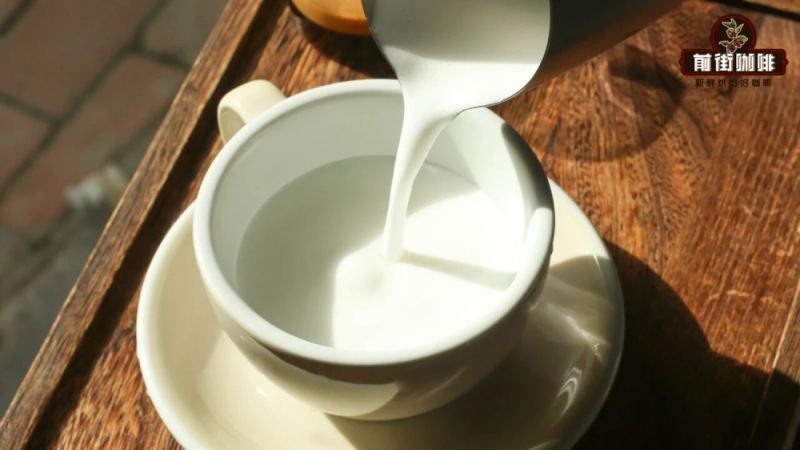
Later, it gradually evolved, and the macchiato became the practice of placing a spoonful of fine hot milk foam on top of espresso. The milk foam in the spoon actually already contains a small amount of milk—anyone with frothing experience knows that the top layer of freshly steamed milk foam is a mixture of milk and foam, and only after resting does it slowly separate into layers. A cup of macchiato like this has a softer flavor, a dense and smooth texture, and if you taste it carefully, you can even catch a hint of milk fragrance.
So why didn't the macchiato become popular? In the end, it is just an espresso with a tiny amount of milk and a milk foam mark, and its cup volume is almost the same as espresso. Its initial appearance was because espresso at that time was too strong, too harsh, and too bitter, requiring milk to soften it. But as coffee bean quality continues to improve and roasting technology continues to develop, the flavor direction of espresso has also increasingly tended toward soft richness and aroma. Naturally, the need to add milk to it disappeared.
In the 1990s, the introduction of the caramel macchiato brought the name "macchiato" back into the public eye, even though this caramel macchiato has nothing to do with the original espresso macchiato.
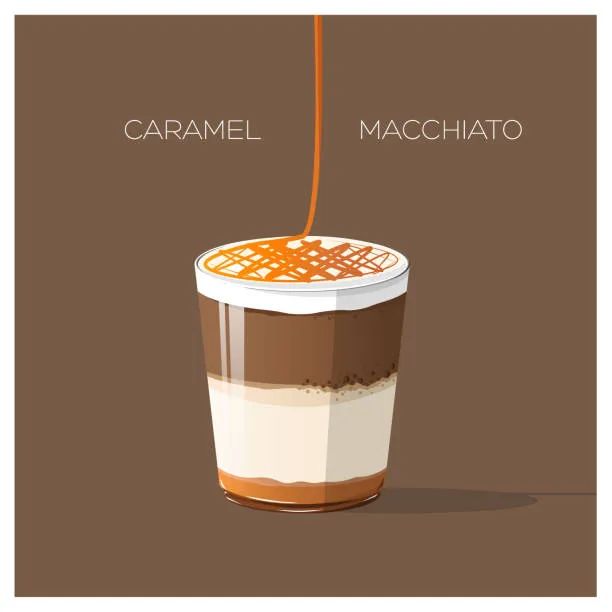
Obviously, the "macchiato" in caramel macchiato was given the meaning of "brand," so caramel macchiato also implies a "sweet brand." But even today, whenever people see a caramel macchiato, they still unconsciously think of that small cup of "milk foam espresso."
Although macchiato rarely appears on cafe menus anymore, there are still friends who love the classic and are willing to make a cup by hand. In Front Street's view, in any cup of milk coffee, milk and coffee are equally important. If you want a rich mouthfeel and abundant aroma, be sure to use whole milk; for coffee beans, choose Front Street's Italian-style bean series first, including the crema-rich Front Street Classic Blend, the outstanding value Front Street Dark Cocoa Base Blend, the nutty Frontsteet Specialty Blend, and the Front Street Commercial Blend commonly kept for shop use.
The above content is compiled by CoffeeHunters, a coffee news website.


