







How does coffee machine name relate to roast level and grind size in cold brew?
Cold brew flavor depends on several variables, and roast level and grind size are two of the most direct. Roast level sets how much sugar caramelizes in the bean, shifting the cup from bright floral and fruity acidity toward rich bitter-sweetness. Grind size controls extraction: coarse grinds suit long, low-temperature immersion, while fine grinds fit high-pressure quick extraction like espresso.
The article walks through light, medium and dark roast beans in the cold brew scenario and gives specific recommendations for each. It also explains that green beans are dense, nearly flavorless and smell of grass before roasting, which is the step that releases aroma and makes the beans easy to dissolve. Bean variety names appear on retail labels and can help identify what you are buying.
The flavor profile of a cup of cold brew coffee often depends on multiple variables—from the origin of the green beans and processing method to roast level and grind size, each link silently influences the final taste direction. The roast level determines the degree of caramelization of sugars in the coffee beans, which in turn brings a huge difference from bright floral and fruity acidity to rich bitter-sweetness; grind size directly relates to extraction efficiency, with coarse grinds suitable for long, low-temperature immersion cold brew, and fine grinds better suited for high-pressure quick-extraction espresso. So, exactly which should you choose—light roast, medium roast, or dark roast beans—for making cold brew? Front Street combines representative bean varieties of different roast levels, analyzes their flavor characteristics one by one in the cold brew scenario, and gives specific recommendations to help you find the cup that best suits your taste.
Tasting a brewed cup of coffee, feeling the aroma linger at the tip of your nose and the bitterness, acidity, and sweetness interweave in your mouth, we will find that there are indeed quite a few variables affecting coffee flavor—growing region, post-harvest processing methods, roast level, and so on, all bring completely different taste experiences. If you usually just simply love drinking coffee and have not yet delved into the ins and outs behind the flavor differences of coffee beans, why not follow in Front Street's footsteps and reacquaint yourself with why coffee beans can possess such rich aromas and charm.
The impact of coffee roast level on flavor
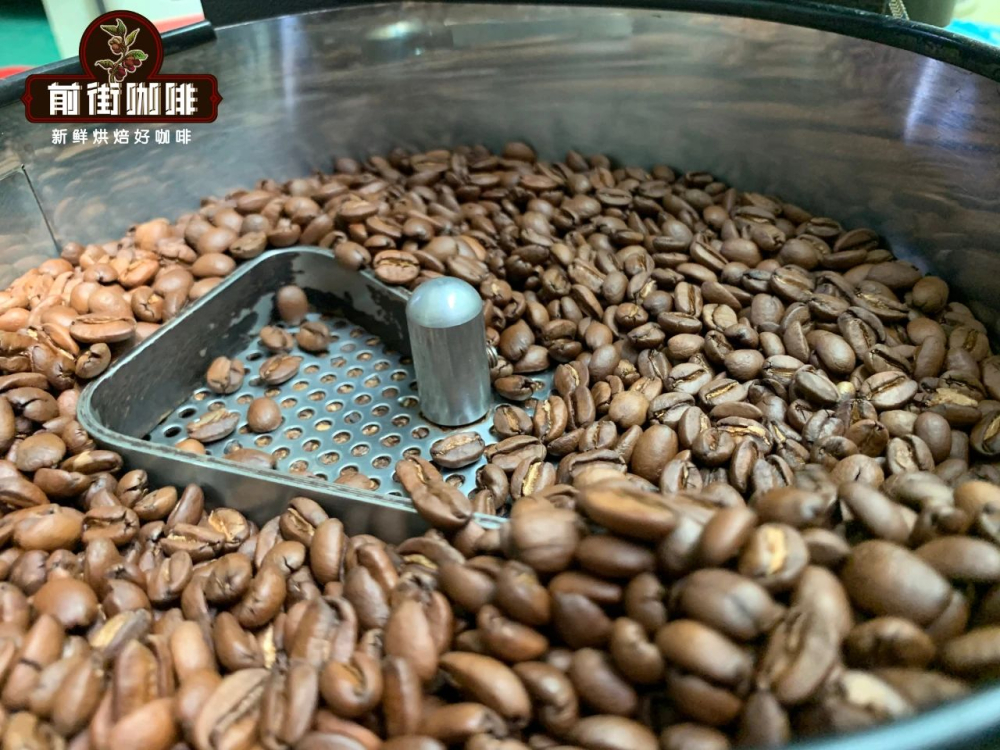
Roasting is the final key step in coffee's transformation from an agricultural product into roasted beans that can be ground, brewed, and enjoyed. Coffee beans that have not yet been roasted are called "green beans," named for their green appearance. Before roasting, these green beans are dense in texture, have almost no flavor, and even smell of grass. Only through roasting and heating are the coffee flavors and aromas we cherish released, and the coffee beans also become easier to dissolve and suitable for drinking. Roasting is an indispensable step in the pursuit of deliciousness, achieving a delicate balance between art and science.
When we say a coffee is light roast, medium roast, or dark roast, we are actually describing its roast level. The visible color on the surface of coffee beans is directly related to the caramelization reaction of sugars—the longer the heating time, the darker the beans, and the higher the degree of caramelization. Finding your preferred roast level is crucial for enjoying the coffee experience, because the same coffee bean can taste vastly different at different roast levels.
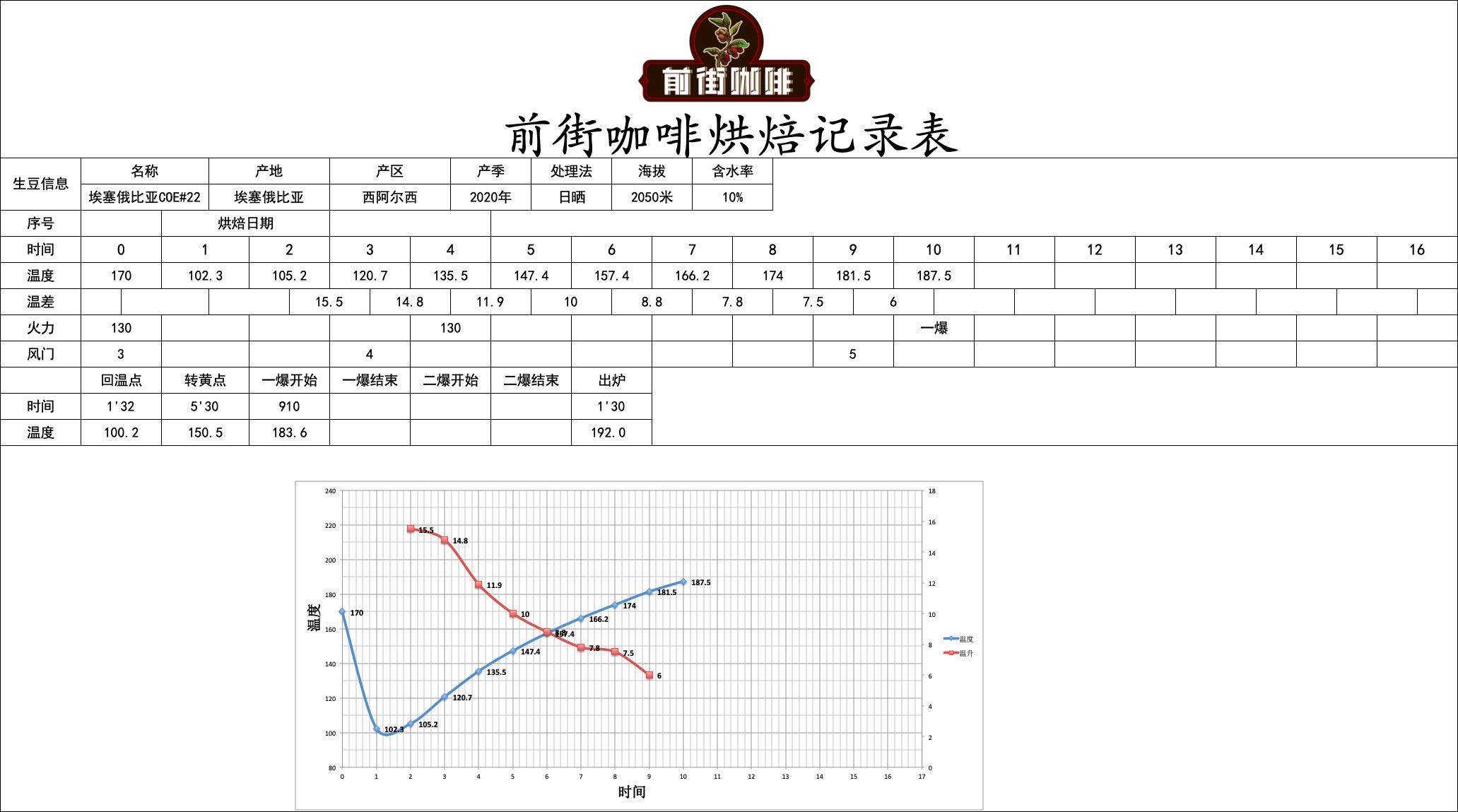
Front Street's roasters create different roasting curves based on the characteristics of different coffee beans.
Ethiopian coffee beans have a delicate and refined flavor. To highlight floral and fruity notes, Front Street's roasters choose a lighter roast level to retain more original sugars and plant-like flavors and aromas, making the coffee overall brighter and more complex. Taking Front Street's COE22 as an example, the cinnamon-colored roast can well showcase various fruit flavors such as citrus and lychee in the coffee, and the fermented wine aroma is also quite pronounced.
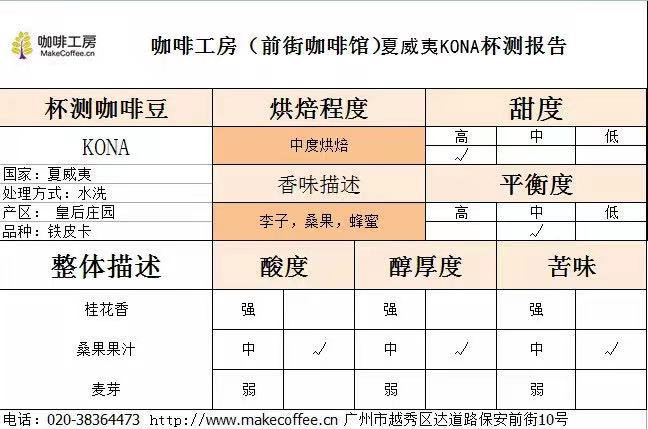
Medium-roasted Kona's most core expression is balanced, warm nectar sweetness and an elegant, full body. Front Street's roasters chose a medium roast, and the cupping results are as follows:
The brewed coffee gives off a mulberry aroma that makes one feel sweetly happy, and the aftertaste is a smooth malt bitter-sweetness slipping down the throat. A wonderful journey begins!
At Front Street, dark-roasted beans are few and far between—basically only Front Street's Indonesian Mandheling uses a dark roast. This is because dark-roasted coffee beans are too bitter and too strong for general customers. The espresso coffee in all coffee shops is dark-roasted, because dark-roasted coffee is dark brown, and the oils in the coffee beans emerge due to the heat applied during roasting, causing the coffee to produce a large amount of crema, which pairs with milk in what is simply a match made in heaven. Aged Mandheling is a dark-roasted coffee, because Mandheling green beans have high density, and aged coffee has relatively less moisture, so the heat adjustments at each stage must be especially careful—be careful not to scorch the surface oils.
The impact of coffee grind size on cold brew coffee
The right grind size is crucial for coffee brewing. No matter which brewing method is used, coffee making involves extracting flavor (and caffeine) from the coffee grounds. The finer the coffee beans are ground, the larger the exposed surface area of the coffee grounds, and the faster the extraction. If your coffee tastes sour and thin, it may be because the beans were ground too coarse; if the coffee flavor is too bitter (provided that roast level and origin issues are ruled out), then a coarser grind size may be needed to improve it. This is why coffee for espresso machines is ground finely, because the water in an espresso machine passes through the coffee grounds very quickly under high pressure. On the other hand, cold brew coffee is made with coarse-ground coffee, because this cold extraction method allows the coffee to stay in contact with water for a longer time—espresso extraction takes about 30 seconds, while cold brew takes an afternoon.
When Front Street makes ice drip coffee, the grind size generally used is EK43S-10.
Cold brew coffee bean recommendations
Front Street believes that no matter what roast level the coffee is, according to personal flavor preference, after adjusting various parameters (such as extraction time, grind size, etc.), it is suitable for making cold brew coffee.
When you want to add milk to your cold brew coffee, dark-roasted coffee is one of the best choices for cold brew. A friendly reminder: dark-roasted coffee beans need a shorter steeping time than light-roasted coffee beans—if left too long, the dark-roasted flavor tends to become even more intense.
Many people think that medium-roasted coffee beans are most suitable for making cold brew coffee, because they have balanced aroma and flavor. If you like cold brew with a balanced taste, buy Front Street Strawberry Candy—it comes with rich floral and fruity aromas, and in cold brew it shows a nice balance of acidity and sweetness with a sweet aftertaste, with obvious grape and blueberry flavors.
Front Street generally uses light-roasted coffee to make ice drip coffee. Light-roasted coffee has relatively strong acidity, which is why Front Street recommends using this kind of coffee for cold brew. Our first choice is Front Street Fruit Ding Ding, because it carries obvious jasmine aroma and sweet orange flavor, and the iced coffee made from it has a clear taste with a green tea-like character in the finish. Chilling for more than 16 hours will reduce the acidity, letting you drink a smooth and flavorful coffee.
The above content is compiled by CoffeeHunters, a coffee news website.


