








Where does arabica coffee originate and how does Guji taste?
Ethiopia is the origin country of arabica coffee, and the Guji zone in the south has become one of its standout growing areas. Natural-processed Guji lots such as Huakui are known for intense fruit, with lychee as the leading note, a creamy body and a caramel-like sweetness that stays in the finish after swallowing. In 2010 the Ethiopian Commodity Exchange recognized Guji as its own region, separate from Sidamo.
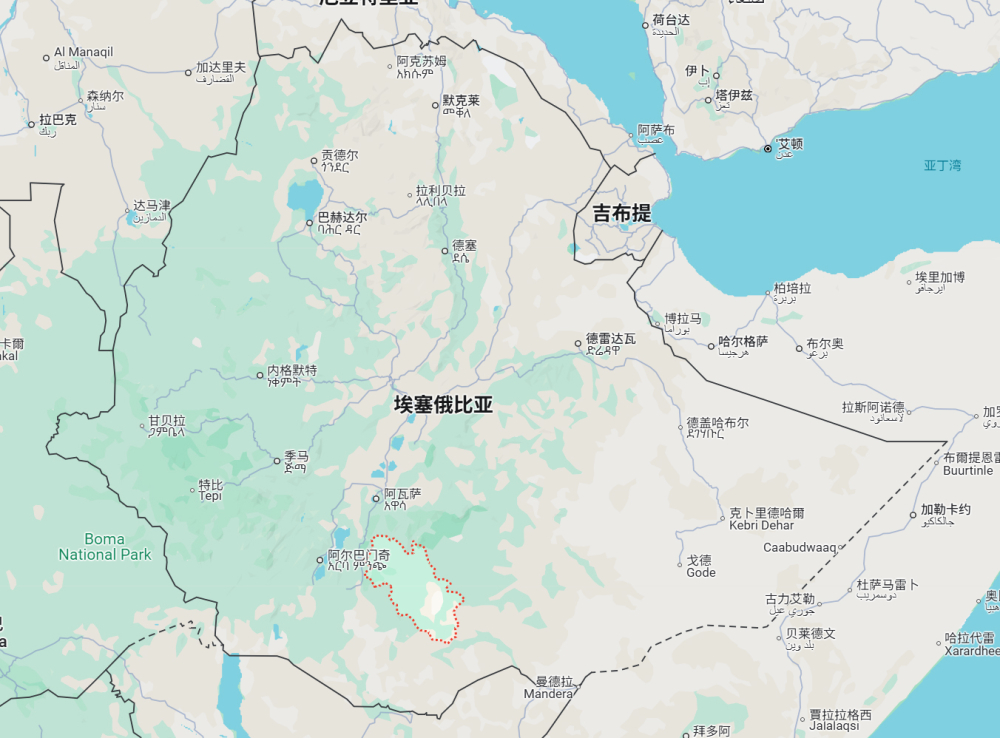
Guji sits southeast of Yirgacheffe, bordering Sidamo and Gedeb, across rolling highlands and valleys above roughly 1,800 meters. The soil is a fertile black Vertisol nearly two meters deep, and wide day-to-night temperature swings slow cherry maturation, which helps concentrate flavor in the C. arabica heirloom varieties grown there.
Ethiopian natural coffee has always been celebrated for its rich sweetness and vibrant fruity notes, and the Guji region has performed especially brilliantly in the specialty coffee scene in recent years. This article will comprehensively analyze the charm of Front Street Natural Guji Huakui coffee, from terroir and processing methods to variety characteristics and roasting curves, along with detailed V60 pour-over parameters and flavor descriptions, guiding you through this bean's layered transformation from tropical fruit to caramel sweetness. Whether you are a beginner just getting into pour-over or a coffee enthusiast seeking an advanced flavor experience, you will find practical brewing references here.
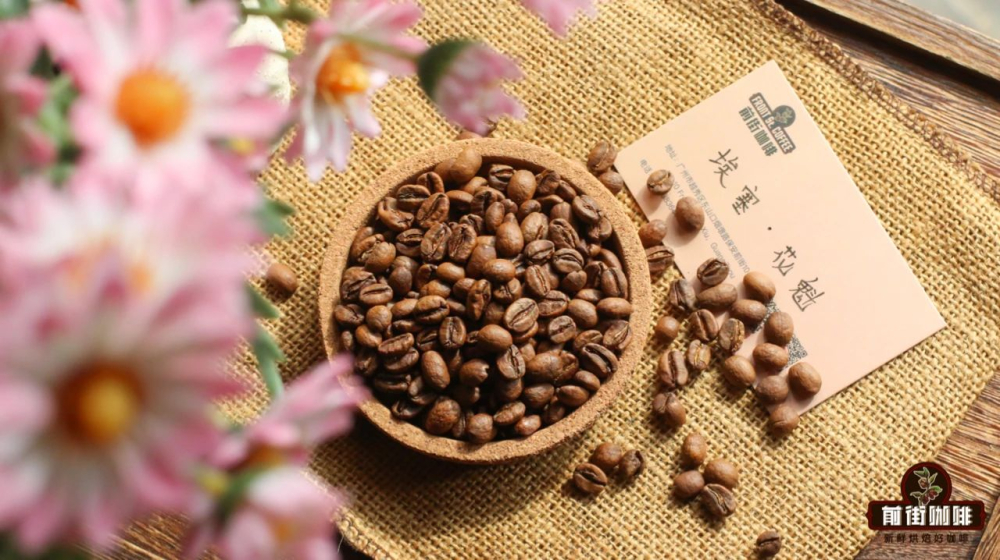
Ethiopian coffee has always conquered countless palates with its enchanting natural flavors, and its full-bodied sweetness and rich fruity aroma make it a favorite at Front Street. Coffee from the Guji region is especially stunning, and Front Street specifically selected a natural bean from this region because Guji coffee quality has been continuously rising in recent years, with local natural conditions providing unique advantages for coffee cultivation.
This Front Street Natural Huakui is a representative work of the Guji region. When brewed, the cup exudes a fragrance of fresh fruit intertwined with flowers, rich in layers and full of sweetness. The tropical fruit aroma is particularly intense, with lychee being the most prominent note. After swallowing, a creamy sweetness lingers in the mouth, and the aftertaste carries a caramel-like sweetness that greatly surprised Front Street.
The Guji region is a rising star in recent years, achieving remarkable results in flavor expression and quality. It was once part of the Sidamo region until 2010, when it was officially designated as an independent region by the Ethiopian Commodity Exchange (ECX).
Guji is located southeast of Yirgacheffe, bordering Sidamo and Gedeb. The area is characterized by rolling mountains, with highlands, plateaus, valleys, and plains interwoven in a complex terrain.
The soil in this area is fertile black soil (Vertisol), with a soil depth of nearly two meters and an average altitude exceeding 1,800 meters. The unique geographical conditions bring significant temperature differences between day and night, creating an ideal terroir for producing high-quality specialty coffee. The greatest advantage here is that soil vitality is maintained through natural organic cycles—fallen leaves, litter, and plant residues from surrounding trees are converted into natural fertilizer.
Natural NATURAL
The natural method is a time-honored green bean processing method, and this Guji Huakui coffee that Front Street acquired is precisely processed using the natural method.

1. Removing floating beans
The harvested coffee cherries are poured into a large water tank. Ripe, plump cherries sink to the bottom, while underdeveloped or overripe cherries float on the surface. These floating beans need to be removed.
2. Sun drying
The whole coffee cherries, complete with pulp and skin, are then spread out on drying beds for sun drying, naturally dried to about 12% moisture content. The entire process takes approximately two to four weeks, depending on the climate conditions of the origin.
3. Hulling
After natural drying is complete, a hulling machine removes the dried hard skin, pulp, and parchment layer, revealing the green beans.
Local Heirloom HEIRLOOM
The variety of this Front Street Natural Guji belongs to Ethiopian local heirloom varieties.
The reason they are collectively called local heirloom varieties is that Ethiopia has an overwhelmingly large number of varieties, like a natural gene treasury of Arabica. On one hand, the sheer number of varieties makes identification and classification extremely difficult; on the other hand, the Ethiopian government, for protection considerations, is unwilling to disclose variety information. Therefore, they are collectively referred to as 【Heirloom】.
Roasting Analysis
Charged when the drum temperature rose to 175°C, with heat set at 130, airflow opened to 3, and the turning point appearing at 1'32"; when the drum temperature reached 140°C, airflow was opened to 3.5 with heat unchanged; at 155.6°C the bean surface turned yellow, the grassy scent completely dissipated, entering the dehydration phase; when the drum temperature reached 176°C, heat was lowered to 110, airflow maintained; at 7'28" the bean surface showed rough wrinkles and dark patches, and the toasty bread aroma clearly transformed into coffee aroma—this can be judged as the prelude to first crack, requiring careful listening for the sound of first crack; first crack began at 8'35", airflow adjusted to 4, developed for 1'45" after first crack, and dropped at 195°C.
The Agtron bean color value is 63.7 (left image), the Agtron ground color value is 76.9 (right image), and the Roast Delta value is 13.2.
Front Street Natural Guji GUJI NATURAL
Country: Ethiopia
Region: Guji
Altitude: 1,800-2,100 meters
Processing: Natural process
Variety: Local heirloom
FrontStreet Coffee Cupping Notes: Tropical fruit, lychee, citrus, cream, caramel
FrontStreet Coffee Brewing Recipe:
Brewing temperature: 91°C | Dripper: V60 | Grind size: BG #6S | Dose: 15g | Coffee-to-water ratio: 1:15 | Bloom water ratio: 1:2 | Bloom time: 30s
Brewing technique: Coin-sized circular pour in three stages
Brewing duration: 1 minute 50 seconds - 2 minutes
【Front Street Ethiopia Natural Guji】Flavor Description: Entry with hints of floral notes, rich berry and raisin sweetness, soft fruit acidity, aftertaste with tropical fruit aroma, sugarcane sweetness.
The above content is compiled by CoffeeHunters, a coffee news website.


