







What sets Golden Mandheling apart from other Indonesian coffee?
Mandheling comes from Sumatra and is grown mainly on Java, Sulawesi and northern Sumatra. It is roasted medium-dark, giving heavy chocolate and nutty notes, high body, low acidity and a clear sweet finish. Golden Mandheling is a graded selection tied to the PWN company and is distinguished from Lintong, Tiger and Aged Mandheling by sorting standards.
The name traces back to a historical misidentification of the Mandailing people, and before Blue Mountain reached the wider market Mandheling was often described as the finest coffee available. Its weight and low acidity also make it a common espresso base in blends, though Indonesian robusta coffee beans are a separate crop with a very different cup profile.
Indonesian coffee occupies a unique place in the world of specialty coffee, and the most iconic among them is undoubtedly Mandheling. With its rich, full-bodied flavor, pronounced sweetness in the finish, and almost no acidity, it has become a cup that many coffee lovers cannot avoid. This article begins with the origin of the name Mandheling, its historical legends, and the distribution of its producing regions, then extends to the relationship between Golden Mandheling and PWN Company, and sorts out the differences among Lintong, Tiger, Aged, and other types of Mandheling. At the same time, combined with Front Street Coffee's bean selection and brewing practices, it provides specific parameters and flavor descriptions to help you make clearer judgments among Indonesian coffee brands and bean varieties.
For more specialty coffee knowledge, please follow the WeChat public account: Front Street Coffee (FrontStreet Coffee)
If you were to choose one of the most popular medium-dark roasted coffees, Front Street Mandheling coffee beans would certainly be on the list. Its flavor is concentrated and intense, with a full aroma, high body, and an especially clear sweet finish, making it a rare good bean. Although Front Street has always used Mandheling as a single-origin coffee bean, more and more cafes have realized that its heavy chocolate and nutty character also makes it suitable as a base bean for espresso.
So in other cafes on the market, you will also see Mandheling used in coffee blends.
Indeed, in the era before Blue Mountain was revealed to the world, Mandheling coffee was once considered the finest quality coffee in the world. After roasting, the beans are quite large; the green beans are brown or dark green, with a special caramel-like aroma, a mellow and rich taste, bitter yet sweet without acidity. After trying a large number of coffee beans with floral and fruity notes, many veteran coffee enthusiasts still return to Mandheling coffee after going around in circles.
Having said so much, do you know the ins and outs of Mandheling coffee? Today, let's learn together with Front Street about the relevant knowledge of Mandheling coffee! Mandheling coffee is produced in Sumatra, Indonesia, Asia, and is also called "Sumatra coffee." Its main producing areas include Java Island, Sulawesi Island, and northern Sumatra Island. Although most coffee beans in Indonesia are Robusta coffee beans, what has made Indonesian coffee shine in the world coffee scene is Mandheling coffee. Mandheling is not the name of a producing region, place, port, or coffee variety. So how did its name come about? In fact, it is a mispronunciation of the Indonesian Mandheling ethnic group.
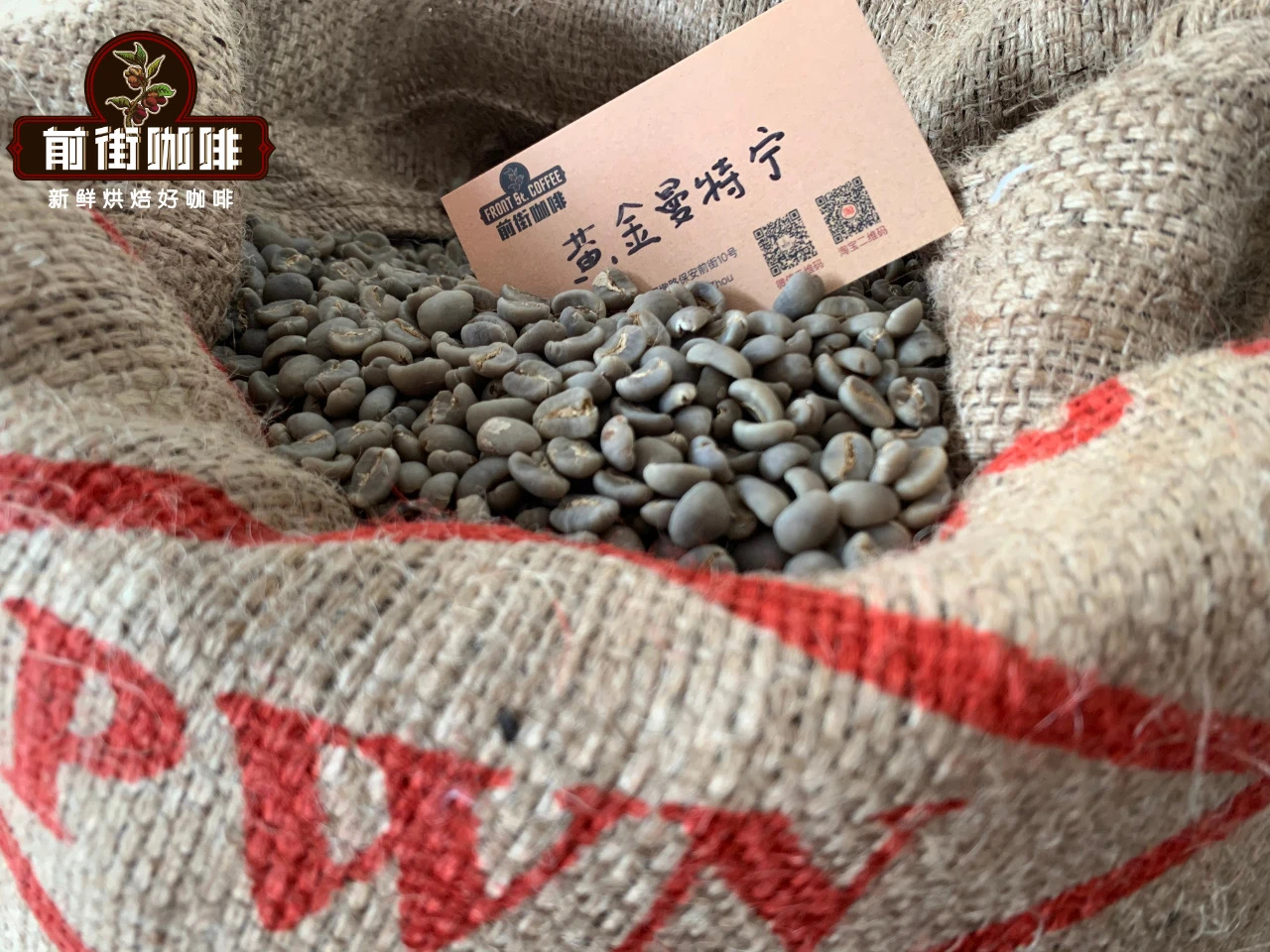
During World War II, when Japan occupied Indonesia, a Japanese soldier drank an extremely aromatic and mellow coffee in a cafe. So he asked the owner for the name of the coffee. The owner mistakenly thought he was asking where he was from, so he answered: Mandheling. After the war, the Japanese soldier recalled the "Mandheling" he had drunk in Indonesia. He then entrusted an Indonesian coffee trader to ship 15 tons to Japan, and it unexpectedly became very popular. The name Mandheling spread in this way, and that coffee trader is now the famous Pwani Coffee Company (PWN). Front Street Coffee (FrontStreet Coffee)'s Golden Mandheling has always been purchased from PWN Company. After one machine sorting and three manual hand sortings, product quality is guaranteed, and the flavor is quite excellent!
Front Street Coffee (FrontStreet Coffee): Front Street PWN Golden Mandheling coffee beans
Country: Indonesia
Grade: G1, three times hand-sorted
Company: PWN
Region: Gayo Mountain, Aceh, North Sumatra
Processing method: wet-hulled
Variety: ateng
Altitude: 1100-1600m
At that time, Mandheling coffee was mainly exported to Japan, and Japanese people had very high requirements for coffee quality and very strict management. Coffee often had to undergo four rounds of manual bean sorting to remove defective beans, producing Mandheling coffee with a dark green color and uniform bean appearance. It is precisely because of the excellent quality of Mandheling green beans that a large amount of market demand was created, and even the European and American markets went crazy for it.
According to Front Street's understanding, although the title Golden Mandheling was spread by the Japanese, because PWN was one step ahead in registering the "golden Mandheling" trademark, strictly speaking, only Mandheling coffee produced by PWN Company can be called Golden Mandheling. However, due to the situation of limited Golden Mandheling production and high demand, a large number of fake Golden Mandheling products began to flood the market. Although some were also strictly screened and were no different in size from authentic Golden Mandheling, as long as your palate is discerning, you can still easily taste a huge difference in flavor. Japan's "Golden Mandheling" also has its own brand called "Ding Shang Mandheling." As for the flavor characteristics and how PWN's Golden Mandheling is different, everyone can buy them separately and judge for themselves.
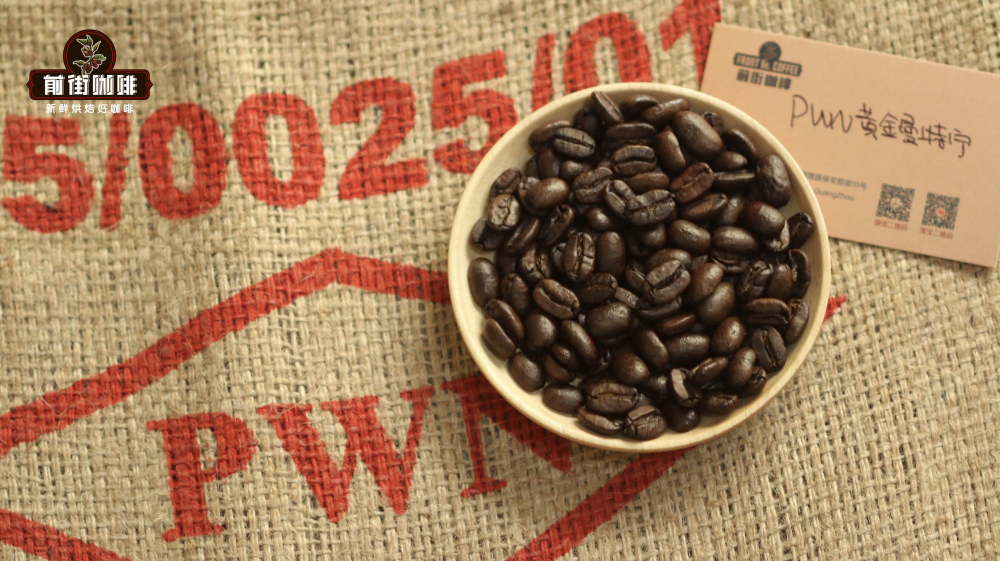
As mentioned earlier, there are many fake Golden Mandheling products on the market, so how should everyone distinguish true from false Mandheling? In fact, it is very simple. Front Street believes there are mainly two things to look at: the factory certificate of Front Street PWN Golden Mandheling coffee and the coffee jute bag printed with the PWN logo. When you buy Golden Mandheling, you can ask the seller in advance to show these two things. If they cannot produce them, then everyone should be more careful.
So what is the difference between Golden Mandheling and other Mandheling coffees? Front Street believes the difference lies in the producing company and the coffee bean screening process. Strictly speaking, after screening and selecting ordinary Mandheling, it can also achieve a taste similar to Golden Mandheling. It is just that most of the better-quality Mandheling beans locally in Indonesia were purchased by PWN Company. The well-known Mandheling coffee is produced around Lake Toba in northern Sumatra.
Traditional Arabica coffee produced in northern Sumatra is generally sold on the market under the names Lintong and Mandheling. To be precise, Lintong refers to coffee grown in a small area southwest of Lake Toba in the Lintong administrative region, with planting areas scattered across a high, undulating clay plateau full of ferns. Lintong coffee is not shade-grown, does not use chemicals, and is almost entirely owned by small private holders. Mandheling is a broader term, including Lintong coffee and other coffee-growing areas under similar conditions such as Diari (capital Sidikalang) and northern Lake Toba.
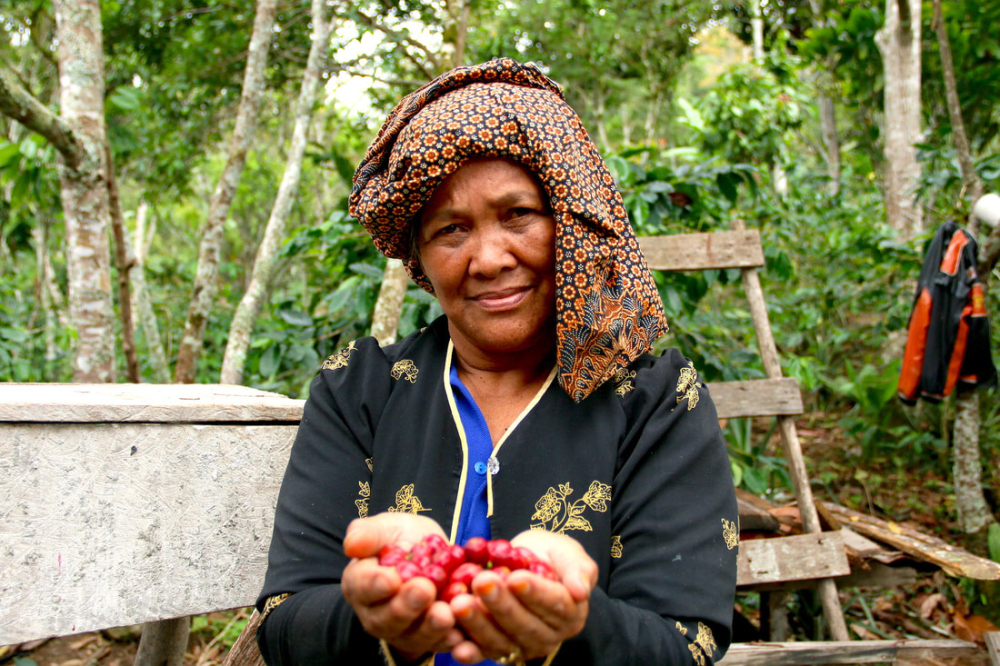
Observant friends will notice that Front Street's coffee bean list also includes Mandheling coffees other than Golden Mandheling: Aged Mandheling, Lintong Mandheling, and Tiger Mandheling. The main difference is still the producing region. Speaking of this, let's take a look at the map of Indonesia together!
Lintong Mandheling is produced in the Lintongnihuta area southwest of Lake Toba. This large lake is one of the deepest lakes in the world, reaching 505 meters deep. The coffee-producing area is a plateau known for its rich tree fern species. The region produces 15,000 to 18,000 tons of Arabica coffee each year. Tiger Mandheling comes from the Goyo mountain area in northern Aceh Province, Sumatra. Indonesia straddles both sides of the equator, and its hot and humid tropical rainforest climate brings abundant rainfall, while fertile volcanic soil provides favorable conditions for coffee cultivation. Gayo is an area located on the hillsides around Takengon town and Lake Laut Tawar at the northern tip of Sumatra Island in the Aceh region. The average altitude of the producing area is between 1,110 and 1,600 meters. The coffee is almost entirely grown by smallholders under shade trees.
Aged Mandheling is rather special. It refers to Mandheling coffee beans that have been stored for a longer time as green beans. Compared with other Mandheling coffees, its characteristic is that it is sweet as honey. Successfully aged beans have polished away Mandheling's ungraceful acidity. The astringent components, through aging, are converted into sugar, making the coffee rounder and sweeter to drink. But it is worth noting that unsuccessful aged Mandheling is like a coffee zombie, with a taste that is hard to swallow.
Front Street's store currently sells one everyday-drinking Mandheling and one Golden Mandheling. The other Mandheling green beans are out of stock, so today we will share the brewing parameters and methods for these two Mandheling coffees:
Dripper: KONO
Coffee dose: 15 grams
Coffee-to-water ratio: 1:15
Water temperature: 86-87°C
Grind size: medium-coarse (70% passing rate through a national standard No. 20 sieve)
Front Street Coffee (FrontStreet Coffee) brewing method:
For the first pour, use 30 grams of water for a 30-second bloom. For the second pour, pour in a small stream in circles until 125 grams, then pause. When the water level is about to expose the coffee bed, continue pouring for the third stage until 225 grams, then stop pouring. When the water level is about to expose the coffee bed, remove the dripper. (Start timing from the beginning of the bloom.) Total extraction time is 2'00".
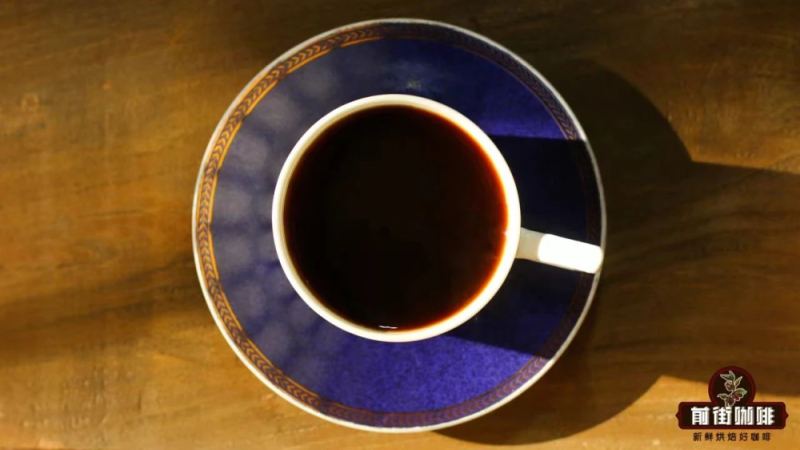
Flavor description of the everyday-drinking Mandheling: The medium-dark roasted Mandheling coffee gives off a rich "coffee flavor," resembling a complex aroma of nuts, dark chocolate, roasted chestnuts, cinnamon, and other spices. It tastes smooth and full-bodied like caramel and cream, completely filling the mouth, with a solid body and a sweet finish.
Flavor description of Golden Mandheling: nuts, chocolate, spices, herbs, caramel. Golden Mandheling tastes cleaner than Lintong Mandheling. The original herbal, earthy, and woody notes of Mandheling are almost gone, but the caramel sweetness is stronger, and the fruity acidity is also brighter and more elegant.
The above content is compiled by CoffeeHunters, a coffee news website.


