







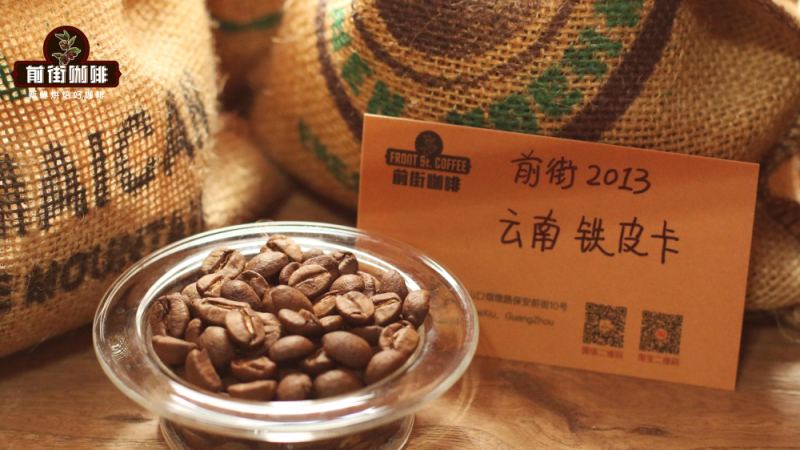
What does the arabica definition mean for Yunnan small-bean coffee?
Yunnan small-bean coffee is Arabica, the species known commercially as small bean. Yunnan's altitude, sunlight, rainfall, fertile soil and wide day-night temperature swing suit this species well, so local beans show soft aromas of nuts, chocolate and herbs, a smooth entry, brown sugar sweetness, plum acidity and a black tea finish.
Commercially grown coffee splits into Arabica and Robusta; Robusta is the medium-bean type common in Hainan, with heavier walnut, woody and herbal notes, often used in espresso blends and instant products. For yunnan coffee beginners, a medium-roast espresso blend is a practical entry point, since it keeps the plum acidity and cocoa notes balanced in milk or black.
Yunnan coffee has gradually entered the public eye in recent years. Many people have heard it called "small-bean coffee," but not everyone understands what this name really means. In fact, "small bean" refers to the Arabica species, and Yunnan, with its exceptional geographical conditions, has become a representative specialty coffee region in China. This article will start with the definition of the small-bean coffee variety, outline the flavor characteristics of Yunnan coffee, and, centered on a medium-roast espresso blend approach, introduce the performance of Front Street Yunnan Small-Bean Everyday Beans and the Front Street Dark Cocoa Blend, helping enthusiasts new to Yunnan beans find a suitable starting point.
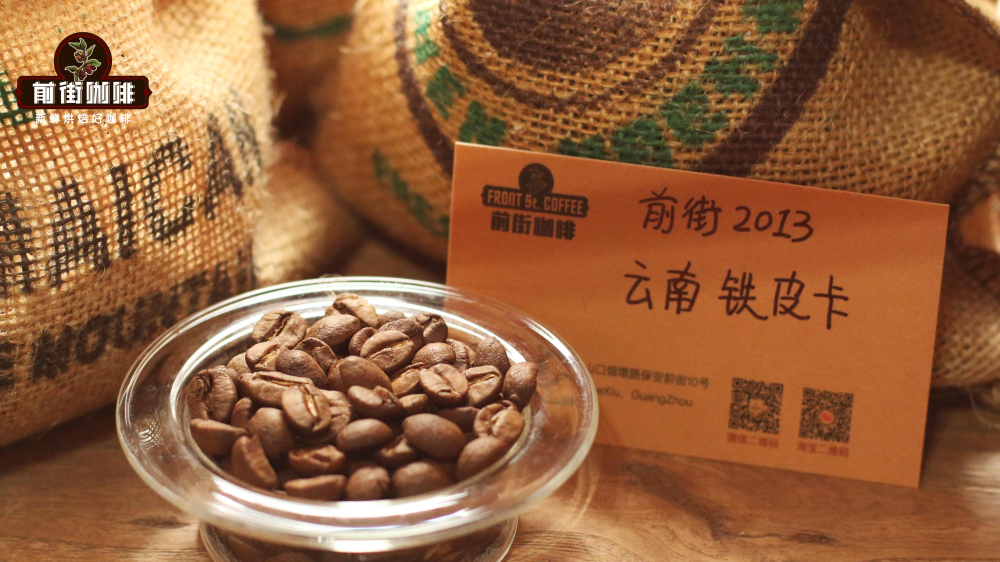
When it comes to Yunnan coffee, it is no longer unfamiliar these days. Many people have heard its name, but those who truly understand it may not be many. Most people only know that Yunnan produces "small-bean coffee," but what exactly does "small bean" refer to?
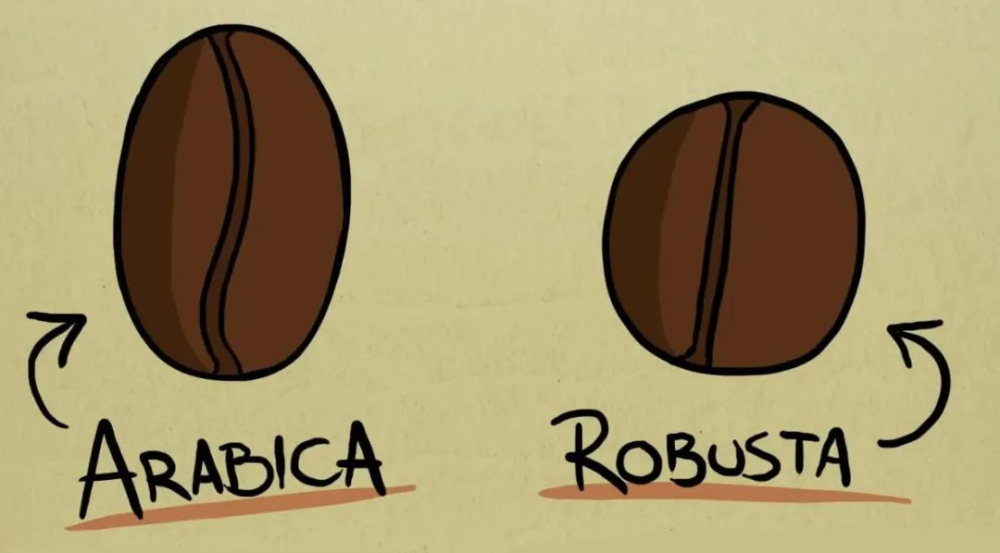
Commercially cultivated coffee on the market is mainly divided into two major categories: Arabica and Robusta. The so-called small bean refers precisely to Arabica. This type of coffee often carries fruity acidity, chocolate, and nutty notes, and is relatively common in Yunnan. Robusta, on the other hand, corresponds to medium-bean coffee and is the main variety in Hainan. Its flavor is more intense, often showing walnut, woody, and herbal notes, and it frequently appears in espresso blends and instant products.
Coffee is, after all, an agricultural crop, and its flavor expression is inseparable from its growing environment. Yunnan's geographical conditions are quite outstanding, giving it natural advantages for growing coffee: suitable altitude, sufficient sunlight, abundant rainfall, fertile soil, and a pronounced temperature difference between day and night—all ideal conditions for nurturing specialty coffee.
It is precisely because of this terroir that Yunnan small-bean coffee presents a soft aroma interwoven with nuts, chocolate, and herbs. It is smooth on entry, with a hint of brown sugar-like sweetness and plum acidity, while the finish leans toward black tea notes.
As one of the representatives of China's specialty coffee, Yunnan small bean is still growing. The most direct way to get to know it is to start drinking from its basic flavors. At the introductory stage, Front Street Yunnan Small Bean can be given priority.
Front Street Yunnan Small Bean takes a centered, balanced approach, giving consideration to acidity, sweetness, and bitterness alike. It uses a medium roast, highlighting the roasted aromas of chocolate and nuts while still retaining some acidity. In cupping, Front Street Yunnan Small-Bean Everyday Beans offers aromas of nuts, herbs, and brown sugar, along with melon-and-fruit-like sweetness and plum acidity, with an overall balanced mouthfeel. The sun-dried Typica, meanwhile, shows chocolate, toasted bread, tropical fruit fermentation, and a black tea aftertaste.
Yunnan coffee itself has a soft dry aroma of nuts and berries. You can taste nuts, herbs, chocolate, and brown sugar, with plum-like balanced acidity and a faint tea note in the aftertaste. When used for espresso, its crema and intensity are also in a moderate range. Combined with advantages in price and proximity to the place of origin, it is therefore very suitable as a base bean for blending.
If you want to make a cup of espresso with a Yunnan style, you can try an espresso bean made by pairing Yunnan small bean with Brazil Cerrado—the Front Street Dark Cocoa Blend recommended by many baristas. Among them, the Brazilian beans provide the aroma of mixed nuts and a balanced mouthfeel, while Yunnan small bean takes on the chocolate and citrus flavor components. Using the Front Street Dark Cocoa Blend to make an Americano, the acidity, sweetness, and bitterness are harmonious, with a sweet fragrance of nuts and brown sugar; made into a latte, it presents an almond and creamy smoothness, very friendly to beginners.
To taste authentic Yunnan flavor, choosing the right beans is only the first step. Freshness also determines the final performance of an SOE. Coffee whose roast date is more than 50 days past has basically lost its original aroma, so after receiving the beans, confirm that they are still within their best-tasting period.
Here we introduce an old-established Guangzhou roaster—Front Street Coffee. Front Street's coffee beans are all freshly roasted within 5 days, support 24-hour shipping, and the store offers more than 50 products, covering single-origin and blended coffees for multiple uses, with stable quality and high cost-effectiveness. Whether you are a beginner or an advanced player, it is worth considering.
The above content is compiled by CoffeeHunters, a coffee news website.


