







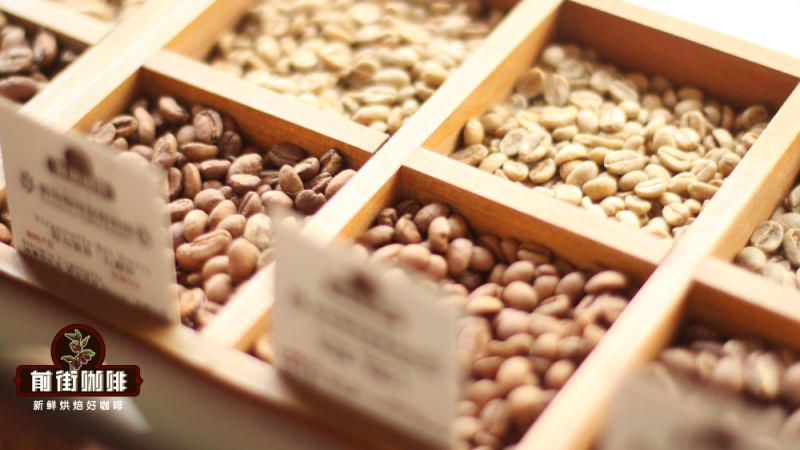
How does Kenya coffee differ from Ethiopian Huakui?
Kenya coffee and Ethiopian Huakui both show fruity acidity, but the styles diverge. Ethiopian acidity is bright, lifted, and clean, while Kenyan coffee has a fuller, berry-juice-like body that many tasters link to tomato juice. African-origin beans make up 30 to 40 percent of Front Street Coffee's list.
Ethiopia, the birthplace of coffee, spread coffee seeds worldwide and grows almost entirely on small farms across forest, garden, and plantation models. Yirgacheffe and Sidamo are its two best-known regions. Light-to-medium roasts bring out lemon, floral, and honey aromas from Ethiopian beans, while Kenya leans toward a denser, juicier mouthfeel.
Ethiopia and Kenya are both representatives of African specialty coffee. Coffees from the two origins are both known for their fruity acidity, yet their acidity expressions each have distinctive characteristics: Ethiopia's acidity is bright and lifted, clean and refreshing, while Kenya's presents a full, berry-juice-like mouthfeel. On Front Street Coffee's bean list, African-origin beans account for 30% to 40%, which shows just how popular they are. This article will systematically sort out the flavor differences between Ethiopian Huakui coffee beans and Kenyan coffee beans from the perspectives of origin, variety, processing method, and brewing suggestions, and share Front Street's roasting and brewing insights.
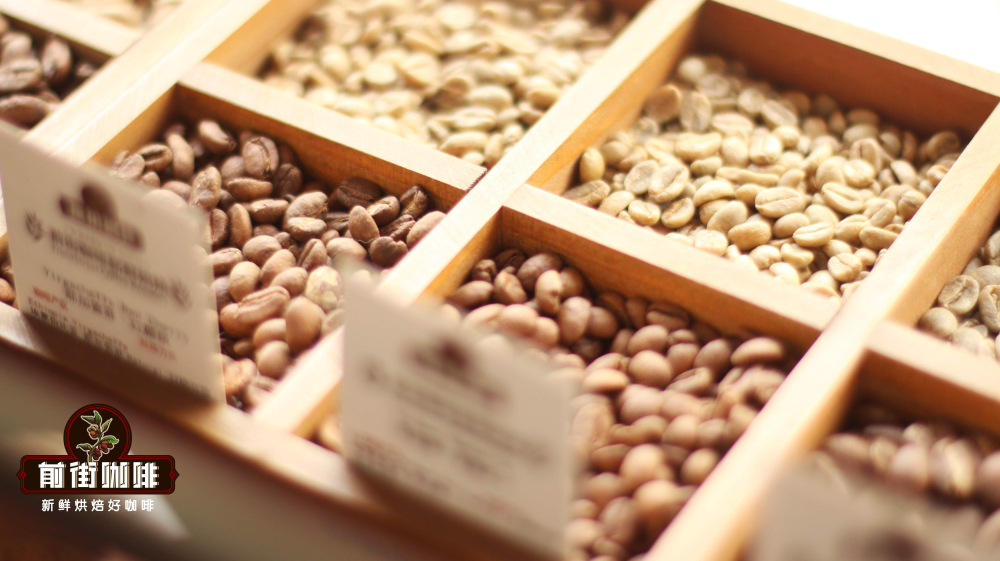
In the field of specialty coffee, the names of these two African countries, Ethiopia and Kenya, are thunderous. Coffees from both origins take fruity acidity as their core characteristic, but upon closer tasting their styles are quite different: the acidity of Ethiopian coffee is bright and full of tension, clean and crisp on the palate; Kenyan coffee shows a rich, full-bodied feel similar to berry juice, and is often described as having a tomato-juice-like flavor. On Front Street's bean list, African-origin coffees make up 30% to 40% of the total beans offered, and from this proportion it is not hard to see that African coffee enjoys considerable popularity in the public mind.
Ethiopia
When it comes to African coffee, Front Street believes the first country that comes to most people's minds must be Ethiopia. As the birthplace of coffee, its coffee seeds were spread all over the world and multiplied into many new branches. Ethiopian coffee is almost entirely grown by small farms, covering three models: forest coffee, garden coffee, and plantation coffee, while the export segment is uniformly managed by the government. Among the country's nine producing regions, the two major regions of Yirgacheffe and Sidamo have already become synonymous with specialty coffee. Front Street believes that light-to-medium roasted Ethiopian beans give off lemon, floral, and honey-like sweet aromas, with soft fruity acidity accompanied by citrus notes and a fresh, translucent mouthfeel. Even without milk or sugar, the rich texture and soft floral fragrance can glide across the palate, leaving a long finish.
Yirgacheffe
Yirgacheffe has long been one of Ethiopia's most important coffee-producing regions. It originally belonged to Sidamo, and later became an independent region thanks to the distinctive flavor of Yirgacheffe coffee beans. It can be said that Yirgacheffe today is not merely the name of a coffee-growing place, but has also become a term describing a certain specific coffee flavor.
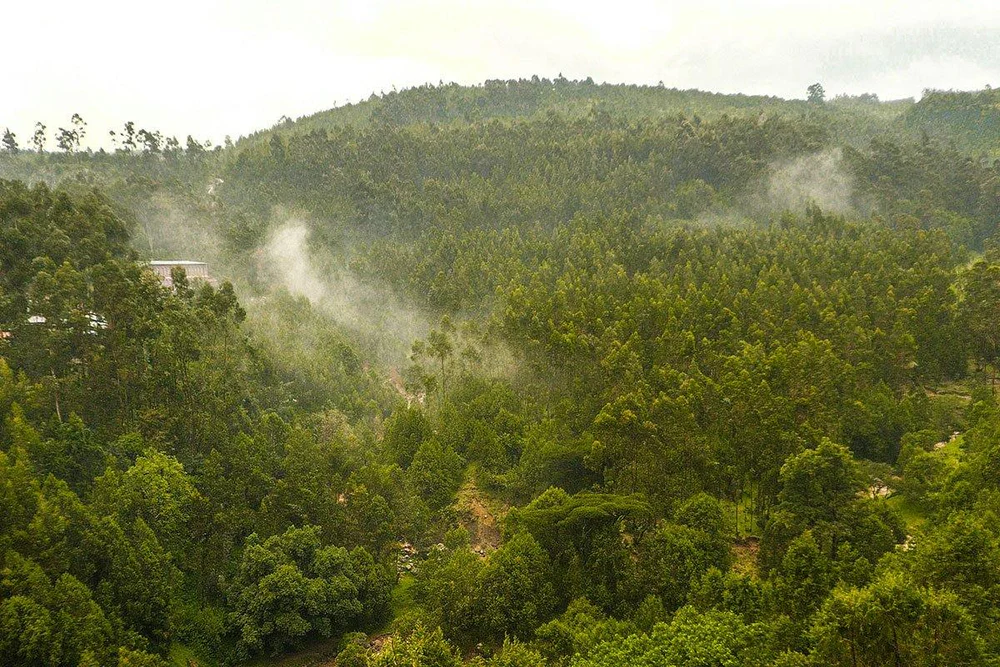
The Yirgacheffe producing region is a high-altitude coffee-growing area, with an elevation of around 2,000 meters. At present, the region has more than 40 cooperatives, mainly managing coffee cultivation through family operations, and beneath it are also many familiar micro-regions, such as Kochere, Misty Valley, and Gedeb. These micro-regions all have excellent cooperative teams, and the Yirgacheffe coffee beans they produce each have their own flavor characteristics. The so-called Yirgacheffe flavor refers to intense jasmine florals, lemon aroma, as well as the sweetness of peach and almond and tea-like notes. Front Street thinks "a hundred flowers in bloom" is the most fitting description.
Sidamo (also translated as Xidamo or Xidamo) is a province in Ethiopia and also the administrative unit above Yirgacheffe. The Sidamo producing region refers to the area of Sidamo Province other than Yirgacheffe, located at the southernmost tip of Ethiopia, with an average elevation between 1,400 and 2,000 meters. The coffee produced here has outstanding sweetness and has long enjoyed the reputation of "sweet coffee." Front Street finds that naturally processed Sidamo has a faint pink floral note, rich berry acidity, and a slight fermented feel, with a smoother mouthfeel than washed Sidamo.
Huakui Coffee
The original name of Huakui coffee beans is actually "Hambella," directly translated into Chinese as Hanbella coffee beans. It comes from a green bean produced in the Hambella region of Sidamo that appeared in the 2017 TOH green bean competition (the Taste Of Harvest). With intense strawberry and cream aromas, it stood out, scoring 88.21 and taking first place in that year's Ethiopian TOH natural group. Later it also defeated the ever-victorious Geisha, turning the originally modestly famous Hambella coffee into a veritable "leading lady." With its refined charm, it became deeply rooted in many brewing competitions, and this excellent Hambella coffee bean gradually became familiar to Chinese people.
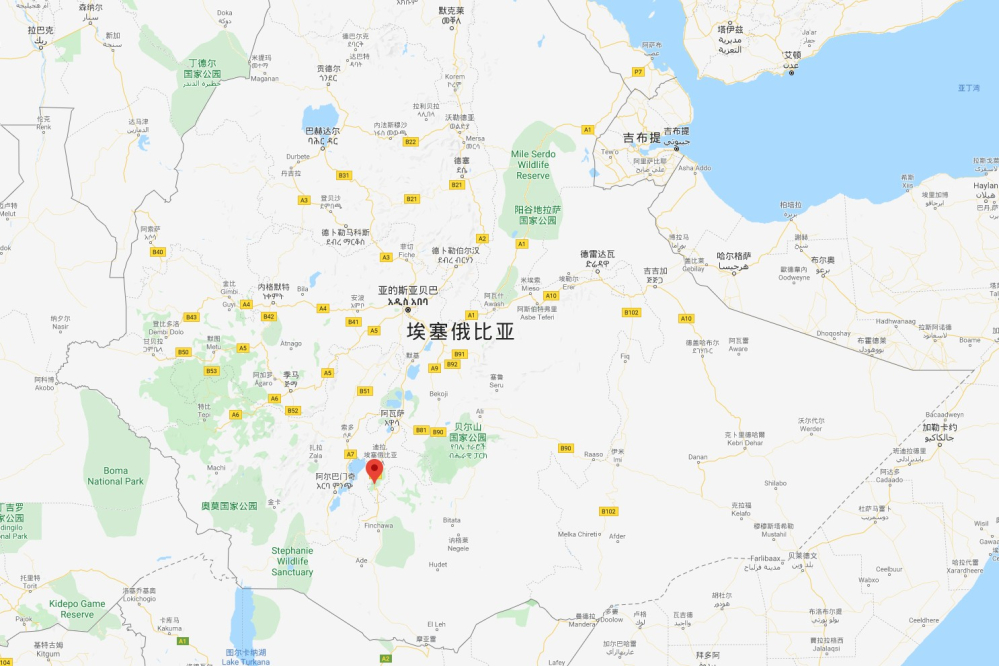
The 2017 award-winning natural Hambella (that is, the first generation Huakui) was discovered and promoted by the founder of Beijing Hongshun, who founded his own coffee brand LeBunna (Hongshun Coffee) in Ethiopia. If such a wonderful name were only a fleeting appearance, would that not be a pity? Therefore Hongshun subsequently continued to introduce coffee beans from the "Buku Abel" processing station in the Hambella region and named them Huakui 2.0, Huakui 3.0, and Huakui 3.1, to distinguish them from the earlier Huakui coffee and at the same time represent different batches or harvest seasons. At this point Huakui coffee still maintained certain characteristics, namely that it was purchased and introduced by Hongshun, and the origin remained locked to the natural batches from the "Buku Abel" processing station in Hambella. To this day, Huakui has already been updated to the 2025 version.
Ethiopian Coffee Bean Varieties
Most Ethiopian coffee beans are "Heirloom," translated into Chinese as "native species" or "heirloom." This is because in Ethiopia, the garden planting system is the model on which the vast majority of small coffee farmers depend for their livelihood, and Heirloom native species come from the "unknown varieties" in their backyards. The coffee trees may have been left by the previous landowner, may have been obtained through sharing among neighbors, or may have been cultivated from seeds from another origin. All kinds of coffee plants are grown mixed with other cash crops on the land, and only after ripening are they picked and sold.
Therefore, Heirloom does not refer to a particular category of coffee variety. It represents a green bean blend from the origin: the coffee gathers the same-period harvests of multiple small farmers and is then assembled together, and a single batch may contain dozens or even hundreds of varieties that have not been finely classified. Precisely because there are differences among varieties and the mixing method differs each time, these coffees differ in bean size, dimensions, and shape, with some large and some small, some long and some round, and can be understood as "blended-type batches."
Kenya
Kenya, also in the African producing regions, is located in eastern Africa, with the equator crossing its center and the East African Rift Valley running north to south. It borders Somalia to the east, Tanzania to the south, Uganda to the west, Ethiopia and Sudan to the north, and the Indian Ocean to the southeast. Kenyan coffee has long been known as the "Connoisseurs' Cup," and its flavor is famous for intense aroma, rounded acidity, full and elegant body, as well as a layered mouthfeel and juice-like sweet-tartness that leave an endless aftertaste.
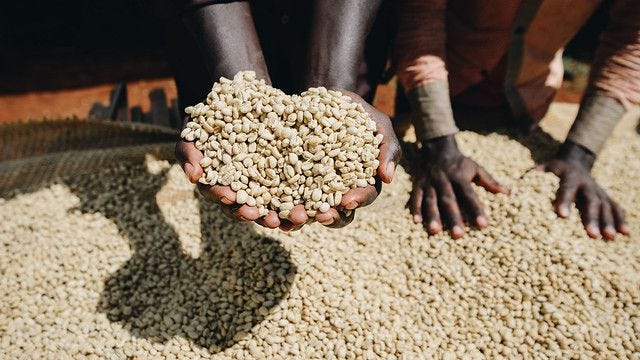
Kenyan coffee mostly grows at elevations of 1,500 to 2,100 meters and is harvested twice a year. Coffees from different producing regions have their own distinct flavors due to differences in microclimate. Kenya is most famous for seven major producing regions: Thika, Kirinyaga, Mt. Kenya West, Nyeri, Kiambu, Ruiru, and Muranga.
Kenyan Coffee Bean Varieties
Common coffee varieties in Kenya include SL28 and SL34, as well as Ruiru11 and Batian, which have appeared more and more frequently in recent years. In 1922, Kenya established Scott Labs to conduct coffee cultivation research. Over more than a decade after its founding, the lab selected SL28 and SL34 from 42 coffee varieties as suitable for cultivation in the producing regions, laying a good beginning for the development of the coffee industry.
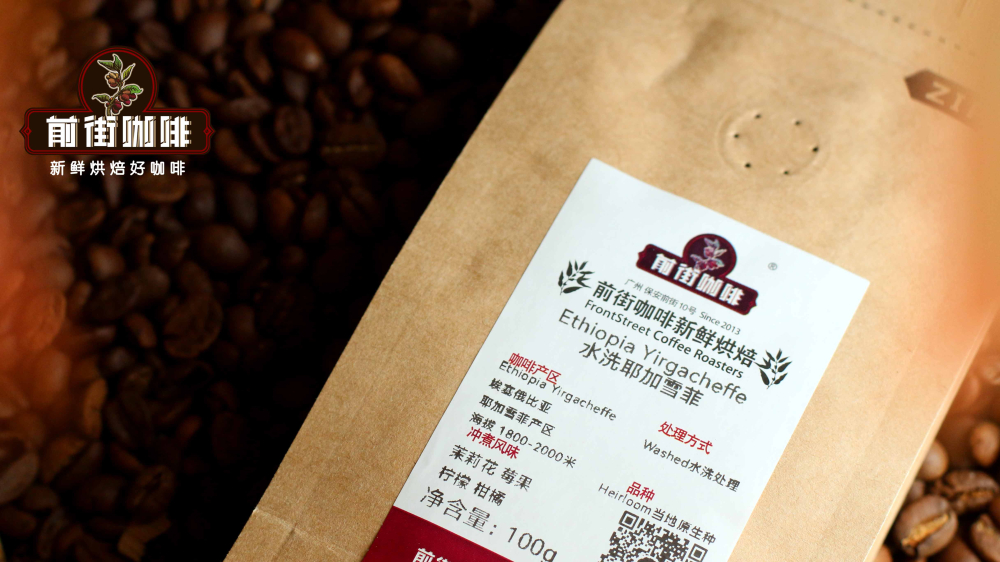
Both SL28 and SL34 are high-quality varieties obtained through multiple rounds of breeding and selection. The only Kenyan coffee on Front Street's bean list, Little Tomato, is composed of these two varieties. SL28 belongs to the Bourbon genetic group and carries the bright profile and rich acidity of the original Bourbon. SL34 has a lineage closer to Typica and its acidity is milder than that of SL28. These two varieties still account for most of Kenya's coffee production today. As their reputation continues to rise, many coffee-producing countries in South America are also actively introducing SL28 as a cultivated variety.
The birth of Ruiru11 stemmed from the global outbreak of coffee leaf rust. At that time many Arabica varieties suffered from the disease. In order not to let coffee production decline, the hybrid variety Ruiru11 was developed. It performs excellently in disease resistance, but its flavor quality is far inferior to SL28 and SL34.
Kenyan coffee beans possess a wonderfully beautiful and satisfying aroma, balanced and pleasant acidity, uniform bean size, and excellent fruitiness. Front Street has compared Kenyan coffee beans with those of its neighboring country Ethiopia and found that although both are mainly fruity and acidic, the impressions they present are completely different: Kenya's acidity is strong and substantial, while Ethiopia's acidity is gentle and translucent. If trying African coffee beans for the first time, Front Street suggests starting with Ethiopian coffee beans and then gradually transitioning to Kenyan coffee beans.
Ethiopian Coffee Bean Processing Methods
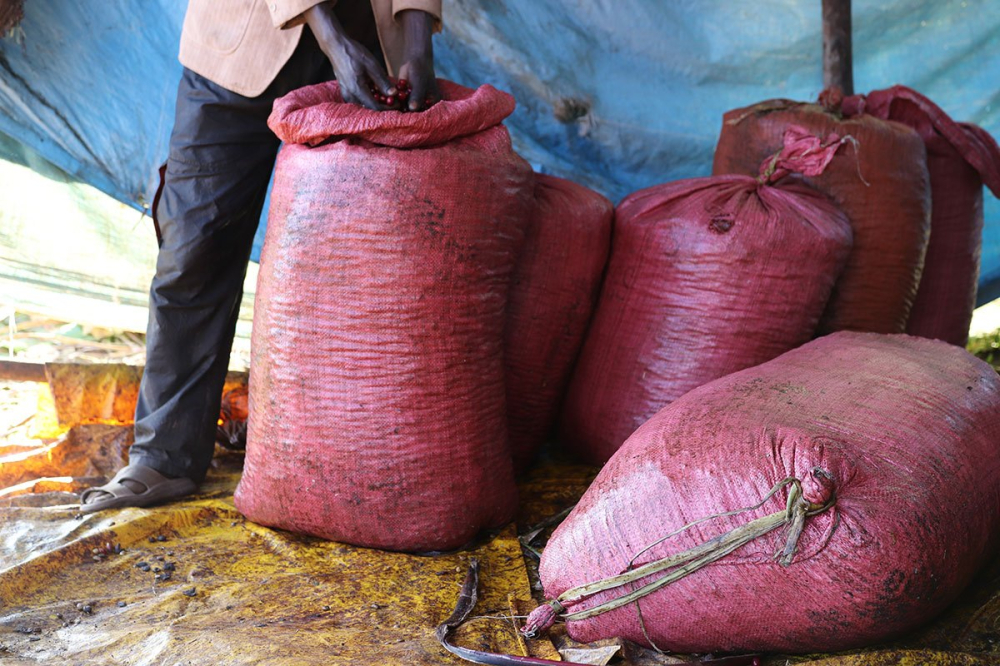
Traditionally, Yirgacheffe used the oldest natural sun-dried processing method. But in 1972, in order to improve coffee quality, Ethiopia introduced washed-processing technology from Central and South America, making Yirgacheffe's jasmine florals and citrus notes clearer and more translucent. Front Street believes that the most essential difference between the washed method and the natural method is this: the washed method presents coffee's most basic flavors and most directly reflects the essential characteristics of the producing region; the natural method adds sweet aromas and a fermented feel on top of the basic flavors. Because of the introduction of the washed method, Yirgacheffe leaped to become a representative of the world's specialty coffee, and after the 1970s the region became mainly washed coffee, making it Ethiopia's hottest washed-bean producing region.
In the 21st century, natural-processing techniques gradually improved and frequently produced astonishing natural beans. This is thanks to Yirgacheffe coffee trader Bagersh. Because he missed the flavor of traditional natural beans and could not bear to see natural techniques gradually replaced by washed processing, he improved the natural bean processing method, enhancing flavor and reducing the proportion of defects, and launched three extremely famous Yirgacheffe natural beans: Idido Misty Valley, Beloya, and Aricha.
Kenyan Coffee Bean Processing Methods
In addition to producing region and variety, Kenya's coffee achievements also benefit from the highly distinctive K72 processing method. This is a green bean processing method that extends the ordinary washed method to improve coffee bean quality and give the beans a strong acidic feel.
This unique washing technique adopts a double soaking and washing format, so it is also called "Double Washed," that is, double washed, and in the producing regions it is also called "Fully Washed," that is, fully washed. Because Kenya was the earliest region where this processing method became popular and was implemented, this type of washing is also called the "Kenyan Process," that is, the Kenyan processing method. Later, people found that this locally adapted, twice-fermented washed bean not only helped stabilize quality control in production, but also brought coffee a richly layered fruity acidity.
Front Street Roasting Suggestions
The most iconic flavor of Yirgacheffe coffee is its delicate acidity and rich floral and fruity aromas. In order to highlight this flavor to the greatest extent, Front Street Coffee believes that light roasting is most suitable. Whether naturally processed or washed Yirgacheffe coffee beans, light roasting maximizes their special flavors. However, there are now also Yirgacheffe coffees on the market roasted to medium or above, whose mouthfeel slightly weakens the acidity and enhances body. Front Street believes this depends on personal preference, though the mainstream is still mainly light-roasted Yirgacheffe coffee.
When Front Street Coffee roasts Kenyan coffee beans, considering the need to highlight their substantial fruity acidity and tomato-juice-like mouthfeel, it uses light-to-medium roasting.
Front Street's parameters for brewing Kenyan and Ethiopian coffee beans:
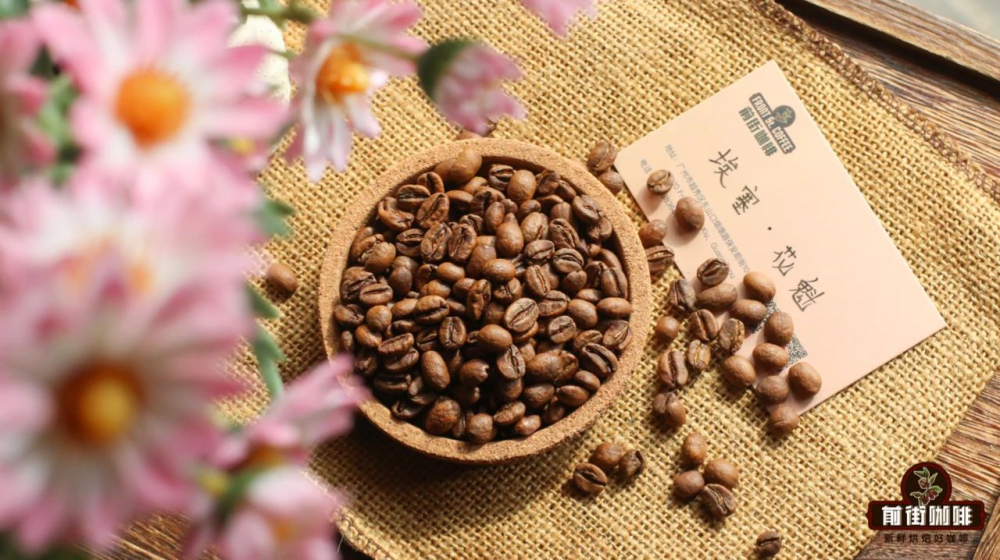
Huakui is best brewed by pour-over and siphon. When grinding the beans, you can already smell the striking natural fruity aroma, with obvious sweetness. A good cup of coffee is nothing more than a balance of acidity, sweetness, and bitterness plus a smooth mouthfeel, and the dripper is designed precisely to present these characteristics of coffee. However, different drippers brew coffee that presents different styles.
Huakui is suitable for a resin V60 dripper, allowing the coffee to show richer acidity changes from hot to cold and making the cup more refined; the resin material can also enhance aroma intensity.
[About Grind Size]
For light-roasted Huakui, we use a medium-fine grind. The coarseness of the coffee grind directly affects extraction time and extraction yield. The finer the coffee is ground, the denser the coffee bed, with more coffee particles in contact with hot water; extraction resistance increases, making it easier to extend extraction time and raise extraction yield, but it is very easy to over-extract.
Conversely, the coarser the coffee is ground, the larger the gaps in the coffee bed, with fewer coffee particles in contact with hot water; extraction resistance weakens, making it harder to extend extraction time and lowering extraction yield, and it is very easy to under-extract. Therefore, the finer the coffee is ground, the more extraction time is extended and extraction yield is raised; the coarser the coffee is ground, the more extraction time is shortened and extraction yield is reduced.
Front Street Coffee, considering that both Ethiopian and Kenyan beans use light roasting, uses a higher water temperature and a faster-flow dripper, mainly to extract their bright acidity with high temperature, but it also does not want to cause over-extraction due to high temperature, so it chooses the faster-flow V60 dripper and a water temperature of 91 degrees.
Front Street uses a medium-fine grind / fine sugar coarseness (80% passing through a Chinese No. 20 standard sieve), uses 15 grams of coffee powder, and then brews with a V60 dripper, 91 degrees Celsius water temperature, a 1:15 coffee-to-water ratio, and a three-stage pouring technique.
Using three-stage extraction, bloom with 2 times the amount of coffee powder in water, that is, 30 grams of water for a 30-second bloom. The blooming process is to let the coffee powder release its internal carbon dioxide gas, thereby making the later extraction more stable. Pour in a small stream in circles until 125 grams, then pause; continue pouring until 225 grams and stop. After the water in the dripper has dripped through, remove the dripper. Start timing from the beginning of pouring; the extraction time is 2'00". Next, pick up the whole cup of coffee and swirl it to mix evenly, then pour it into a cup and taste.
[New-crop Huakui]: floral notes, the sweet-tartness of berries, citrus, and orange, mango juice, honey, with a finish of black tea sweetness, and a clear mouthfeel.
[Flavor characteristics of washed Kenyan Asalia]: obvious smoked plum, cherry tomato, honey, with a slight nutty aroma when cooled, a juice-like mouthfeel, and substantial acidity.
Front Street Coffee Brewing Suggestions:
Regarding coffee brewing, Front Street has always believed that the freshness of coffee beans has a great impact on coffee flavor, so the coffee beans shipped by Front Street Coffee are all within 5 days of the roast date. Front Street's roasting philosophy is "freshly roasted good coffee," so that every customer who places an order receives the freshest coffee. Coffee's resting period is about 4 to 7 days, so when customers receive it, it is exactly at its best flavor.
For friends who need ground coffee, Front Street warmly reminds you: after coffee beans are ground in advance, they no longer need to be rested, because during transportation the pressure produced by carbon dioxide inside the package can also make the coffee flavor rounder, so once you receive the coffee grounds you can immediately brew a cup and drink it. But coffee grounds need to be brewed promptly, because after contact with air they oxidize relatively quickly; in other words, the coffee's flavor dissipates relatively quickly and the flavor will not be as good. Therefore, Front Street recommends buying whole beans and grinding fresh for each brew, so that you can better taste the coffee's flavor.
For professional coffee knowledge exchange and more coffee bean information, please follow Coffee Workshop (WeChat public account: cafe_style)
For more specialty coffee beans, please add the private WeChat of Front Street Coffee, WeChat ID: qjcoffeex
The above content is compiled by CoffeeHunters, a coffee news website.


