







What Sets Golden Mandheling Coffee Apart From Other Sumatran Beans?
Golden Mandheling is a wet-hulled specialty coffee from the mountains around Lake Toba in North Sumatra, distributed exclusively by PWN. It is known for herbal, spicy, and woody notes with a full body and a clean finish that keeps Mandheling's rugged character while adding a degree of polish.
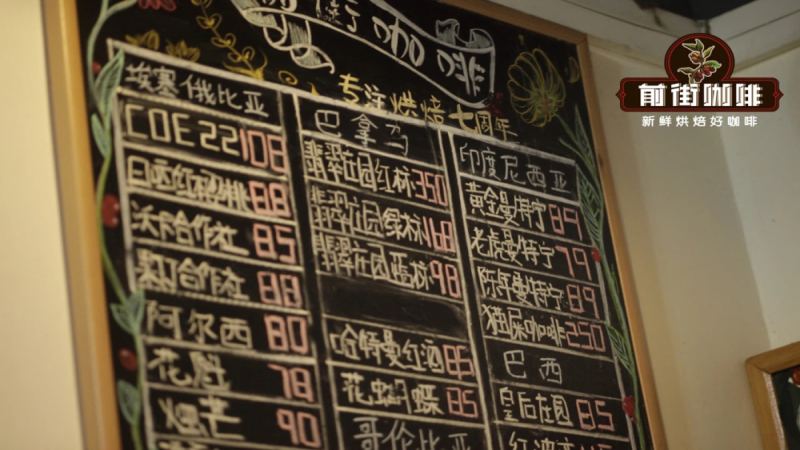
The green coffee beans go through three rounds of hand sorting before roasting, which is a large part of why the cup stays clean. On Front Street Coffee's list, a 227-gram bag sells for 89 yuan. Sumatra production centers on Aceh and North Sumatra, a tropical rainforest zone with heavy rainfall around Lake Toba and Lake Tawar.
Golden Mandheling is a highly representative specialty coffee from the Sumatra region of Indonesia, exclusively produced by PWN, and processed using the wet-hulled method, which gives it rich herbal, spicy, and woody notes. These green coffee beans undergo three rounds of hand sorting, resulting in a full-bodied and clean cup that retains Mandheling's rugged wild aroma while adding a touch of elegance. The PWN Golden Mandheling on Front Street Coffee's bean list is priced at 89 yuan/227 grams, making it a daily staple for many lovers of bold flavors. This article will provide a comprehensive analysis of this coffee's flavor and price, covering its regional background, wet-hulled processing, grade standards, and brewing suggestions, taking you deep into the unique qualities of Golden Mandheling.
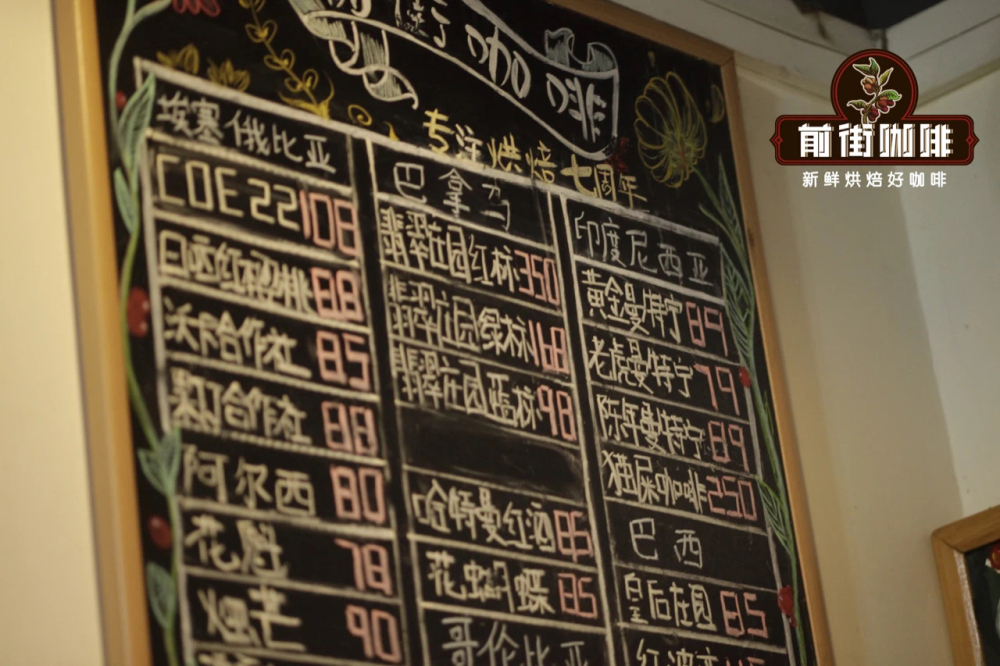
Golden Mandheling is renowned in coffee circles, originating from the mountainous area around Lake Toba in North Sumatra, Indonesia. It is exclusively distributed by Pawani and regarded as the pinnacle of the Mandheling family. Its green beans undergo three rounds of manual sorting and meticulous processing. After roasting, it retains Mandheling's signature intense wild aroma while possessing a solid body, with a clean flavor that reveals a touch of elegance, making it a rare gem of a bean. The Front Street PWN Golden Mandheling on Front Street Coffee's bean list is priced at 89 yuan/227 grams per bag, making it a staple bean for many coffee lovers who favor bold flavors.
In terms of production, Indonesian coffee has always ranked among the top globally, with substantial cultivation of both Arabica and Robusta. Its coffee system is highly complex, producing a dizzying array of coffee varieties. The most familiar to everyone are "Sumatra Mandheling Coffee," "Sulawesi Coffee," "Java Coffee," and the once-fashionable "Kopi Luwak."
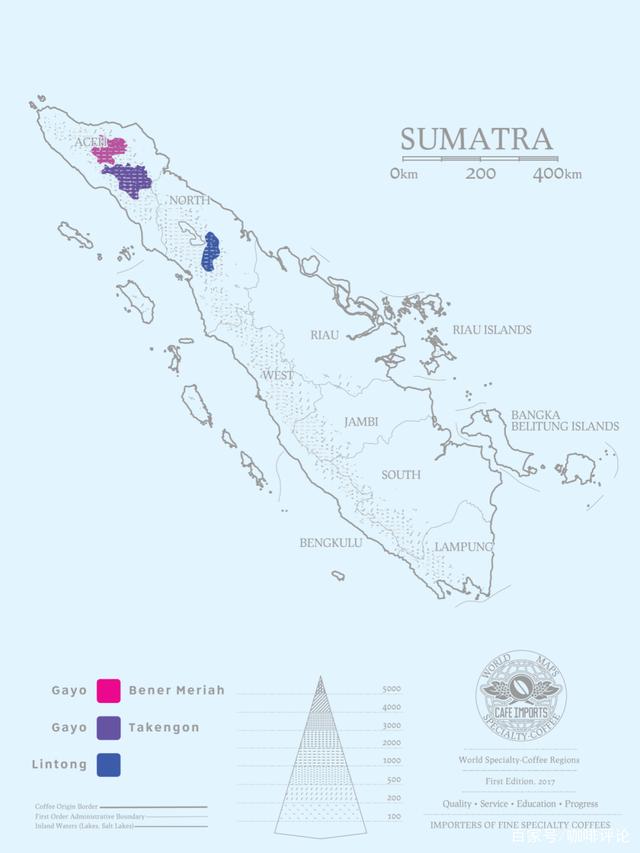
Sumatra is a key specialty coffee region in Indonesia, primarily producing Mandheling coffee, with production concentrated in the northern province of Aceh and the province of North Sumatra (North Sumatra for short) to the south of Aceh. These two major regions are distributed around well-known local volcanic lakes, namely Lake Toba and Lake Tawar, traditionally known as the Lintong region and the Aceh region.
Sumatra has a tropical rainforest climate, with abundant rainfall year-round, humid air, frequent typhoons, and scarce freshwater resources. When processing large quantities of coffee beans, locals could neither use the traditional washed method nor carry out long sun-drying. As a result, coffee farmers developed the wet-hulled method, which takes only four days, greatly compressing fermentation and sun-drying time and saving considerable labor. This is precisely why Sumatra Mandheling has that unique Southeast Asian character with intertwined herbal, spicy, and woody notes.
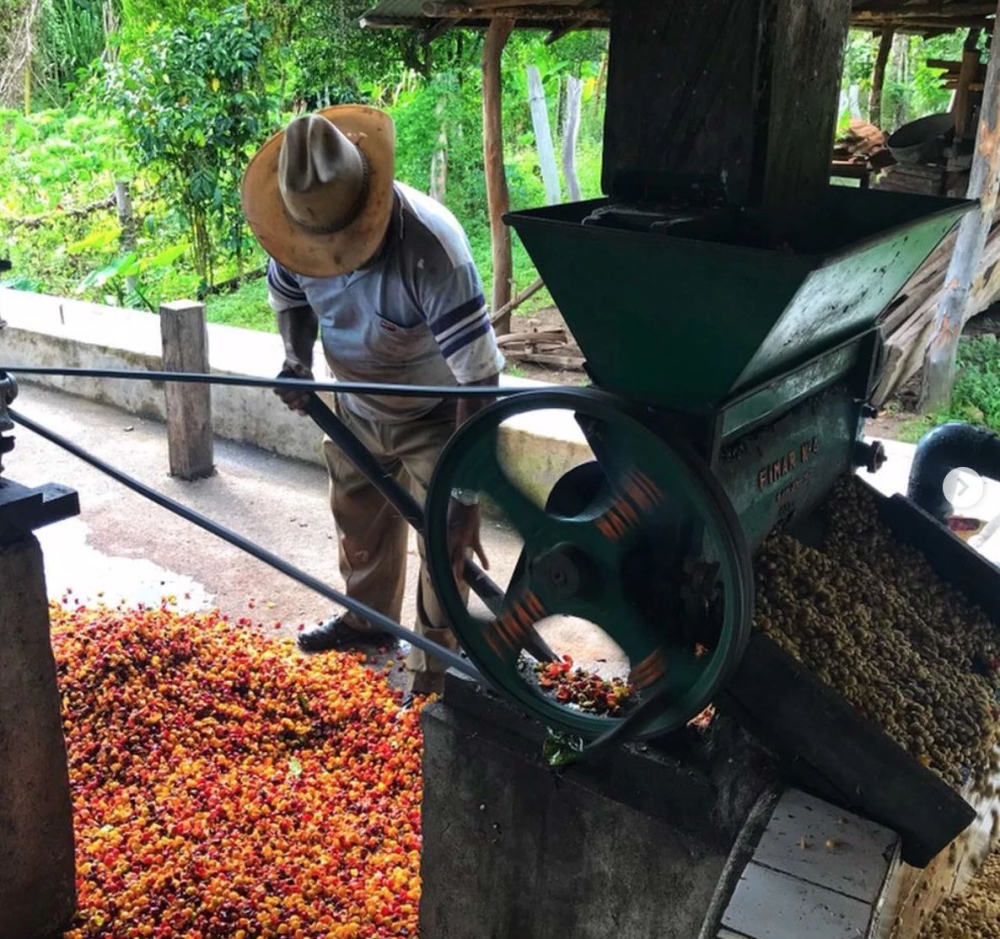
The wet-hulled method works as follows: after harvesting, the coffee cherries are first poured into a water tank, using flotation to remove underripe cherries. Then the outer skin is removed with a depulper, and the beans are directly placed in a pool for a short fermentation of a few hours. At this point, a small amount of mucilage remains on the parchment surface, which is removed by scrubbing. The parchment beans are then taken for drying. When the green beans are first dried to a moisture content of 30-40%, the farmers sell the beans to collectors. After receiving these semi-dry parchment beans, the collectors directly hull them, removing the mucilage and parchment to obtain green beans. Although each step is greatly shortened in time, the "naked beans" still absorb moisture from the hot and humid air, giving the resulting Mandheling coffee an extra layer of musty character.
The green coffee beans with the parchment removed need to continue drying to a moisture content of 12-13% before being bagged and sent for inspection. The relatively rough processing of the wet-hulled method leads to a higher defect rate in green beans. To meet Indonesian export standards and increase selling prices, green bean traders must go through multiple rounds of sorting to remove irregular defective beans. The well-known Indonesian green bean company Pawani Coffee Company (PAWANI, abbreviated as PWN) is famous for producing multiple specialty Mandheling coffees, and "Golden Mandheling" is its signature product — the very Golden Mandheling coffee on Front Street Coffee's bean list.
The grading of Indonesian green coffee beans is based on the number of defective beans, using 300 grams of green beans as the benchmark. The highest grade, Grade 1, requires fewer than 11 defective beans. Golden Mandheling not only meets Indonesia's G1 standard, but its green beans also undergo an initial machine sorting to select batches of 18 mesh or larger, followed by three rounds of manual sorting to ensure consistent color and uniform bean shape. After Front Street Coffee acquired Golden Mandheling green beans, cupping comparisons revealed that it not only sheds the earthy and muddy flavors common in ordinary Mandheling, but its spicy and herbal notes are also particularly clear, with overall cleanliness greatly improved.
For coffee like Golden Mandheling with a rich body and distinct regional flavor, Front Street Coffee recommends extracting and enjoying it as a pour-over black coffee to better capture the coffee's aroma. Coffee beans shipped by Front Street Coffee are all freshly roasted within 5 days, ensuring they are at peak freshness when you receive them, adding more layers to the flavors in your cup.
Golden Mandheling coffee beans are medium-dark roasted, with a loose internal structure and strong water absorption capacity. If you apply the water temperature and grind size used for light-roasted beans, over-extraction is likely, resulting in unpleasant burnt bitterness and astringency. To avoid this issue, the baristas at Front Street Coffee (FrontStreet Coffee) lower the water temperature and coarsen the grind to reduce the release of bitter large molecules. Front Street uses hot water at 87 degrees Celsius and a medium grind size (70% passing rate on Chinese standard No. 20 sieve). For coffee that needs enhanced body, Front Street prefers to use the slower-flowing KONO dripper. Compared to the V60 dripper's large outlet, KONO's immersion effect is better, allowing coffee grounds to release more high-quality flavor compounds within the same extraction time.
Three-stage pouring: first pour 30 grams of water for a 30-second bloom, then from the center point, slowly pour in a thin stream in a circular motion to 125 grams. When the water level in the dripper drops to the point where the coffee bed is about to be exposed, continue pouring in a circular motion to 225 grams. Total extraction time is about 2 minutes.
The pour-over Golden Mandheling greets the palate with intense dark chocolate aromas, with roasted hazelnut, caramel, and melon flavors blending perfectly. The spicy notes are very prominent in the mouth, with a long, lingering finish.
For professional coffee knowledge exchange and more coffee bean information, please follow Coffee Workshop (WeChat official account: cafe_style).
For more specialty coffee beans, please add the private WeChat of Front Street Coffee (FrontStreet Coffee), WeChat ID: qjcoffeex
The above content is compiled by CoffeeHunters, a coffee news website.


