







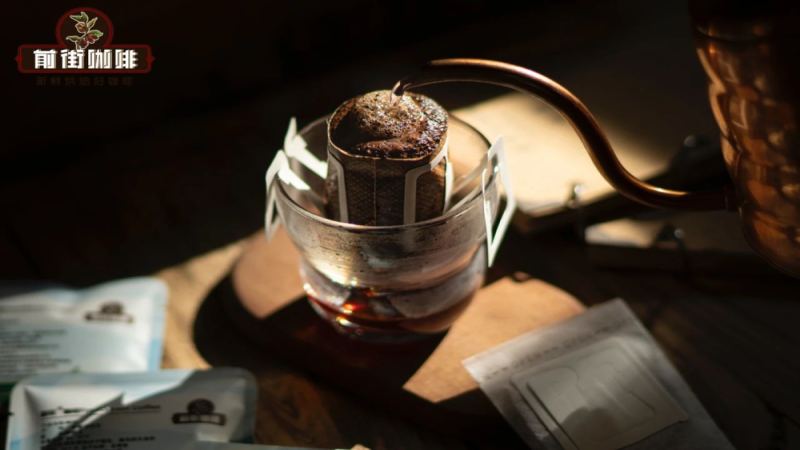
How does drip bag coffee brewing actually work?
Drip bag coffee brewing comes down to a few fixed numbers. Each bag usually holds about 10 grams of pre-ground coffee, so a ratio near 1:15 puts you around 150 milliliters of water. Use water just off the boil, around 90 to 96 degrees Celsius, pour in stages rather than all at once, and stop when the total liquid volume is reached.
The bag is a sealed filter with two paper ears that fold over the cup rim, which is what makes how to make coffee from coffee powder this simple without a grinder or scale. Grind size and pour rhythm still shape the result: a slower, steadier pour extracts more sweetness, while a fast pour keeps the cup lighter and more acidic.
Drip bag coffee has become a common choice in office and home settings thanks to its portability and ease of use. But if you want filter coffee to reveal a fuller aroma and more layers, some details are often overlooked. This article starts with the structural principles of the drip bag, systematically sorting out key parameters in the brewing process such as coffee-to-water ratio, water temperature control, pouring rhythm, and total liquid volume. At the same time, combined with multiple single-origin drip bags on the Front Street Coffee bean list, it explains purchasing directions for different flavor preferences. Whether you prefer fruity acidity or a rich, sweet aftertaste, you can find a corresponding brewing approach. The steps throughout are clear and suitable for coffee lovers who want to brew drip bag coffee better.
The production method of drip bag coffee is to first grind coffee beans into powder, then put it into a sealed filter bag. It is called "drip bag" because during brewing you need to unfold the small paper pieces on both sides of the filter bag—commonly known as the "ears"—outward and hang them on the rim of the cup for extraction. The biggest advantage of this design is that it is simple to operate, and a cup of black coffee can be obtained at any time, so it has become a coffee format many people keep on hand in the office, at home, and even while traveling.
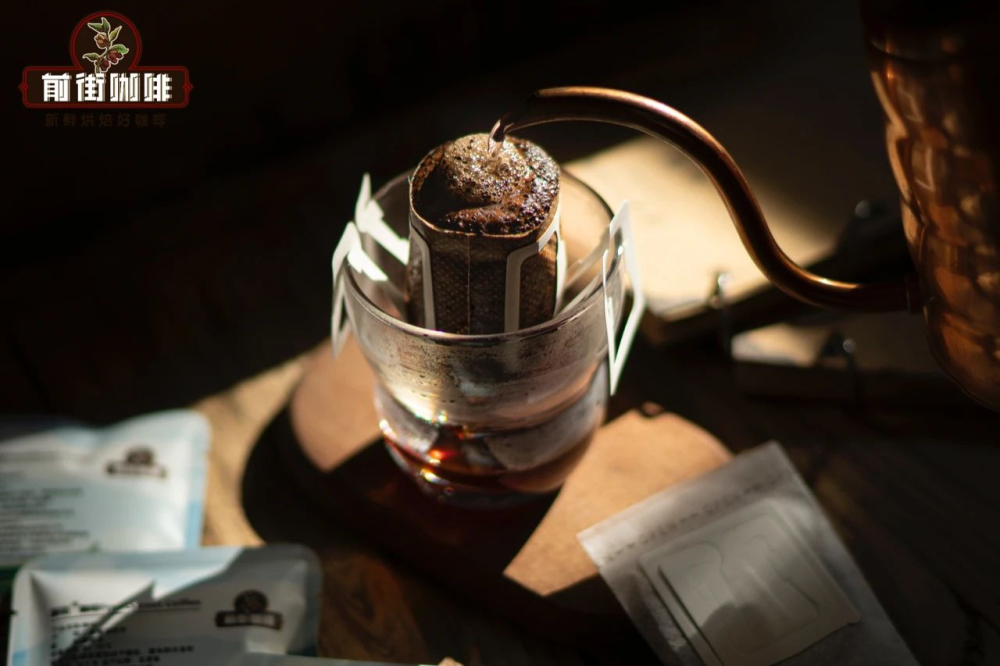
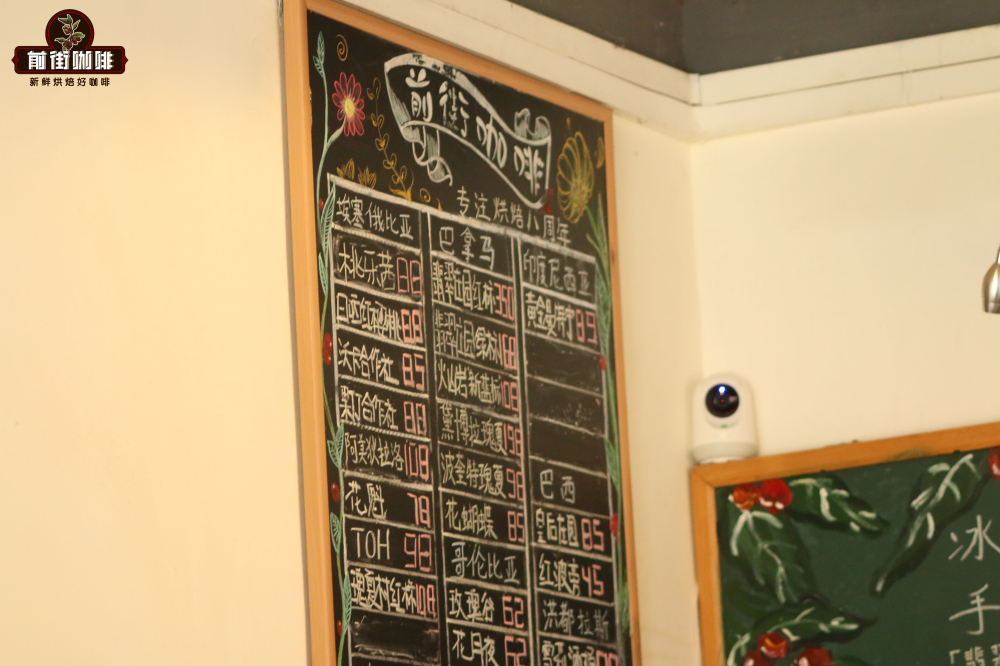
In terms of flavor choices, drip bag coffee actually offers quite rich possibilities. Taking the Front Street Coffee bean list as an example, there are more than fifty single-origin coffee beans available for making drip bags, covering different producing regions and processing methods.
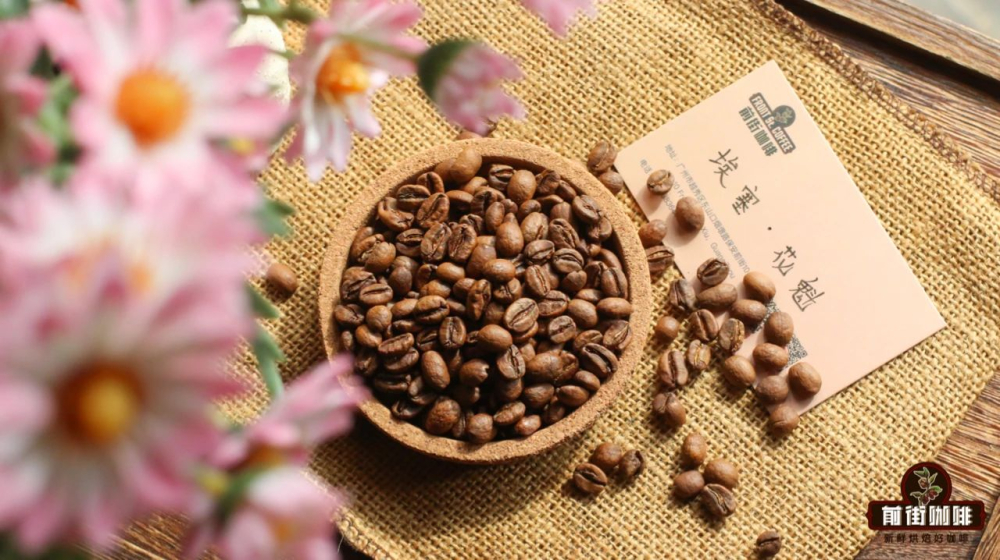
If you prefer floral or fruity notes, you can try classic fruity-acid drip bags such as Front Street Coffee Sun-Dried Huakui Drip Bag and Front Street Coffee Washed Yirgacheffe; if you value coffee's richness and sweet aftertaste more, then Front Street Coffee Indonesian Mandheling Drip Bag, Front Street Coffee Brazilian Cerrado Drip Bag, and Front Street Coffee Jamaican Blue Mountain Drip Bag and other specialty coffees featuring nutty flavors are recommended.
Brewing method sharing
1. The amount of coffee powder in a drip bag is usually clearly labeled, generally 10 grams. This saves the trouble of preparing a grinder and an electronic scale.
2. Next, determine the amount of water and water temperature. Following the convention for pour-over coffee, control the coffee-to-water ratio between 1:15 and 1:16, so the final coffee liquid in the cup should reach 140 to 150 milliliters. The water temperature should preferably be around 90°C. If conditions allow, use a thermometer or temperature-controlled kettle first; if not, you can also make a rough judgment—after the water boils, turn off the heat and open the kettle lid, let it sit for 2 to 3 minutes, and the water temperature will drop to about 90°C (assuming room temperature is 28°C).
3. Once ready, first preheat the mug with hot water, then take out the drip bag and tear open the sealed opening, unfold the "ears" at both ends of the filter bag, hang it on the rim of the cup, and gently shake the coffee powder layer flat.
4. For the first pouring, simply wet the coffee powder layer completely, then wait 30 seconds for blooming.
5. After blooming ends, begin the second pouring. Use a small stream of water in a circular motion to fill it directly. After the powder layer sinks slightly, continue pouring to full, repeating this until the coffee liquid in the cup reaches 140 to 150 milliliters. Then you can remove the drip bag and start enjoying it.
6. If you want the water amount to be more precise, you can also pour 150 to 160 milliliters of water into the pouring kettle in advance. During brewing, pour all the water from the kettle. After the coffee liquid has completely filtered into the cup, remove the drip bag. The entire brewing process can be completed in about 1 minute.
Because drip bag coffee uses pre-ground coffee powder, its flavor dissipates faster than whole coffee beans. Therefore, if you want to fully experience the coffee's aroma and flavor, it is recommended to use it up as soon as possible.
The above content is compiled by CoffeeHunters, a coffee news website.


