







How Do SOE Beans Change Espresso Extraction?
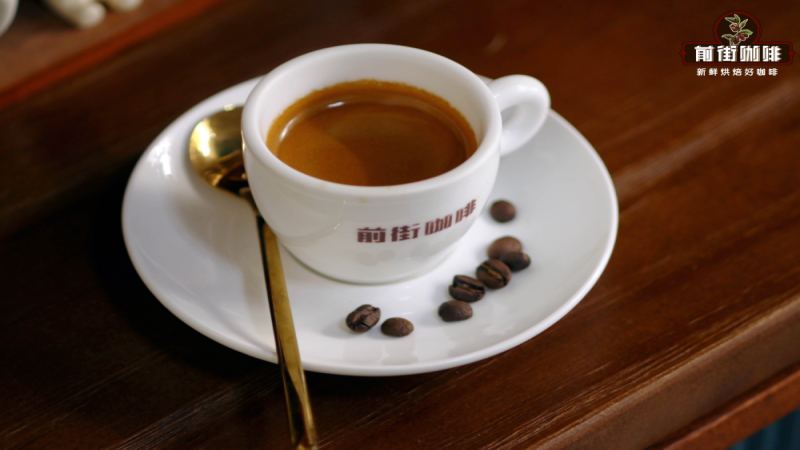
Espresso is a brewing method, not a bean type. High temperature and pressure force a roughly 30 ml shot from finely ground coffee in about 25 to 30 seconds. Extraction starts with the bean choice: blends built for pressure, or single-origin SOE beans, which show one origin's character in the cup and demand tighter control of dose, grind and yield.
The workflow runs from weighing the grounds and distributing them evenly to tamping level, then watching time and yield. The same logic applies to moka pots, which use steam pressure rather than a pump. Darker roasts usually suit pressurized brewing; a blend of Arabica and Robusta adds body and crema, while a single origin keeps the flavor cleaner and more transparent.
To make a rich, full-bodied espresso at home, a good machine alone isn't enough—choosing the right beans and mastering extraction details are just as crucial. This article starts with the classification of espresso beans, helps you clarify the difference between blends and SOE, and then breaks down the complete Espresso-making process step by step—from weighing the grounds, distributing, and tamping to controlling extraction time and yield, with specific parameters to reference at every stage. It also uses the Sunflower Warm Sun blend currently used in Front Street Coffee stores to illustrate flavor performance and blending approach, making it suitable for coffee enthusiasts who are figuring out espresso extraction to practice along with.
For professional coffee knowledge exchange and more coffee bean information, please follow Coffee Workshop (WeChat official account cafe_style)
Standing in front of the supermarket shelf choosing espresso beans, probably many people have experienced this kind of dilemma: every bag of beans looks different, some are labeled dark roast, some light roast, some are blends, some say single origin. What kind of espresso beans are actually good? There really is no unified answer to this question, but you can start by clarifying your thinking through a few basic concepts.
What exactly is espresso?
Essentially, espresso is just a brewing method. After the end of World War II, it gradually became an indispensable drink in Italians' daily lives. The beauty of this method is that even with coffee beans of ordinary quality, the conditions of high temperature and high pressure can extract a rich, thick taste from a blend of Robusta and Arabica, which is why it quickly became popular among the public.
What is the difference between espresso beans and pour-over beans?
By use, coffee beans on the market can generally be divided into two categories: one is espresso beans, specifically matched with pressure extraction, such as espresso machines and moka pots; the other is pour-over coffee beans, used for non-pressurized brewing methods such as pour-over, siphon, cold drip, and so on.
The most obvious difference between the two is the roast level—pressurized extraction usually requires a darker roast. Espresso beans are further divided into blend beans and SOE beans. Blend beans are generally made by roasters weighing cost, consistency, and flavor, selecting and mixing beans from two or more different origins.
SOE refers to single-origin espresso beans. There is no question of one being superior or inferior to the other. Many people think SOE is better quality and has more prominent flavor, but in fact, if you use high-quality single-origin beans for a blend, as long as the recipe is designed reasonably, it can absolutely taste better than SOE—it just has no advantage in cost. Take the Sunflower Warm Sun blend coffee beans currently used in Front Street Coffee stores as an example. It is blended from two single-origin beans, Honduras Sherry and Yirgacheffe Red Cherry, and presents a complex flavor of vanilla cream, sherry wine aroma, chocolate, and brown sugar.
The specific steps for making espresso
Step one: Remove the portafilter from the espresso machine, place it on the electronic scale, and remember to tare it to zero first.
Step two: Press the water button and let the machine run a short burst of water first.
Step three: If using a double portafilter, control the dose between 18 and 21 grams. Grind size has a big impact on flavor balance; in principle, espresso should be ground on the fine side.
Step four: Use your finger to gently level the coffee bed and make sure the surface is not uneven.
Step five: Place the portafilter on a clean, flat countertop, put the tamper on the portafilter, apply pressure vertically downward with your arm, and keep the force at about 20 to 30 pounds. After tamping, give the tamper a slight turn to press the puck firmly and level, so the extraction will be even.
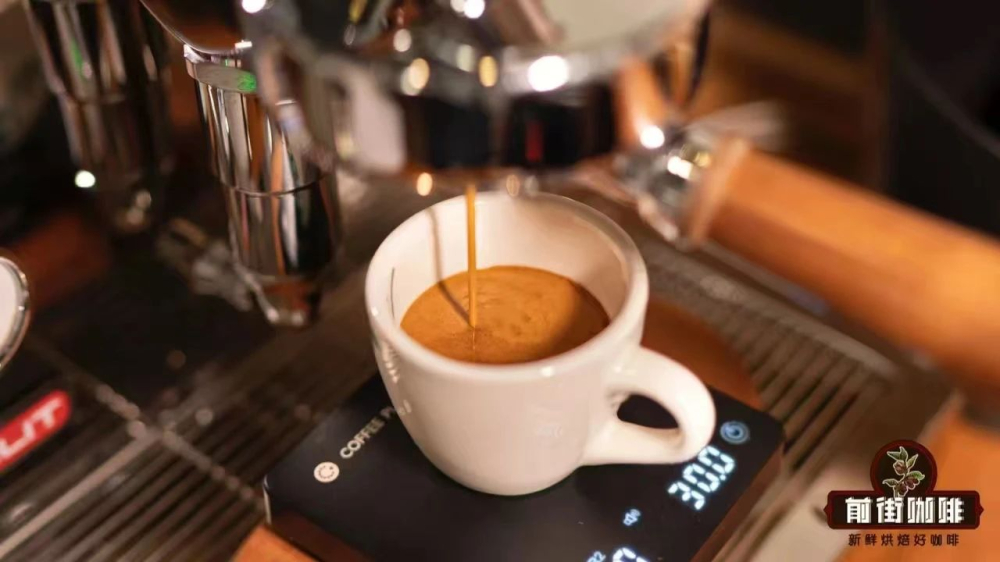
Step six: Reattach the portafilter to the espresso machine and place the cup under the portafilter. It is recommended to use a preheated ceramic cup.
Step seven: Press the water button. At first the coffee liquid flows very slowly, then gradually forms a thin stream. Extraction ends at about 30 seconds, when the flow becomes thicker and the color turns golden or yellow—this is when you should stop. The usual parameters are a coffee-to-liquid ratio of 1:2 and a time of 25 to 30 seconds.
When drinking, some people are used to stirring it before taking a sip, while others like to drink it directly to experience the layered changes—this is entirely up to personal preference.
For more specialty coffee beans, please add the private WeChat Front Street Coffee (FrontStreet Coffee), WeChat ID: kaixinguoguo0925
The above content is compiled by CoffeeHunters, a coffee news website.


