







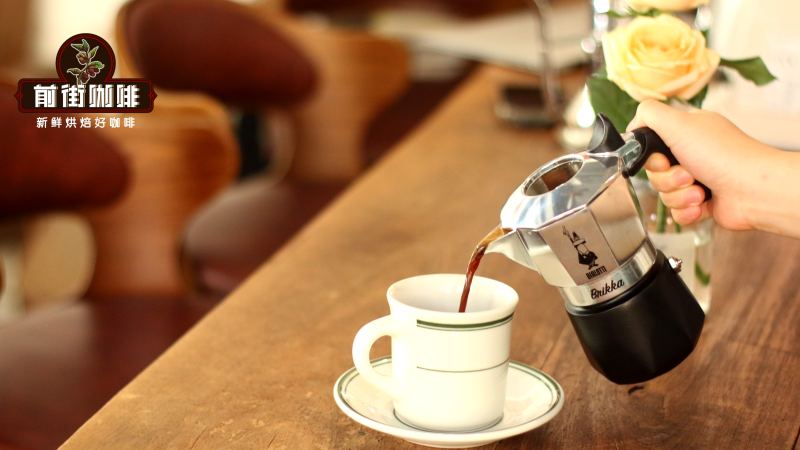
How Does a Bialetti Moka Pot Brew Coffee, and Which Beans Fit?
A moka pot brews by steam pressure. Water in the lower chamber is heated to boiling, the steam pushes hot water up through the coffee grounds in the middle basket, and the extracted concentrate rises into the upper chamber. Alfonso Bialetti invented it in 1933, and the aluminum hexagonal version became standard in Italian homes.
For bean selection, medium-dark roasts work better than light or very dark ones. Light roasts amplify acidity in this thick extraction, while dark roasts push bitterness forward; a medium-dark roast gives a more viscous mouthfeel and fuller flavor, and the carbon dioxide released also builds a layer of crema. Espresso blends are a practical starting point for beginners.
Since its invention by Alfonso Bialetti in 1933, the moka pot has become an essential coffee brewing device in Italian households thanks to its convenient operation. It uses steam pressure from the lower chamber to push hot water up through the coffee grounds, extracting a rich coffee concentrate. Although its flavor complexity doesn't match pour-over or espresso machines, it is more than practical enough for home users. This article will introduce the structure and working principle of the moka pot, the suitable roast level for coffee beans, and recommend five Front Street espresso blend coffees, covering classic bold, floral-fruity, nutty, coffee shop favorites, and high-value options, helping beginners easily find their ideal daily beans.
The moka pot was first invented in 1933 by Italian Alfonso Bialetti. Due to its simple operation, nearly every Italian household keeps a classic aluminum hexagonal moka pot. Over time, many manufacturers have introduced moka pot products with different appearances and materials based on the same principle. To brew an ideal cup of moka pot coffee, it's worth first understanding its structure and working principle.
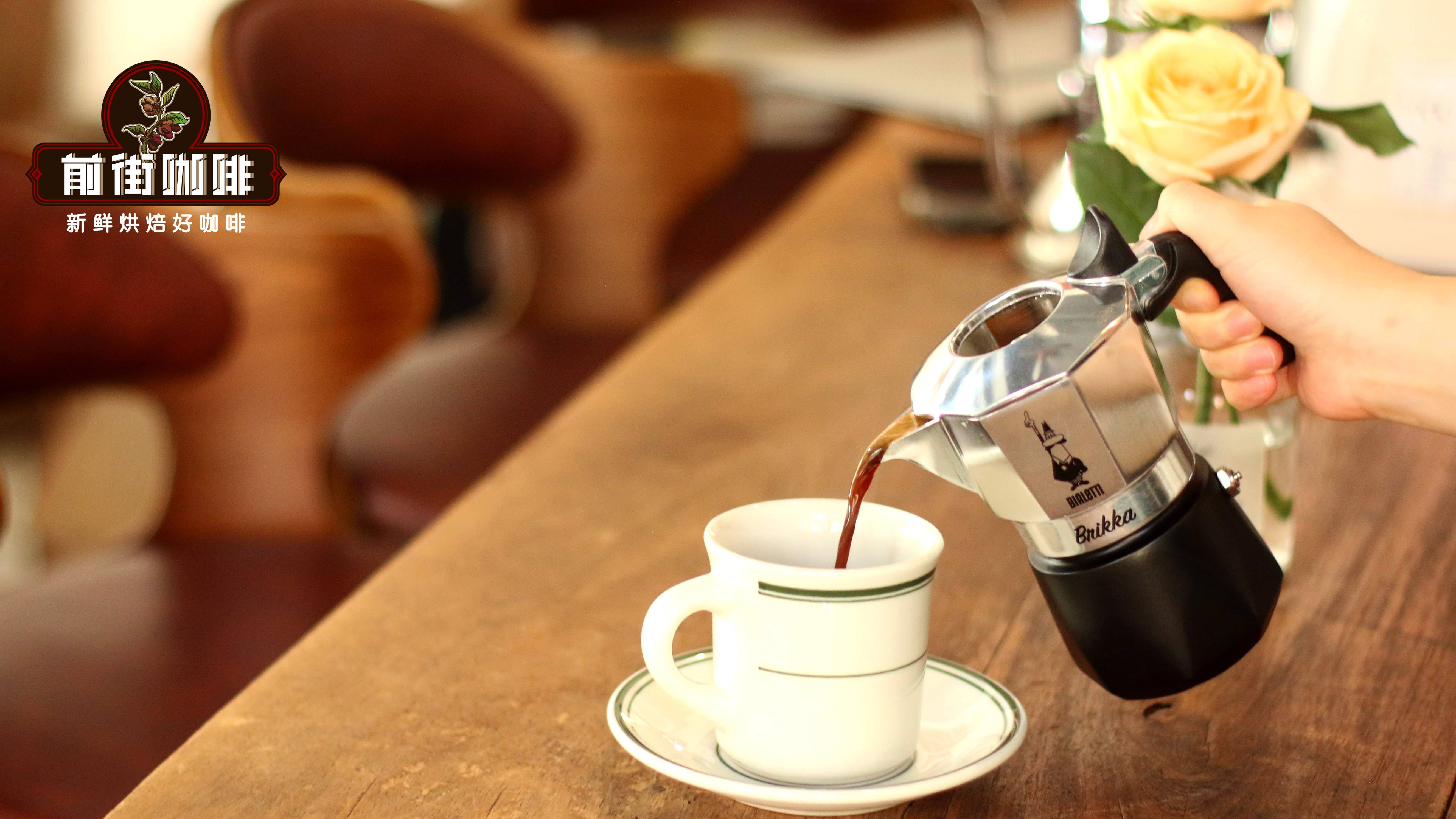
The moka pot works as follows: water in the lower chamber is heated to boiling, generating steam pressure that pushes the boiling water upward into the coffee grounds basket in the middle layer. After the hot water contacts the coffee grounds, the extracted espresso concentrate continues to rise under pressure into the upper chamber, ultimately producing a rich cup of coffee.
The flavor ceiling of coffee made with a moka pot is relatively limited—it is neither as clear and bright as pour-over coffee, nor as rich and refined as an espresso machine. Therefore, specialty coffee shops almost never use moka pots. However, as a home coffee device, its compact size allows us to enjoy freshly ground, rich coffee, which already makes it a perfect choice.
Since the moka pot extracts a relatively thick coffee, light-roasted beans would amplify the acidity, while dark-roasted beans would highlight the bitterness. Therefore, it is recommended to use medium-dark roasted coffee beans, which give a more viscous mouthfeel and fuller flavor, while the carbon dioxide gas also creates a layer of crema for the coffee. As mentioned earlier, the moka pot is a home coffee device, so there's no need to be too particular—whether the coffee tastes good and whether the price is affordable are what most people care about.
For home users, here are three espresso blends that are perfect for beginners making moka pot coffee—cheap and plentiful, absolutely the king of value.
1. Bold and Mellow: Front Street Classic Espresso Blend Coffee Beans
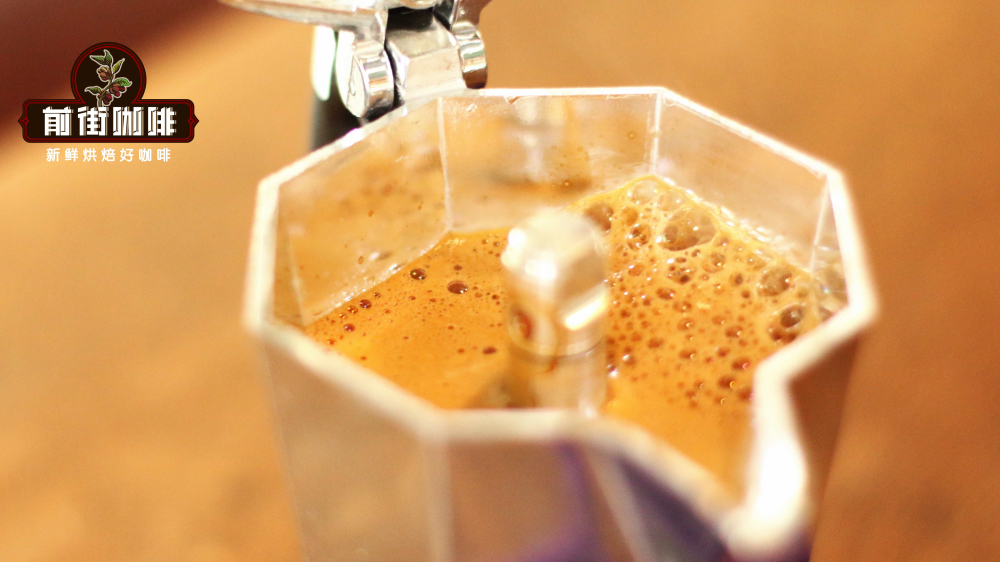
Most coffee enthusiasts have only heard of Mamba coffee but don't know its recipe or origin. In fact, Mamba is a combination of Indonesian Mandheling beans and Brazilian coffee beans, which complement and balance each other in flavor. Mamba blends were very popular in Taiwanese coffee shops in the early days, representing a kind of old-school coffee taste. Front Street Classic Espresso Blend adds Robusta beans to the Mamba recipe, fully enhancing the coffee's crema and making the espresso's body stronger. It's suitable for home brewing and also works for latte art.
2. Rich Floral-Fruity Aroma: Front Street Strawberry Candy Espresso Blend Coffee Beans
If you want to make an espresso with floral-fruity notes, focus on medium-roasted coffee beans. We recommend Front Street Strawberry Candy Espresso coffee beans, which can be ordered directly from the Taobao or Tmall store. This is a blend featuring Front Street Costa Rica Tarrazu, known for its honey processing, and Ethiopia, the birthplace of coffee, combined with Colombian coffee beans. The resulting espresso is not only smooth but also has good crema and a creamy texture under the coffee machine's extraction, with a sweet-and-sour taste like strawberry gummies. Suitable for making Americano or latte.
3. Rich Nutty Notes: Front Street Specialty Espresso Blend Coffee Beans
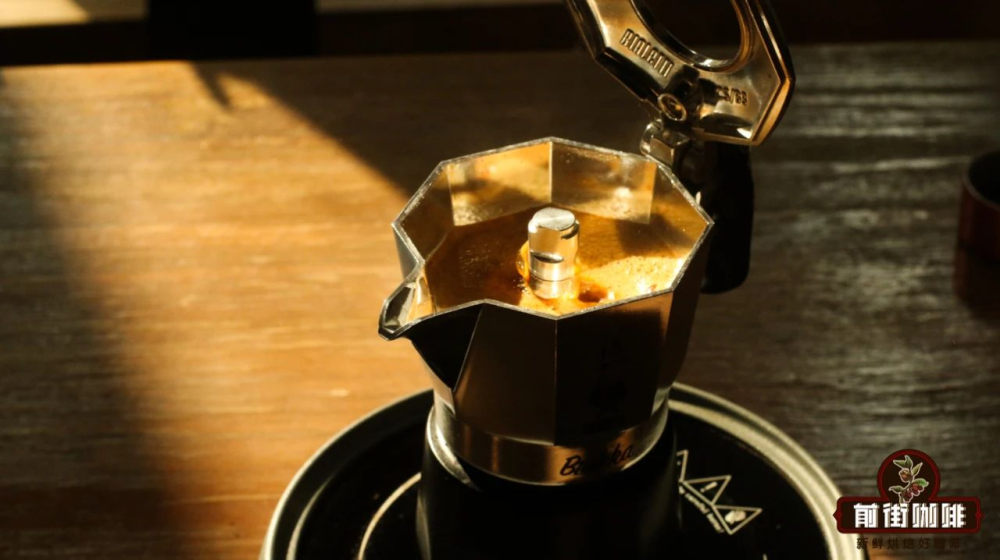
As two of the world's leading coffee-producing countries, Brazilian and Colombian coffees are already renowned. Front Street combines coffee beans from these two origins—the nutty aroma and balanced taste of Brazilian coffee plus the chocolate notes of Colombian coffee perfectly achieve a 1+1>2 effect. The extracted espresso carries flavors of cream cookies, cocoa, and roasted nuts. Suitable for those who don't like acidity, for making Americano and latte.
4. Coffee Shop Favorite: Front Street Commercial Espresso Blend Coffee Beans
If you want to recreate the same Americano or latte from a coffee shop, you can purchase Front Street Commercial Blend coffee beans. It is a blend of three major origins: Brazil, Colombia, and Vietnam. After medium-dark roasting, it has rich crema and roasted aromas. The Americano tastes sweet and smooth, very easy to drink, while the latte is rich and silky with a lingering aftertaste. It's also affordably priced, making it a daily staple bean for home brewing.
5. High Value: Front Street Basic Espresso Blend Coffee Beans
For beginners, value for money is naturally our first consideration, and this coffee can meet the needs of the vast majority of home users. It has soft fruit acidity, caramel sweetness, nutty and dark chocolate flavors, a smooth and viscous body, and is affordably priced. Suitable for those who prioritize cost and have moderate flavor requirements, whether for opening a shop or home use.
The above content is compiled by CoffeeHunters, a coffee news website.


