







How Do Beginners Pull Espresso on a Home Coffee Machine?
Espresso extraction follows the same principle whether the machine is inexpensive or costly. The basic sequence is choosing beans, distributing the grounds, tamping level, then judging the shot by extraction time. Beginners get more consistent results with an espresso blend than with a single origin, because blends are built for stability and a wider margin for error.
Blend beans combine flavors from several origins and are roasted medium or darker, which makes a thick crema easier to extract and suits milk drinks such as a latte. Most blends were originally supplied to cafés, so they often cost less than single-origin beans of similar flavor. Look for blends with high crema potential if milk coffee is the goal.
Beginners just getting into coffee making often find themselves staring at a home espresso machine with no idea where to start. In reality, regardless of whether the equipment is expensive or cheap, the extraction principle behind espresso is always the same. This article takes a beginner's perspective and breaks down the complete process—from choosing beans, distributing the grounds, and tamping, to judging extraction time—while also explaining why espresso blends are better suited for making lattes. It also draws on several blend products from the Front Street brand to provide a set of parameters you can directly reference, helping you avoid detours and consistently produce a rich, full-bodied espresso with abundant crema.
For those who are new to coffee making and still lacking in experience, choosing an espresso blend is the more reliable route to consistently producing a delicious latte.
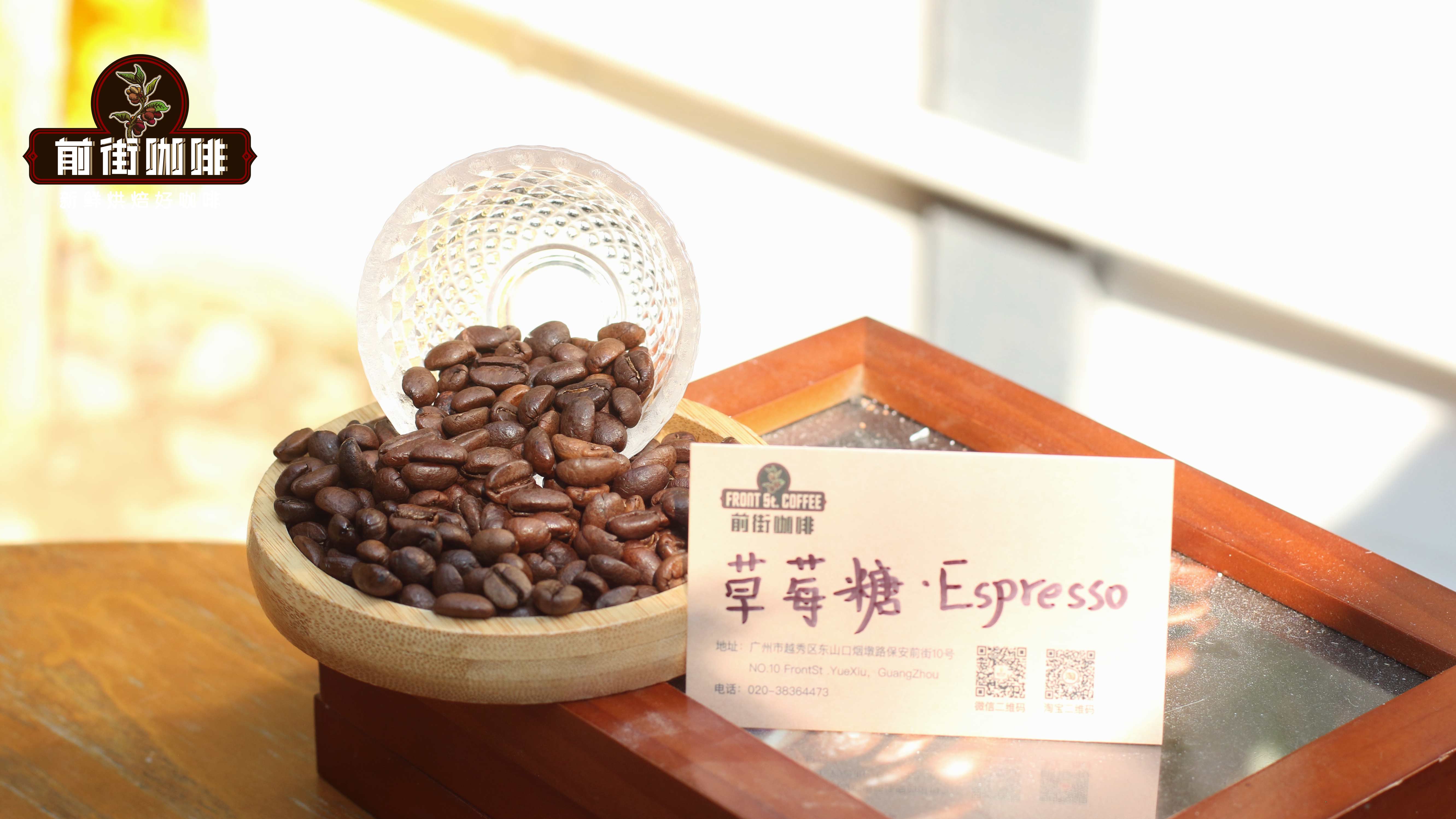
From an extraction standpoint, baristas generally recommend choosing espresso blend beans with higher stability. If you prefer a rich crema effect, you can purchase Front Street. Front Street Classic Blend or Front Street. Commercial Blend; if you value extraction stability and cost-effectiveness, the espresso bean recommended by many baristas—Front Street. Black Cocoa Blend—is a good choice; and if you prefer floral and fruity notes in your americano or latte, then Front Street. Strawberry Candy Espresso comes recommended.
Blend beans typically combine the flavor characteristics of multiple origins and undergo a medium or darker roast, making it relatively easy to extract a thick crema (beans rich in crema are better suited for milk coffee), so the espresso tastes full-bodied and rich, with a greater margin for error. In addition, most espresso blends are originally supplied to cafés, so compared to single-origin beans with a similar flavor profile, their prices are generally lower—they follow an economical, high cost-performance approach.
Here we use Front Street. Front Street Classic Blend, which offers the dual advantages of being suitable for both home use and commercial café use, for the demonstration. This Front Street. Front Street Classic Blend is intended as a tribute to the once-popular "Mamba Coffee," combining Indonesian Mandheling beans with Brazilian espresso beans. It has both the wild aroma of Mandheling and retains the smooth mouthfeel of Brazilian beans, forming a complementary and harmonious flavor. Front Street Classic Espresso Blend also adds Robusta to the Mamba recipe, significantly enhancing the coffee's crema performance and giving the espresso a more solid body—suitable for home brewing and also for latte art.
Coffee beans: Front Street Classic Blend coffee
Dose: 20g
Yield: 40g
Ratio: 1:2
Extraction time: 26–32 seconds
Grind setting: Galileo 2.0
Whether it's a thousand-yuan home espresso machine, a few-hundred-yuan "toy machine," or tens-of-thousands-yuan commercial equipment, the operating principle is actually no different, so the preparation process is largely the same.
The espresso machine used by Front Street has a double-shot basket capacity, requiring 20 grams of coffee powder each time, with the extraction ratio set at 1:2, meaning 40ml of espresso liquid is obtained within a reasonable time. (If your portafilter basket holds 18 grams of coffee powder, then extract 36ml of espresso liquid correspondingly.)
Extraction duration is closely related to the flow rate of the coffee powder, and a single extraction is typically controlled between 20–35 seconds. If it's under 20 seconds, the coffee taste tends to be thin and weak; if it exceeds 35 seconds, it's prone to over-extraction, bringing a burnt bitterness. Therefore, Front Street controls the espresso time within the 26–32 second range.
Before extraction, wipe the basket clean, turn on the grinder to grind a double shot of coffee powder, and place it on an electronic scale to weigh and adjust until it's exactly 20 grams. Then use a distribution tool to level the surface of the grounds, and use a tamper to apply force vertically downward, compressing the coffee puck firmly to ensure a more stable extraction process.
Next, turn on the extraction switch and let water run for 1–2 seconds, which both wets the group head and rinses away any attached coffee grounds. Place an electronic scale under the cup that will catch the espresso, and tare the weight to zero, keeping it under the group head during extraction.
Gently lock the portafilter onto the group head and flip down the extraction switch. Watch the changes in the extracted liquid—when the electronic scale shows the espresso has reached 40 grams and the time is around 30 seconds, flip down the extraction switch, and you'll have a rich, aromatic espresso.
If the extraction time falls between 30–35 seconds, it means the flow rate is on the slow side; for the next shot, you can appropriately reduce the coffee powder by 0.3–0.5g (since even a 0.1-step difference can noticeably affect flow rate, Front Street does not recommend casually adjusting the grind setting); if the extraction time exceeds 35 seconds, it means the grind is too fine and you need to coarsen the grind setting; similarly, if the total extraction time is 20–25 seconds, for the second shot you can directly increase the dose by 0.3–0.5g; if the time is under 20 seconds, then you need to make the grind setting finer.
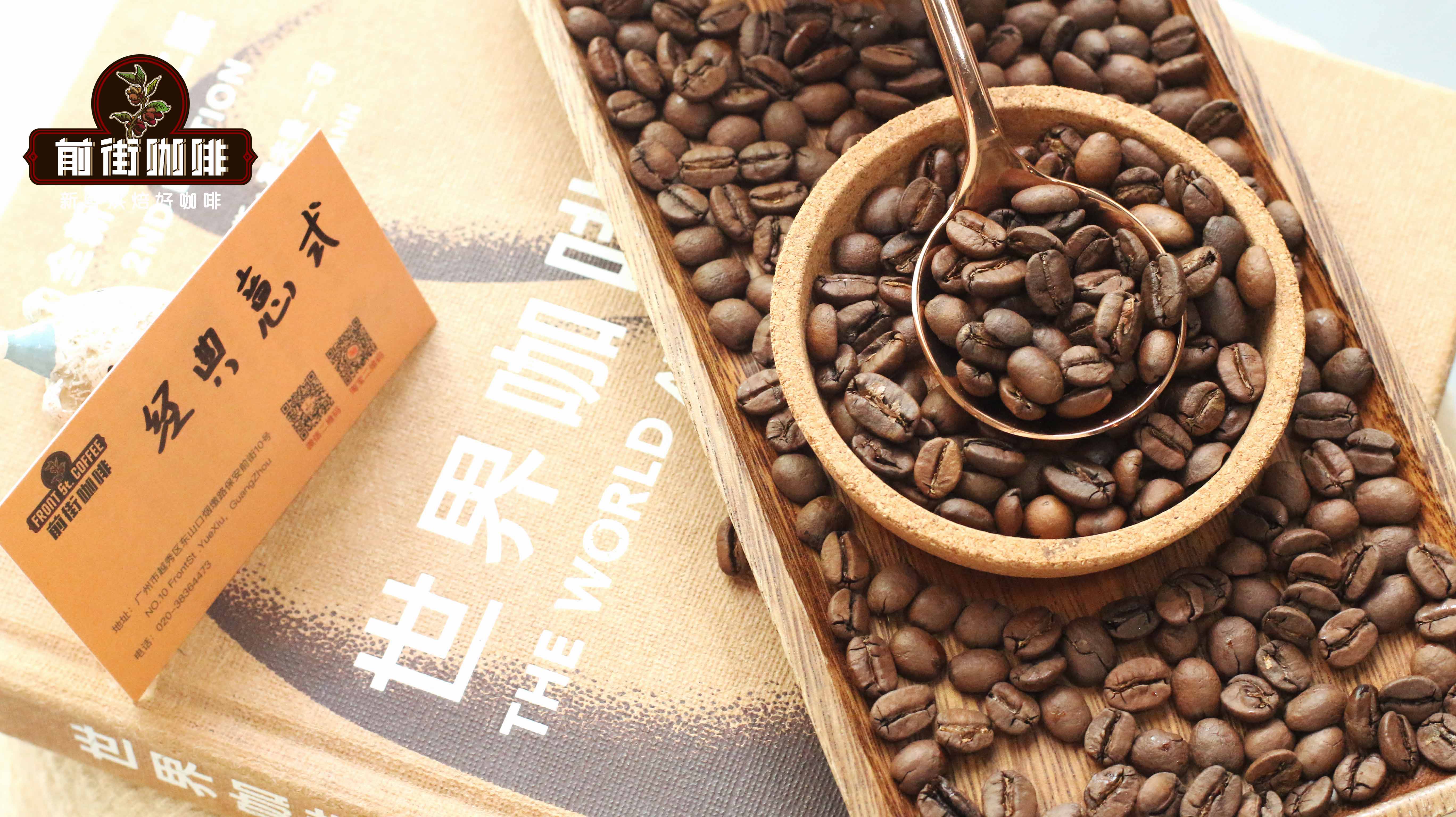
What is espresso blend coffee?
In the early days when espresso was just emerging, cafés around the world used single-origin beans, such as Mocha coffee or Brazilian coffee. Because this was the natural approach, no one specifically emphasized or explained it. As coffee consumption demand continued to grow, coffee beans from various origins became prone to inconsistent quality, with yield, quality, or flavor all potentially becoming unstable. To avoid the risks these factors posed to extraction, some merchants began combining coffee beans from different origins so they could compensate for one another.
At the same time, producers would use dark roasting to eliminate unpleasant tastes and acidity, so that even if a particular origin's batch was of lower quality, its flaws could be masked by dark roasting, and the extracted coffee crema would be even richer. So before the specialty coffee wave arrived, the raw materials used for making espresso were generally blends of coffee beans from two or more origins, with less emphasis on origin and batch. As for flavor, it was basically locked into bitter-toned profiles like caramel, dark chocolate, nuts, cream, and cocoa.
The above content is compiled by CoffeeHunters, a coffee news website.


