








How Does Coffee Beans Origin Shape Pour-Over Flavor?
Single-origin coffee beans are grouped by flavor into five broad styles: prominent floral and fruity notes, noticeable fermented character, balanced flavor, vinous aroma, and fuller body. Baristas use this grouping to match beans to a drinker's taste. Representative examples include Yirgacheffe Red Cherry Natural, Costa Rica Strawberry Candy Geisha, Brazil Queen's Farm Yellow Bourbon, Colombia Sidra and PWN Golden Mandheling.
Origin flavor comes from the coffee plant itself: altitude, variety, soil and climate all leave a mark, which is why the same variety can taste different across regions. The coffee bean process matters just as much. Natural, honey, semi-washed, anaerobic fermentation and wet-hulled methods each shift acidity, sweetness and body, so processing style is often read alongside origin when choosing beans.
Faced with a dazzling array of single-origin coffee beans, enthusiasts who are just getting into pour-over often don't know where to start. In practice, Front Street Coffee's baristas group common single-origin beans into five major categories by flavor: prominent floral and fruity notes, noticeable fermented character, balanced flavor, vinous aroma, and higher body. This classification relies on the distinctive flavors of different origins and is combined with guests' taste preferences when making recommendations. This article will focus on these five styles, introducing the representative origins and classic beans for each, including Front Street Yirgacheffe Red Cherry Natural, Front Street Costa Rica Strawberry Candy Geisha Blend, Front Street Brazil Queen's Farm Yellow Bourbon, Front Street Colombia Sidra, and Front Street PWN Golden Mandheling. It will also explain how processing methods such as natural, honey, semi-washed, anaerobic fermentation, and wet-hulled affect flavor, and finally include Front Street Coffee's brewing parameters and technique insights to help beginners build a clear approach to choosing.
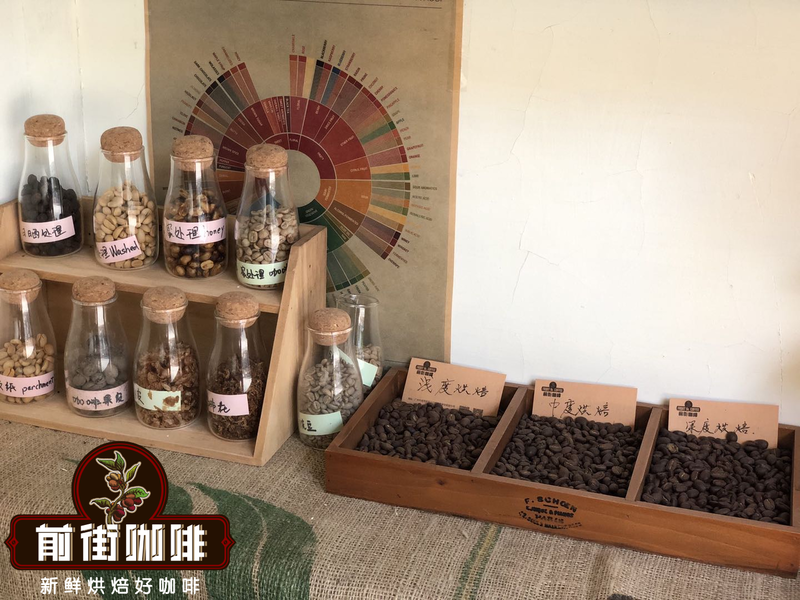
With the spread of coffee culture and the continuous growth of the market, more and more people are beginning to love coffee. At the same time, single-origin coffee has gradually become familiar to the public through the popularity of pour-over coffee. Many enthusiasts who have just stepped into the world of pour-over often feel at a loss when faced with the wide variety of single-origin coffee beans.
When recommending single-origin beans to guests, Front Street Coffee's baristas tend to divide them simply into five types: those with prominent floral and fruity notes, those with a stronger fermented character, those with a relatively balanced flavor, those with vinous characteristics, and those with a fuller body. This way of categorizing comes from Front Street Coffee's baristas' understanding of the flavor characteristics of different origins: they first ask about the guest's taste preferences and then make suggestions accordingly. So what exactly does origin flavor mean? And where do the above flavor types come from? Next, Front Street will talk about how beginners can choose single-origin coffee beans that suit their own taste.
What is origin flavor? Coffee is essentially a crop, and its flavor is affected by multiple factors such as altitude, climate, soil, cultivation methods, and green bean processing methods. Moreover, coffee is just a general term, and it is further divided into many varieties. The most common single-origin coffee beans in daily consumption belong to the Arabica species, which is further divided into specific categories such as Typica and Bourbon. These factors all shape the flavor of coffee beans from the source, which is what Front Street Coffee often calls origin flavor. Prominent floral and fruity type: Front Street recommends trying Front Street Yirgacheffe Red Cherry coffee from Ethiopia in Africa. When it comes to the most famous origins, Yirgacheffe is certainly one of them. The citrus notes and elegant floral fragrance presented by Front Street Yirgacheffe make it an introductory choice for many people getting into single-origin coffee. Interestingly, in Yirgacheffe there is a coffee variety called "Kurume," which refers to the unique type formed by coffee varieties in the region after long-term adaptation to the local climate and soil, and this also exactly reflects the origin flavor of Yirgacheffe. The Yirgacheffe region mostly uses washed processing to showcase the bright acidity of Front Street Yirgacheffe coffee beans, while in recent years natural processing has also become popular in the region. Front Street Coffee believes that the natural method can bring more prominent sweetness and ripe berry-like acidity and aroma.
Front Street Ethiopia Red Cherry Natural
Origin: Ethiopia Yirgacheffe Variety: Ethiopian heirloom Altitude: 1800-2200m Processing method: Natural Brewing flavor: lemon, licorice, citrus, berries, sweet orange; overall high sweetness, with caramel and cream in the sweet aftertaste, and a finish with black tea aroma.
This Front Street Yirgacheffe Red Cherry Natural coffee bean belongs to the Ethiopian heirloom variety. Most Ethiopian coffee varieties are named this way because local varieties are simply too numerous, like a natural gene bank of coffee: on the one hand, the varieties are so many that identification and classification are extremely difficult; on the other hand, for reasons of variety protection, the Ethiopian government is also unwilling or unable to disclose information about these varieties. However, Front Street Coffee has noticed that in this year's COE competition held in Ethiopia, new variety names beginning to appear with numeric naming among local beans.
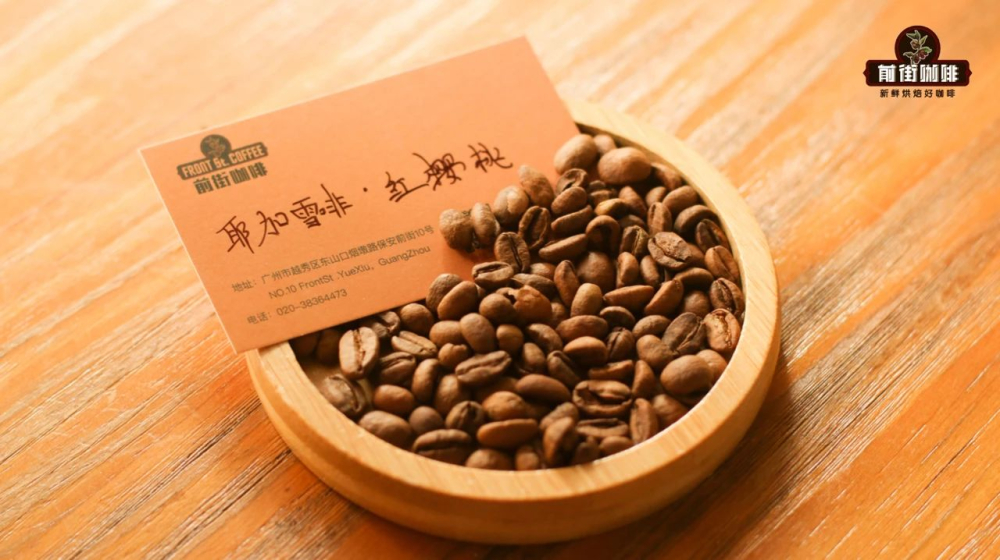
The Red Cherry Project
The so-called Red Cherry refers to the Red Cherry Project carried out jointly by local cooperatives, initiated by the Dutch trader Trabocca together with local farmers, with the aim of improving the coffee quality of small-scale farms and increasing farmers' income. During picking, only fully ripe fruit must be selected; not only is fully red, high ripeness required, but the entire harvest must also be picked by hand, yet this is only the most basic requirement. There are also corresponding standards in the coffee bean processing stage.
The Red Cherry Project is also a strengthening measure that encourages farms to invest more effort in cultivation and bean sorting and selection. These high-quality coffees naturally command relatively higher prices. The main implementation regions include Yirgacheffe, Sidamo, Bonga Forest, Lekempti, Kembata, Ilubabor, Harar, Limu, and others. These regions have unique flavors and can fully display the charm of Ethiopian coffee. However, most specialty coffee today adopts operating methods similar to the Red Cherry Project; it is just that the exclusive term Red Cherry coffee still belongs to Ethiopia, and the jute bags of Red Cherry coffee are printed with the word Trabocca.
Natural processing method
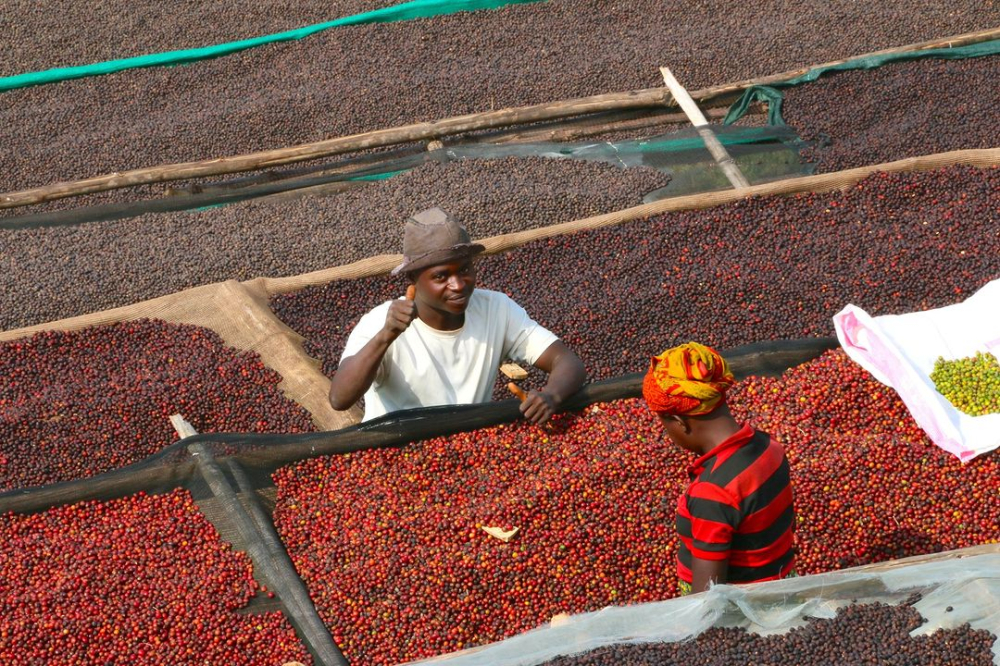
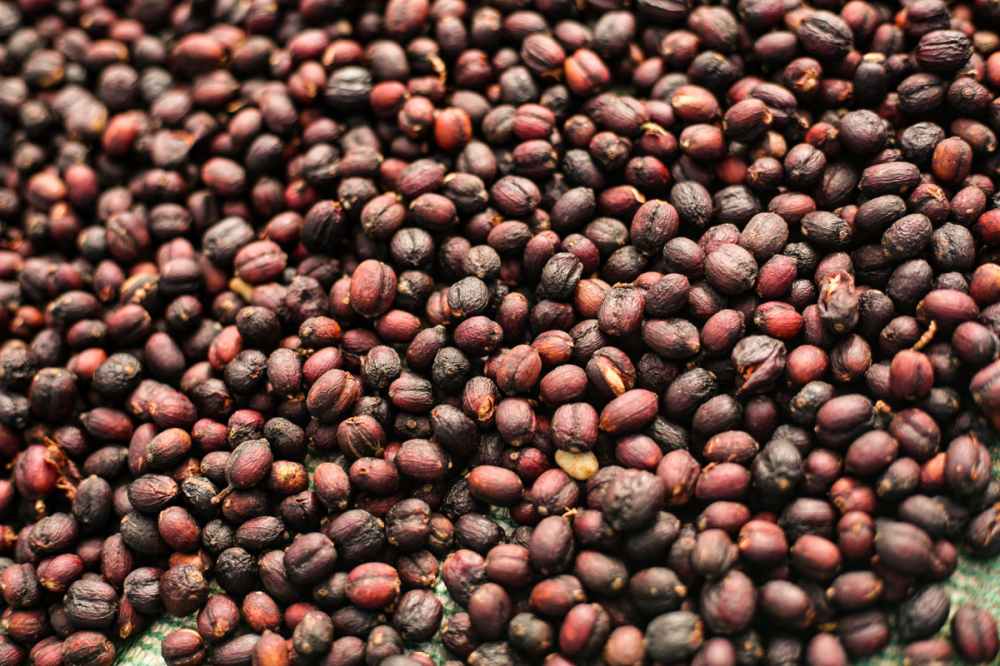
The natural processing method is also called the dry method. Hand-picked coffee cherries with high sugar content are placed on raised beds or open ground to sun-dry, during which they need to be turned and stirred at appropriate times to avoid uneven drying or excessive fermentation. After 2 to 4 weeks of complete drying, when the moisture content drops to 12%, the pulp and skin are removed with a huller.
Noticeable fermented character type: Front Street Coffee recommends Front Street Costa Rica honey-processed coffee In Costa Rica's famous Tarrazu region, the coffee has a smooth mouthfeel, relatively high acidity, hard and plump beans, and a rich aroma. Costa Rica originally mostly used washed processing, but in recent years another processing method, Mile, also known as honey processing (Honey coffee), has appeared. This method was improved from Brazil's semi-washed process to enhance sweetness, and the key is to retain the mucilage layer on the coffee beans as completely as possible. After removing the skin, the sticky coffee beans are placed on raised beds to sun-dry and air-dry for about one to two weeks, during which they must be turned once every hour so that the beans dry evenly and fully absorb the sugars in the mucilage. Front Street believes that honey-processed coffee beans have a better flavor, with balanced acidity and sweetness, and because they have undergone sun drying, the coffee's own aroma is also amplified, with a rich, full taste. The disadvantage of this processing method is that it is very risky and prone to mold and spoilage.
Front Street Costa Rica Strawberry Candy Geisha Blend
Origin: Costa Rica Tarrazu Farm: Mirazu Estate Altitude: 1700m Processing method: Raisin honey processing Variety: Geisha, ET47, SL28, MACIO Brewing flavor: the delicate fragrance of jasmine, the fermented aroma of raisins, soft fruit acidity, an almond finish, and noticeable sweetness.
Raisin honey processing Front Street Costa Rica Mirazu Geisha Blend uses raisin honey processing, retaining 100% mucilage and adopting a zero-water processing method. This increases the difficulty of honey processing and requires strict control of timing. On the day the coffee cherries are harvested, the harvested cherries are poured into a large water tank. Mature, plump fruit sinks to the bottom, while underdeveloped or overripe fruit floats to the surface, and these floating beans need to be removed.
The selected coffee cherries are placed on raised beds to dry for at least three days, then the cherry skin is removed, the mucilage is retained, and drying continues. At this stage, climate factors are the key to the success or failure of honey processing. During drying, the coffee fruit must be constantly turned to ensure even drying, but the turning frequency must be well controlled. It needs to dry slowly to ensure that the coffee undergoes fermentation processing, but not so slowly that it ferments excessively. Front Street believes that this very sweet raisin honey processing method gives the coffee a white wine-like mouthfeel and balanced acidity, with a relatively rich fermented aroma.
Balanced flavor type: you can try Front Street Brazil Queen's Farm Yellow Bourbon coffee Coffee-producing countries in the Americas each have their own strengths in flavor. Here are the flavors of several common producing origins. First is Brazil, the world's largest producer, whose flavor is clearly recognizable. Brazil mainly grows Bourbon varieties, widely planted on highland plains, and large-scale mechanized cultivation and management ensure consistency in flavor and quality. Front Street believes that Front Street Brazil coffee has low acidity, high body, and often carries chocolate and nutty flavors.
Front Street Brazil Queen's Farm coffee beans
Origin: Mogiana Variety: Yellow Bourbon Altitude: 1400-1900m Processing method: Semi-washed Brewing flavor: rich nutty and dark chocolate flavors, fermented fruit, obvious sweetness, with a light lemon aroma, and an overall relatively round impression.
Semi-washed processing method
Semi-washed means removing the skin and pulp of the coffee cherries, which allows control over the fermentation degree of the mucilage-covered coffee beans after pulping. Traditional natural processing, by contrast, dries the beans with the skin and pulp still on, making it impossible to see the fermentation degree of the mucilage. The semi-washed method lies between natural and washed processing, but it does not have the washed process's "tank fermentation and clean water rinsing" steps; instead, the beans are taken directly into the sun to dry. Although the methods may seem similar, without the fermentation step the flavor of the coffee beans becomes completely different. In the process of removing the skin and pulp in semi-washed processing, fully ripe pulp is easy to remove, while the skin of unripe green cherries is not easy to handle, so a second sorting can be carried out to filter out unripe fruit and unify the ripeness of the coffee fruit. Compared with the natural method, Front Street believes that coffee beans selected and processed in this way will have improved cleanliness and ripeness, resulting in coffee with a more uniform mouthfeel.
Type with fermented aroma characteristics: you can try Front Street Colombia Sidra
Anaerobic fermentation processing is a method in which coffee beans are fermented in an oxygen-free or low-oxygen environment. The processing methods mentioned above by Front Street all belong to natural fermentation, and it is very difficult to control the coffee flavor, so there are many uncertain factors. For example, in the tank fermentation process of washed processing, will excessive fermentation occur and make the coffee beans too sour? Or in the natural drying process, will too long a drying time cause the mucilage to ferment and produce other undesirable flavors? These are extremely difficult to control and can only depend on luck.
It is precisely because of this that anaerobic fermentation processing emerged. Its processing method generally involves placing coffee beans into pressure-resistant sealed stainless steel tanks and controlling temperature, time, pH, and the required fermentation process artificially to achieve the coffee flavor the producer wants. To taste the rich fruity aroma brought by anaerobic fermentation, Front Street Sidra is the first choice; Front Street Sidra naturally carries rich flavors of passion fruit, grapes, apricot, and candied fruit.
Higher body type: you can try Front Street PWN Golden Mandheling coffee beans from Indonesia Among Asian beans, Indonesia is the most common. When talking about Indonesian beans, the first thing that comes to mind is the bittersweet, rich, and aromatic Mandheling coffee. Indonesia's island monsoon climate and fertile volcanic soil are very suitable for coffee growth. However, due to historical reasons, leaf rust swept through Indonesia's Typica, and Indonesia also introduced disease-resistant varieties such as Robusta, Tim Tim, and Catimor. But the best in flavor is Sumatra Typica. Because the local area is humid and rainy, Indonesia uses the wet-hulled processing method, and because the largest market for Indonesian Mandheling is Japan (Japanese people prefer Mandheling's full-bodied, rich bitterness), this also created the flavor profile of the Indonesian origin: herbal, dark cocoa, nuts, spices, earthy notes, and a full body.
Front Street Indonesia Front Street PWN Golden Mandheling
Origin: Indonesia Sumatra Altitude: 1100-1600m Variety: Ateng Processing method: Wet-hulled Brewing flavor: layered and changeable, full-bodied and clean, highly balanced, with rich nutty and caramel aroma, chocolate notes, and a lasting finish.
The Front Street Golden Mandheling on Front Street's bean list comes from the well-known Indonesian coffee company Pwani Coffee Company, or PWN for short. A Japanese company registered "Gold Top Mandheling," also known as Top Golden Mandheling. In terms of flavor performance, there is actually not much difference between the two, but because the brands are different and the merchants' marketing strategies are different, it is also possible that public opinion has changed as a result, so which of the two Golden Mandhelings is better is a matter of opinion. PWN was the first company to export Golden Mandheling to Japan.
Wet-hulled processing method
Because the local weather is mostly rainy, with continuous typhoons, it cannot achieve the good weather required for natural drying, and the local economy is not good either, so it also cannot use the more expensive washed method. Under various reasons, the highly local wet-hulled method emerged (wet-hulled processing means that during the ordinary washed processing process, the beans are sun-dried with parchment for 2-3 days until the moisture content reaches 20-24%, and then the parchment is removed).
The extremely fast speed of wet-hulled processing also causes Mandheling to have a relatively high defect rate, and Front Street Golden Mandheling does a good job of avoiding this disadvantage. The specification of Front Street Golden Mandheling is 19 screen and above, with fewer than 3 defective beans (in a 300g green bean sample), belonging to the highest grade G1. The color is darker green, and the shape is neat flat beans.
Front Street Coffee brewing insights For brewing Front Street Yirgacheffe Red Cherry Natural coffee beans, Front Street Honduras Sherry coffee beans, and Front Street Costa Rica Mirazu Strawberry Candy Geisha Blend coffee beans, Front Street uses a V60 dripper. Grind size: EK43s setting 10 (80% passing a No. 20 sieve) Water temperature: 90-91°C Water-to-coffee ratio: 1:15
Front Street Coffee uses staged extraction, also called three-stage brewing: use 30 grams of water for a 30-second bloom, then pour in a small stream in circles until 125 grams for the first stage; when the water level drops and is about to expose the coffee bed, continue pouring until 225 grams and stop; when the water level drops and is about to expose the coffee bed, remove the dripper. (Start timing at the beginning of the bloom.) The extraction time is 1'55"-2'00".
For brewing Front Street Brazil Queen's Farm coffee beans and Front Street PWN Golden Mandheling coffee beans, Front Street uses a Kono dripper. Grind size: EK43s setting 11 (75% passing a No. 20 sieve) Water temperature: 88-89°C Water-to-coffee ratio: 1:15
Front Street Coffee uses staged extraction, also called three-stage brewing: use 30 grams of water for a 30-second bloom, then pour in a small stream in circles until 125 grams for the first stage; when the water level drops and is about to expose the coffee bed, continue pouring until 225 grams and stop; when the water level drops and is about to expose the coffee bed, remove the dripper. (Start timing at the beginning of the bloom.) The extraction time is 2'05"-2'15". As for grind size, Front Street determines it through sieving. Based on the grind recommendations provided by the Specialty Coffee Association of America (SCA) for pour-over coffee, Front Street then verifies them in combination with actual practice. If there is no sieve at home, Front Street Coffee suggests judging by observing the flow rate: if the flow is too fast, the grind is coarse; if the flow is too slow, the grind is fine.
The above content is compiled by CoffeeHunters, a coffee news website.


