







How Does the Coffee Grading System Work for Blue Mountain?
Jamaican Blue Mountain coffee grades are set by the Coffee Industry Board, which also defines the zones where the beans may be grown. Only Typica plants cultivated inside those demarcated areas can carry the Blue Mountain name. The top tier is Blue Mountain No. 1, based on bean size and cup quality, followed by lower numbered grades and the separate Jamaica Blue Mountain and Jamaica High Mountain categories.
The grading reflects a full coffee grading system: bean screen size, defect count and cupping evaluation all matter. Blue Mountain No. 1 is a typical benchmark, traditionally shipped in wooden barrels to protect the beans. Backyard-grown Typica within the approved Blue Mountain region may be labeled Blue Mountain, while beans from outside those parish boundaries cannot use the name.
Jamaican Blue Mountain coffee was once hailed as the "King of Coffee" and remains a classic in the hearts of many coffee enthusiasts today. But not all coffee produced in Jamaica can bear the name "Blue Mountain"—only Typica grown within the zones demarcated by the CIB qualifies. This article will walk through the terroir conditions of the Blue Mountain region, the historical origins of the Typica variety, the CIB's grading standards, and Blue Mountain No. 1's cupping performance and barrel-packaging tradition, sorting out Jamaica's coffee grading system and its unique features one by one. At the same time, Front Street Coffee will share the pour-over extraction parameters and flavor experience of Blue Mountain No. 1, giving you a comprehensive understanding of this elegant and composed classic coffee.
Jamaican Blue Mountain coffee once enjoyed the reputation of "King of Coffee," and even people who normally don't touch coffee have mostly heard its name. Although its popularity has declined somewhat in recent years, its elegant and composed aroma still fascinates many coffee lovers.
Is Blue Mountain coffee on the bitter side or the acidic side? Why not brew a cup and find out for yourself.
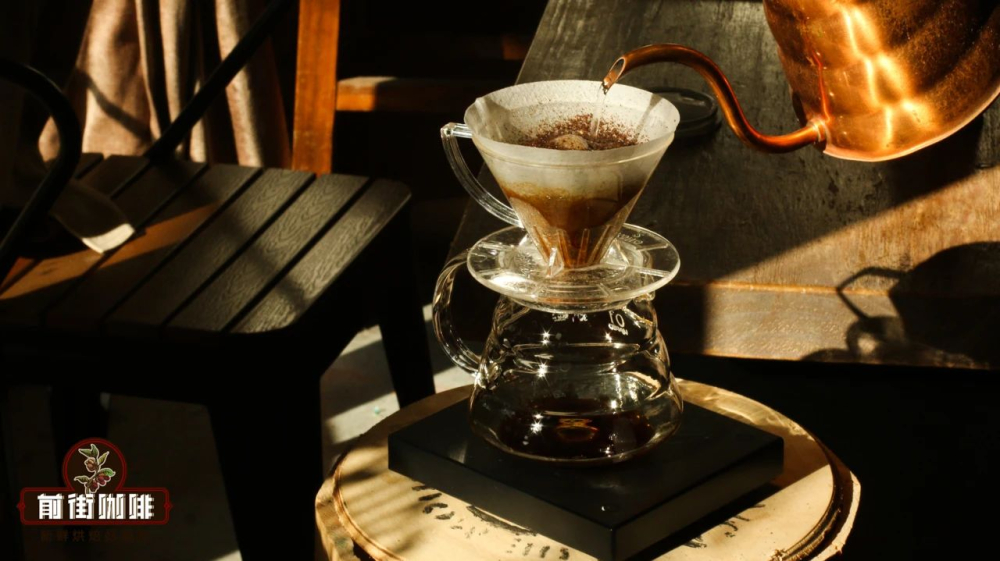
To highlight the rich, mellow mouthfeel of Blue Mountain No. 1, Front Street Coffee chose the KONO dripper for extraction. The guiding ribs of this dripper are less than half the height of the cone, and the purpose of this design is: after the filter paper is wet, it clings tightly to the wall of the dripper, thereby restricting airflow and extending the contact time between coffee grounds and water, ultimately making the extracted coffee more uniform overall.
The brewing recipe is as follows: 15 grams of coffee grounds, a 1:15 coffee-to-water ratio, grind size set to EK43s setting 10.5 (75% passing rate on the Chinese No. 20 standard sieve), water temperature controlled at 87–88°C, using a staged pouring extraction.
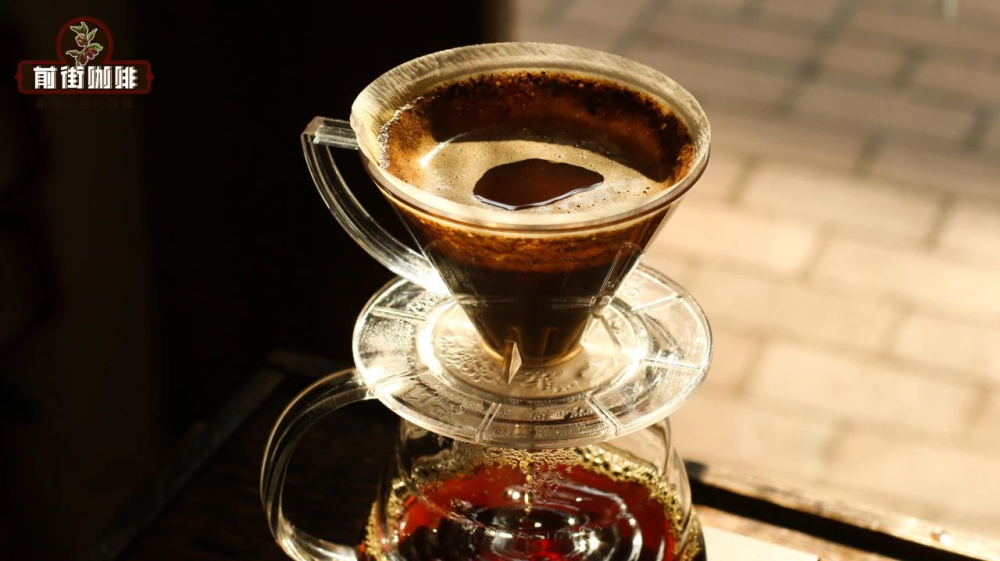
First place the filter paper into the KONO dripper, pour water to rinse and wet the filter paper while making it adhere to the dripper wall. Then add the coffee grounds and gently tap the dripper to distribute the coffee bed evenly. For the first stage, pour 30 grams of water in a soft, thin stream for the bloom, lasting 30 seconds; for the second stage, pour until about 125 grams, maintaining an even and steady outward spiral. When the coffee liquid level drops to halfway, pour the final stage up to 225 grams, and wait for all the coffee to finish dripping; the total extraction time is about 2 minutes.
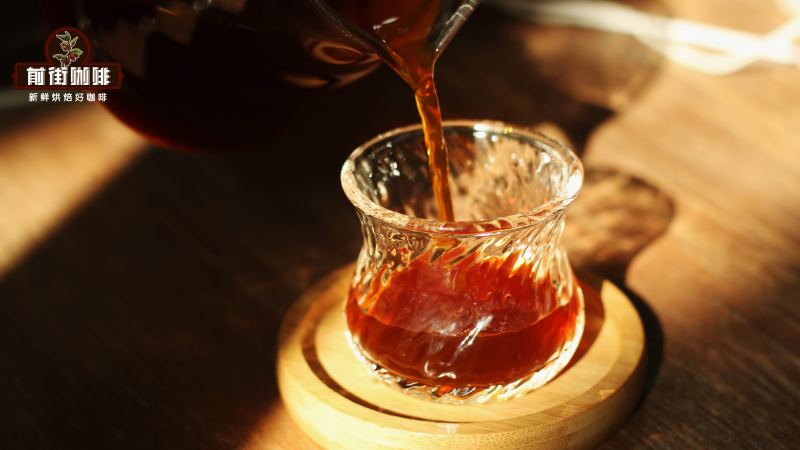
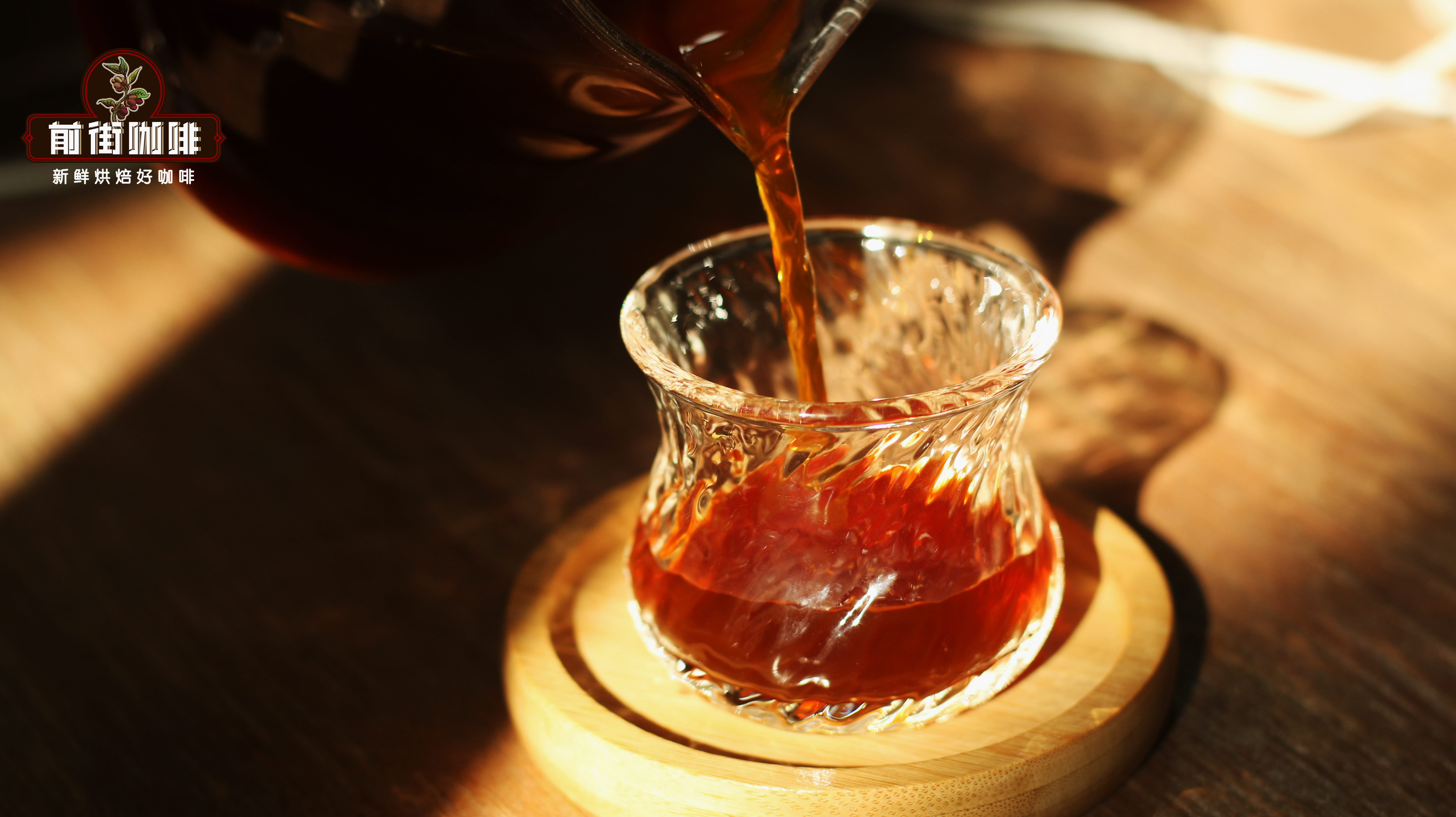
The pour-over Blue Mountain No. 1 presents a base of dark chocolate and nuts, with a very rich, mellow mouthfeel and a clearly recognizable almond-like sweetness in the finish. As the temperature gradually drops, a roasted hazelnut and creamy, silky sweetness emerges, accompanied by a gentle acidity and caramel sweetness; the aroma lingers in the mouth for a long time, rich and full in layers, leaving a deep impression. Next, carrying this memory on the palate, let's follow Front Street Coffee into the Blue Mountain region and learn about its true character.
Why is Jamaica so suited to growing coffee?
The Blue Mountain range sits in the eastern part of the island of Jamaica in the Caribbean Sea. The entire mountain body is surrounded by seawater, and under sunlight it gives off a blue halo—this is where the name "Blue Mountain" comes from. Far from the noise of the city, its highest peak rises over two thousand meters above sea level, making it a famous local tourist destination. Fertile volcanic ash soil, abundant sunlight and rainfall provide rich nutrients for crops growing here, and locals often plant coffee together with bananas and avocados.
Compared with other crops, coffee is far more delicate and demanding: it requires a warm, humid environment without frost and sufficient nutrients, as well as appropriate shade conditions. The high peaks of Blue Mountain are surrounded by clouds and mist year-round, shrouding the coffee farms and creating exceptional natural conditions for coffee growth. Moreover, the variety of Blue Mountain coffee is the especially pampered Typica, and the unique microclimate of the Blue Mountain range deserves much of the credit for allowing Typica to take root in such a terroir and develop its superb aroma.
Typica was introduced to Jamaica in the 18th century by Sir Nicholas Lawes and soon spread to the Blue Mountain region for cultivation, giving it a history of more than two hundred years. Blue Mountain Typica has also adapted to the local island-type tropical rainforest climate, evolving stronger disease resistance—especially against coffee berry disease, where it is considerably stronger than ordinary Typica. Excellent variety, growing environment, green bean quality, and processing methods together create the highly balanced and harmonious flavor of Blue Mountain Typica coffee.
The rugged terrain of the high-altitude Blue Mountain area makes management and picking quite difficult and places high demands on the skill of pickers, which also limits production to a certain extent. In recent years, less than 15% of the coffee beans produced in Jamaica can bear the Blue Mountain coffee label—only about 900 tons. After picking, the coffee cherries are immediately sent to processing plants for processing. This is also one of the reasons Blue Mountain coffee is especially precious.
Many friends may have heard a saying: "Authentic Blue Mountain coffee has all been monopolized by Japan." This claim is not entirely unfounded. UCC is a Japanese coffee company whose predecessor was Ueshima Coffee Co., Ltd. In 1981 it established a farm in Jamaica to operate a Blue Mountain coffee project, and the Jamaican side promised to sell 90% of the Blue Mountain coffee quota to Japan. Combined with Japan's vigorous promotion of Blue Mountain, this created a situation where Blue Mountain was expensive and hard to obtain. Today, with coffee culture flourishing, drinking a cup of Blue Mountain coffee is no longer difficult. At Front Street Coffee, 60 yuan will get you a cup of pour-over black coffee made with Blue Mountain No. 1.
Not all Jamaican coffee can be called "Blue Mountain coffee"
The CIB has demarcated an area of about 6,000 hectares within the Blue Mountain range and strictly stipulates that only Typica coffee produced within this area is eligible to be called "Blue Mountain coffee." Coffee from other areas can only be called High Mountain coffee or Jamaica Prime coffee.
According to the boundaries demarcated by the CIB, the forest zones where Blue Mountain coffee is grown lie at roughly 910–1,700 meters above sea level, mainly distributed across St. Thomas, St. Mary, St. Andrew, and Portland, accounting for about one-third of the entire Blue Mountain growing area.
In terms of green bean quality control, the CIB has set standards for the cultivation, production, and sales stages of Jamaican Blue Mountain coffee in order to improve coffee quality, standardize production and processing procedures, and coordinate the marketing of Blue Mountain coffee. The CIB is also responsible for the grading and quality inspection of coffee produced in the Blue Mountain range. In other words, Blue Mountain coffee sold around the world must pass CIB certification and carry its label.
Compared with other coffee origins, Jamaica was the earliest country to recognize coffee's "taste of place." The standards for evaluating Blue Mountain green bean quality involve multiple dimensions: green bean size, defect rate, color, uniformity, and post-roast cupping performance (including dry aroma, wet aroma, acidity, flavor, body, cleanliness, etc.).
Based on all the above standards, Blue Mountain coffee is divided into 4 grades, from highest to lowest: Blue Mountain No. 1, Blue Mountain No. 2, Blue Mountain No. 3, and Blue Mountain Peaberry. Top-grade Blue Mountain No. 1 green beans must reach a screen size of 17 or above, with a defect rate below 3%, moisture content around 13%, and in cupping must present a rich coffee aroma, a smooth and balanced mouthfeel, low acidity, and a long-lasting sweet finish.
Which packaging counts as authentic for Blue Mountain No. 1?
After quality inspection, Blue Mountain coffee beans are shipped in containers of different materials according to grade. Blue Mountain No. 1, No. 2, and No. 3 are the only coffees in the world exported in wooden barrels, available in three sizes: 70 kg, 30 kg, and 15 kg. Other grades of Jamaican coffee are exported in 60 kg burlap sacks.
Compared with coarse burlap sacks, the advantage of oak barrels is that they can absorb and release internal and external moisture while isolating the coffee aroma from escaping, keeping the beans at a more stable moisture content and thereby making the roasting process more consistent. Later, the barrel also became one of the symbols for identifying authentic Blue Mountain coffee. In Front Street Coffee's shop, a barrel used to transport Blue Mountain No. 1 green beans is on display.
Distributors producing Blue Mountain coffee must obtain a license from the Jamaican government and authorization from the Jamaica Coffee Board. All Blue Mountain lots exported from the country must also undergo the Coffee Board's quality inspection and certification and carry its label. Front Street Coffee's Blue Mountain No. 1 is produced by Clifton Mount Estate and comes with a quality certificate issued by the Jamaica Coffee Board, an authorized sales certificate issued by the Blue Mountain coffee producer, and a certificate of origin for Jamaican Blue Mountain coffee.
When Front Street Coffee receives Blue Mountain No. 1 green beans, the beans are uniform and plump, consistent in size, and overall a translucent blue-green. Front Street Coffee uses a medium-dark roast to maximize Blue Mountain's chocolate and nut aromas while preserving gentle acidity and sweetness, bringing the overall taste into balance. After the fresh roast was completed, Front Street Coffee immediately cupped it: the dry aroma had nuts, melon, and chocolate; after pouring in hot water, oolong tea, caramel, honey, and dark chocolate could be smelled. On the palate there were rich dark chocolate, roasted hazelnut, cream, and dark brown sugar flavors—clean and clear, with a mellow mouthfeel and a lasting aroma. So that everyone can experience these aromas, all coffee beans shipped by Front Street Coffee are guaranteed to be freshly roasted within 5 days, arriving at the perfect stage for enjoying their flavor.
The above content is compiled by CoffeeHunters, a coffee news website.


