







Which Coffee Bean Origin Matches Your Taste?
Ten representative origins cover the world's three main producing regions: Panama Geisha, Jamaica Blue Mountain, Indonesia Mandheling, Ethiopia Yirgacheffe, Kenya K72, Costa Rica honey process, Brazil Yellow Bourbon, Guatemala, Papua New Guinea, and Ethiopia Gesha Village. Each one shows distinct terroir, variety, and processing: washed beans give transparent acidity and a clean mouthfeel, natural beans bring tropical fruit sweetness, and honey processing lands between the two.
Panama Geisha is the benchmark for floral and fruity aromatics, and the variety traces back to 1931. Matching a coffee bean origin to a drinker starts with expectations for flavor and mouthfeel, since density, variety, and processing decide what ends up in the cup. The roundup pairs each region with recommended beans and brewing performance as a selection guide.
The splendor of the coffee world often lies in the flavor differences brought about by different origins and processing methods. Some people prefer the bright acidity and clean mouthfeel of washed beans, some are fond of the full tropical fruit character of natural beans, and others cannot forget the sweet, balanced quality of honey-processed beans. Faced with a dazzling array of choices, it is often difficult to know where to begin. This article systematically sorts through ten of the most representative coffee-producing countries and varieties across the world's three major producing regions, covering Panama Geisha, Jamaica Blue Mountain, Indonesia Mandheling, Ethiopia Yirgacheffe, Kenya K72, Costa Rica honey process, Brazil Yellow Bourbon, Guatemala, Papua New Guinea, and Ethiopia Gesha Village, analyzing their flavor characteristics and processing methods one by one, and attaching Front Street Coffee's corresponding recommended bean selections and brewing performance, to provide coffee lovers with a bean-selection guide that is both informative and practical.
There are so many types of coffee beans that choosing among them is truly dazzling. The terroir conditions, variety characteristics, and processing methods of each origin are different, and the taste ultimately presented in the cup also varies greatly. When facing people with different taste preferences, it is often necessary to first understand their specific expectations for flavor and mouthfeel before making a suitable recommendation. For example, washed processing usually shows a profile of transparent acidity and a clean mouthfeel; natural processing tends toward the sweetness of tropical fruits and a slight fermented aroma, rounded and rich on the palate; honey processing carries a charm similar to wine and dried fruit, achieving a balance between sweetness and acidity. Below, Front Street Coffee (FrontStreet Coffee) introduces one by one representative coffee beans from the world's three major producing regions, covering different producing countries and processing methods.
1. Panama - Geisha (the ultimate pursuit of floral and fruity aromas and a clean, sweet mouthfeel)
Geisha is now one of the benchmark varieties in the specialty coffee world, and the Geisha widely recognized as the highest quality mostly comes from Panama. However, the origin of this variety can be traced back to 1931, when it was first discovered in the Geisha forest of Ethiopia, then sent to a coffee research institution in Kenya, introduced to Uganda and Tanzania around 1936, and brought to Costa Rica in 1953. Panama began planting Geisha in the 1970s.
The turning point came in 2004, when Daniel Peterson, the owner of Panama La Esmeralda, entered Geisha in the Panama coffee bean cupping competition and rose to fame overnight. From then on, Geisha became globally renowned. The cupping performance of this variety is extremely impressive: full sweetness, an exceptionally clean mouthfeel, and rich layers of aroma, extending from berries and citrus all the way to mango, papaya, and peach. Its signature bergamot finish is also a typical characteristic, making it worthy of being called the finest among coffee varieties. Compared with traditional coffee beans, Geisha has moderate body, outstanding sweetness, distinct layers of tropical fruit flavor, and a rose-like aroma that lingers long in the aftertaste.
Recommended coffee: Front Street Panama La Esmeralda Green Label Geisha Coffee Beans Region: Boquete, Panama Estate: La Esmeralda Altitude: 1600-1800m Processing method: Washed Variety: Geisha Brewing flavor: Rich jasmine aroma on entry, high sweetness, citrus, berries, juicy mouthfeel, cream, green tea, orange peel, cantaloupe; the overall flavor is layered and rich, with a lasting finish of floral and citrus notes.
2. Jamaica - Blue Mountain (a model of balance among acidity, bitterness, and sweetness)
The Blue Mountains are located in the eastern part of the island of Jamaica. Whenever the weather is clear, sunlight shines directly on the Caribbean Sea, and the peaks reflect the blue glow refracted by the seawater, which is how the Blue Mountains got their name. The main peak of the Blue Mountains is 2,256 meters above sea level, the highest point in the Caribbean region, and also a well-known tourist destination.
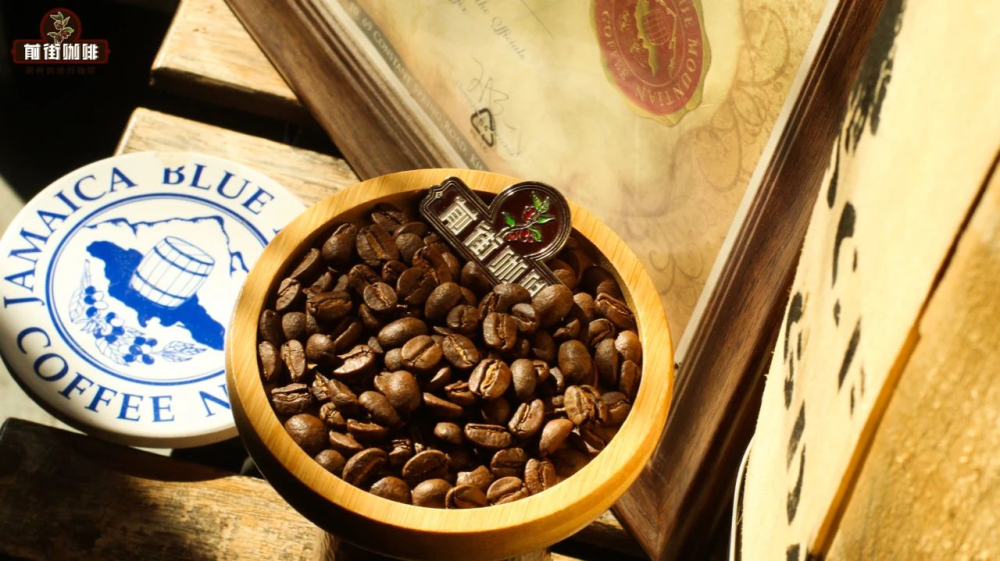
This area happens to lie within the coffee-growing belt, with fertile volcanic soil, clear and pollution-free air, a humid climate, and frequent fog and rain year-round. The average annual rainfall is about 1,980 millimeters, and the temperature remains around 27 degrees Celsius. It is precisely these natural conditions that have nurtured the world-renowned Jamaica Blue Mountain coffee and made it one of the most expensive coffees in the world. Blue Mountain coffee has almost all the qualities a good coffee should have: rich and pure aroma, with sweetness, acidity, and bitterness perfectly matched, almost no bitterness perceptible, leaving only a moderate and rounded acidity. The Blue Mountain sold by Front Street Coffee (FrontStreet Coffee) is produced by an export company designated by the national coffee board, with green beans loaded in wooden barrels, and holds Rainforest Alliance certification. In flavor, it is completely different from the strong, heavy character of Mandheling, and is a classic representative of Old World coffee.
Recommended coffee: Front Street Jamaica Blue Mountain No. 1 Coffee Beans Farm: Clifton Farm Estate owner: The Sharp family Certificate: Rainforest Alliance certification Location: Newcastle area Total area: 250 acres Coffee planting area: 180 acres Average altitude: 4,300 feet (1,310.64 meters) Processing method: Washed Variety: Arabica Typica Brewing flavor: Clean mouthfeel, not as intense as the previous cup, prominent chocolate and nutty flavors, balanced acidity, sweetness, and bitterness.
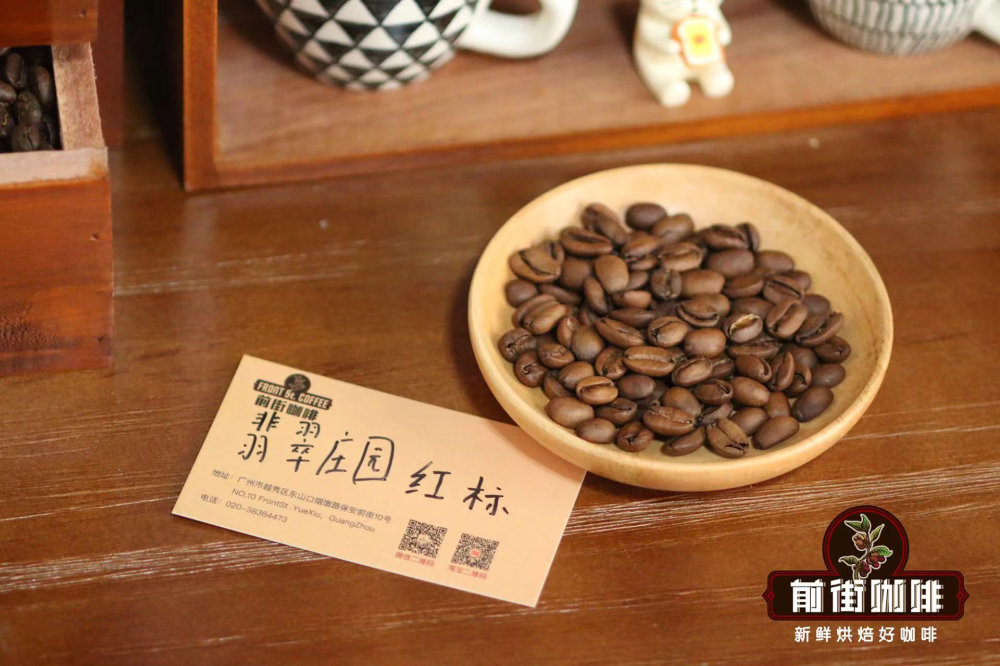
3. Indonesia - Mandheling (full-bodied and low-acid, with prominent sweetness)
Indonesia is one of the important coffee-producing countries in Asia, and among them the most famous is Mandheling coffee. It has relatively low acidity but high intensity, with a grassy aroma, a rich and full entry, and an impressive sweet finish.
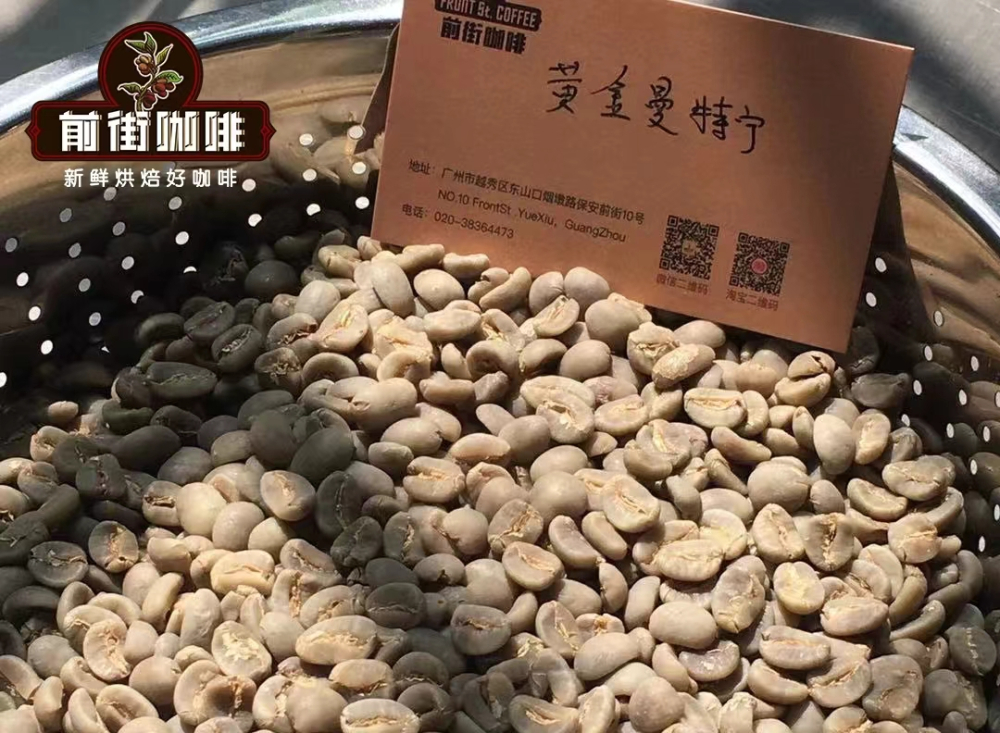
For friends who do not like acidity, Mandheling is worth a try. Since opening, Front Street has always been a loyal fan of Mandheling, and the Golden Mandheling from PWN has also always been favored by Front Street fans. Golden Mandheling is a specialty selection of the best among the best. After repeated manual sorting, the green beans are plump and uniform in appearance, the mouthfeel is cleaner than ordinary Mandheling, and the flavor is more intense, making it a benchmark for those pursuing traditional coffee taste.
Recommended coffee: Front Street Indonesia Golden Mandheling Coffee Country: Indonesia Company: PWN Region: Gayo Mountain, Aceh, North Sumatra Processing method: Wet-hulled Variety: Ateng Altitude: 1100-1600 meters Brewing flavor: Layered and varied, full-bodied and clean, highly balanced, rich nutty and caramel aroma, with chocolate notes, and a lasting finish.
4. Ethiopia - Yirgacheffe (fresh and elegant floral and fruity aromas with bright citrus acidity)
Yirgacheffe is a famous specialty coffee region in Ethiopia, and the coffee it produces carries elegant floral and fruity aromas with bright, lively acidity. As the birthplace of coffee, Ethiopia has accumulated thousands of years of cultivation experience and processing tradition, nurturing high-quality washed Arabica beans.
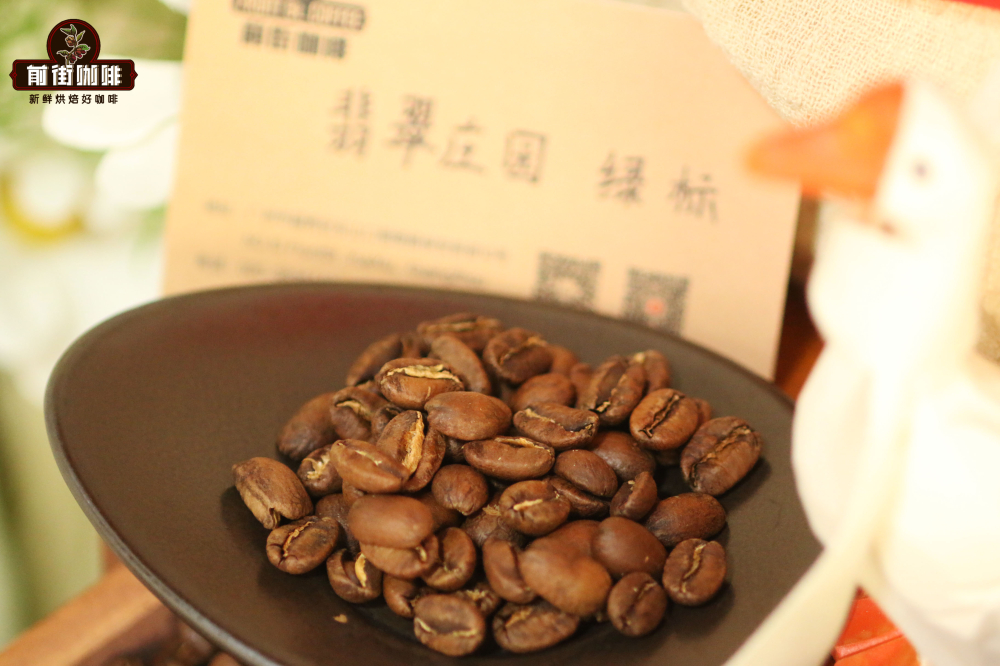
Lightly roasted Yirgacheffe shows unique lemon, floral, and honey-like sweet aromas, with soft fruit acidity, obvious citrus notes, and a fresh, transparent mouthfeel. Naturally processed Yirgacheffe, on the other hand, has rich tropical fruit flavors, full sweetness, rounded and soft acidity, and a lasting sweet aftertaste, and is also the first choice for most people entering the world of specialty coffee.
Recommended coffee: Front Street Yirgacheffe Red Cherry Natural Coffee Beans Region: Yirgacheffe Regional altitude: 1900-2300m Variety: Heirloom Processing method: Natural Grade: G1 Brewing flavor: Tropical fruit and strawberry flavors, full and rounded acidity, juicy mouthfeel, and a long finish.
5. Kenya - K72 Washed (an acid-rich elf with cherry tomato flavor and full-bodied acidity)
Kenyan coffee enjoys a high reputation worldwide. Thanks to the country's full support and strict grading system, it has earned the name of "coffee connoisseur." AA is the highest grade in Kenyan coffee, representing the best of the best, and Front Street is especially fond of the AATOP from the Thika region.
TOP is a label given by Kenyan coffee merchants after cupping. This bean uses the K72 double washed fermentation process, and its acidity is extremely bright and lively, delicate and alluring like berries and red wine. During brewing, rich berry aromas are released immediately, and on entry one can clearly sense the flavors of cherry tomato and smoked plum, with acidity and aroma intertwining in the mouth. The finish carries a creamy sweetness and a lasting sweet aftertaste. As long as one can accept acidity, Kenyan coffee is an excellent choice.
Recommended coffee: Front Street Kenya Asalia Coffee Beans Region: Thika, Kenya Processing station: Asali Honey Processing Station Altitude: 1550-1750 meters Grade: AA TOP Variety: SL28, SL34 Processing method: Kenyan 72-hour washed Brewing flavor: Ripe tomato and floral notes, with cherry tomato and smoked plum flavors on entry, bright acidity, a clean and at the same time solid and rich mouthfeel, prominent sweetness in the middle, a juicy feel, a finish of berry aroma and brown sugar sweetness, and green tea aroma.
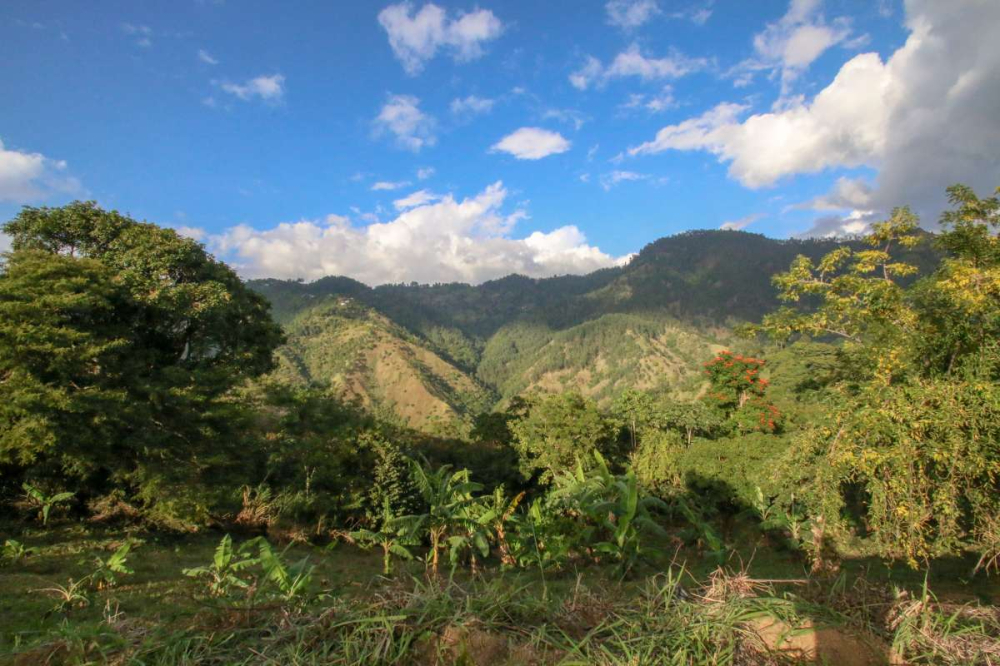
6. Costa Rica - Honey Process (a flavor direction with prominent dried fruit and sweetness)
Costa Rica is the earliest country in Central America to grow coffee, and the honey process is its most famous processing method. The so-called honey process refers to the green bean processing procedure in which the mucilage layer is retained and the beans are directly sun-dried. After the outer pulp of the coffee fruit is removed, a sticky gelatinous substance remains on the surface. The traditional washed method uses clean water to rinse it off, but some high-altitude producing regions, limited by water resources, gave rise to this method of direct drying.
The honey process is prone to contamination and mold damage, requiring strict monitoring throughout and constant turning to speed up drying and avoid undesirable fermentation flavors. Its advantage lies in preserving the natural sweetness of ripe coffee fruit to the greatest extent, giving the coffee an elegant brown sugar flavor and stone fruit sweetness, while berry notes can also support a red-wine-like aromatic base, and it is considered a quite elegant output. The reason honey-processed coffee beans are so widely sought after is largely precisely because of their sweet and full-bodied mouthfeel.
Recommended coffee: Front Street Costa Rica Mirazu Estate Geisha Blend Coffee Beans Region: Tarrazu, Costa Rica Estate: Mirazu Estate Altitude: 1700 meters Variety: Geisha blend Processing method: Raisin honey process
Brewing flavor: The fresh fragrance of jasmine, soft fruit acidity, an almond finish, and obvious sweetness.
7. Brazil - Yellow Bourbon (a top choice for lovers of nutty and cocoa flavors)
Brazilian coffee varieties include two major categories, Arabica and Robusta, with Bourbon being the main cultivated variety. Its mouthfeel has relatively low acidity, balanced with sweet and bitter notes, and is extremely smooth on entry, with a faint grassy aroma, a slight bitterness within the fresh fragrance, a sweet and smooth taste, and a pleasant aftertaste.
Brazilian coffee has no particularly outstanding advantages, but also no obvious shortcomings. The taste is mild and smooth, with low acidity, moderate body, and a faint sweetness. With all these soft flavors mixed together, trying to distinguish them one by one is quite a challenge for the palate. Yellow Bourbon is Brazil's highest-quality variety, and Queen Estate is its representative estate, having once won the COE championship with Yellow Bourbon.
Recommended coffee: Front Street Brazil Queen Estate Coffee Beans Country: Brazil Region: Mogiana Estate: Queen Estate Variety: Yellow Bourbon Processing method: Semi-dry process Altitude: 1400-1950m Brewing flavor: The fresh sweetness of sugarcane juice, black tea, a mellow and smooth fruit sweetness, obvious nutty flavor, balanced and smooth acidity, weak and clean bitterness, rich chocolate aroma and nutty flavor, a bright and refreshing mouthfeel, and a silky, delicate texture.
8. Guatemala (a combination of soft fruit acidity and mild fullness)
Guatemala has long been known as the "Land of Volcanoes," with the largest number of volcanoes in the world. The high-altitude volcanic terrain is precisely an ideal environment for coffee growing, and with more than three hundred microclimates distributed across the country, it has joined the ranks of the world's specialty coffee-producing countries.
Guatemala has seven main coffee-producing regions, each with its own distinctive flavor. Overall, however, Guatemalan coffee beans present a mild and full-bodied texture, elegant aroma, and a pleasant acidity similar to fruit acidity, making them worthy of being called the nobility among coffees and highly praised by coffee connoisseurs around the world.
Recommended coffee: Front Street Guatemala Antigua Flower of God Coffee Beans Region: Antigua region Altitude: 1200-1600m Variety: Bourbon, Caturra Processing method: Washed Grade: SHB Brewing flavor: Berry acidity, citrus, slight chocolate, rich layers, and a smooth mouthfeel.
9. Papua New Guinea PNG
For coffee lovers, Papua New Guinea is both a familiar and unfamiliar name. Many have heard of the country's coffee, but few have actually tasted it. Many who have tried it compare it to "Blue Mountain." This is no coincidence—due to the influence of its historical colonial power, Papua New Guinea shares a similar lineage in varieties, grading, and development path with Blue Mountain and Hawaii, which also belong to island-type producing regions. Papua New Guinea coffee is dominated by rich nutty and cocoa flavors, accompanied by a slight berry sweetness, with a rich and balanced mouthfeel and the coexistence of sweetness and soft acidity.
Recommended coffee: Front Street Papua New Guinea Bird of Paradise Coffee Beans Producing country: Papua New Guinea Estate: Sigri Bird of Paradise Estate Altitude: 1600-1800m Processing method: Washed Variety: Typica Grade: AA
10. Ethiopia Gesha Village Estate
Ethiopia is the birthplace of coffee, and the Geisha variety is naturally no exception. As mentioned earlier, Geisha was discovered in 1931 and then gradually spread to various countries in the Americas. Therefore, in addition to Panama, Ethiopia is also one of the Geisha-producing countries most worth paying attention to. But unlike Panama and other American countries, Ethiopia has a great many varieties and is dominated by smallholder farming, making it almost impossible to accurately identify whether a variety is Geisha, and most are exported under the name "Heirloom."
Gesha Village estate owners Adam and Rachel began searching in 2008. After three years, they finally found an ecosystem suitable for coffee growing at an altitude of 1,900 to 2,100 meters, with a tropical rainforest and suitable climate, fertile forest soil, and a historically long-standing woodland environment. Under the guidance and help of Mr. Willem, the godfather of Geisha, the coffee of Gesha Village has repeatedly achieved excellent results in international competitions. The ingenuity of Gesha Village lies in grafting the knowledge of mature producing regions onto a developing country, giving more people the opportunity to appreciate Ethiopia's high-standard coffee.
Recommended coffee: Front Street Ethiopia · Gesha Village Estate Gold Label Geisha
Region: Bench Maji, Ethiopia
Estate: Gesha Village Estate Oma Block
Altitude: 1900-2040 meters
Variety: Geisha 1931
Processing method: Natural
Flavor: Citrus, berries, cream, caramel, melon, honey
For professional coffee knowledge exchange and more coffee bean information, please follow Coffee Workshop (WeChat public account: cafe_style)
For more specialty coffee beans, please add the private WeChat of Front Street Coffee (FrontStreet Coffee), WeChat ID: qjcoffeex
The above content is compiled by CoffeeHunters, a coffee news website.


