







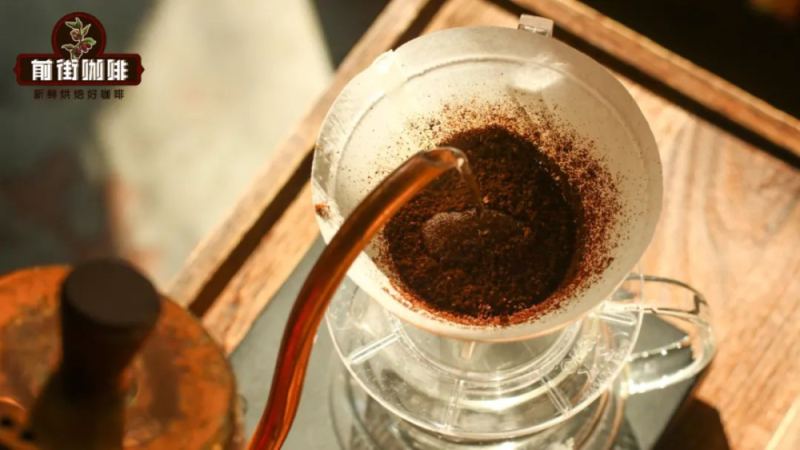
What Does Blooming Do in the Pour-Over Coffee Process?
Blooming pours about twice the weight of the coffee grounds in water and lets the bed rest for roughly thirty seconds. It serves two purposes: releasing carbon dioxide and saturating the grounds. Degassing opens the way for the water that follows to dissolve flavor compounds, while saturation lets particles connect and reduces channeling, which causes uneven extraction.
Timing depends on freshness. Very fresh beans hold a lot of carbon dioxide, so extending the bloom by about five seconds lets more gas escape. Older beans hold less gas, so the bloom can be shortened by about five seconds based on how moist the coffee bed looks. Keep the bloom water modest, since grounds that have not degassed extract little at this stage.
In the pour-over coffee process, blooming is almost a standard step that every coffee enthusiast performs. At Front Street, we also always start by pouring twice the amount of water as the coffee grounds and letting it sit for about thirty seconds. What change can this seemingly simple step actually bring to a cup of coffee? This article will break down the significance of blooming from the two dimensions of degassing and saturation, and offer ideas for adjusting bloom time for coffee beans of different freshness levels, helping you control the extraction rhythm more confidently and brew a full-flavored cup of good coffee.
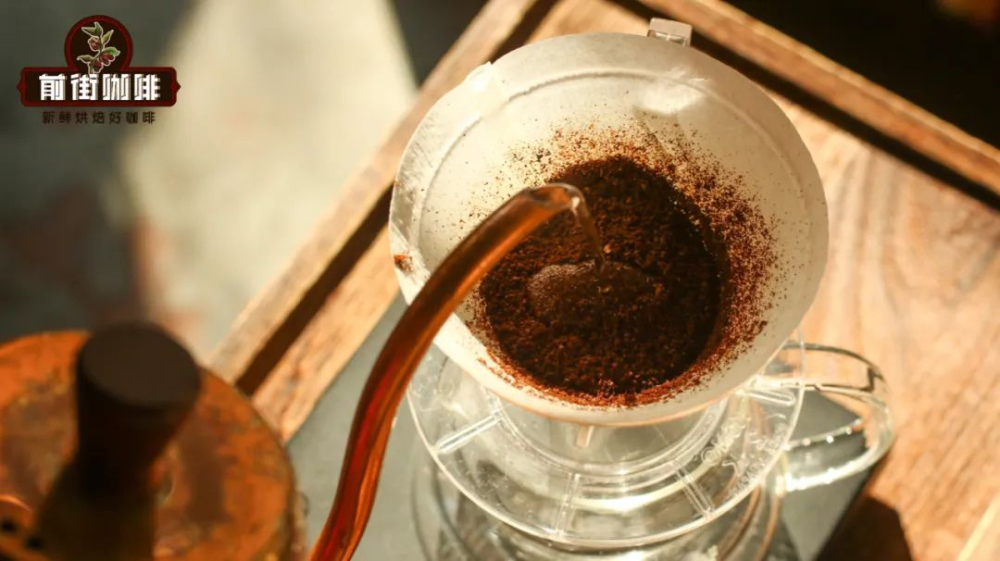
"So first, we pour in twice the amount of water as the coffee grounds and bloom for thirty seconds." This is a step that Front Street inevitably performs at the start of every brew--blooming. Unless there are special circumstances, this step must be part of the brewing process, because blooming allows us to more easily brew a delicious cup of coffee.




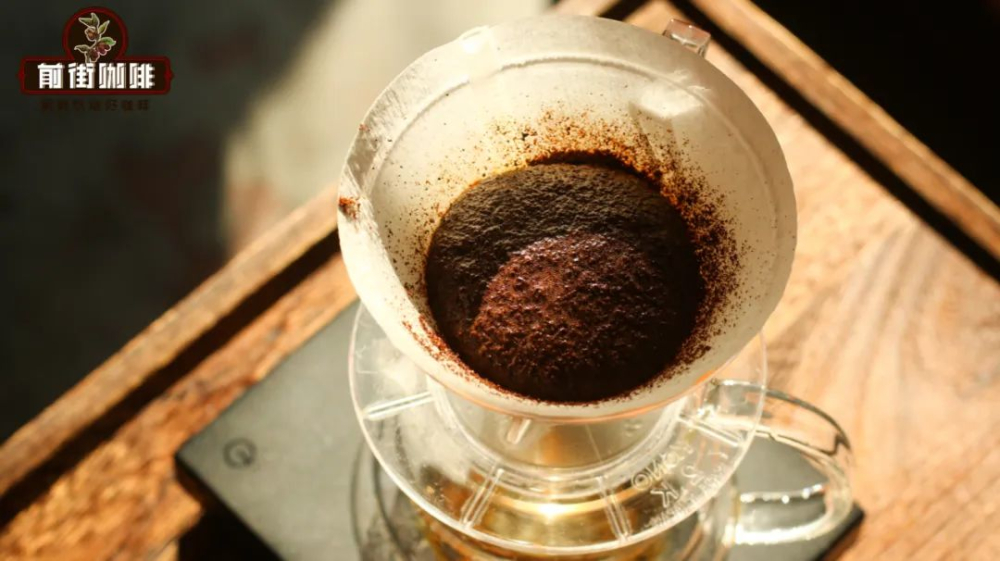
It's simple: when the carbon dioxide content is too much or too little. If the coffee beans are too fresh and the carbon dioxide content is very high, then 30 seconds may not be enough for the coffee grounds to degas fully. Therefore, we can appropriately extend the time by about 5 seconds, allowing the coffee grounds to release more carbon dioxide, so that the hot water poured in afterward can better dissolve out the coffee's flavor compounds.
And when the coffee beans are not so fresh and the carbon dioxide content is not so high, we also do not need to spend too much time blooming. We can simply reduce the blooming time based on the moist state of the coffee bed (about 5 seconds).
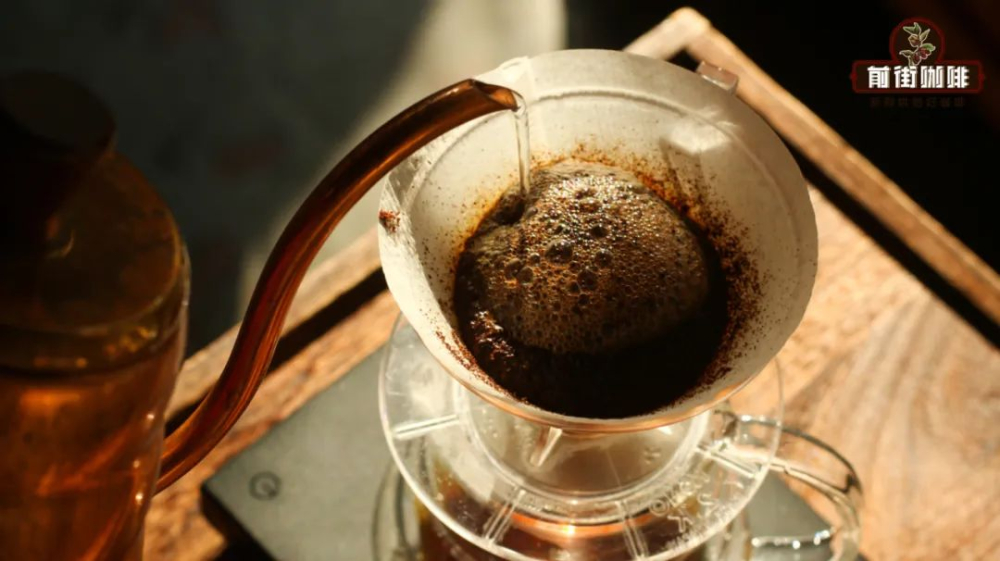
The second purpose of blooming: saturation
The second function of blooming is to saturate the coffee grounds, allowing the particles to connect with one another and reducing uneven extraction caused by channeling during the subsequent extraction. But as we all know, the main purpose of blooming is to degas and pave the way for the subsequent extraction. So if too much hot water is used for saturation at this point, then by comparison, the substances brought out by this portion of hot water will be fewer than those extracted when it is placed in the main extraction.
Because at this point the coffee grounds have not yet degassed, the hot water cannot extract fully. Therefore, we need to minimize the amount of water used during blooming.
The above content is compiled by CoffeeHunters, a coffee news website.


