







How Coffee Beans Shape a Good Americano
An Americano is espresso diluted with hot water, so the beans behind the espresso decide most of what ends up in the cup. Extraction quality and the espresso-to-water ratio matter next. Beans for the espresso base, not the water, are the first thing to settle, because a weak or poorly matched espresso cannot be rescued by adjusting the dilution afterward.
Americano made this way is richer and more aromatic than the drip-style version native to the United States, where a large pot of electric drip coffee often sits all day and tastes thin. Regional habits vary too: the East Coast drinks stronger coffee than the West Coast, and the South stronger than the North. Comparing american drip coffee with diluted espresso shows the gap clearly.
The quality of a cup of Americano hinges on three key elements: the coffee beans used for the espresso, the extraction method, and the ratio of espresso to water. This article begins with the most important factor—the coffee beans—to discuss the origins and evolution of Americano, compare the differences between American drip coffee and espresso diluted with water, and offer optimal drinking temperature recommendations for beans of different roast levels. It will also introduce the warm sun espresso blend used in Front Street Coffee shops, as well as a recommended bean list including Front Street Specialty Blend, Commercial Blend, Classic Blend, Mozart, Bird of Paradise, Strawberry Candy, and Huakui SOE, helping coffee enthusiasts choose the right beans according to their flavor preferences.
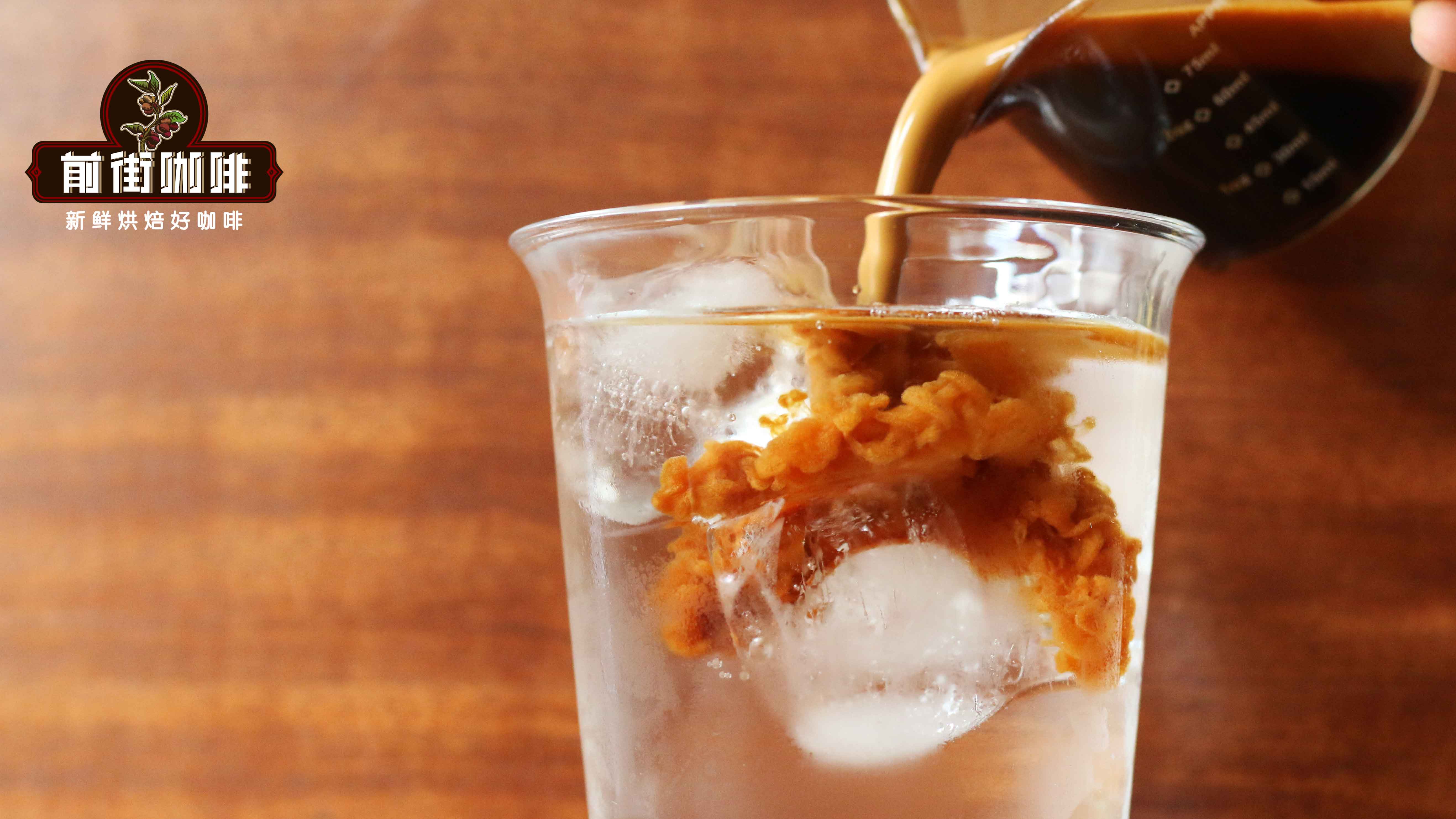
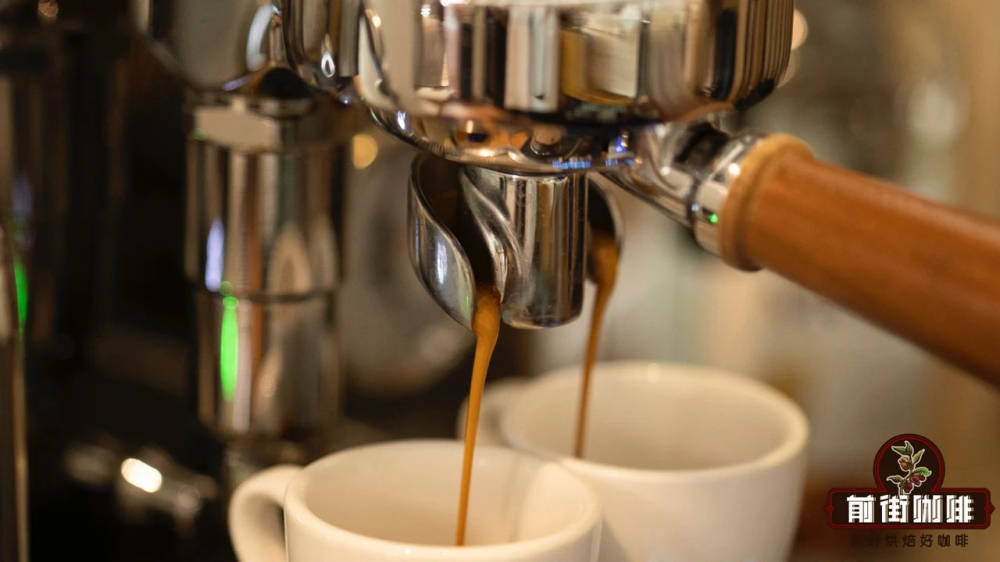
An Americano ordered in a coffee shop is typically made by diluting espresso with hot water, following a simple formula: Americano = espresso + water. In other words, whether this drink tastes good depends first on the coffee beans used for the espresso, second on how well the espresso is extracted, and third on the ratio of espresso to water. Today, let's start with the most fundamental element—coffee beans.
The practice of making Americano by diluting espresso with water actually became popular only after Starbucks brought coffee drinks to the market. Before that, what Americans called "Americano" mostly referred to a milder-tasting black coffee.
There are clear regional differences in Americans' coffee-drinking habits: the East Coast drinks it stronger than the West Coast, and the South stronger than the North. From an ethnic perspective, Southern European and Latino immigrants prefer stronger coffee more than immigrants from Britain, Germany, and Northern Europe, while diluting espresso with water is the mainstream approach in the western United States. Overall, American life is fast-paced, and it's common to drink from a large pot of electric drip coffee all day long—lots of water, little coffee, naturally weak in taste, and therefore often criticized as unpleasant.
Is Americano made with espresso actually good?
Compared to the drip-style Americano native to the United States, Americano made by diluting espresso with water is indeed much richer and more aromatic. Plus, it's faster to produce than drip machines, quickly making it a favorite among office workers worldwide. With the advancement of the specialty coffee wave, coffee shops today increasingly emphasize the quality of beans used for espresso extraction, and the flavor complexity of Americano has become much richer as a result.
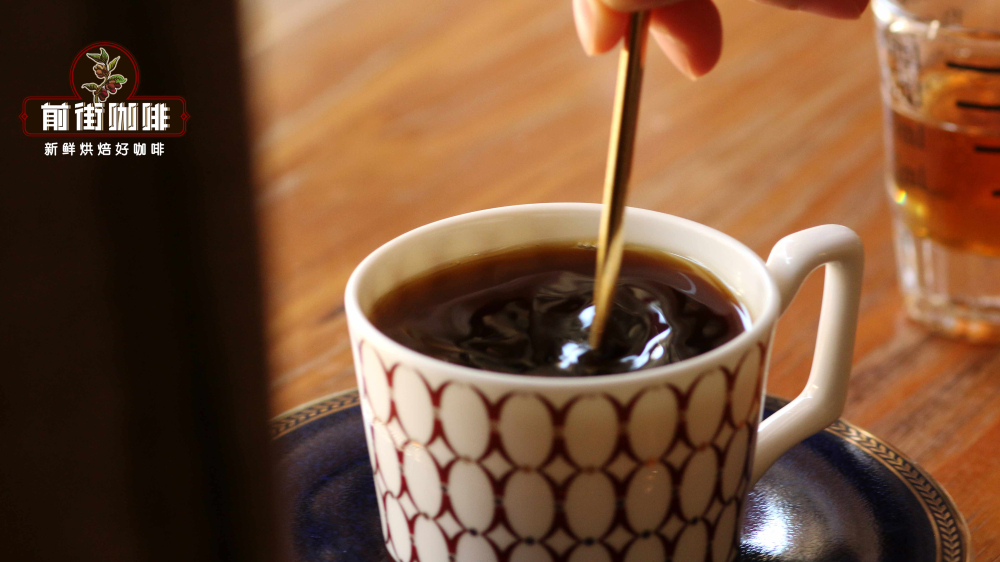
For example, the "Front Street Coffee Warm Sun Espresso Blend" used in Front Street Coffee shops is a blend of Yirgacheffe and Honduras beans. Front Street's recommended double espresso extraction parameters are: 20 grams of grounds extracted into 40 grams of coffee liquid, then diluted with hot or ice water at a ratio of 1:4.5. The resulting Americano has abundant wine-like aroma, soft berry-like acidity, and a finish of hazelnut and dark chocolate.
The Correct Way to Drink Americano Black Coffee
Americano is widely popular not only because of its moderate strength and approachable taste, but also because drinking one cup a day in moderation helps with digestion, cuts through greasiness, and alleviates bloating.
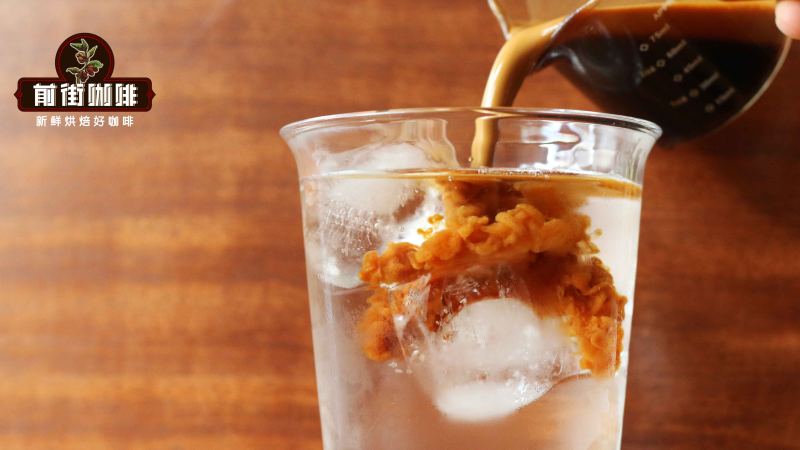
In the warmer regions of Guangdong, iced Americano also helps cool you down and quench thirst, making it a summer essential. Additionally, iced Americano is extremely low in calories, boosts metabolism, and when consumed an hour before exercise, helps with fat burning, making it a recommended drink for many fitness enthusiasts. However, Front Street also reminds you: only pure Americano has these benefits. Once you add syrup, condensed milk, or creamer, it adds extra calories and offers no health benefits with long-term consumption.
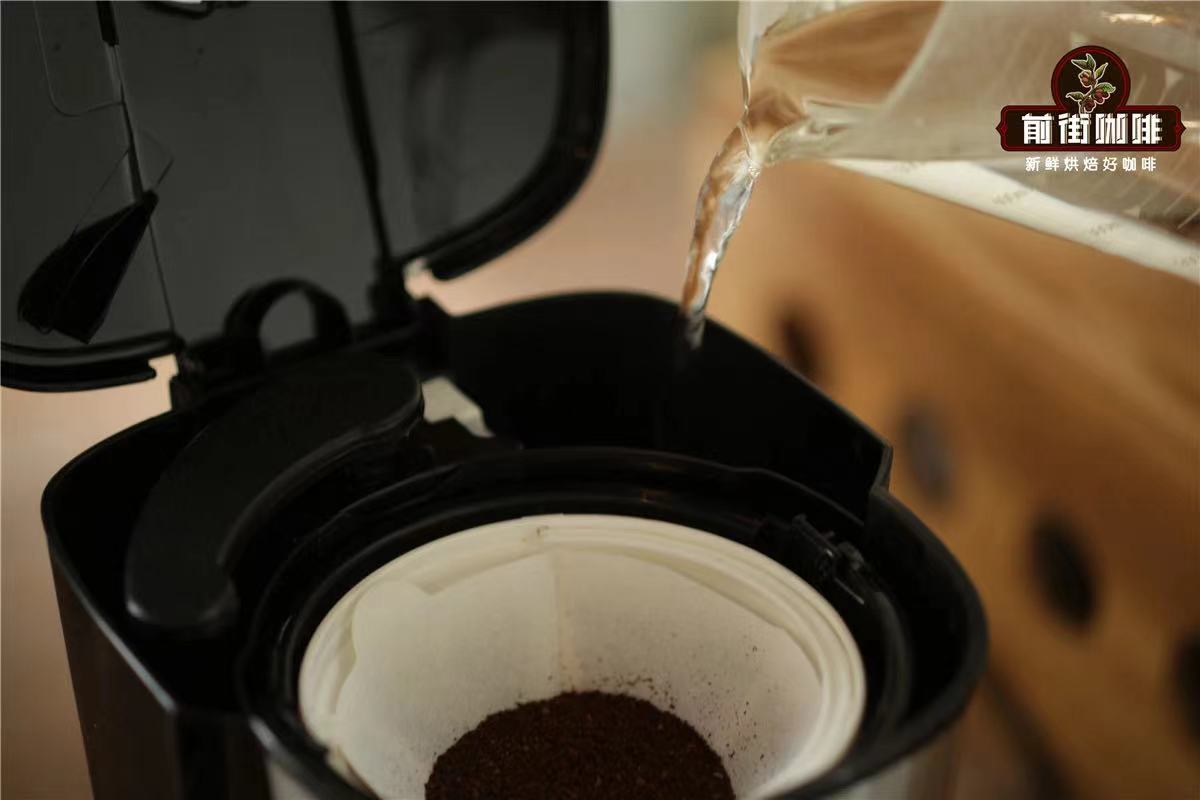
Front Street believes that the optimal tasting temperature for Americano depends on the flavor profile of the espresso blend used. If you choose a dark roast (not sour, high body) blend for your Americano, such as Front Street Specialty Blend Coffee, Front Street Commercial Blend Coffee, or Front Street Classic Blend Coffee, the optimal drinking temperature is around 60 to 70 degrees Celsius;
If you use a medium roast (slightly sour, prominent sweetness, moderate body) blend, such as Front Street Mozart Coffee, Front Street Bird of Paradise Coffee, or Front Street Strawberry Candy Coffee, the optimal tasting temperature is around 50 to 60 degrees Celsius;
And if you choose a medium-light roast (bright acidity, fresh flavor) single-origin bean for your Americano, Front Street recommends Huakui SOE Coffee Beans, with an optimal drinking temperature of around 40 to 55 degrees Celsius.
It should be added that light roast beans tend to cause channeling and uneven extraction when making espresso, so Front Street does not recommend using such beans for espresso.
The above content is compiled by CoffeeHunters, a coffee news website.


