







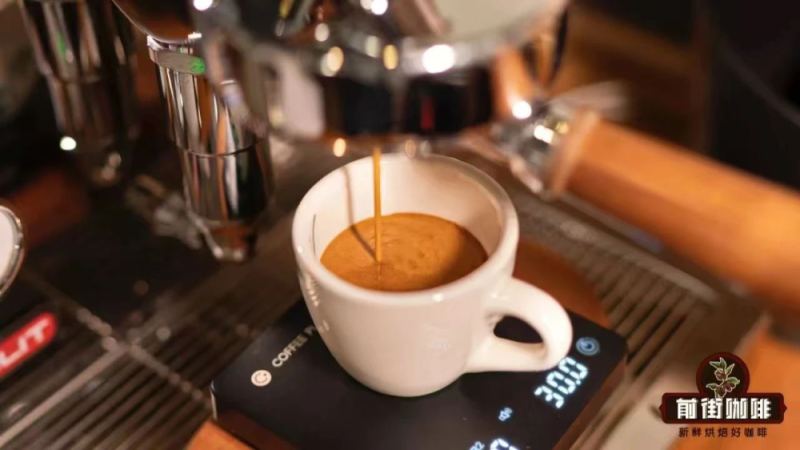
How Do You Choose Espresso Coffee Beans for a Balanced Shot?
Choose medium to dark roast espresso coffee beans for a higher extraction success rate, and expect blends to be the practical default. Espresso is the base for Americano, latte, cappuccino, flat white, and mocha, so the beans must deliver a full body and a dense crema that runs from golden to brown depending on the coffee used.
Fresher beans, darker roasting, and steady machine pressure all improve crema performance. Italian roasters often go very dark and add robusta for a thicker crema and more concentrated flavor. A traditional blend built on a Mamba recipe with Vietnamese robusta, given a medium-dark roast, keeps dark chocolate, butter, and hazelnut notes while reducing burnt bitterness.
Espresso is the foundation of many classic coffee drinks, and when it comes to making a proper shot, the choice of coffee beans is crucial. This article explores the characteristics of espresso coffee beans, answering two common questions: Must an espresso machine use a blend? Should you choose a medium-dark or dark roast? It also introduces the advantages of blends and recommends Front Street Coffee's classic blend to help coffee lovers find the flavor profile best suited for espresso.
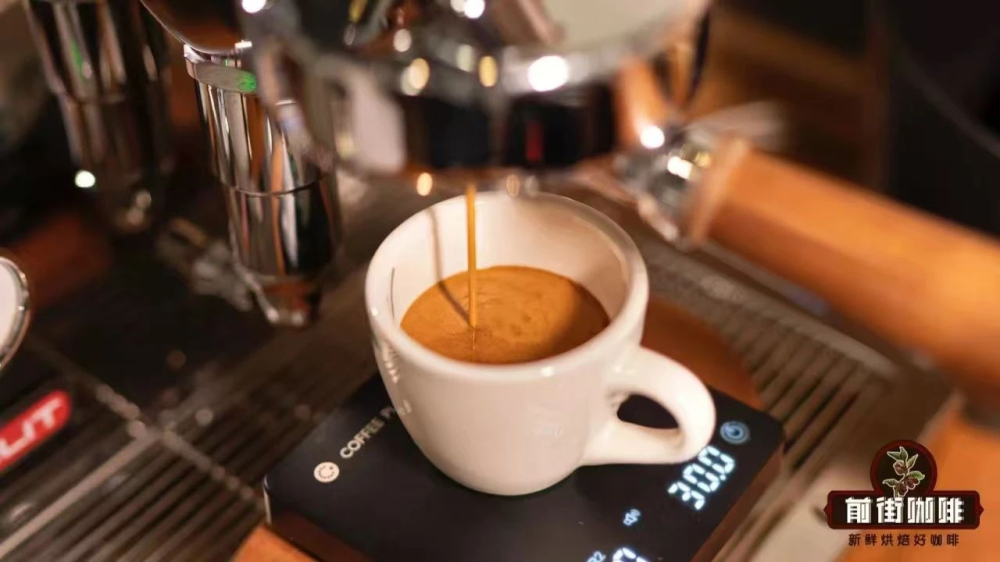
The principle behind making espresso is to use the pressure generated by steam to force hot water quickly through a compacted bed of ground coffee, extracting a small cup of deeply colored, richly aromatic coffee liquid topped with a layer of fine golden foam. Although espresso itself rarely appears directly on café menus, common drinks like Americano, latte, cappuccino, flat white, and mocha all depend on it—making it the cornerstone of every coffee shop.
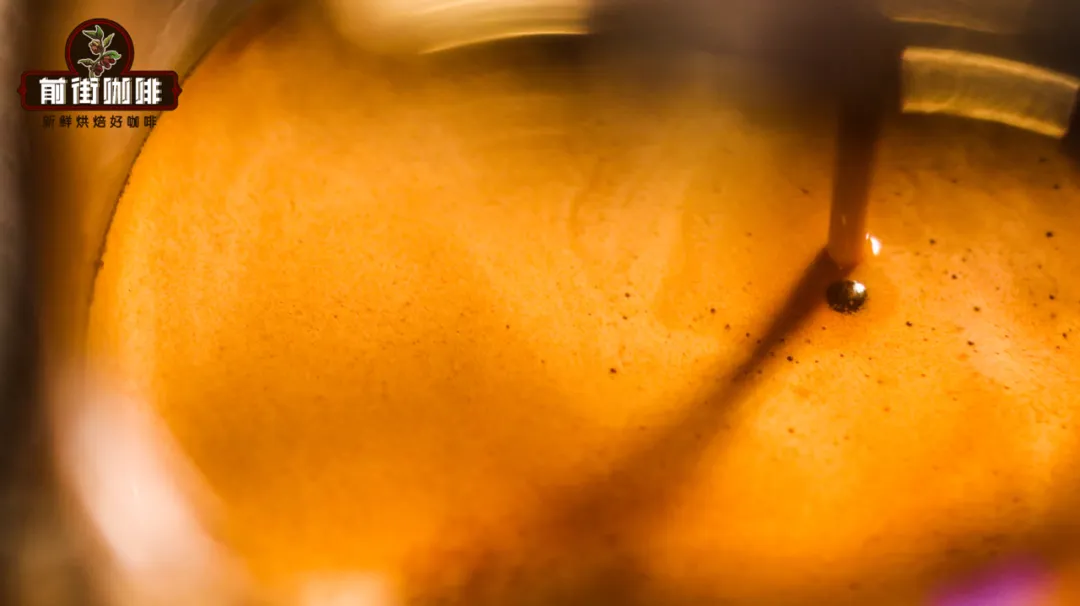
Because the espresso machine has a pressurizing function, espresso has a particularly full-bodied mouthfeel, with a dense layer of coffee oil foam forming on the surface—what we commonly call crema. This layer of crema ranges in color from golden to brown, and its aroma presents different flavor characteristics depending on the coffee beans used. When making espresso, it is recommended to choose medium to dark roast coffee beans, as this leads to a higher extraction success rate.
In principle, the fresher the coffee beans, the darker the roast, and the greater and more stable the machine's pressure, the better the crema will perform. Italians prefer rich, rounded, strong coffee, so they tend to roast their beans very dark—even adding robusta beans—to give espresso a thicker crema, more concentrated aroma, and more intense flavor.
As a top-ranked product that has held a leading position for years, Front Street Coffee's classic blend is designed precisely to recreate this Italian-style flavor. Building on the traditional "Mamba" recipe, it adds Vietnamese robusta beans to further enhance the richness of the crema. At the same time, to make the mouthfeel smoother and to highlight notes of dark chocolate, butter, and hazelnut, these beans are given a medium-dark roast, effectively reducing any burnt bitterness.
A blend, also called a mixed coffee or espresso bean blend, is a combination of multiple single-origin coffee beans mixed in proportions that allow each one's strengths to shine. Blends are usually composed of beans from different origins, with the goal of achieving a more balanced flavor.
For example, if one type of coffee bean is smooth but lacks aroma, you can add another bean with a rich fragrance, allowing the strengths of different beans to complement each other—achieving either balance or reinforcement in taste, and thereby creating a new flavor with more layers.
That is why we often hear the advice: when making espresso, prioritize a blend. It has two main advantages: first, high extraction stability; second, excellent value for money (affordable price with good flavor).
The above content is compiled by CoffeeHunters, a coffee news website.


