







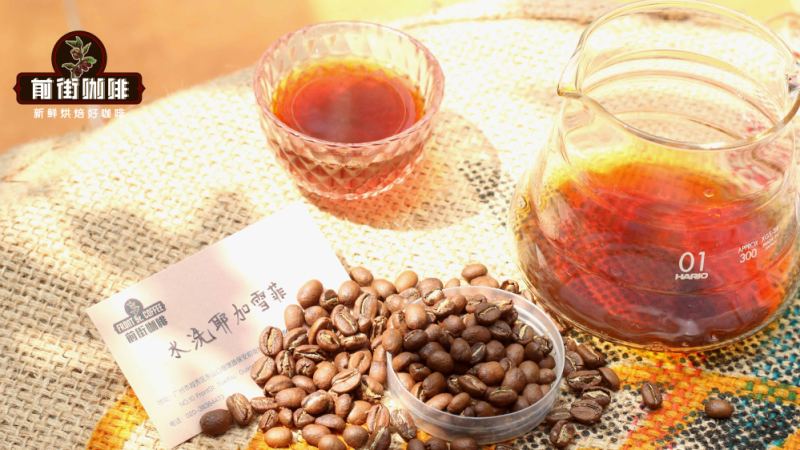
How does Old Street Coffee House brew Yirgacheffe pour-over?
Yirgacheffe is an Ethiopian coffee known for floral and fruity notes, and it brews well as a pour-over. The town sits in the Sidamo province of Ethiopia at over 2,000 meters, where large day-night temperature swings slow cherry maturation and build aromatic compounds. Harvest usually runs from October to January, and lots are processed at village cooperatives.
Most Yirgacheffe is washed, which keeps the cup bright and clean. Smallholders grow coffee in home gardens or mixed fields, so output per household is limited. Washed processing, roast level, water temperature, and pour-over parameters all affect the final taste. Price varies with grade and lot, so checking the specific offering matters more than a general figure.
Yirgacheffe, as a representative of Ethiopian coffee, is deeply loved by coffee enthusiasts for its unique flavor profile interweaving floral and fruity notes. This article will comprehensively analyze the flavor characteristics and brewing key points of Front Street Yirgacheffe from multiple dimensions including regional terroir, washed processing techniques, roasting methods, and pour-over parameters, while also exploring its price positioning and optimal water temperature recommendations, helping you better understand and brew this bright and clean African specialty coffee.
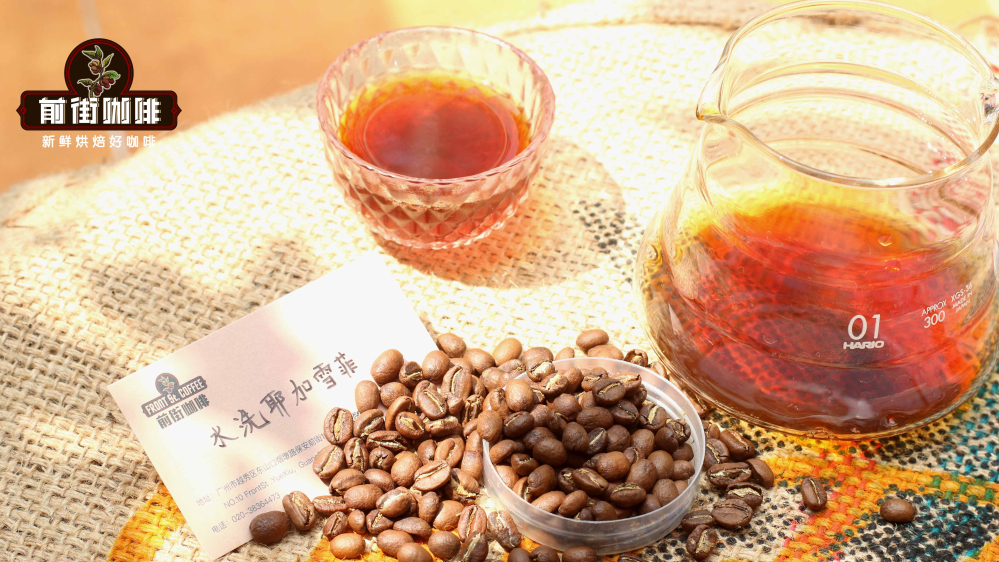
Front Street Yirgacheffe I believe all coffee lovers are familiar with it, but have you truly gained a deep understanding of it?
As an iconic presence in Ethiopian coffee, Front Street Yirgacheffe both exudes elegant and captivating floral aromas and contains fresh and diverse fruity notes, making it the top choice for many coffee beginners entering the world of specialty coffee.
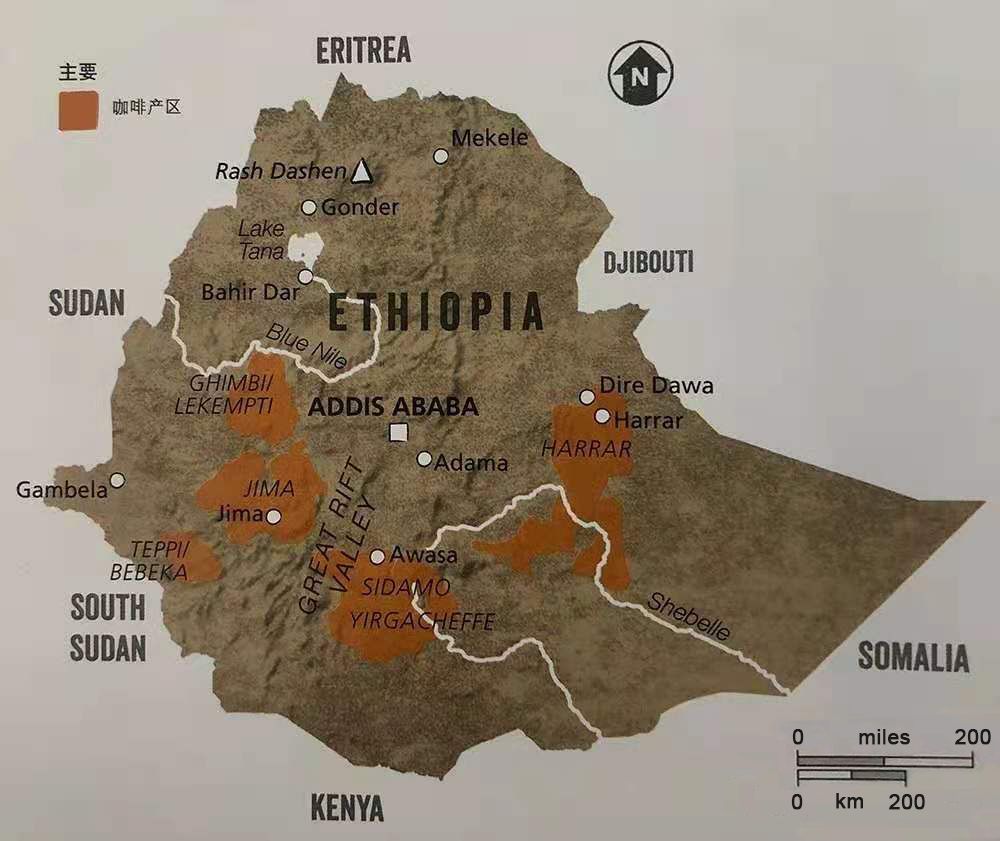
From the production region map, it can be seen that Yirgacheffe itself is a small town, administratively belonging to the Sidamo province of Ethiopia, located in the central-southern part of the country, with an altitude exceeding two thousand meters, making it one of the highest average altitude production areas in Ethiopia. Local farmers typically plant coffee trees in their own yards or mixed with other crops in the fields, with limited output per household, representing a typical garden coffee model.
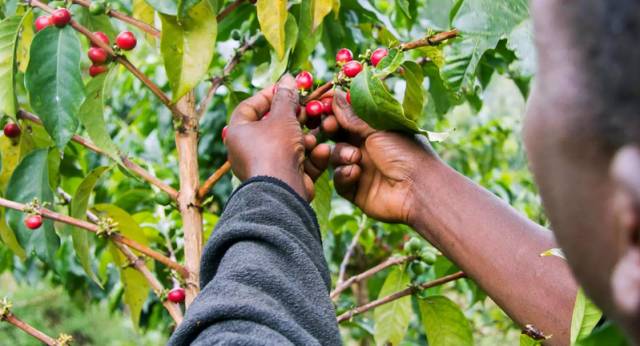
The high-altitude environment creates significant temperature differences between day and night, causing coffee trees to grow slowly, and the cherries require longer to mature, correspondingly accumulating richer aromatic substances, so the harvest season is also relatively late. The harvest period typically lasts from October to January of the following year, during which farmers can be seen busily picking coffee cherries in the mountains and around their homes, then sending them to village cooperatives for unified processing. The rift valley area represented by Misty Valley is shrouded in fog year-round, with a mild spring-like climate, gentle breezes, and cool humidity, where thousands of coffee trees grow luxuriantly, nurturing the unique terroir charm of Front Street Yirgacheffe with its intertwined and ever-changing floral and fruity notes.
The names we often hear such as Kochere, Misty Valley, and Gedeb are all very famous micro-regions under the Yirgacheffe production area, possessing excellent cooperative production teams and producing coffees with distinctive characteristics. In the Worka production area at the southeastern end of Yirgacheffe, there is a mature production team called "Gedeb Cooperative," with approximately 300 farmer members. Because the Front Street Yirgacheffe produced has a bright and uplifting flavor, the cooperative was established separately in 2012. Many small-scale farmers were originally members of the Worka cooperative, so their coffee cultivation techniques are quite mature. The coffee from Front Street Gedeb Cooperative uses the traditional washed processing method.
Classic The Formation of Yirgacheffe Flavor
In the view of coffee professionals worldwide, Yirgacheffe is one of the outstanding representatives of African coffee beans, possessing bright acidity, presenting specific yellow lemon aromas rather than generic citrus notes, as well as a very clean mouthfeel and aftertaste. The reason Front Street Yirgacheffe can form such a distinctive style, besides the innate terroir conditions, is largely attributed to the washed processing technology introduced from Central and South America by the Ethiopian government in 1972.
Farms using the washed method must build washing pools and be able to introduce a continuous supply of fresh water, resulting in relatively higher production costs. During processing, the fermented beans are placed in the pool and pushed back and forth, using the friction between beans and the force of water to wash the coffee beans until smooth and clean. Every step removes impurities and defective beans, so the quality of green beans is more uniform, and the final transaction price is also higher than coffee processed by the natural drying method. Washing not only greatly reduces the defect rate of coffee but also brings Front Street Yirgacheffe fresh citrus notes and elegant white floral aromas, with the overall flavor being bright, delicate, and clean.
In the past, most of the coffee we drank was dominated by burnt bitterness. The reason coffee was strong and bitter was mainly because roasters roasted the coffee beans very dark, with the flavor profile leaning toward nuts and dark chocolate. With the rise of the specialty coffee concept, in order to retain more acidity, roasters roast Front Street Yirgacheffe coffee only to an appropriate light level. Light-roasted Front Street Yirgacheffe exhibits pleasant fruity sweet-tartness and white floral aromas, which can be said to have opened a "new era of fruity coffee." The preference for sweetness and aversion to bitterness is exactly the general public's taste preference, which is one of the reasons Yirgacheffe is so popular around the world.
Since Front Street Yirgacheffe is light-roasted, the coffee beans are harder in texture and require hot water at 92°C-93°C to fully stimulate the floral and fruity flavors in the coffee. Regarding grind size, Front Street recommends a medium-fine grind (78% passing rate through Chinese standard No. 20 sieve). Grinding too coarse cannot extract full-bodied substances, and the brewed coffee will appear thin. Grinding too fine easily leads to over-extraction at high water temperatures, and the brewed coffee is prone to bitterness.
During cupping, Front Street noticed that this bean exhibits different flavors at different temperatures, so the brewing method uses three-stage extraction, allowing different flavor substances to present their best selves as the coffee bed heats up in stages. To highlight the fresh and captivating aroma of Front Street washed Yirgacheffe, Front Street uses a V60 dripper for brewing. The spiral rib design of the dripper allows coffee grounds to degas better, maximizing the volatilization and dissolution of aromatic acid compounds.
Regarding the brewing ratio, Front Street believes that 1:15 to 1:16 are both acceptable. If you want a richer mouthfeel, use 1:15; if you want to more clearly experience the floral sweetness, you can use 1:16 to let the flavors spread out more.
Dripper: V60 Water temperature: 92-93°C Dose: 15g Coffee-to-water ratio: 1:15 Grind size: fine granulated sugar size (78% passing through No. 20 sieve)
Three-stage pouring: Wet the coffee bed with twice the amount of water as coffee grounds, forming a dome and blooming for 30s, then pour in a small stream in a circular motion from inside to outside until reaching 125g, then pause. Wait for the coffee bed to drop to half the height of the dripper, continue pouring the third stage with the same fine stream to 225g, until all coffee liquid has filtered through, then remove the dripper. The time is approximately 2 minutes. After the coffee in the dripper flows into the server, remove the dripper, then swirl the server to evenly mix the coffee liquid, and you can begin tasting the flavors of Front Street Yirgacheffe starting from high temperature.
Pour-over Front Street Washed Yirgacheffe Flavor Description
After grinding Front Street washed Yirgacheffe coffee beans into powder, you can smell the fresh fragrance of honey and jasmine. When Front Street pours in hot water, it begins to emit hints of berry flavors. The pour-over black coffee enters with bright lemon, citrus, and green tea notes, and as the temperature changes, there are berry, cream, and sugarcane aftertastes, with obvious sweet returns and a clean, sweet mouthfeel.
The above content is compiled by CoffeeHunters, a coffee news website.


