







How Do Coffee Origins Differ Around the World?
Coffee flavors shift clearly by origin. Brazil supplies roughly a third of the world's coffee and is the largest producer, with Arabica as its main variety and a balanced, nutty, medium-bodied cup. Other leading origins include Colombia, Ethiopia, Indonesia, Kenya, Rwanda, Jamaica, Panama, Costa Rica, and China's Yunnan.
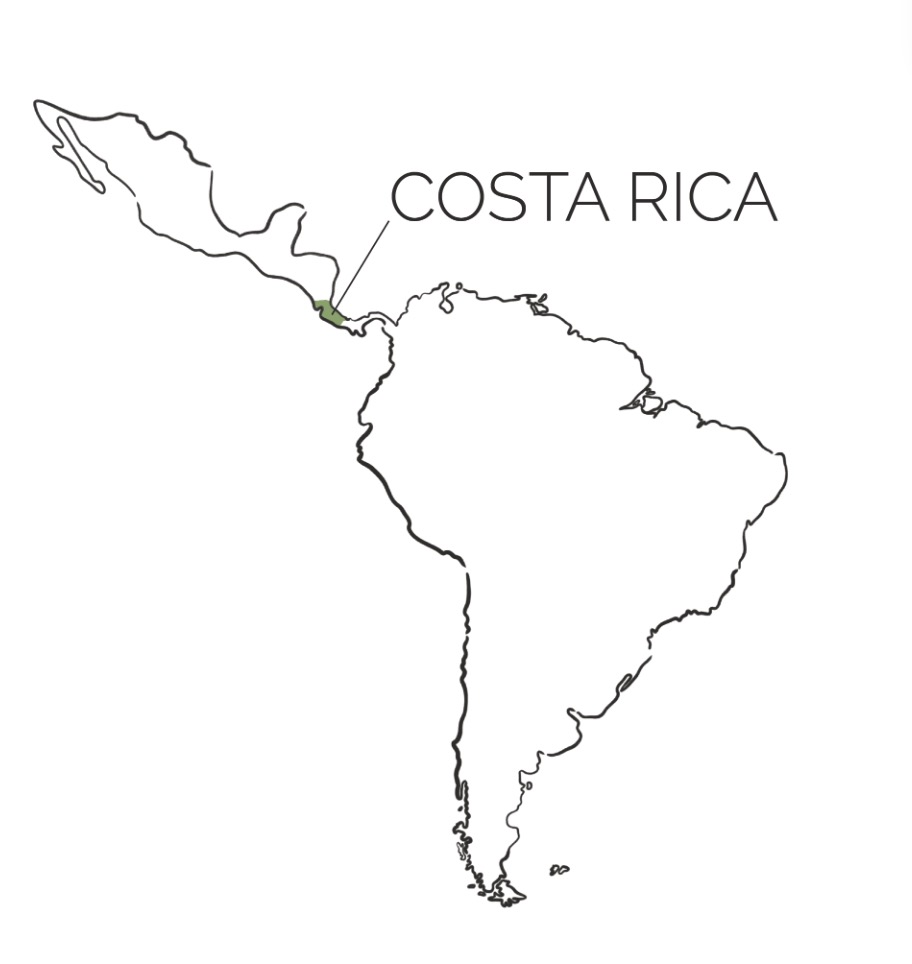
Each country brings distinct processing and variety choices. Panama Geisha is known for its floral and fruity profile, while Indonesian Mandheling leans intense and Jamaica Blue Mountain stays elegant and balanced. Central American coffee sits within this map through Costa Rica's Mozart and other estate lots.
As one of the world's three major beverages, coffee boasts a myriad of flavors that vary by origin. From Brazil's rich, nutty notes to Ethiopia's floral and fruity charm, from Indonesia Mandheling's intensity to Jamaica Blue Mountain's elegant balance, every producing country nurtures coffee beans with distinctive characteristics. In this article, Front Street Coffee will guide you through the top ten single-origin coffee-producing countries worldwide, offering in-depth analysis of representative coffees such as Brazil's Queen Estate, Indonesia Mandheling, Colombia's Sidra, Costa Rica's Mozart, Ethiopia's GutingGuting, Kenya's Little Tomato, Rwanda's Red Bourbon, Jamaica Blue Mountain, Panama Geisha, and China Yunnan Typica, exploring their flavor profiles and processing techniques, and taking you on a journey through the rich allure of the world coffee map.
Coffee, along with tea and cocoa, is celebrated as one of the world's three major beverages. Roasted coffee beans emit a captivating aroma and showcase flavor expressions characteristic of their origin, with beans from different countries each having their own distinctive qualities. In this article, Front Street Coffee will briefly introduce the top ten single-origin coffee bean-producing countries worldwide.
No.1 Brazil - Front Street Queen Estate
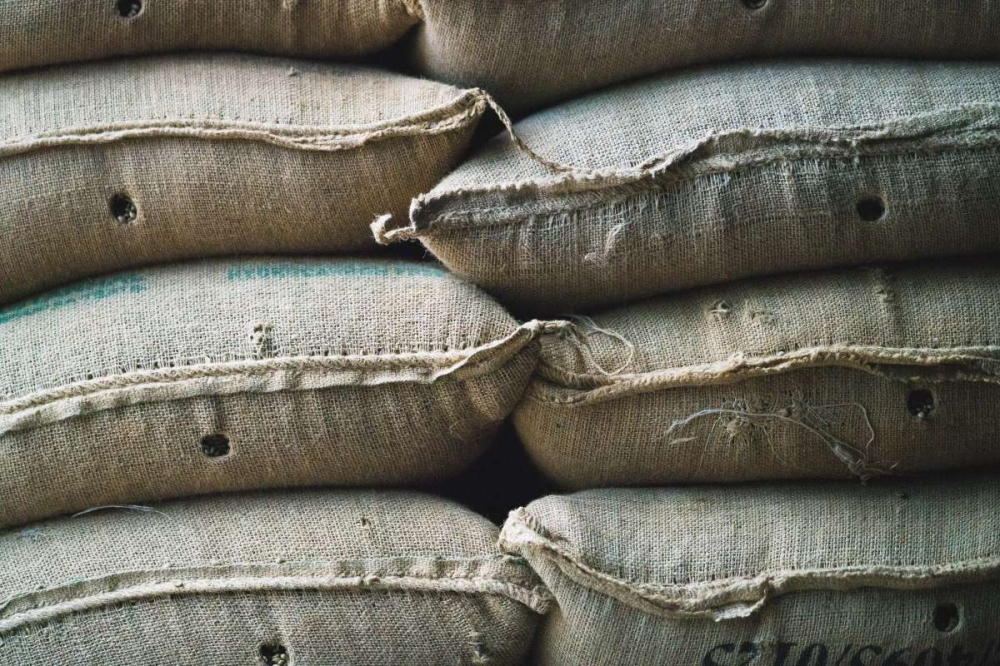
Brazil is the world's largest coffee producer, supplying about one-third of the global coffee supply, with Arabica being the primary cultivated variety. For many years, Brazil has consistently held the position of the world's number one coffee-producing country. Brazilian coffee typically has moderate acidity, with a balanced mix of sweetness, bitterness, and body, a medium concentration, and a smooth yet distinctive mouthfeel. It is regarded as the backbone of coffee and is often used in blends. Front Street's specialty espresso blend, for instance, combines Colombian coffee beans with Brazilian coffee beans.
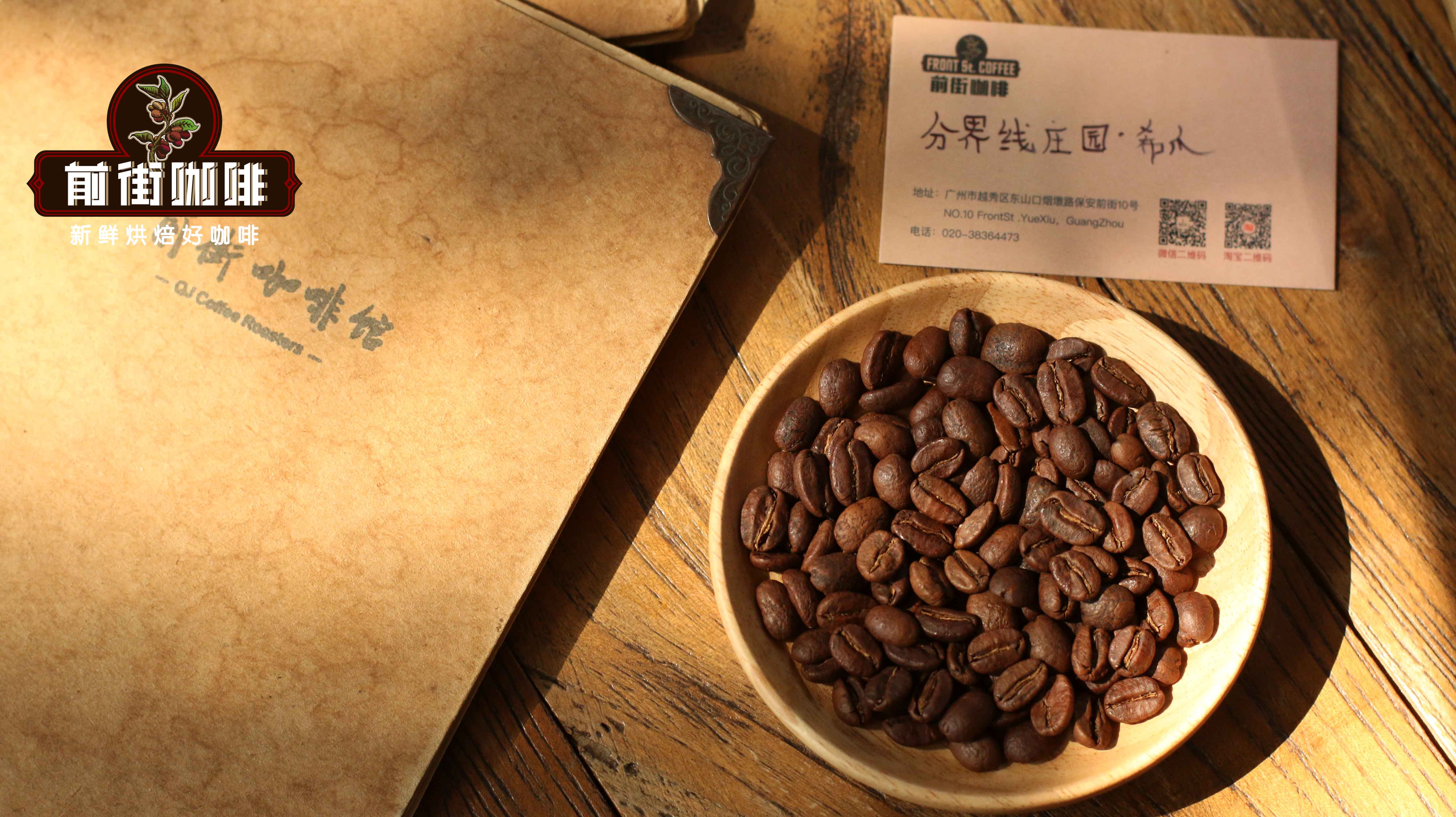
A representative of premium Brazilian coffee — Front Street Queen Estate This estate enjoys an excellent reputation in the Brazilian coffee industry, belonging to a well-known local coffee family. It has won awards in Brazil's COE competition for consecutive years, with over 12 awards in seven years, and in 2004, it took first place along with 9th and 11th places. All coffee cherries on this estate are hand-picked, making it one of the few estates in Brazil that insists on fully manual harvesting. After picking ripe cherries, farmers send them to the estate's own processing facility on the same day for Pulped Natural processing: the harvested cherries are immediately washed, the skin and pulp removed, followed by a brief fermentation, and then immediately laid out to dry.
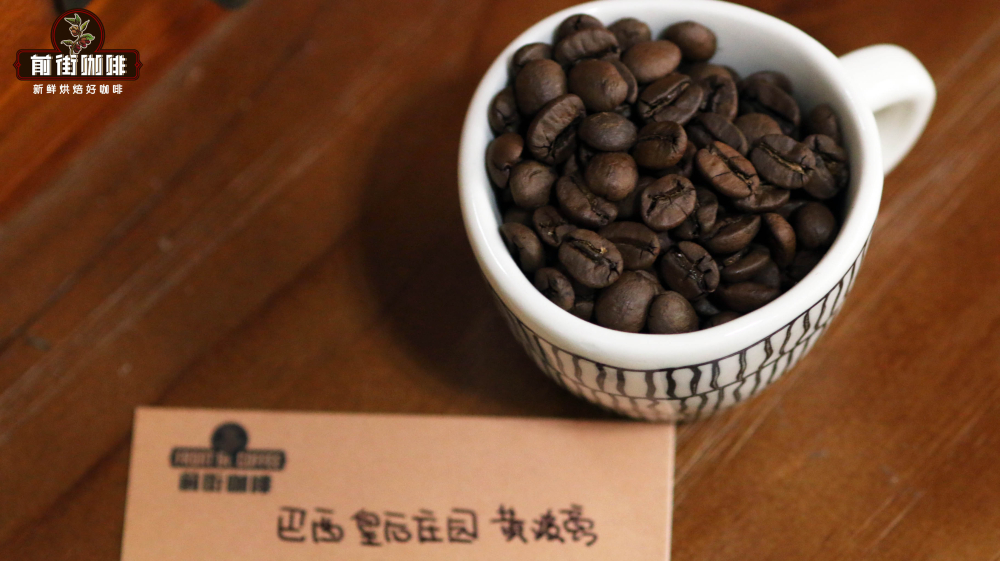
Front Street Brazil Queen Estate belongs to the Yellow Bourbon variety, a rare coffee with yellow cherries, where a recessive gene causes the fruit to turn yellow. Front Street Brazil Queen Estate coffee beans are indeed Yellow Bourbon, with an outstanding flavor profile. Compared to ordinary Brazilian coffee beans, this Front Street Brazil Queen single-origin coffee bean has very high sweetness, with flavor notes of roasted nuts, cocoa, and sugarcane.
No.2 Indonesia - Front Street Mandheling
Indonesia is Asia's largest coffee-producing region, with major coffee-growing areas distributed across Java, Sumatra, and Sulawesi. The most widely known Indonesian coffee beans are Front Street Kopi Luwak, and the other is the well-known Front Street Sumatra Mandheling.
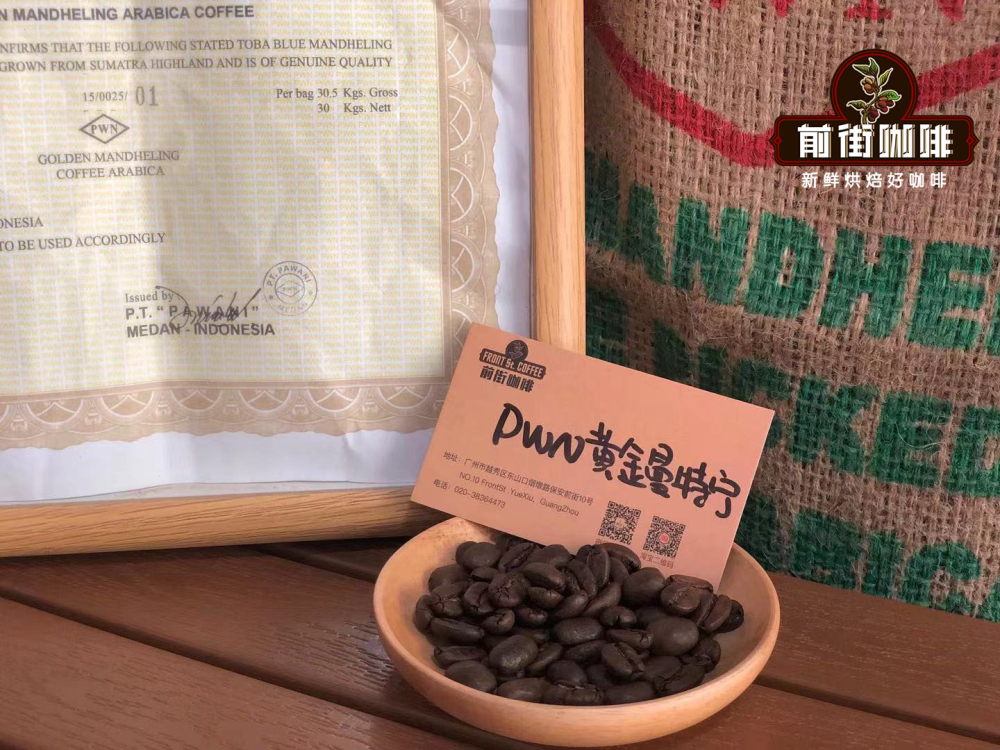
Front Street Indonesia Mandheling coffee is widely recognized as the world's most full-bodied coffee, and is also jokingly called the ugliest-looking coffee bean by many, yet its flavor is unforgettable. Generally speaking, Arabica coffee beans from North Sumatra can all be classified as Mandheling coffee.
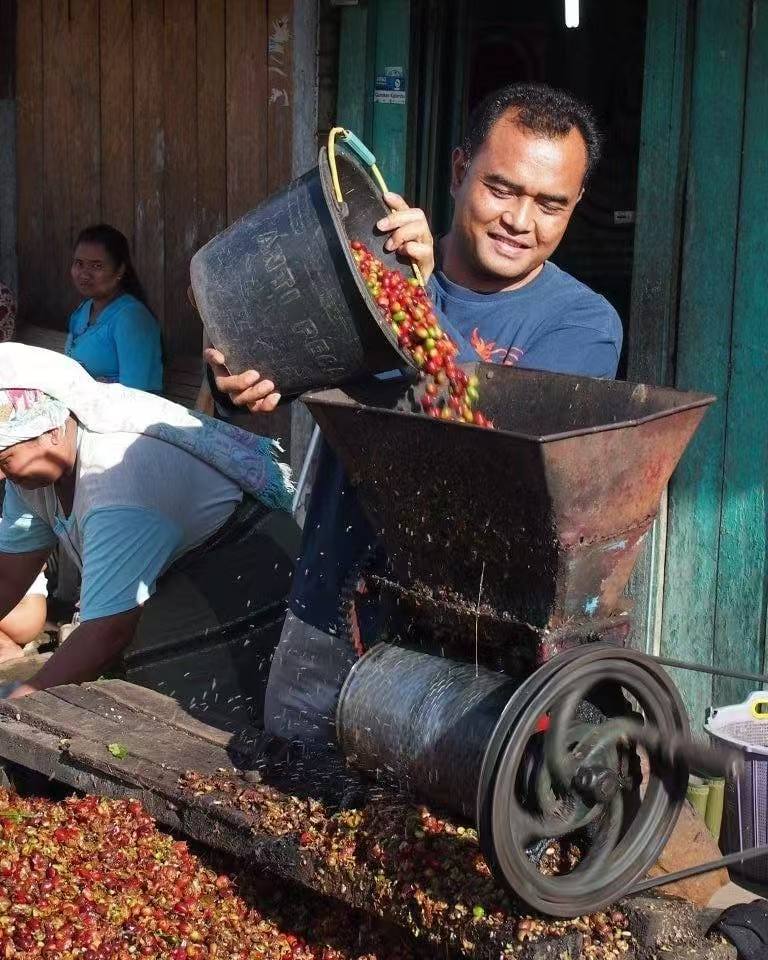
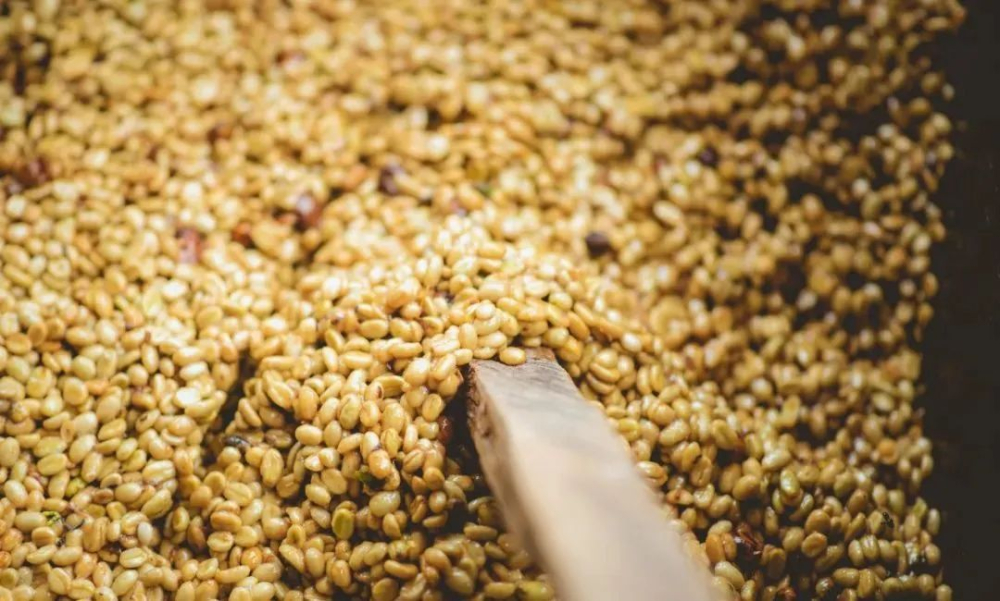
Front Street Mandheling coffee all uses Indonesia's unique wet-hulling method for processing. The basic process of wet-hulling used by Indonesians is as follows: farmers first pick ripe coffee cherries and put them into water tanks for flotation to remove debris and immature cherries. Then, the pulp and skin are removed using a depulper, retaining the parchment and mucilage, followed by a brief fermentation to break down the mucilage. The washed green coffee beans are then laid out to dry until moisture content drops to 20%-24%. Next, the parchment is removed by machine, and the hulled beans are dried again until moisture content drops to around 12-13%, completing the process.
Because the coffee beans are still semi-dry when the parchment is removed, the parchment is difficult to strip at this point, and the beans are highly susceptible to compression, often resulting in goat-foot beans, which is also the origin of the name "wet-hulling." This processing method gives Indonesian Mandheling its unique flavor, and only when properly handled can it achieve Mandheling's signature thick, full-bodied mouthfeel.
No.3 Colombia - Front Street Sidra
Colombia is the world's fourth-largest coffee producer, and its coffee has a relatively mild taste, with near-perfect flavor characteristics and impeccable quality. Colombian coffee exudes a delicate and elegant aroma, not as intense as Brazilian coffee, nor with the pronounced acidity of African coffee beans, but rather presenting a dark chocolate-like sweet finish, earning it the title of "coffee gentleman."
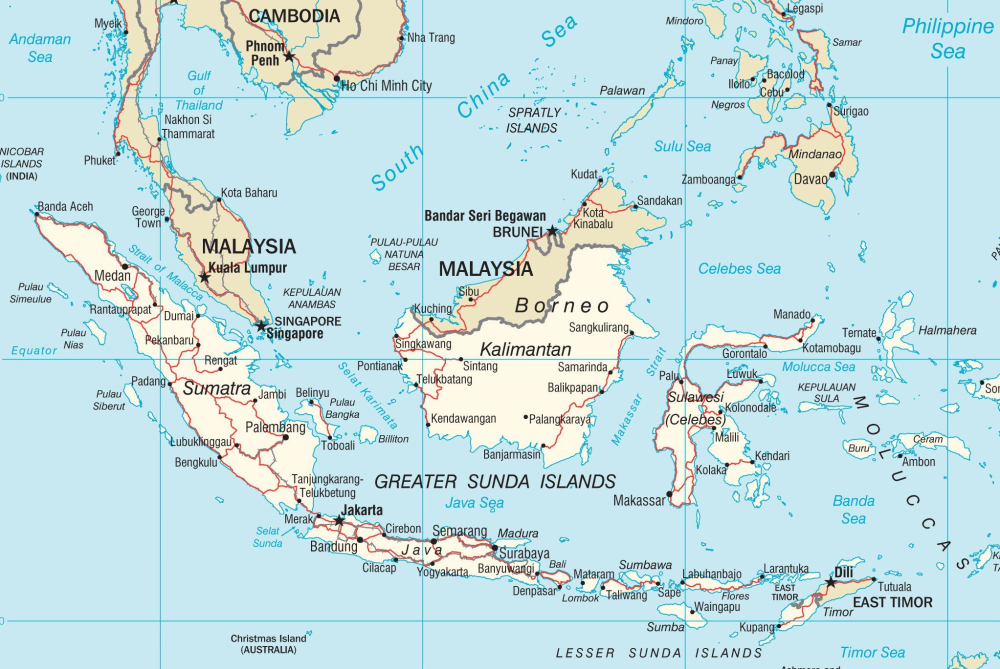
Colombian coffee beans are mostly grown near the Andes Mountains at high altitudes, where machinery cannot operate, so all harvesting is done by hand. Unlike Brazil, Colombian coffee beans are primarily processed using the washed method. Front Street Colombia Huila features a very classic rich nutty and chocolate flavor. Additionally, two outstanding coffees from the La Diviso estate in the Huila region are Front Street Sidra and Front Street Ombligon, which when brewed exhibit rich aromas of passion fruit, grape, apricot, dried fruit, and citrus.
No.4 Costa Rica - Front Street Mozart
Costa Rica is located in Central America and was the first country in Central America where coffee was introduced and cultivated, with a very long history. The local volcanic soil is very fertile with good drainage, especially in the Central Plateau region, where the volcanic terrain provides fertile volcanic ash, mild and suitable temperatures, and stable, abundant rainfall, constituting indispensable conditions for growing high-quality coffee. Costa Rica's main coffee varieties include Bourbon, Caturra, Catuai, Villa Sarchi, Villalobos, and others.
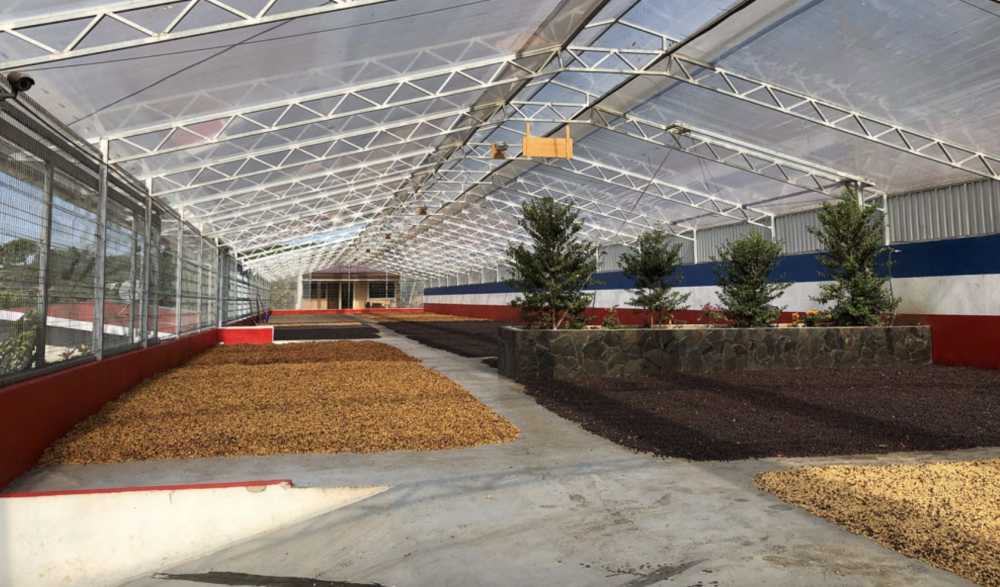
Costa Rica has also developed its own system for coffee bean processing, known as honey processing. Compared to regular washed processing, honey-processed coffee has higher sweetness, higher sugar content, and relatively more pronounced body. Costa Rica's honey processing retains the cleanliness of washed processing; although the brightness of the coffee is somewhat reduced, the sweetness and caramel mouthfeel are enhanced. Depending on the degree of honey processing, Costa Rican honey-processed coffee beans are further classified into yellow honey, red honey, and black honey.
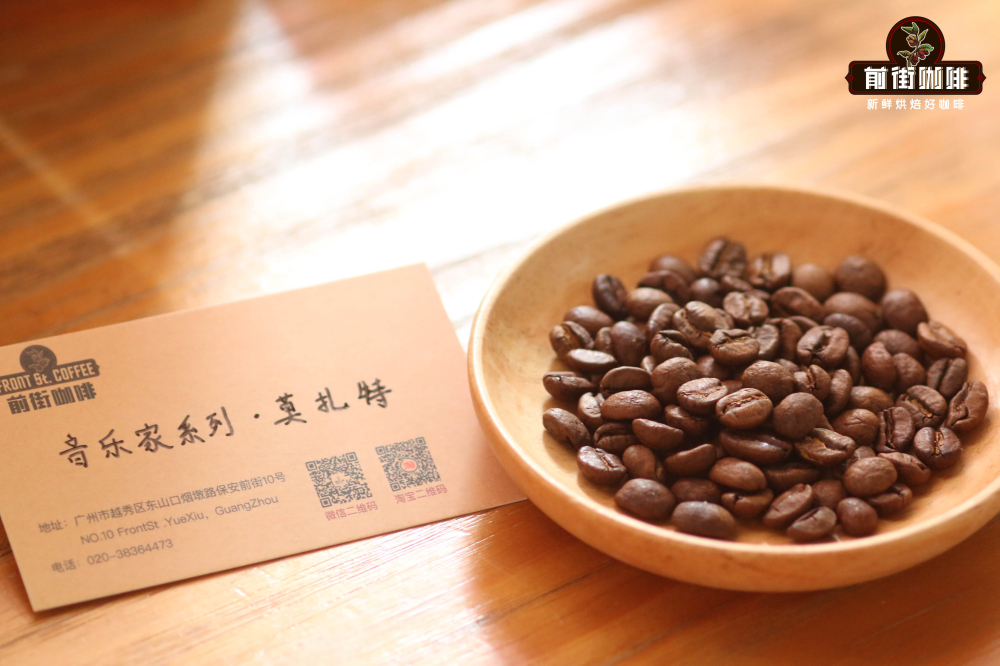
Front Street Mozart uses raisin honey processing, with the most balanced flavor — the aromas of Geisha, raisin, pineapple, and tropical fruits are very sweet, paired with mild acidity, creating very rich layers of flavor; another coffee, Front Street Blackberry, uses Costa Rica's famous black honey processing, retaining more mucilage while making the coffee's fruity aroma more full-bodied, presenting comforting flavors of grape, floral, citrus, and peach when brewed.
No.5 Ethiopia - Front Street GutingGuting
When mentioning Ethiopian coffee beans, people always think of their unique flavors. About 15% of the population in this East African country depends on the coffee industry for their livelihood. Ethiopians have an extremely rich coffee culture and are very fond of drinking coffee, consuming about half of the country's coffee production.
According to Front Street's understanding, Ethiopia has approximately 10,000 to 15,000 heirloom varieties. Due to local technological and economic constraints that do not support corresponding coffee variety identification, and the government's reluctance to disclose variety information out of protection for wild coffee, Ethiopian coffee bean varieties are collectively referred to as Ethiopian heirloom varieties. Currently, Ethiopian coffee is generally divided into two categories: JARC varieties and local heirloom varieties.
There are many specialty coffee beans belonging to Ethiopia's local heirloom varieties. Recommended are Front Street GutingGuting with white floral and lime notes, Front Street Red Cherry with berry and slight fermented notes, and Front Street Huakui with creamy strawberry and tropical fruit notes.
No.6 Kenya - Front Street Little Tomato
Kenya is located in East Africa, bordering Ethiopia, the birthplace of coffee. Kenya did not introduce coffee until close to the 20th century, during which coffee traveled nearly all the way around the globe before returning to Africa. However, according to Front Street's understanding, although Kenya's coffee development started late, Kenyan specialty coffee is now renowned worldwide.
Kenyan coffee beans are continually recognized for their flavor with fresh cherry tomato-like acidity. The two most prestigious coffee varieties in the Kenya region are SL28 and SL34. But according to Front Street's understanding, in subsequent development, SL28 proved superior in adaptability and flavor. SL28 has blackcurrant-like acidity, ample sweetness, excellent balance and complex, variable flavors, with prominent citrus and smoked plum characteristics. SL34 has bright fruity flavors with a soft, clean mouthfeel.
Another famous aspect of Kenyan coffee is its green bean processing method, known as the Kenyan washed processing method. This washed processing differs from regular washing and is called the K72 processing method. Compared to Central American washed processing, Kenyan washed processing undergoes three washes, then ferments for 24 hours during the washing process before drying. Generally speaking, coffee beans processed with the washed method have very pronounced acidity and a very bright mouthfeel, which is also a major characteristic of Kenyan coffee.
Front Street Coffee has acquired a Front Street Kenya Little Tomato coffee bean, whose wet aroma exudes ripe tomato and rich floral notes, with cherry tomato and smoked plum flavors on the palate, bright acidity, and a very clean mouthfeel.
No.7 Rwanda - Front Street Red Bourbon
Rwanda has a temperate and tropical highland climate, with an average temperature of 24.6-27°C, lower than typical equatorial countries. Coffee is mostly grown in the mountainous western regions and other areas, where temperatures are lower and temperature differences greater than in the eastern lowlands. For example, Lake Kivu in the north has an average altitude of 1,463 meters, with an average daily temperature of around 22°C, and combined with fertile volcanic soil, it is very suitable for growing coffee.
Rwandan coffee is primarily processed using the washed method. The general process is as follows: harvested coffee cherries are subjected to flotation to remove less dense cherries, then depulped, and the mucilage-covered beans are left to ferment in water tanks. The purpose of fermentation is to avoid damaging the coffee's flavor. After fermentation is complete, the mucilage layer is washed off with clean water, and finally the clean beans with parchment still intact are sent for drying. Some coffees are dried on raised beds for 15-22 days, reducing the green bean moisture content to around 11% to 13%.
Front Street Rwanda Washed is Red Bourbon, an ancient high-quality Arabica variety with stable flavor expression. To highlight more floral and fruity notes, it is given a medium-light roast, presenting citrus sweetness with bright acidity, berry and apple notes, honey sweetness in the mid-palate, excellent sweetness and balance, and an almond and chocolate finish.
No.8 Jamaica - Front Street Blue Mountain
Authentic Front Street Jamaica Blue Mountain No.1 coffee beans brew a flavor that is very distinctive — extremely clean and bright, with excellent body, and a perfect balance of acidity, sweetness, and bitterness, making Jamaica Blue Mountain coffee world-famous. Authentic Front Street Blue Mountain coffee in Jamaica is only grown in the Blue Mountain range, and only coffee beans at altitudes between 1,000-1,700 meters can be called authentic Front Street Blue Mountain coffee beans.
Front Street Blue Mountain coffee beans processed with the washed method have a very clean, balanced, and full-bodied taste. But times are evolving, and people no longer seek the fixed flavors brought by single-origin and single-processing methods. Therefore, to adapt to the market, Jamaica's Clifton Estate has adopted a different natural processing method for Blue Mountain green coffee beans, so the naturally processed Front Street Jamaica Blue Mountain coffee beans you purchase from Front Street are equally authentic.
No.9 Panama - Front Street Boquete Geisha
Compared to other Central American countries, Panama has a relatively short history of coffee cultivation, yet its reputation is exceptionally loud, and it is universally known in the specialty coffee circle. Today, coffee has become an ubiquitous beverage on Panamanian tables, from corner inns to high-end restaurants, where Panama's own coffee can be found.
Panama is located in Central America, surrounded by quality coffee-producing countries — Costa Rica to the left and Colombia to the right — making its coffee journey one of being born with a silver spoon. Front Street, by observing the map, found that Panama is sandwiched between two ocean currents, with airflows from the Caribbean Sea and Pacific Ocean converging at over 6,500 feet in the Boquete Valley, forming a unique and variable microclimate. This not only creates an environment with moderate temperature and humidity but also, with the influence of volcanic soil, makes coffee cherries grown here more prone to developing rich and diverse aromatic characteristics.
As the place where Geisha rose to fame, Panama, with its mature cultivation techniques and processing methods, ensures that the Geisha coffee produced has a solid reputation in the industry. To taste the classic Geisha flavor, we recommend purchasing Front Street Boquete Geisha coffee, which uses washed processing, hoping to let everyone experience the classic Geisha flavor.
No.10 China Yunnan - Front Street 2013 Typica
Most coffee varieties in Yunnan are currently Catimor, a hybrid of Timor and Caturra, known for strong disease resistance and high yield, occupying a place among Central American coffee varieties. Among the Yunnan coffees offered by Front Street, one is Front Street Yunnan Small Bean Coffee, which is of the Catimor variety. Front Street Yunnan Small Bean Coffee — small bean coffee originated in Ethiopia or the Arabian Peninsula. The main growing regions are distributed across Lincang, Baoshan, Simao, Xishuangbanna, Dehong, and other prefectures.
Due to Yunnan's year-round high temperatures and abundant rainfall, Yunnan coffee farmers make full use of these natural conditions by using the washed processing method for coffee beans: harvested coffee cherries are depulped using a depulper to remove skin and pulp, then the processed beans are placed into clean water tanks and soaked for about 18 hours, using fermentation to remove residual mucilage, after which they can be laid out for drying.
Typica is rarely grown in Yunnan, but Typica coffee has an excellent flavor. Front Street began trial-planting Typica in Yunnan as early as 2013, and in 2021 produced a batch at scale. The brewed flavor was also very good, and Front Street named this bean "Front Street 2013."
So Front Street also conducted cupping and brewing experiments with this Front Street Yunnan Small Bean Coffee and Front Street 2013 Typica Coffee. We believe that the coffee style of the Yunnan producing region is relatively balanced, with a base tone of nutty and brown sugar flavors.
The above content is compiled by CoffeeHunters, a coffee news website.


