







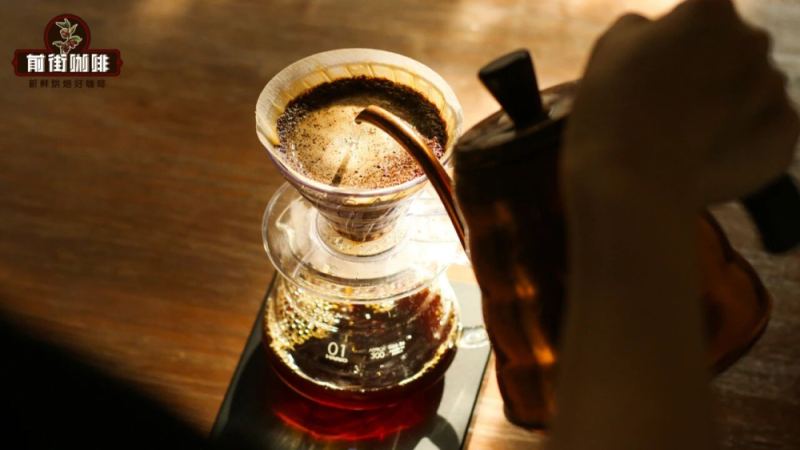
How Should Beginners Pick Hand-Brewed Coffee Beans?
Beginners choosing hand-brewed coffee beans should start with single-origin beans and pay attention to roast level, since those two factors shape flavor most. Single-origin coffee comes from one place and shows that place's character more clearly, while light roasts tend to carry floral and fruity notes with livelier acidity, which helps a new drinker explore a single origin.
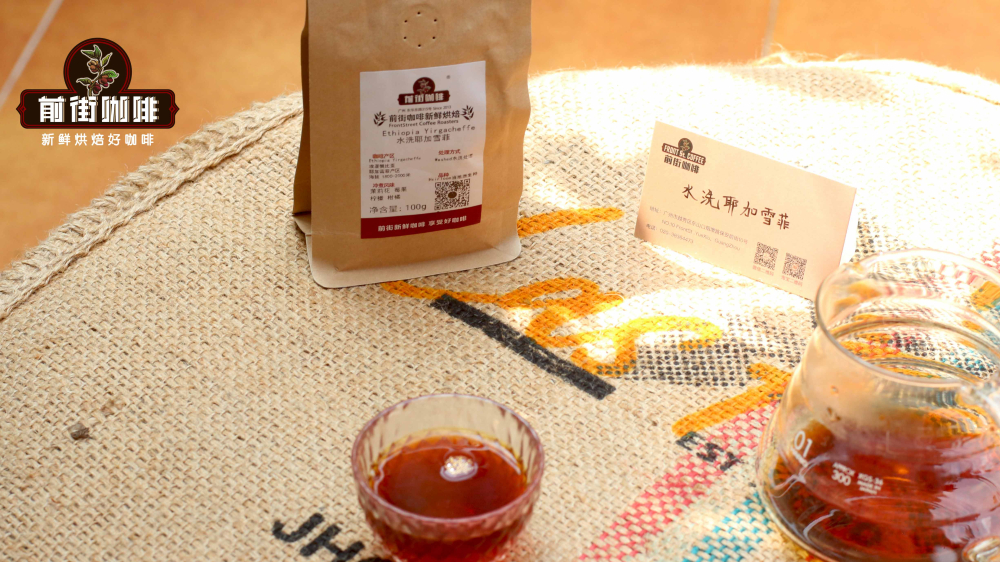
The guide collects ten specialty beans from Front Street Coffee across classic origins such as Blue Mountain, Mandheling, Geisha and Yirgacheffe, each listed with country, region, altitude, variety, processing method and flavor description. Beans like Front Street Yirgacheffe and Front Street Costa Rica suit lighter roasting, though the most expensive coffee in the world often comes from an entirely different process worth knowing about.
The charm of pour-over coffee lies in its rich, layered flavor expression, and choosing the right coffee beans is the first step toward a delicious cup. Faced with a dazzling array of options, beginners often don't know where to start. This article approaches the topic from two core factors—origin and roast level—to help you build a basic logic for selecting beans, and compiles ten specialty coffee beans from Front Street Coffee covering different flavor profiles, including classic origins such as Blue Mountain, Mandheling, Geisha, and Yirgacheffe. Each one comes with detailed information on country, region, altitude, variety, processing method, and flavor description, making it easy for you to find the cup that suits you.
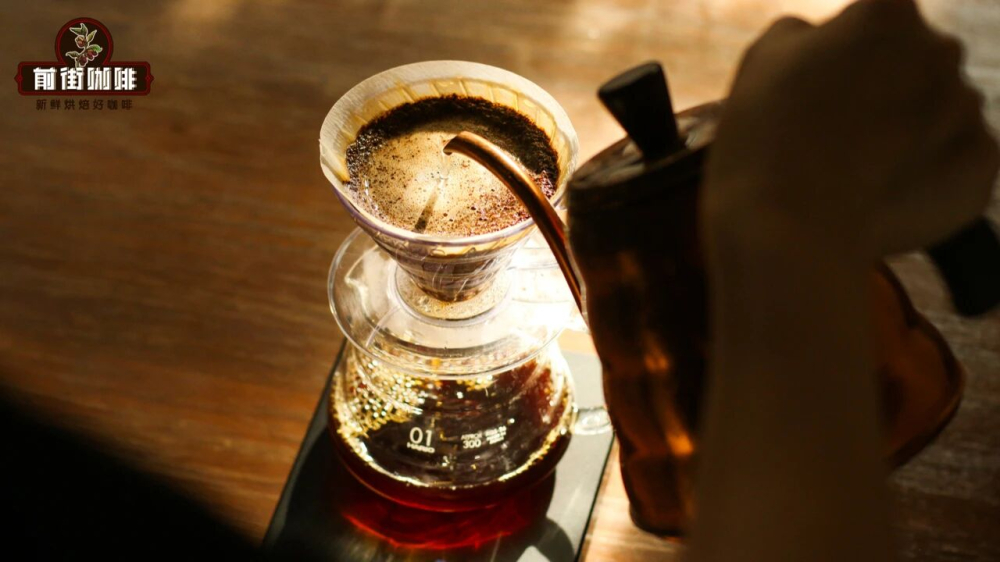
Pour-over coffee is currently at the height of its popularity, with both professional baristas and everyday enthusiasts constantly emphasizing the delicate layers this brewing method brings. Choosing a bean that matches your taste is especially crucial, but the market offers so many options—how exactly should you go about it? Front Street Coffee has put together some practical bean-selection tips here, along with a list of coffee beans worth trying, hoping to help those of you who are struggling to decide.
If you're new to pour-over, there's no need to be timid. The most appealing thing about pour-over is that it's hardly picky about beans—the real key is finding the one you enjoy drinking most comfortably.
There are quite a few variables that influence coffee flavor, but two are most central: origin and roast level.
If a bag of coffee beans comes entirely from the same origin, it's single-origin coffee; if it blends beans from multiple origins, it's a blend. Front Street Coffee recommends starting with single-origin beans, as a single origin can more vividly showcase the unique terroir character of a particular place.
Roast level largely determines the final flavor direction.
Light roasts tend to carry pronounced floral or fruity notes, with a gentler vinous character and livelier acidity. These beans are great for experiencing the subtleties of a single origin, such as Front Street Yirgacheffe and Front Street Costa Rica. Yirgacheffe is where many people begin their journey into coffee. To highlight the signature citrus and floral notes of Front Street Gedingding, Front Street's roasters specifically designed a profile that makes this bean taste clean and crisp, with particularly prominent caramel sweetness.
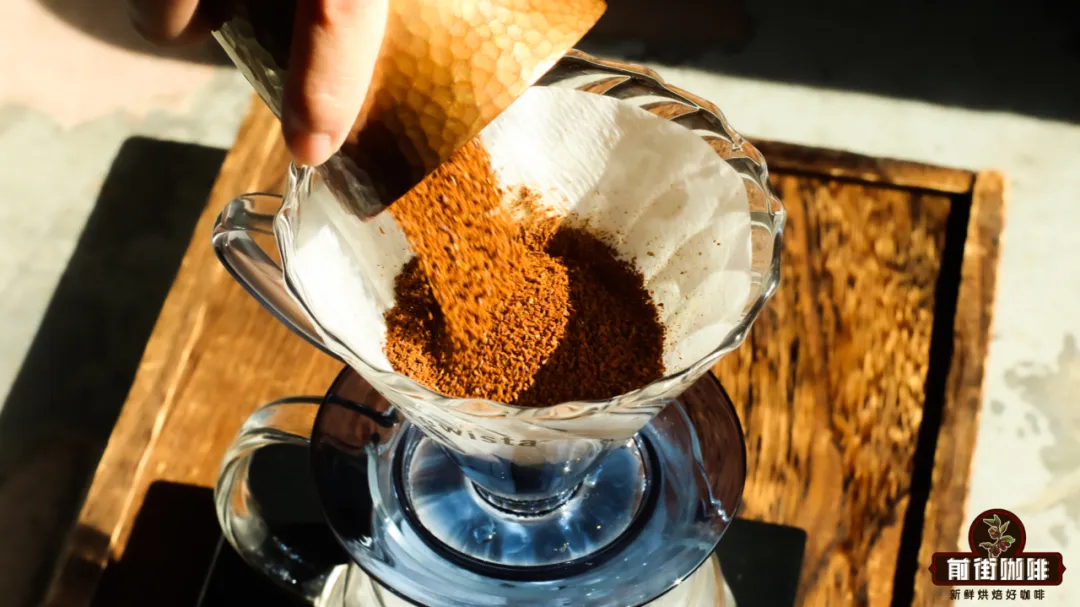
Sugars undergo caramelization during roasting, so medium roasts are sweeter and less acidic than light roasts, with a rounder mouthfeel and a hint of subtle smoky aroma. Front Street Colombia Huila is a classic example.
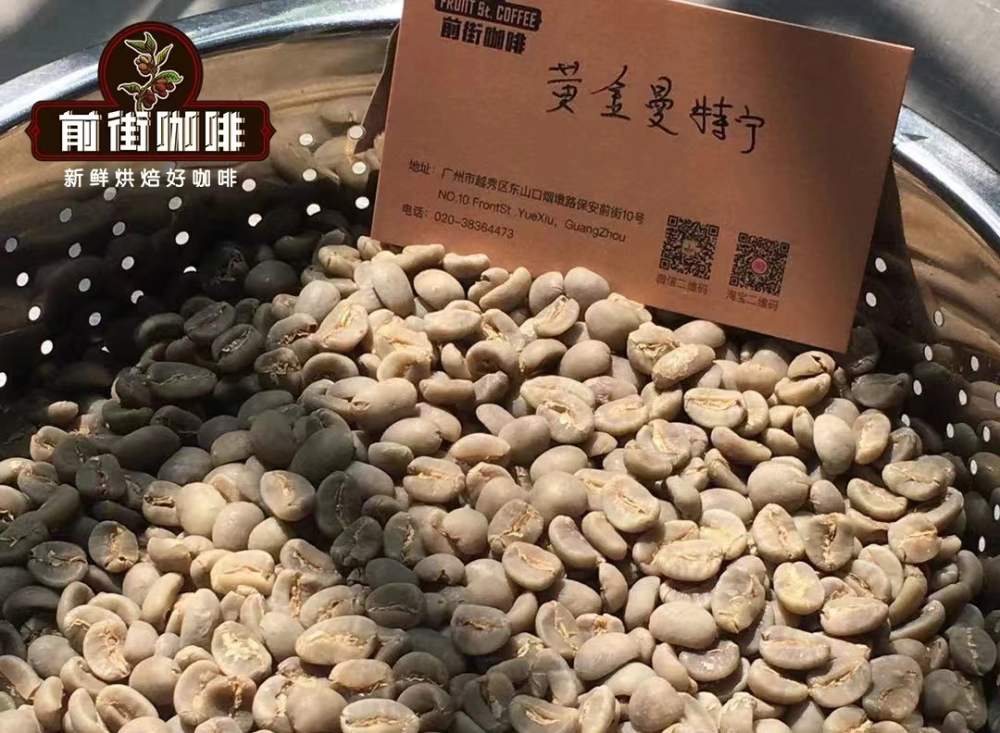
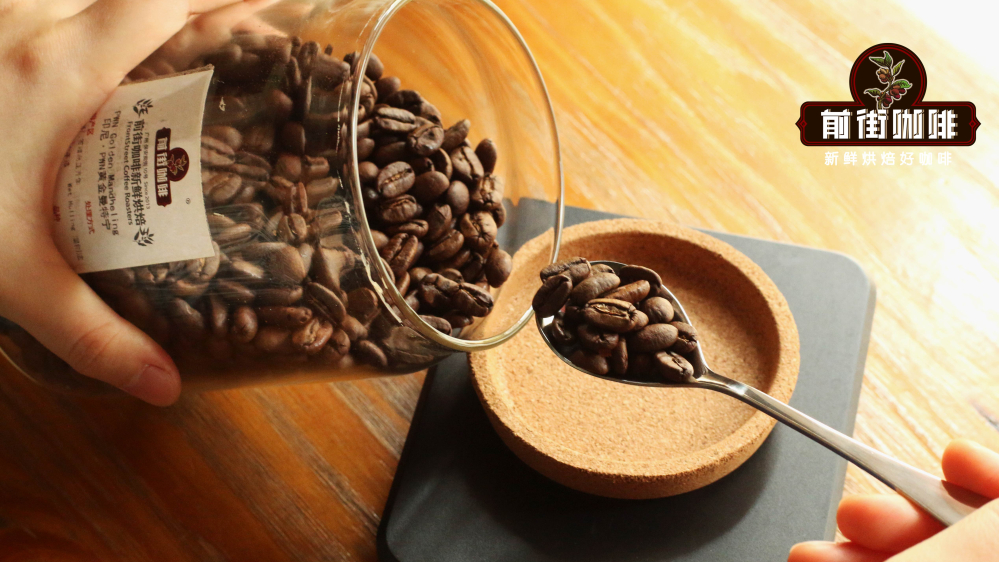
A high-quality dark roast presents a complex interplay of bitter and sweet, with a rich and bold vinous character and striking chocolate-like aromas developed during roasting. For those just starting out, it may feel a bit heavy. Front Street's dark-roasted beans are mostly concentrated in the Mandheling series, and here we'd like to introduce Front Street Golden Mandheling in particular. Front Street's Mandheling is produced by PWN after purchasing raw materials locally in Indonesia. Compared to regular Mandheling, Front Street Golden Mandheling has a stronger sweet aftertaste and clearer sucrose aroma. Although only Mandheling produced by PWN qualifies as true Front Street Golden Mandheling, Golden Mandheling itself has limited production, and most of the large-bean select Golden Mandheling on the market is not actually from PWN.
Generally speaking, Front Street recommends a coffee-to-water ratio of around 1:15. Of course, this number can be flexibly adjusted to personal preference—if you want it stronger, use less water; if you prefer a lighter taste, or find 1:15 too intense, try 1:16. Nothing is set in stone.
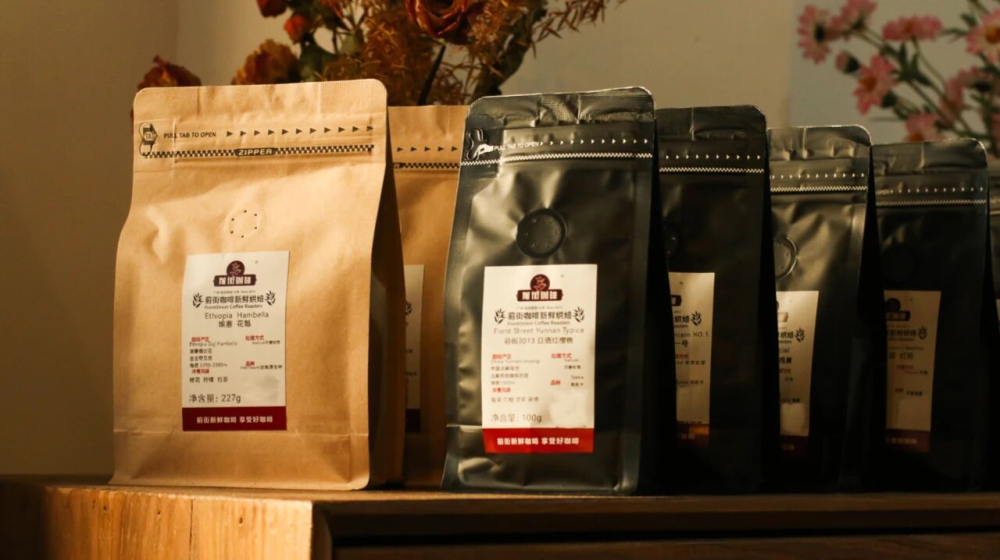
Below, Front Street rounds up ten of its most impressive coffee beans for coffee lovers' reference (in no particular order).
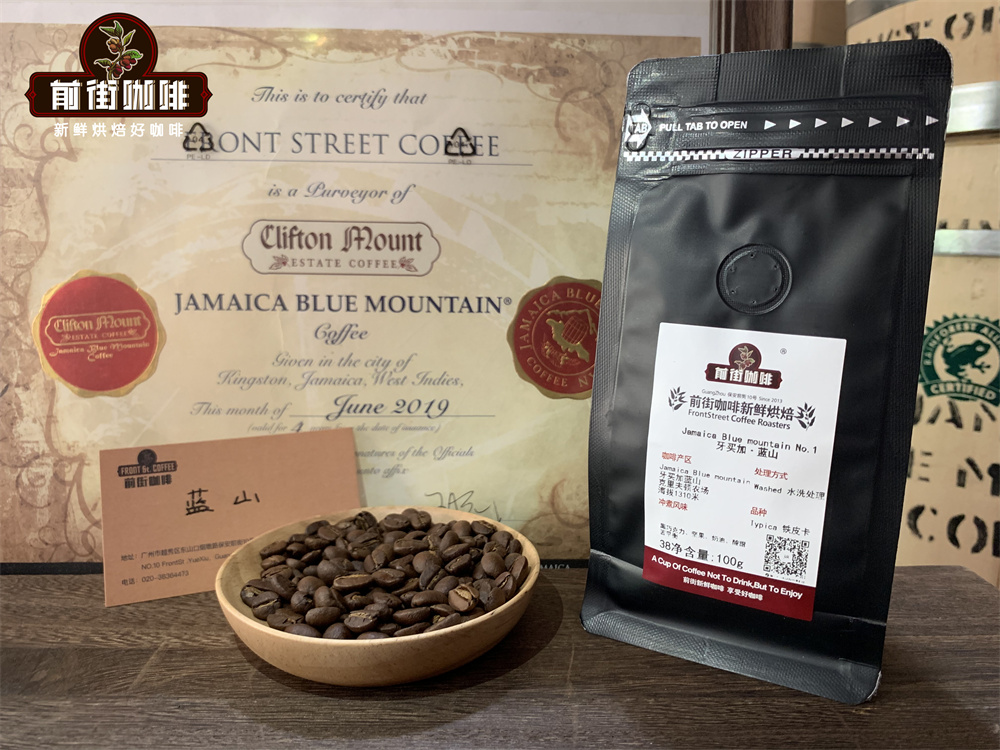
Front Street Jamaica Washed Blue Mountain Coffee Beans
Country: Jamaica Region: Blue Mountain Altitude: 1310m Variety: Typica Processing: Washed Flavor Description: Dark chocolate, nuts, cream, balanced acidity, sweetness, and bitterness
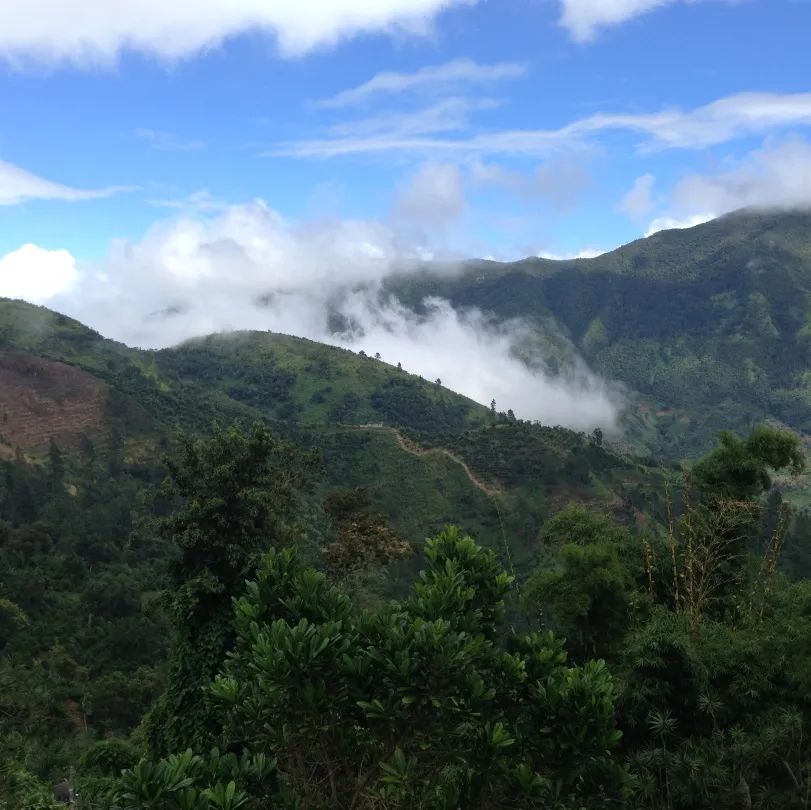
Many people have surely heard of the fame of Blue Mountain coffee—instant products bearing the Blue Mountain name are commonly seen in shopping malls, which shows just how well-known it is. Blue Mountain coffee is renowned for its clean flavor, and the genuine Blue Mountain region covers only 6,000 hectares, so it's impossible for all coffee labeled Blue Mountain to actually come from there. This makes beans from the authentic Blue Mountain region one of the most expensive coffees in the world.
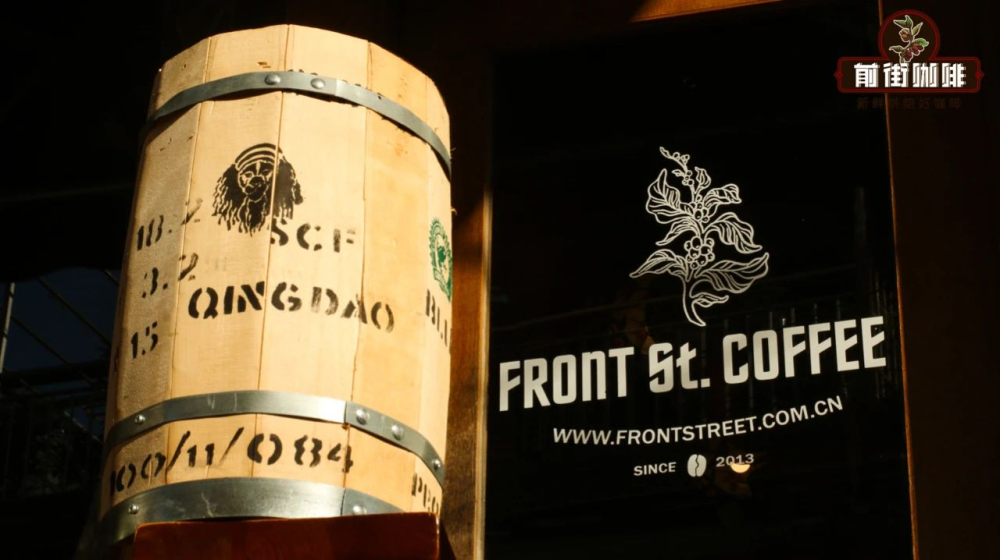
The Blue Mountain coffee Front Street imports comes from Clifton Mount Estate, the largest coffee estate in the Blue Mountain region. This family has cultivated this land for two centuries, and Clifton Farm is the only one in Jamaica to hold the Rainforest Alliance certification. This certification is only granted to farms that meet sustainable agriculture system standards, and the Rainforest Alliance logo is printed on the barrels—which is precisely why Front Street chose their estate's Blue Mountain coffee.
You can verify the authenticity of Blue Mountain coffee by three standards: the export company designated by the Jamaica Coffee Industry Board, the only region that ships raw beans in wooden barrels, and the frog Rainforest Alliance certification on the barrel lid.
Front Street Indonesia PWN Golden Mandheling Coffee Beans
Country: Indonesia Region: Sumatra, Aceh, Mount Gayo Altitude: 1100-1600m Variety: Ateng Processing: Wet-hulled Flavor: Baked toast, nuts, pine, caramel, herbal
This Front Street Golden Mandheling is the latest batch released by PWN in recent months. Unlike previous batches, these beans come from Mount Gayo in Aceh, Sumatra, whereas earlier ones used raw materials from Lake Tawar in Sumatra. After cupping, Front Street found that the new Golden Mandheling has more prominent baked toast flavors and a fuller body by comparison.
PWN is the benchmark for Indonesian Golden Mandheling quality, with bean selection standards far stricter than regular Mandheling—requiring four rounds of manual defect removal, and only qualified good beans are sent to the processing plant. This way, impurities and earthy notes are cleaned up, making it taste more refreshing while retaining the herbal character unique to Indonesian beans, resulting in an unforgettable flavor.
Indonesian Mandheling is also one of the most recognizable categories in the coffee market. Front Street considers its richness and fullness to be among the best of all coffee varieties, and therefore specifically imported it for coffee lovers to taste.
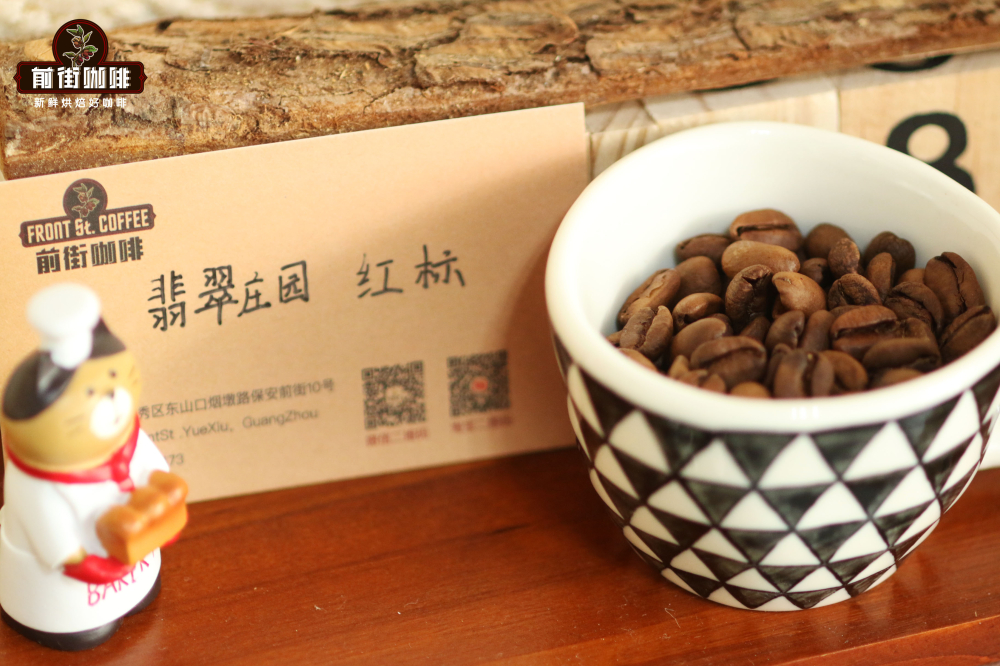
Front Street Panama Hacienda La Esmeralda Red Label Geisha Coffee Beans
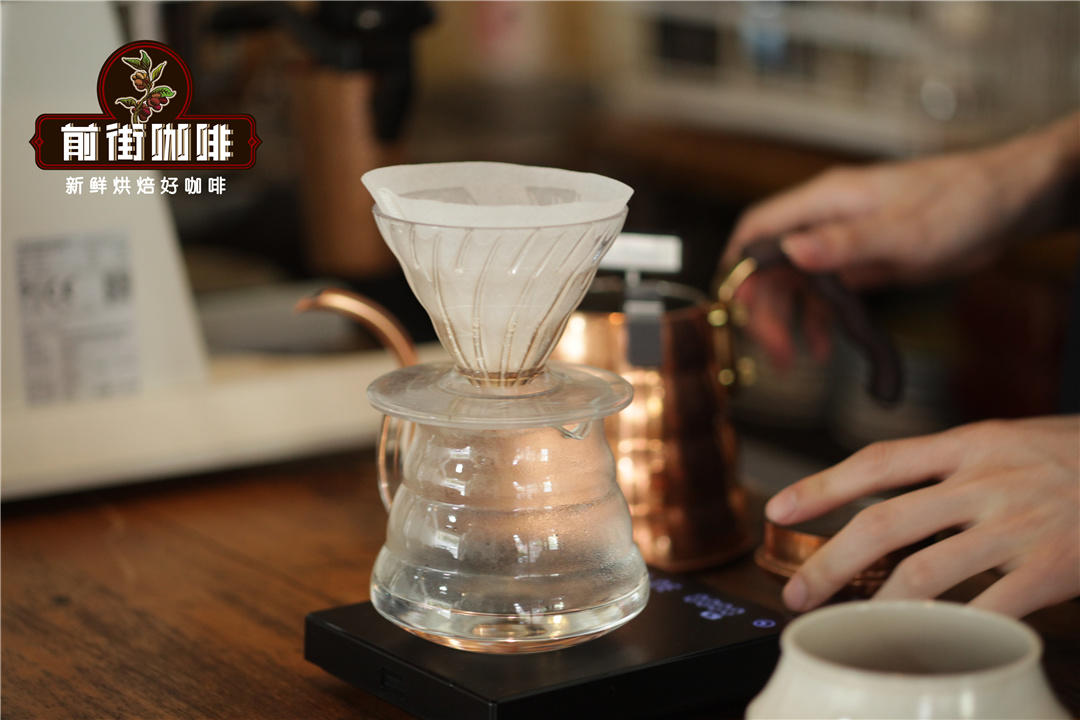
Country: Panama Region: Boquete (Hacienda La Esmeralda) Altitude: 1700 m Variety: Geisha Processing: Natural Flavor: Rose, honeysuckle, sweet potato, grapefruit, lemon, black tea, sucrose
Among the most sought-after coffees in recent years, Geisha certainly holds a place. And it was Hacienda La Esmeralda that made Geisha famous. When the estate first discovered that Geisha's flavor was distinctly different from local Panamanian coffee—leaning more toward orange and floral notes—they began in-depth research and sent it to competition, where it won first place and skyrocketed to fame. Hacienda La Esmeralda subsequently classified its Geisha trees according to the microclimates of different plots, which is how the Red Label, Green Label, and Blue Label Geisha seen at Front Street came to be.
Red Label Geisha is the most expensive of the three because it uses Geisha cherries from the highest-altitude areas of Hacienda La Esmeralda, with extremely fine plot divisions, and only lots submitted to the Hacienda La Esmeralda auction that score above 90 in cupping are selected. With such superior quality, the price is naturally high.
Green Label and Red Label Geisha come from the same altitude; the difference is that Green Label is a blend of beans from two areas of Hacienda La Esmeralda and does not participate in auctions, making it more affordable. Blue Label Geisha uses coffee cherries from lower-altitude plots and blends fruit from three areas of the estate, making it the most economical of the three.
Front Street Ethiopia Washed Gedingding Coffee Beans
Country: Ethiopia Region: Yirgacheffe Altitude: 1900-2300m Variety: Local heirloom varieties Processing: Natural Flavor: Citrus, black tea, floral, cream, caramel, almond
Ethiopia holds a pivotal share of the coffee market, and the Yirgacheffe region in particular has won over coffee lovers worldwide with its distinctive citrus-lemon character and delightful fruity acidity. As Front Street has mentioned in previous articles, Yirgacheffe was originally just a small town within the Sidamo region, and it was only because its flavor was so unique that it was separated out—which itself speaks to how special it is.
According to Front Street's research, the Gedingding cooperative in the Yirgacheffe region was originally under the Worka cooperative of the Yirgacheffe Coffee Farmers' Cooperative Union (YCFCU). Later, as the industry's demand for traceability of raw beans grew ever higher, single origins were discovered one by one by coffee hunters around the world. In 2012, Gedingding, with about 300 members, officially became an independent cooperative. Gedingding Village was the first village area to be separately delineated, and many smallholders were originally members of the Worka cooperative, so their cultivation expertise is naturally assured.
Front Street brings this washed Gedingding from Yirgacheffe to coffee lovers for tasting—those who prefer citrus-lemon acidity should not miss it. This bean is washed, giving it a fresher, more transparent taste, and the washed process also better highlights its flavor characteristics.
Front Street Ethiopia Sidamo Huakui Coffee Beans
Country: Ethiopia Region: Hambela Altitude: 2250-2350 Variety: Local heirloom varieties Processing: Natural Flavor: Rose, cream strawberry, citrus, passion fruit, oolong tea
The renowned specialty bean Huakui comes from the Guji region of Ethiopia. Guji was originally part of the Sidamo region and was later separated into its own coffee region due to its outstanding flavor, though many people still habitually classify Huakui under Sidamo. Front Street has tried beans from multiple Ethiopian regions, including Yirgacheffe, which along with Sidamo is one of Ethiopia's two major specialty regions. In comparison, the two have distinct characteristics, but as Ethiopian beans, their bright fruity acidity is shared. Yirgacheffe's acidity leans toward citrus-lemon with a hint of jasmine; Sidamo's acidity is closer to strawberry jam and passion fruit, accompanied by a creamy texture.
Huakui first came to public attention in 2017, when Ethiopian DW Green Bean Company submitted its beans to the TOH (the Taste of Harvest) competition hosted by the African Coffee Association, and the natural lot took first place in Ethiopia. That lot of raw beans was imported that year by Beijing green bean trader "Hongsun International" and was named "Huakui" because of its championship status.
Front Street Coffee Ethiopia Natural Red Cherry
Country: Ethiopia Region: Yirgacheffe Altitude: 2300m Variety: Local heirloom varieties Processing: Natural Flavor: Berries, lemon, strawberry, fermented vinous notes
This Front Street bean is also from Ethiopia; what sets it apart from the two above is that it comes from the "Red Cherry Project" led by the Dutch company Trabocca, half-funded by the Dutch government. Since 2005, Trabocca has partnered with numerous small cooperatives, encouraging and helping producers improve washed, semi-washed, natural, or other experimental processing methods to enhance coffee quality. Before each harvest season, Trabocca invites selected smallholder organizations to participate in micro-lot coffee production, with 100% ripe red coffee cherries hand-picked (hence the name Red Cherry Project). This model creates a win-win: farmers provide quality beans, Trabocca purchases at high prices, and consumers get to enjoy great coffee.
The Red Cherry Project shares a similar idea with kopi luwak, except that Red Cherry relies on manual selection of 100% ripe, high-quality cherries, while kopi luwak lets civets use their sense of smell to pick the sweetest, ripest cherries.
100% ripe cherries are naturally of outstanding quality, so Front Street imported this Red Cherry coffee for coffee lovers to taste. Its flavor is no less impressive than the two Ethiopian beans above, and compared to washed processing, this natural Red Cherry has an extra layer of natural fermentation flavor.
Front Street Coffee Brazil Queen Estate Coffee Beans
Country: Brazil Region: São Paulo State (Queen Estate) Altitude: 1400-1950m Variety: Yellow Bourbon Processing: Pulped natural / natural Flavor: Nuts, cream, peanut, fermented fruit, sucrose
Veteran coffee lovers should be familiar with Queen Estate. This estate belongs to the prestigious Carvalho Dias family, whose four estates have won awards every year since the first Brazil COE competition in 1999, taking home more than 12 awards over seven years, and in 2004 even sweeping the champion, 9th place, and 11th place spots. Many estates in Brazil, large and small, have struggled for years just to place, yet this family keeps winning. Take Queen Estate's Fazenda Rainha, for example—it has a record of 2nd place in 2000, 3rd place in 2001, and 29th place in 2005, with three awards to date.
With such a background, this bean's flavor is naturally excellent. Front Street certainly wouldn't miss such an outstanding coffee and specifically imported it for coffee lovers to taste. This Brazil Queen Estate presents a quite pure American-style nut-and-cream character in its flavor.
Front Street Coffee Colombia Sidra Coffee Beans
Country: Colombia Region: Huila Altitude: 1700m Variety: Sidra Processing: Double anaerobic natural Flavor: Passion fruit, grape, dried apricot, citrus, fermented aroma
FrontStreet Coffee has several Colombian beans that are especially popular, and this Sidra is particularly sought after. The moment you open the bean canister, grape and fermented aromas rush out—rich and alluring—and the first sip is full of juicy fruitiness. That's why Front Street included it in its top ten must-try coffee beans to recommend to coffee lovers.
According to Front Street's research, this bean uses double anaerobic fermentation, a method that has become popular in recent years. It borrows from winemaking principles: coffee beans are placed in sealed containers with carbon dioxide injected to displace oxygen. In an oxygen-free environment, the breakdown of sugars in the mucilage slows down, the pH drops more slowly, and fermentation time is extended, thereby developing better sweetness and a more balanced flavor.
Front Street Coffee Kenya Cherry Tomato Coffee Beans
Country: Kenya Region: Thika (Asali Processing Plant) Altitude: 1750m Variety: SL28, SL34 Processing: K72 washed Flavor: Cherry tomato, smoked plum, snow pear, caramel, plum
Kenya is one of Africa's most representative coffee regions. Although it neighbors Ethiopia and is likewise known for bright acidity, its style is entirely different—not citrus-lemon acidity, but a distinctive cherry tomato acidity, which is precisely what makes it stand out among so many specialty beans.
Kenya's unique acidity in specialty coffee is inseparable from its processing method. Conventional washed processing selects highly ripe cherries, removes the skin and pulp, then soaks them in fermentation tanks to remove mucilage, a process that typically takes no more than 36 hours; Kenya's fermentation, however, lasts as long as 72 hours, after which the beans are dried until moisture content drops to 12%. Front Street believes that Kenya's distinctive washed processing method better showcases its bright acidity and full, juicy body.
The above content is compiled by CoffeeHunters, a coffee news website.


