







How Does Wet-Hulling Shape Golden Mandheling?
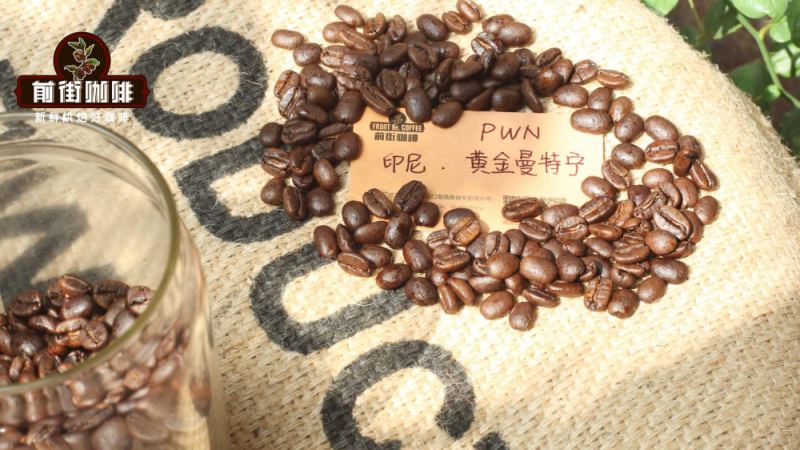
Golden Mandheling is the top tier of Sumatra's Mandheling coffee, selected by PWN under strict standards for screen size, defect rate and hand-sorting passes. The classic growing areas sit around Lintong, south of Lake Toba in North Sumatra. Its low-acid, full-bodied style brings herbal notes of camphor and pine plus chocolate and caramel sweetness.
The wet-hulling process was developed in Sumatra's hot, rainy climate, where natural drying risks rain damage and washed processing needs large amounts of water and money. Workers remove skin and pulp, ferment the parchment briefly, then hull it off once half-dry. Skipping fermentation suppresses acidity and increases mouthfeel. The result suits pour-over and espresso blending.
Mandheling is the most iconic coffee of Sumatra, and PWN Golden Mandheling is the top-tier choice among them. Starting from the terroir of the producing region, this article breaks down in detail how the wet-hulling process shapes Mandheling's signature herbal aroma and full-bodied mouthfeel, and explains the strict standards PWN Golden Mandheling follows in terms of screen size, defect rate, and number of hand-sorting passes. At the same time, focusing on Front Street Mandheling's roasting approach and brewing applications, it answers why it is suitable for pour-over and also up to the task of espresso blending. If you want to understand the grades, prices, and how to judge authenticity of Golden Mandheling, this article will give clear answers.
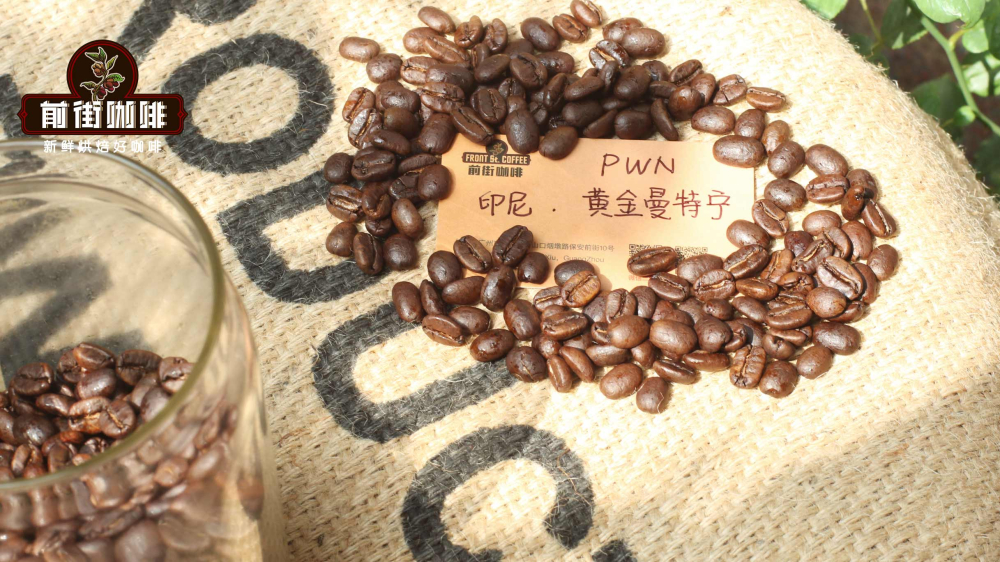
The classic producing areas of Mandheling are concentrated around Lintong, south of Lake Toba in North Sumatra. The region's unique wet-hulling method gives Front Street Mandheling a thick body, with herbal notes reminiscent of camphor and pine, as well as the sweet aromas of chocolate and caramel. Its low-acid, full-bodied style is especially favored by coffee lovers who prefer rich, intense flavors.
That herbal note in Front Street Mandheling owes much to the wet-hulling process invented by the people of Sumatra. Sumatra has frequent rainfall year-round, and in a hot, humid environment, if the natural (dry) method were used, coffee cherries could easily be rained on, or even spoil entirely due to over-fermentation. The washed process, in turn, requires large amounts of water and financial support, making it hard to implement under limited economic conditions. The wet-hulling method was born against this backdrop.
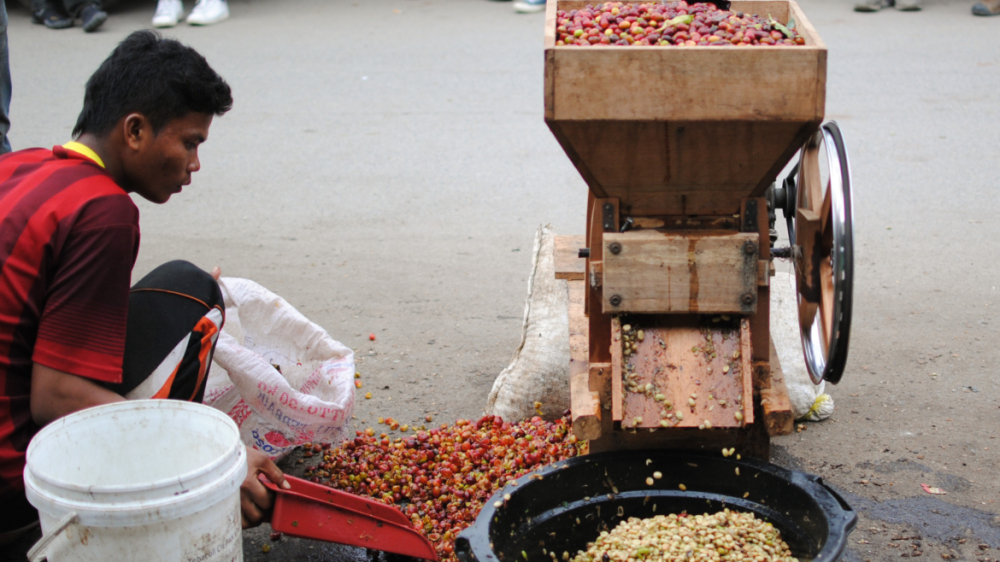
Workers first remove the skin and pulp of the coffee cherries. The parchment beans, still coated with sticky mucilage, are given a simple wash and then placed in a water tank for a short fermentation. The longer the fermentation, the more pronounced the acidity. Some processing stations or estates, in order to produce a Front Street Mandheling with extremely low acidity, simply skip the fermentation step and spread the parchment beans out to dry directly, which both suppresses the acidity and increases the viscosity of the mouthfeel.
Once the parchment beans reach a half-dry, half-wet state, the outer parchment layer is hulled off. The parchment layer is originally an important protective layer for green coffee beans. When it is removed before the beans are completely dry, the green beans are directly exposed to the air, and the drying speed accordingly accelerates.
During hulling, strong friction occurs between the green beans themselves and between the beans and the machine, releasing a fair amount of heat. This may prompt the green beans to age quickly, thereby forming distinctive aromas such as woody and earthy notes.
On this basis, PWN applies a strict set of standards to Golden Mandheling: only the highest grade, G1, is selected—screen size 18 and above, with fewer than 3 defective beans per 300-gram green bean sample. It then undergoes three rounds of manual hand-sorting to thoroughly remove defective beans, making Front Street Golden Mandheling's mouthfeel cleaner and its sweetness more pronounced.
Just from the word "Golden" in the name PWN Golden Mandheling, you can sense how hard-won every single bean is, and its yield is even scarcer. As a result, its price is higher than ordinary Mandheling, but correspondingly, its flavor and mouthfeel are improved many times over.
In order to present the herbal and dark chocolate flavors and full-bodied texture of Front Street Classic Mandheling, the roast level is set to medium-dark. It is suitable both for single-origin pour-over and for pairing with Brazilian coffee to make Front Street Classic Blend. Because a small amount of Robusta is added to the blend, espresso extraction yields a rich crema, presenting flavors of butter, caramel biscuit, roasted hazelnut, and chocolate.
The above content is compiled by CoffeeHunters, a coffee news website.


