







Which Coffee Machines Suit an Office Desk?
Office coffee falls into three practical routes: a small espresso machine, capsules or drip bags, and pour-over. Coffee machines split into fully automatic and semi-automatic. Fully automatic models grind, tamp, extract, and clean on their own and often steam milk, so cappuccino, mocha, and latte come with one touch. Semi-automatic models leave grind and tamp to the user.
Drip bags need only hot water and two or three minutes, while pour-over lets you pick a single-origin bean for a layered black coffee. Bean freshness, flavor orientation, and cost decide the choice. An American coffee brewer or drip setup works for volume; an espresso machine suits milk drinks; pour-over rewards a few extra minutes with more clarity and control.
In a fast-paced workplace, there are actually several options for enjoying a cup of coffee that suits your taste at any time. Whether you use a small espresso machine to pull a fresh shot, rely on capsules or drip bags for a quick fix, or spend a few minutes brewing a single-origin black coffee by pour-over, each method has its own finer points. This article focuses on the office setting, sorting out the three mainstream approaches—coffee machines, drip bags, and pour-over—and gives specific advice on coffee bean freshness, flavor orientation, and cost-effectiveness. It also combines Front Street brand’s espresso blend and various drip bag and pour-over beans to help office workers find the cup that suits them under limited conditions, balancing taste and health.
For office workers on a 9-to-5 schedule, there are quite a few ways to have coffee at their desk whenever they want:
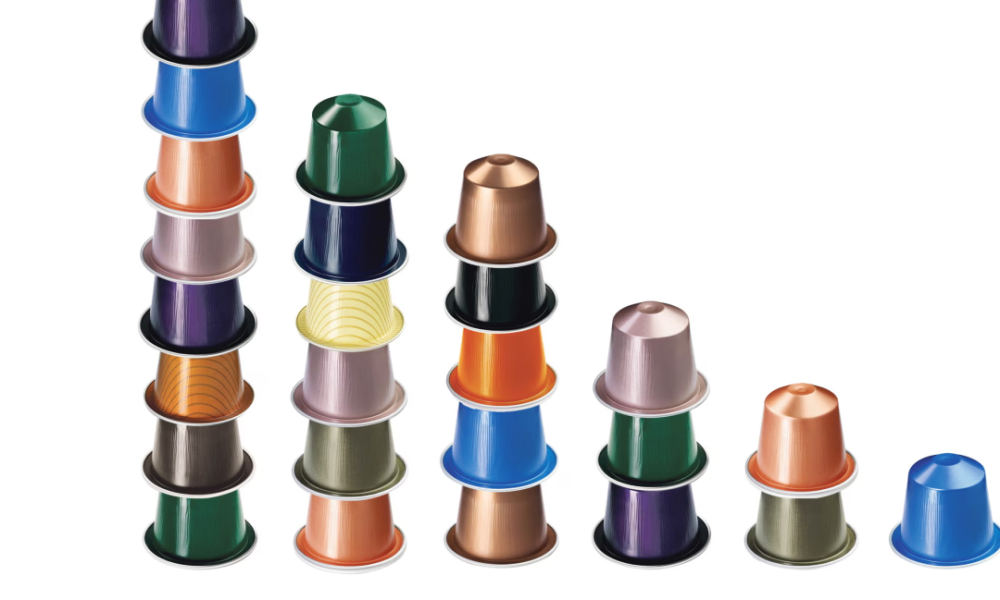
The most common approach is to use a small espresso machine to extract espresso, then add water or milk to taste to make an Americano or latte; some, for convenience, directly choose a capsule coffee machine for one-touch output;
Even simpler is the drip bag—after pouring in hot water and waiting two or three minutes, a cup of drip-filtered black coffee is ready; if you’re willing to put in a bit more effort, you can also try pour-over, which lets you choose your preferred single-origin beans and brew a black coffee with distinct layers.
1. Coffee machines
Coffee machines broadly fall into two categories: fully automatic and semi-automatic.
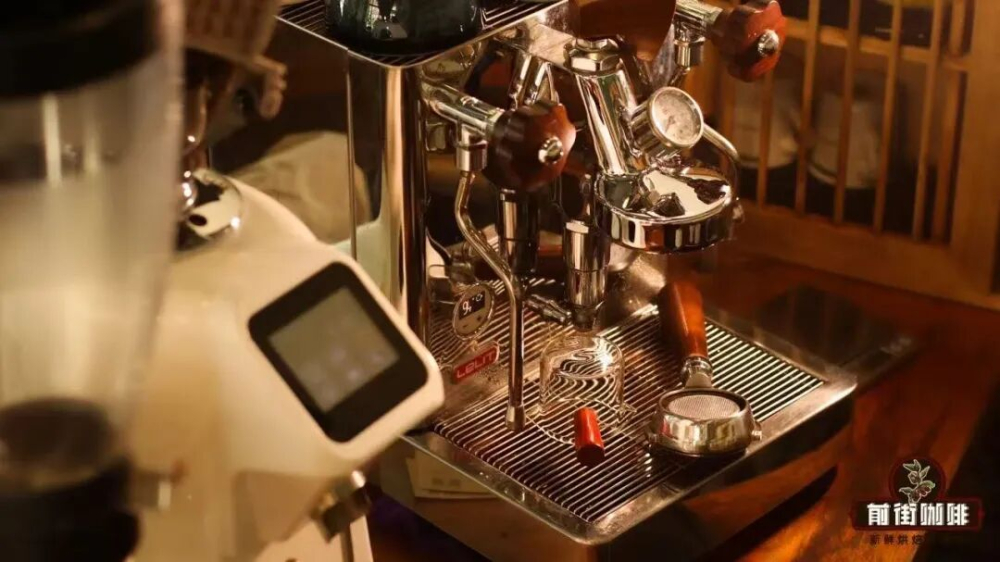
Fully automatic coffee machines , as the name suggests, require little human intervention. Pour coffee beans into the hopper, and the machine will handle grinding, tamping, extraction, and cleaning on its own, saving effort and worry. These models usually come with a milk frothing system, so classic milk-based coffees such as cappuccino, mocha, and latte can all be made with one touch, making them very efficient.
Semi-automatic coffee machines require the user to personally complete steps such as grinding, adjusting parameters, distributing and tamping the grounds, extraction, and steaming milk. Because every step is controlled by the person, the quality of the espresso produced is often better and more consistent, making it suitable for those with higher demands for taste.
Whether fully automatic or semi-automatic, the final taste of espresso ultimately comes down to the coffee beans themselves. For office workers, stable extraction is the first priority, followed by flavor performance and whether the price is suitable. Taking these three points together, Front Street. Basic Espresso Blend can satisfy them all: it is made from a combination of Yunnan small-bean and Brazilian semi-washed beans, uses a medium-dark roast, and the espresso has notes of creamy nuts, chocolate, caramel, and plum on the palate.
2. Drip bag coffee
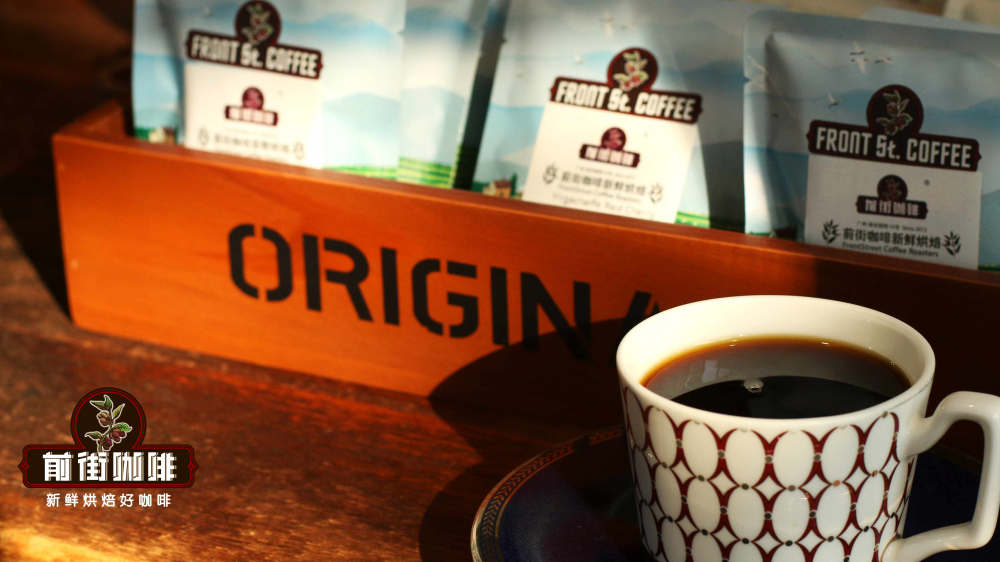
Drip bag coffee uses fresh coffee beans as its raw material, and there is a wide range of flavor choices, from entry-level to specialty grade, from the fruity acidity of light roasts to the nutty flavors of dark roasts, almost all of which can be found, so it has become a regular option for many office workers to recharge. Compared with instant coffee, drip bags better retain coffee’s original aroma and the unique flavors of its origin. As long as you have hot water and an open cup on hand, you can enjoy freshly brewed specialty coffee anytime, anywhere.
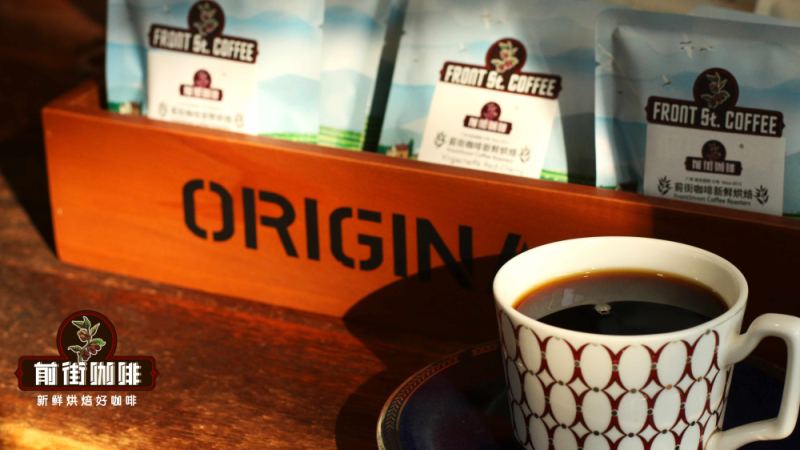
A good cup of coffee depends first on good beans. For those new to drip bag coffee, it is recommended to prioritize specialty options with high flavor distinctiveness: if you prefer floral notes, you can try Front Street. Washed Yirgacheffe Drip Bag.
If you like a balanced taste that is neither sour nor bitter, Front Street. Brazil Semi-Washed Drip Bag is recommended; if you pursue a solid, mellow texture, you might choose Front Street. Golden Mandheling Drip Bag Coffee. These beans have undergone multiple rounds of hand sorting, reducing the defect rate to a very low level, resulting in cleaner aroma and longer-lasting sweetness.
3. Pour-over coffee
Pour-over belongs to drip extraction: the brewer uses a steady stream of water to pour an appropriate amount of water at the right temperature and volume onto the coffee grounds for extraction. Grind size, water temperature, pouring technique, and brewing time all affect the final flavor, so this is a brewing method that places great emphasis on skill and professional knowledge.
For pour-over, it is not recommended to buy pre-ground coffee powder directly. Coffee powder does not keep well at all. When I first started making pour-over, I also bought powder for convenience, and I thought I drank it quickly enough (a pound of powder was finished in just over a week), but the taste clearly deteriorated toward the end; if you drink it slowly, once the coffee powder has been stored for more than two weeks, it can basically only be thrown away.
Front Street believes that the optimal flavor period for coffee beans is 30 days. Beyond that time, aroma molecules are lost along with carbon dioxide, and the brewed coffee will taste dull and flat. For this reason, all Front Street coffee beans are freshly roasted within 5 days and support shipping within 24 hours, ensuring that everyone receives them while they are still at their most aromatic.
To brew coffee well, Front Street believes that choosing beans that suit you is key. If you do not like coffee that is too bitter, it is recommended to choose light-roasted beans with rich floral and fruity aromas such as Front Street Little Tomato Coffee, Front Street Red Cherry Coffee, and Front Street Huakui Coffee;
If you prefer a rich and mellow taste, you can go for these three dark-roasted beans: Front Street Golden Mandheling Coffee, Front Street Queen’s Estate Coffee, and Front Street Huilan; in addition, Front Street Strawberry Candy Coffee, Front Street Sidra Coffee, and Front Street Mozart Coffee have also attracted many enthusiasts because of their fragrant and sweet flavors.
The above content is compiled by CoffeeHunters, a coffee news website.


