







What Makes Huila Coffee Good for Pour-Over?
Colombia's Huila region is one of the country's representative specialty origins, and its washed beans brew a balanced cup with caramel and dark chocolate sweetness. The characteristics of Colombian coffee come from bright, high-quality acidity, solid fragrance, and a nutty finish. A V60 with a medium grind and water near 90°C keeps that balance intact.
Colombian coffee spread through the country after the early 18th century, when Spanish colonists and missionaries brought it in. Commercial production began in 1835, the National Federation of Coffee Growers formed in 1927, and Cenicafé followed in 1938 to improve quality and yield. For Huila coffee, roast to medium, then use a 1:15 ratio and a steady pour.
Colombian coffee has long been celebrated for its balanced acidity and caramel-chocolate notes, and the Huila region is among the most representative specialty origins within it. This article starts from the history and growing environment of Colombian coffee, focuses on the origin information, roasting approach, and cupping performance of Front Street Colombia Huila washed coffee beans, and includes the complete brewing parameters and technique used by Front Street baristas with a V60 dripper, helping coffee lovers consistently recreate the nutty, dark chocolate, and caramel sweetness at home.
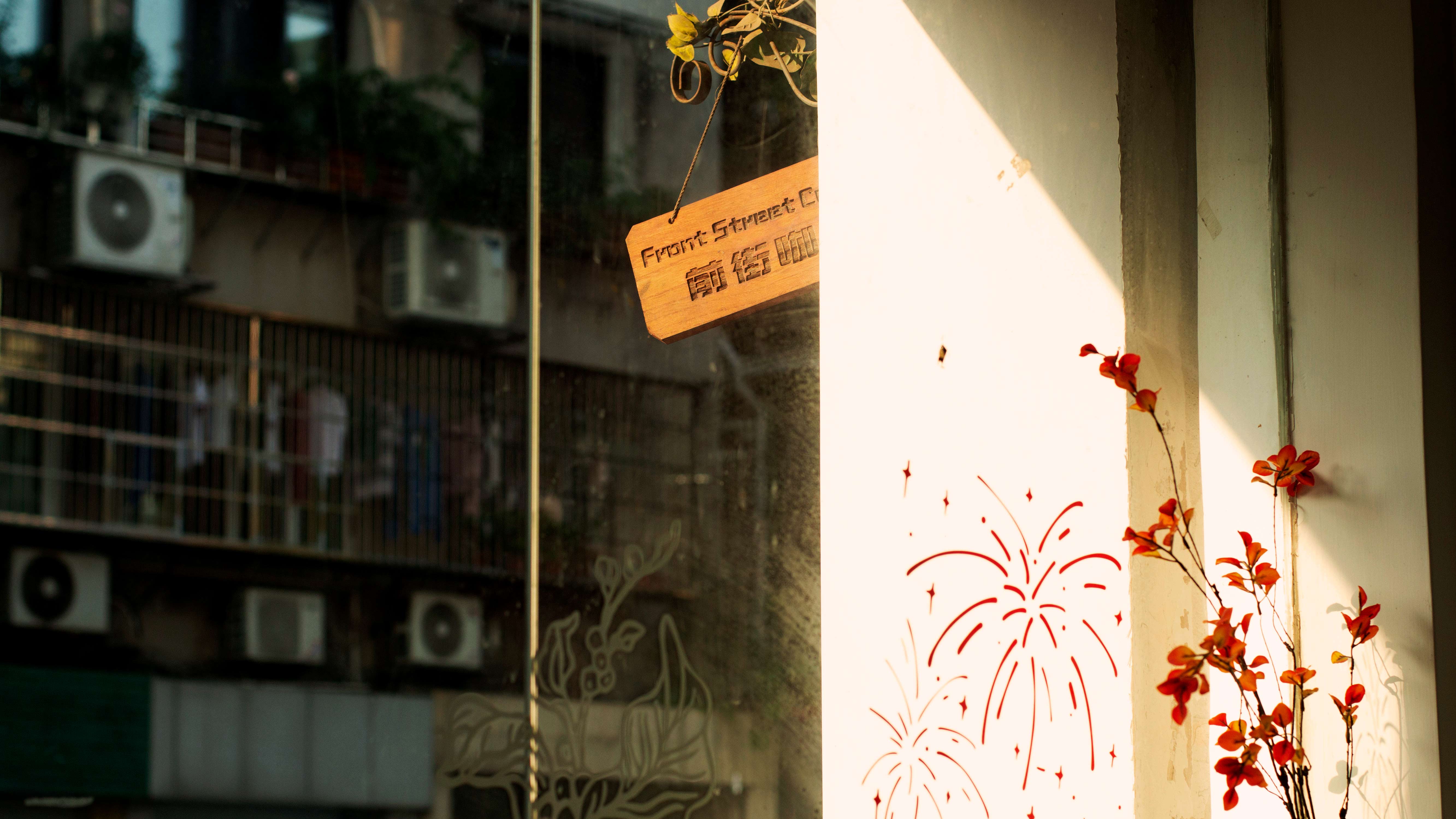
When it comes to Latin American coffee, many people first think of that lingering caramel aroma and chocolate character. Take Colombia as an example: its fragrance is full and solid, its acidity is bright and of excellent quality, its overall balance is very high, and occasionally it reveals a nutty finish that is hard to forget. Whether in appearance or intrinsic quality, Colombian Supremo beans perform remarkably well, like a woman's reserved gentleness—charming without being excessive, leaving people enamored.
Colombian Coffee History
While sorting through historical materials on coffee beans, Front Street learned that in the early 18th century, Spanish colonists set foot on Colombian soil, and coffee entered this "New World" along with Spanish missionaries. Colombia's first coffee harvest appeared in the northeastern region. After that, coffee quickly became an important cash crop for small family farms and gradually spread throughout the country.
However, local farmers generally worried that the first five years of growing coffee would plunge them into financial hardship, so their enthusiasm was not high. Later, a priest named Francisco Romero firmly believed that coffee was Colombia's future and vigorously promoted its cultivation, which allowed coffee to become one of Colombia's main export crops. Colombian coffee beans only achieved commercial production for the first time in 1835, with total exports that year reaching 25.6 million bags.
In 1927, the National Federation of Coffee Growers of Colombia (FNC) was established, and the number of coffee growers increased significantly. In 1938, the Colombian government also founded Cenicafé, aiming to use advanced agricultural technology to help growers improve coffee quality and yield. Today, Colombia's coffee production ranks solidly third in the world.
Colombian Coffee Regions
Colombian coffee is one of the few coffees in the world that can be sold directly under a country name. The taste characteristics of Colombian coffee beans are acidity with sweetness, mild bitterness, and moderate body, and they are often used in premium coffee blends. Colombian Supremo coffee has a just-right combination of acidity, bitterness, and sweetness, and its unique aroma fills the entire mouth, with a very full fragrance.
Colombia has a mild climate and humid air, and its diverse climate conditions give it harvest periods throughout the year, with different types of coffee maturing at different times. What is grown locally is the distinctive, high-quality Arabica coffee bean. The coffee ground from it is rich in flavor with a long finish, making it a true specialty among coffees. Today, many people directly equate "Colombian coffee" with "high quality" and "great taste."
The reason Colombian coffee's flavor is so outstanding is inseparable from the superior local growing environment. While reading Han Huaizong's book The Coffeeology of Specialty Coffee, Front Street came across the following description of Colombian coffee: if Brazilian coffee is the "phoenix man" who relies on high technology to overcome soil and water conditions in order to grow coffee, then Colombia is the "rich second generation" blessed with good mountains, good water, and beautiful scenery. Brazil plants coffee on hilly red soil with relatively extensive management; Colombia plants coffee on mountainous black soil with intensive cultivation.
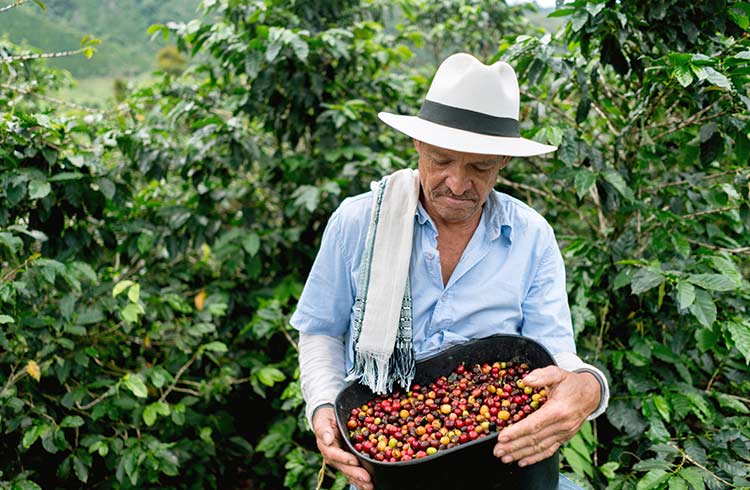
Colombia's coffee-producing regions are mainly concentrated in the northwest, among which the most famous are the "MAM" regions: Medellin, Armenia, and Manizales. Colombia's specialty coffee bean regions, however, are mainly in the south, at growing elevations above 1,500 meters, including Huila, Cauca, Santander, Antioquia, Tolima, and Narino.
【Huila】
The Huila region is world-renowned for its coffee quality and is also Colombia's largest and most representative coffee-producing region. Huila's terrain is mainly hilly, the coffee plants here are grown at elevations above 1,500 meters, and Colombia's most important rivers converge here, bringing abundant moisture and water resources to the region.
Thanks to such superior natural conditions, the coffee produced in Huila is quite outstanding. Front Street Coffee classifies Huila as a representative in its Front Street everyday beans series and chooses washed beans to present Colombia's basic flavor, because the washed process has the most original, clean, and bright taste, allowing it to show the characteristics of Colombian Huila coffee to the greatest extent.
Front Street Colombia Huila Coffee Beans
Region: Colombia Huila
Altitude: 1500m——1800m
Variety: Caturra
Processing Method: Washed Process
Front Street Roasting Recommendations
This Colombian Huila coffee has high bean density, uniform bean size, and relatively plump bean shape. The Front Street roaster wanted to present the aromas of nuts, dark chocolate, and caramel, so after first crack, the heat was adjusted and the roasting time was extended, finally dropping the beans at 3'00'' and 202℃.
When the drum temperature rose to 185℃, the beans were charged, the damper was set to 3, the heat was 120, the turning point was 1'32", and the temperature was 98.6℃; when the drum temperature reached 140℃, the damper was opened to 4; at this point the bean surface turned yellow, the grassy smell completely dissipated, and it entered the dehydration stage; when the drum temperature reached 192℃, the heat was adjusted to 80 and the damper was opened to the maximum 5; at 8'30", ugly wrinkles and dark patches appeared on the bean surface, and the toasted bread smell clearly turned into coffee aroma, which could be defined as the prelude to first crack, so at this time it was necessary to listen clearly for the sound of the first crack point; at 9'15", first crack began, and after first crack it developed for 3'00'', then the beans were dropped at 202℃.
Front Street Cupping Report
How Do Front Street Baristas Brew Colombia Huila Coffee?
Front Street Coffee uses a V60 dripper to brew coffee from the Colombia region. The 60 conical dripper has larger holes, and together with its unique spiral curved ribs, it allows air to escape more easily, thereby improving extraction quality.
Water temperature: 90-91°C
Grind size: EK43s setting 10 (fine sugar size / 80% passing a No. 20 sieve)
Coffee-to-water ratio: 1:15
Coffee dose: 15 grams
Front Street Brewing Technique:
In the first pour, add 30 grams of water for a 30-second bloom, then pour in 95 grams (the digital scale shows about 125 grams), finishing the pour in about 1 minute; when the water level drops to 2/3 of the coffee bed, pour in the remaining 100 grams (the digital scale shows about 225 grams), finishing the pour in about 1 minute 40 seconds. Dripping is completed at 2'00", remove the dripper, and extraction is complete.
Brewed flavor: nuts, dark chocolate, soft fruit acidity in the middle, and caramel sweetness.
The above content is compiled by CoffeeHunters, a coffee news website.


