







What Do Sumatran Coffee Beans Taste Like and How Are They Processed?
Sumatran coffee beans are known for low acidity, high body and a grassy, herbal aroma, making them a common choice for drinkers who dislike bright, acidic cups. Nearly 90 percent of Indonesia's coffee comes from small independent farms, and the island's three main growing areas are northern Aceh, the Lake Toba region and the newer Mangkuraja area.
The wet-hulling process, called giling basah, removes parchment while the bean is still moist, which helps explain the heavy body and muted acidity. Mandheling is a trade name rather than a single variety, and lots from Lintong, Aceh Gayo and Mangkuraja carry different terroir. A coffee beans roaster typically roasts these beans medium to dark to round out the herbal notes.
Sumatra, as one of Indonesia's largest islands, produces coffee known for its low acidity, high body, and unique herbal aroma. For those who dislike acidic coffee, Sumatran coffee beans are undoubtedly an excellent choice. When it comes to Sumatran coffee, Mandheling is naturally an unavoidable topic, and Front Street Coffee has launched multiple Mandheling products, including Lintong, Golden, Aged, and Tiger. This article will systematically outline the distribution of Sumatran coffee-producing regions, the origin of the name Mandheling and its grading methods, the technical details of the wet-hulling process and its impact on flavor, and introduce one by one the terroir characteristics of the three major producing regions of Aceh Gayo, Lintong, and Mangkuraja. Finally, it will provide the brewing parameters and flavor descriptions for Front Street Lintong Mandheling and PWN Golden Mandheling.
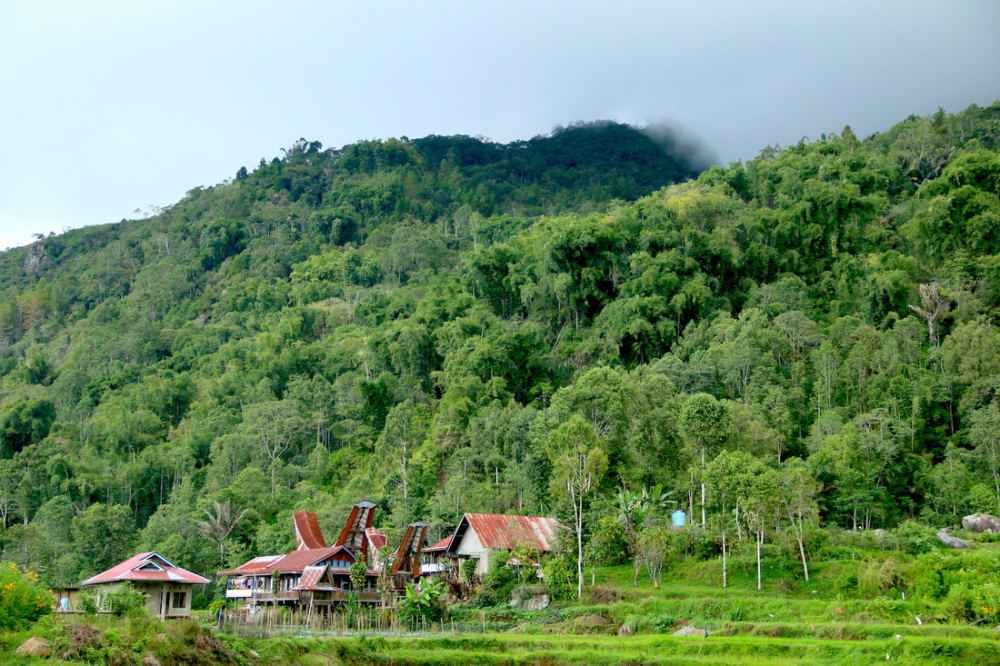
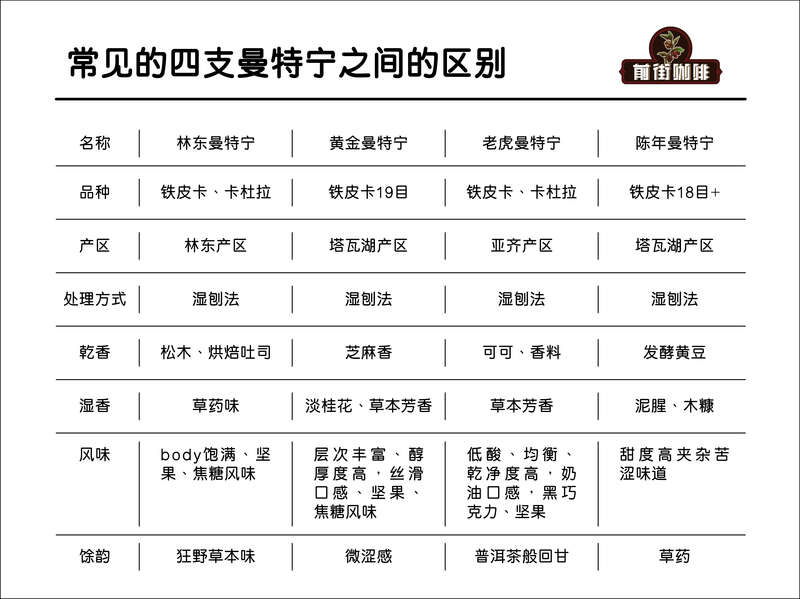
Sumatra ranks among the largest of Indonesia's many islands, and Indonesia itself is a country made up of thousands of islands. As much as 90% of Indonesia's coffee production comes from small independent farms. The most notable characteristics of Sumatran coffee beans are lower acidity and higher body, along with a grassy aroma, delivering a full and substantial coffee experience on the palate. If you are sensitive to the acidity in coffee, Sumatran coffee beans are an option worth trying. When talking about Sumatran coffee, Mandheling is a category that must be mentioned. Common Mandheling coffees on the market include: Front Street Lintong Mandheling Coffee, Front Street Golden Mandheling Coffee, Front Street Aged Mandheling Coffee, and Front Street Tiger Mandheling Coffee. What exactly are the differences among these four Mandheling coffees? Front Street Coffee (FrontStreet Coffee) has summarized and organized this for you.
Overview of Coffee on the Island of Sumatra
There are three main coffee-growing areas on the island of Sumatra: northern Aceh, the area around Lake Toba toward the south, and an emerging producing region that has recently gained attention on islands near Mangkuraja. In addition, there are several smaller micro-regions worth noting, including Takengon, Bener Mariah in Aceh Province, Lintong, Sidikalang, Dolok Sanggul, and Seribu Dolok around Lake Toba.
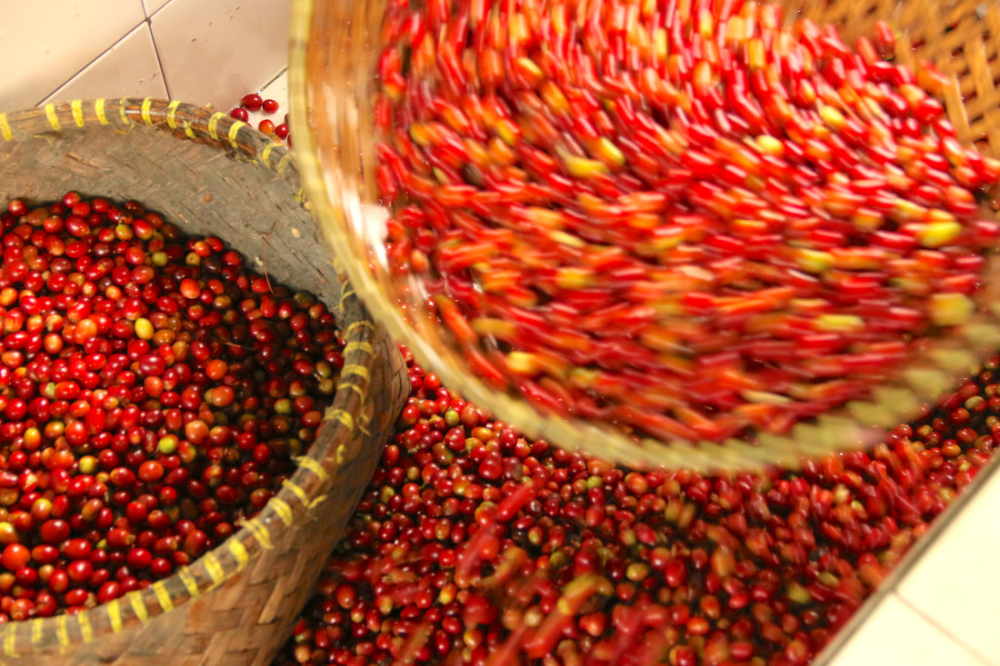
In the past, coffee beans produced in this region were collectively called "Sumatra Mandheling." However, in reality there is no place name called Mandheling; this term comes from the name of a local island ethnic group. Mandheling is usually classified as Grade 1 or Grade 2, and the basis for this grading is clearly cup quality rather than the green bean appearance as commonly understood. Sumatran coffee beans are exported through the port of Medan, but because they stay at the port for too long, the hot and humid climate conditions can adversely affect coffee bean quality.
Altitude: Aceh 1100-1300m, Lake Toba 1100-1600m, Mangkuraja 1100-1300m
Harvest: September to December
Varieties: Typica (including Bergandal, Sidikalang, Djember), Timtim, Ateng, Onan Gajang
The Three Major Producing Regions of Sumatra
Aceh Gayo Producing Region
Aceh is located at the northernmost tip of the island of Sumatra, at an altitude between 1,110 and 1,300 meters. In Aceh Province in northern Sumatra, the Gayo producing region around the scenic Lake Tawar has an average annual rainfall of about 2,200 millimeters, and its average altitude is also quite ideal, at roughly 1,100 to 1,400 meters. Together with the volcanic soil that supports coffee growth, the conditions are excellent. Coffee in this region is usually grown by independent smallholder farmers, who improve coffee quality by planting shade trees.
Compared with Lintong Mandheling, another specialty coffee producing area in Indonesia, coffee from the Gayo region shows a more steady and restrained style, usually with a very solid mouthfeel and abundant chocolate and dried-fruit flavors.
Lintong Producing Region
Lake Toba is currently the largest and deepest volcanic lake in the world, with a depth of nearly 500 meters and a total length of 100 kilometers and width of 30 kilometers, surrounded by unique terrain at altitudes above 900 meters. The mineral-rich soil left behind after volcanic eruptions has given the Lake Toba area ideal soil and climatic conditions for growing coffee. Lake Toba has a vast interior, and most coffee trees grow on rolling, fern-covered highlands, mostly using unshaded cultivation. The coffee produced here—the world-famous Mandheling—has its main producing area located in the Lintong region southwest of Lake Toba. It was not until the 1990s that cultivation gradually expanded to higher-altitude areas. In the now well-known Lintong region, coffee is grown at an average altitude of 1,200 to 1,500 meters. The coffee is grown by small tenant farmers under shade trees and processed using the wet-hulling method, showing a unique flavor and a deep yet lively full body.
Mangkuraja, Bengkulu Province
The estate is located on the cool and pristine western slopes of the Bukit Barisan mountains on the South Sumatra highlands of Indonesia, at an altitude between 1,100 and 1,300 meters. Mangkuraja Estate is surrounded by a tranquil yet vibrant landscape, coexisting with dense tropical rainforest, flowing rivers, and natural springs. This Mangkuraja coffee, rich in flavor and moderate in acidity, is renowned among seasoned coffee connoisseurs for its unique rich aroma and flavor. With refined leather and fruity aromas, it is sure to deliver a vibrant and unforgettable coffee experience.
Sumatra Wet-Hulling Method
Wet-Hulling is the traditional processing method for Indonesian Sumatran coffee. Specifically, when the green beans have been dried to a semi-dry state with moisture content still as high as 30%-50%, the parchment is first removed, and then drying continues, in order to cope with the problem of an excessively long drying cycle. Because the drying time is compressed to two to four days, the fermentation period of the coffee beans is shortened accordingly, and the acidity is greatly reduced. At the same time, the body is instead enhanced, caramel and fruity notes become prominent, and there may even be herbal or grassy notes as well as woody tones. This is Sumatra's unique regional special aroma.
However, removing the parchment early also brings side effects: when the green beans are only half dried, they lose their last two layers of protection (note: coffee beans have four protective layers in total—pulp, mucilage, parchment, and silver skin), like taking off clothing and being directly exposed to sunlight. Although the wet-hulling method solves the problem of drying time, the probability of green beans being contaminated by mold, fungi, and yeast also rises significantly. Paradoxically, however, these factors instead become key to shaping Mandheling's unique aroma.
Another accompanying feature of the wet-hulling method is a higher probability of "goat-foot beans." Because the green beans are still in a moist, semi-soft stage when the huller removes the parchment, the fragile wet and soft green beans are easily cracked, broken, or scratched on the surface by mechanical force, forming so-called goat-foot beans and scratched beans, resulting in a poor appearance for the green beans.
Front Street Indonesian Lintong Mandheling Coffee Beans
Producing Region: Sumatra, Indonesia
Altitude: 1100m——1600m
Variety: Ateng TimTim
Processing Method: Wet-Hulling
Grade: G1
If you are not satisfied with ordinary Indonesian coffee, then Front Street PWN Golden Mandheling is worth trying. Compared with other Indonesian coffees, Front Street.PWN Golden Mandheling coffee beans are known for their plump and uniform beans, clean flavor, and mellow mouthfeel. They are suitable not only as a single-origin pour-over black coffee, but also as a high-quality gift for relatives and friends.
Authentic Golden Mandheling coffee requires identifying the PWN trademark. Front Street.Golden Mandheling coffee beans all come from PWN Company. Orders are shipped within 24 hours after placement, and the coffee is freshly roasted within 5 days. On Front Street Coffee's product display page, you can also see the certification certificate issued by PWN Company and the burlap sacks used by PWN to pack Golden Mandheling coffee beans.
Front Street PWN Golden Mandheling Coffee Beans
Country: Sumatra Island, Indonesia
Producing Region: Gayo Mountain, Aceh
Altitude: 1100-1600m
Variety: Typica
Processing Method: Wet-Hulling
Mandheling coffee presents a flavor profile of nuts and chocolate, so Front Street's roaster chooses a medium-dark roast. The darker the roast, the looser the texture of the coffee beans, and the easier it is to extract during brewing. Therefore, Front Street uses a lower water temperature to avoid over-extraction and unpleasant bitterness.
Dripper: KONO Dripper
Water Temperature: 87°C
Dose: 15 grams
Coffee-to-Water Ratio: 1:15
Grind Size: Medium-coarse grind (70% passing through a Chinese standard No. 20 sieve)
First, rinse the KONO dripper so that the filter paper fits the dripper more closely, pour out the water in the server, and at the same time add 15g of ground coffee. After blooming with 30g of water for 30 seconds, start pouring in circles from the center with a small stream of water until it reaches 125g, then begin stages. When the coffee bed drops to half the height of the dripper, pour the second stage in the same manner until it reaches 225g. After all dripping is complete, remove the dripper.
The ground Front Street Lintong Mandheling coffee powder gives off aromas of caramel, dark chocolate, and toasted bread, and during brewing you can smell the sweet aroma of caramel. The brewed Front Street Lintong Mandheling coffee has spice and dark chocolate flavors on the palate, with a mellow and clean mouthfeel, obvious sweet aftertaste, and a long finish.
The above content is compiled by CoffeeHunters, a coffee news website.


