







What makes an American coffee machine easy for beginners?
An American coffee machine, or drip coffee maker, brews a pot in five to eight minutes using a standardized process that suits homes and offices. Choose a capacity that matches daily cups, use a medium grind, and follow a coffee-to-water ratio of about 1:15 to 1:17 for a balanced, repeatable result.
Drip machines differ from espresso machines: the Americano sold in cafes is espresso diluted with hot water, a habit traced to World War II soldiers in Europe. For iced Americano, brew a stronger ratio and pour it straight over ice. Small drip machines were already popular in American households before the war.
Friends who often come to Front Street for coffee frequently ask what kind of coffee machine to choose for their home—one that is simple to operate and reasonably priced. A drip coffee maker may just be the answer. It suits beginners in both home and office settings, and under a standardized process, it can brew a pot in just five to eight minutes. This article will systematically introduce the types of drip coffee makers, capacity specifications, standards for water and coffee grounds, and demonstrate the complete operating process step by step. It will also answer common questions such as how to make iced Americano, how to choose the grind size, and which coffee beans are suitable, helping you easily recreate a delicious cup of Americano at home.
Guests who visit Front Street often ask the baristas how to choose a coffee machine for home use that is easy to operate and not too expensive. In that case, it's worth learning about the drip coffee maker. This type of drip machine (Drip Coffee Maker) is quite popular on the market and very beginner-friendly, suitable for both home and office. It's not complicated to use, and the entire process is highly standardized, usually completing a pot of extraction in five to eight minutes. Are you a little tempted after reading this? Below, Front Street will explain in detail the common American coffee machines, as well as their operating standards and usage methods.
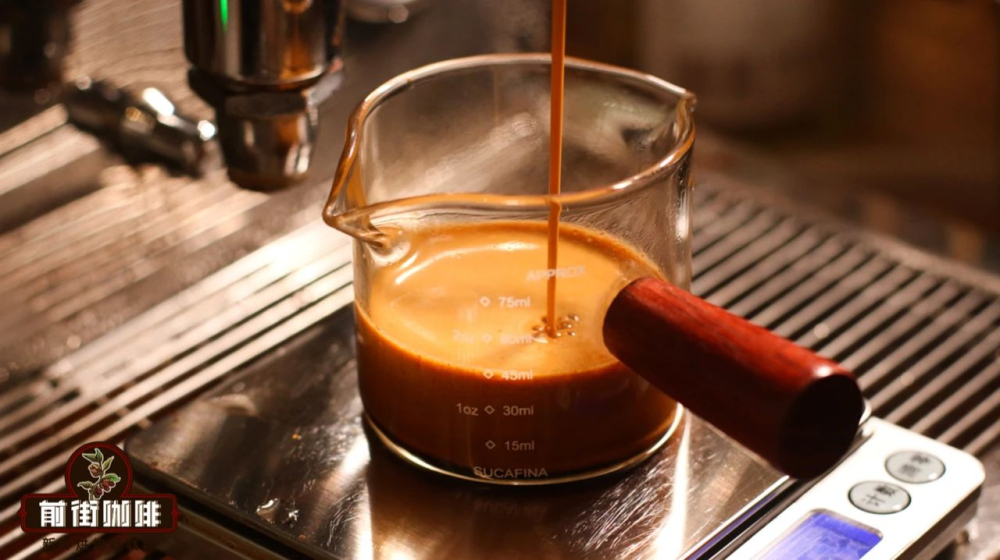
Coffee machine is a general term for various brewing devices. If classified by extraction method, they can be grouped into two major camps: drip and espresso. Before World War II, small drip machines were popular in American households—compact and easy to use, they once swept the nation. Today, the Americano sold in coffee shops is actually made with an espresso machine. So what exactly is the difference between an Americano made with an espresso machine and one made with a drip machine?
To make an Americano with an espresso machine, the method is to add hot water to espresso. During World War II, American soldiers stationed in Europe were not used to traditional Italian espresso, so they diluted a small shot of espresso with hot water, deliberately mimicking the taste of drip coffee. This way of drinking was looked down upon by Europeans, who thought only Americans would like it, so they named it "Americano." Now that we understand the origin of Americano, let's follow Front Street to learn about American coffee machines.
Models and Capacities of American Coffee Machines
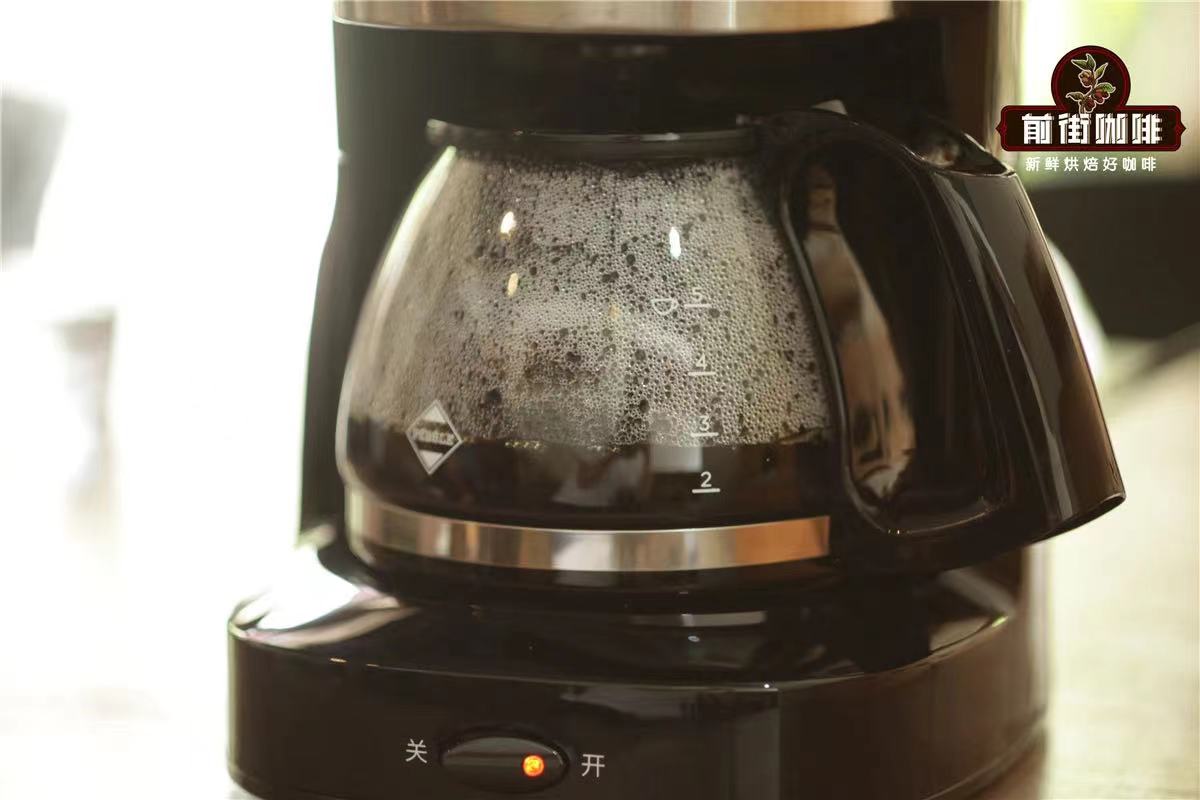
Common drip coffee makers on the market mainly come in two specifications: 5-cup and 12-cup, meaning they can brew up to 5 or 12 cups at a time. The water tank and glass carafe capacity of 5-cup models is usually between 550ml and 650ml; for 12-cup models, the water tank and glass carafe capacity is 1.2L to 1.3L.
Water Usage Standards for Drip Coffee Makers
The "one cup" mentioned above is based on a capacity of 100 to 120ml, meaning brewing one cup of coffee corresponds to adding 100 to 120ml of water. It is generally recommended to brew at least two cups at a time with an American coffee machine.
Coffee Grounds Standards
Typically, one cup of Americano is 100 to 120ml and requires 5 to 7g of coffee grounds. Each American coffee machine comes with its own special scoop; one cup of coffee roughly corresponds to one scoop of grounds, so use as many scoops as the number of cups you want to brew. No matter what variety of coffee beans, as long as they are ground into powder, they can be used.
Standards for Coordinating Water and Coffee Grounds
To brew one cup of coffee, add 100 to 120ml of water. Specifically, refer to the markings in step two and pour water into the water tank up to the corresponding level; to brew one cup of coffee, also add one level scoop of coffee grounds, about 6g. You can adjust the amount of grounds according to personal taste.
Steps for Using a Drip Coffee Maker
Step 1: Grind coffee beans into powder. If you already have coffee grounds on hand, skip this step. Decide how many beans to grind based on the number of cups you want to brew. It is recommended to grind and brew only as much as you will drink. Brewing one cup requires about 6g of coffee grounds; grind the corresponding amount of beans for the number of cups. Generally, the American coffee scoop is 6g, so you can use the scoop to measure one full scoop of coffee beans to grind, which exactly corresponds to one cup.
Step 2: Remove the glass carafe, open the coffee machine's filter basket, and pour the coffee grounds into the filter. Note that for brewing one 100ml cup of coffee, control the amount of grounds to 5 to 7g, and place the ground coffee into the filter. Different coffee machines come with scoops of varying specifications, commonly 5g, 6g, 7g, and 10g, so you need to determine the amount of grounds based on your own machine. The coffee machine used in this demonstration is based on 6g of grounds.
Step 3: Close the filter basket, open the water tank lid, and add water to the water tank. The principle for adding water is: brew as many cups of coffee and use as many servings of grounds as needed, and add the corresponding amount of water, with one serving being 100ml. You can use the glass carafe to pour water into the water tank until it reaches the water level markings on the machine. For specific parameters, refer to the water usage standards above. Additionally, some coffee machine glass carafes have markings that exactly correspond to the water level markings on the body, helping you control the water amount more precisely.
Step 4: Cover the water tank, close the filter basket, place the glass carafe back on the warming plate, plug in the power, and press the coffee machine switch.
Step 5: Wait 5 to 8 minutes, and a pot of coffee is ready (when no more coffee drips from above the glass carafe, extraction is complete). Then turn off the switch and enjoy.
Step 6: Add sugar or fresh milk according to personal preference.
Coffee made with an American coffee machine is all hot. If you want to drink iced Americano, what should you do?
There are two approaches: First, reduce the amount of water and add ice cubes directly to the extracted coffee, but this will dilute the coffee considerably. Second, use espresso instead, and mix it with an ice-water mixture in a 1:1 ratio.
By now, I believe everyone can make an excellent cup of coffee at home. However, Front Street would like to remind you that the grind size used for American coffee machines is completely different from that for espresso machines. So how coarse should the grounds be for an American coffee machine? Front Street Coffee can responsibly tell you that it is similar to pour-over coffee, because both belong to drip extraction and have similar brewing principles, so the grind size does not need much adjustment. If you don't have a grinder at home, you can ask the shop to grind the beans for you when buying them.
Which coffee beans are suitable for American coffee machines?
Front Street believes that the flavor of Americano is closely related to the coffee beans chosen. Actually, any coffee beans can be used in an American coffee machine; it all depends on personal preference. In summary, light-roasted beans have bright fruit acidity and a prominent juicy feel—you can try Front Street. Washed Gedingding, Front Street. Sun-dried Huakui;
Medium-roasted beans are known for their nutty notes and balanced smoothness—recommended are Front Street. Queen's Manor, Front Street. Bird of Paradise; dark-roasted beans are a bit more bitter than the previous two, but that chocolate-like aftertaste is still fascinating, such as the much-loved Front Street. Golden Mandheling, Front Street. Colombia Huila.
The above content is compiled by CoffeeHunters, a coffee news website.


