







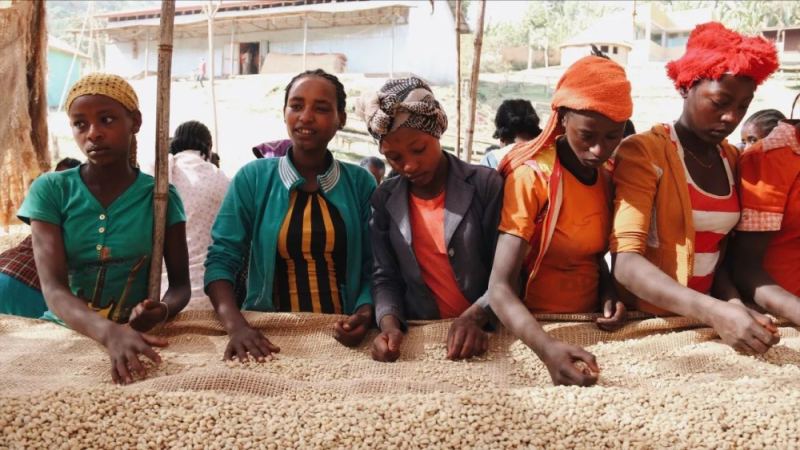
Yirgacheffe, as Ethiopia's most iconic specialty coffee region, offers dramatically different flavors depending on whether the beans are washed or natural processed. Washed Yirgacheffe is known for its bright, uplifting citrus acidity and elegant white floral notes, while natural processed beans present a full, rounded tropical fruit sweetness with fermented depth. This article, drawing on Front Street Coffee's bean lineup, takes a deep dive into the processing differences and flavor characteristics of these two methods, and shares tasting notes and pour-over brewing parameters for representative beans such as Front Street's washed Gotiti Cooperative and natural Red Cherry, helping coffee lovers choose based on their personal taste preferences.
For more specialty coffee knowledge, please follow our WeChat official account: FrontStreet Coffee
Front Street Coffee's bean lineup features several Ethiopian coffees. For enthusiasts who prefer floral and fruity flavors, the most representative include the washed Gotiti Cooperative, natural Red Cherry, Sidamo Hualei, and the washed Yirgacheffe staple bean regarded as the face of Ethiopian coffee. At Front Street's shop, if a customer wants to taste bright, uplifting fruit acidity, Front Street typically recommends the washed Yirgacheffe on the bean shelf first, such as Front Street. Gotiti Cooperative; if they prefer full, rounded fruit sweetness, Front Street considers natural processed beans more suitable, such as natural Red Cherry.
Ethiopian Origin
As the acknowledged birthplace of coffee, Ethiopia boasts countless varieties and exceptional coffee quality. Coffee is not only an important cash crop and export commodity for the country but also carries a rich history and culture, making it the pride of Ethiopians.
Ethiopia's terrain is extremely high in elevation, and its vast highland landscape creates ideal climatic conditions with significant temperature differences between day and night. In the morning, mist fills the air and cool breezes blow through the mountains; in the afternoon, sunlight is abundant; at night, temperatures can drop to just over ten degrees Celsius without frost, providing an excellent environment for coffee cultivation. Ethiopia has numerous producing regions, and different soils and microclimates, combined with variations in post-harvest processing, give coffee diverse flavor expressions. The most commonly heard regional representatives in domestic coffee shops are Yirgacheffe, Sidamo, and Guji, whose unique aromas are widely celebrated in the coffee community.
Thanks to Ethiopia's superior natural conditions, coffee trees can be found almost everywhere, with every household growing them alongside other crops in their yards. Because individual household yields are limited, coffee cherries are usually sent directly to processing stations in town after picking, and are ultimately sold under the name of the processing plant or cooperative—Gotiti Cooperative being a well-known local production team. This garden coffee is the most common cultivation model in Ethiopia and provides a basic source of income for many locals.
Gotiti Cooperative's Washing Expertise
Gotiti Cooperative (Banko Gotiti) takes its name from a small village in the Gedeo region and is renowned for producing some of Ethiopia's finest coffee. Gotiti was originally part of the Worka Woka Cooperative under the Yirgacheffe Coffee Farmers' Cooperative Union (YCFCU, which has 26 cooperatives and 45,000 members), but as its washing expertise grew increasingly refined, it became independent in 2012 and grew into a household-name production team.
Traditionally, farmers would spread coffee cherries directly on patios or the ground after harvest and rely on sun-drying until the moisture content dropped to around 12%, then hull and bag them. Coffee processed this way easily develops earthy flavors, over-fermentation, and rotten fruit notes. To improve the defect flavors caused by sun-drying, Ethiopia introduced washed processing technology from Central and South America. Cooperative members sort, wash, ferment, and remove the pulp and mucilage from purchased coffee cherries, then place them on raised beds to dry. Every step is strictly controlled to ensure the final coffee quality is consistent.
Washed processing freed Yirgacheffe coffee from its previous inconsistent quality, revealing fresh citrus notes and elegant white floral aromas after roasting, with an overall bright and delicate flavor profile. It is precisely for this reason that Yirgacheffe became independent from the Sidamo region and grew into the renowned producing region it is today in the coffee world.
What flavor characteristics does natural Yirgacheffe have?
Ethiopia's high elevation, low rainfall, and long sunshine hours make it very suitable for sun-drying green coffee beans. The so-called natural method involves harvesting ripe coffee cherries and drying them directly in the sun. During the drying process, the sugars and aromas in the fruit pulp are fully preserved and permeate into the green coffee beans. At the same time, the longer the natural processing takes, the more complete the fermentation. Because the natural method allows the coffee fruit to dry naturally, the beans mature inside the fruit and are less susceptible to external environmental interference; therefore, naturally processed beans amplify their own flavors, presenting pronounced tropical fruit notes, full fermented depth, and sweetness. Front Street's Sunflower Warm Sun espresso blend includes 30% natural processed Yirgacheffe Red Cherry coffee beans, carrying berry-like sweet and tart notes.
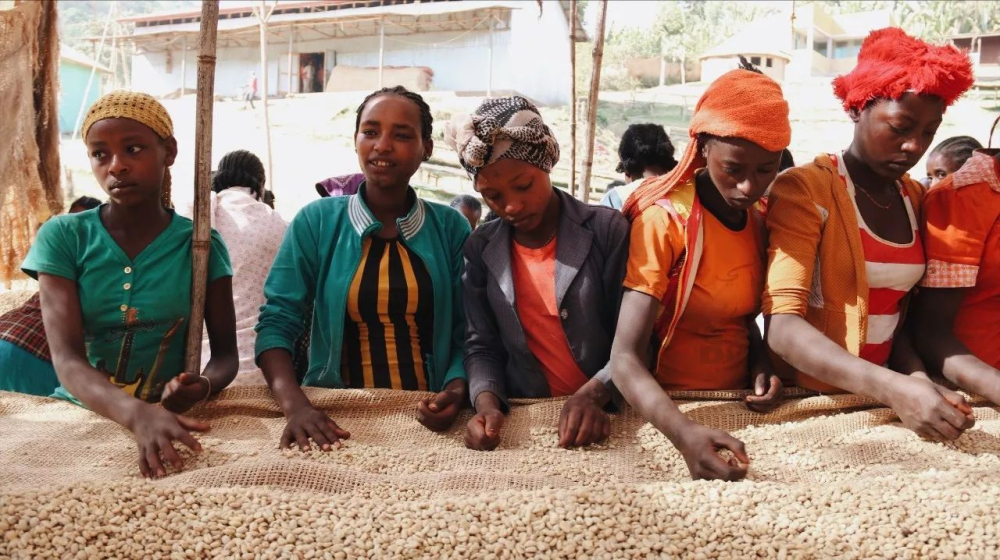
Red Cherry coffee takes its name from the 2007 Red Cherry Project, which was led by Trabocca BV, then the largest Dutch coffee bean trader, aiming to encourage Ethiopian coffee farmers to produce higher-quality beans. The project focused mainly on high-altitude regions such as Ethiopia's Yirgacheffe, improving washed, semi-washed, and natural processing techniques, and bringing in professional cuppers to participate. During harvest season, coffee harvest volumes were set according to different microclimate zones, and only 100% ripe red coffee cherries could be picked. The optimal ripeness combined with more meticulous processing techniques brought about a qualitative leap in coffee flavor, and farmers received correspondingly more generous compensation, creating a win-win situation for both producers and consumers.
Yirgacheffe's Flavor and Mouthfeel
The defining characteristic of Ethiopian coffee is its fruit acidity and floral aroma, praised by many coffee professionals as a fruit bomb. To highlight such explosive fragrance, the roast level naturally should not be too dark, so a medium-light roast is used to showcase the fruit notes of Front Street. Yirgacheffe coffee.
Cupping Notes:
The dry aroma of Front Street washed Gotiti Cooperative coffee exudes fresh passion fruit, citrus, and berry tartness. The wet aroma presents citrus and berries; on the palate, there is citrus acidity, berry sweetness, along with almond and tea notes, and a honey-like sweetness in the finish. The body is light, the acidity is bright, and it is clean and refreshing.
The dry aroma of Front Street natural Red Cherry Yirgacheffe coffee shows full berry sweet-tartness. When sipped at different temperatures, one can perceive soft berry sweet-tartness, the fermented depth of ripe fruit, pronounced honey sweetness, and a black tea finish, with a smooth mouthfeel.
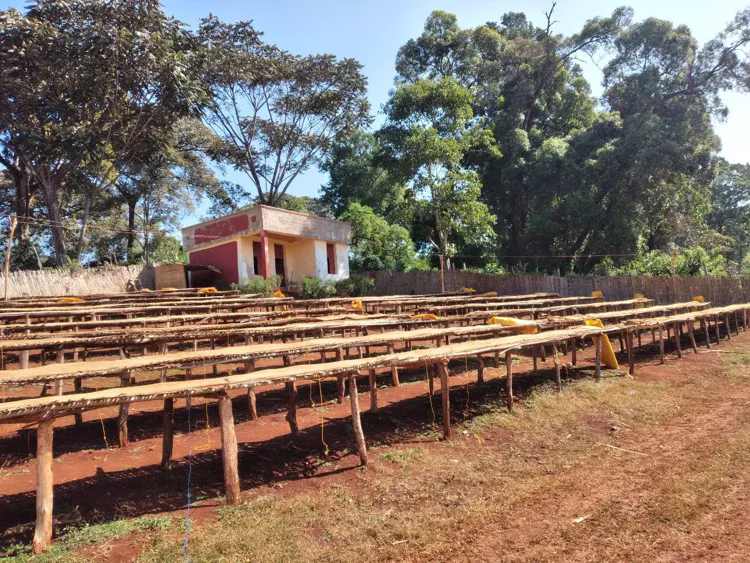
In addition, Front Street's Yirgacheffe staple bean is washed and medium-light roasted, carrying the classic Yirgacheffe flavor profile, and is suitable for pour-over, cold brew, French press, and other brewing methods. Front Street's staple bean series allows friends new to the coffee world to taste the region's basic flavors at an affordable price, and the small packaging design also prevents waste from leftover beans. If you want to taste Yirgacheffe's classic aroma, Front Street believes pour-over black coffee is the most suitable choice.
Yirgacheffe Pour-Over Parameters
Dripper: V60 Water temperature: 92-93°C Dose: 15g Coffee-to-water ratio: 1:15 Grind size: fine sugar consistency (20-mesh sieve, 78% pass-through)
Three-stage pouring: First, wet the coffee bed with twice the coffee's weight in water, forming a dome, and let it bloom for 30 seconds. Then, pour in a thin stream in circles from the center outward until reaching 125g, pause, and wait for the coffee bed to drop to half the dripper's height. Continue with the same thin stream for the third stage until reaching 225g, and once all the coffee has filtered through, remove the dripper. The entire process takes about 2 minutes.
After grinding Front Street. Washed Yirgacheffe staple bean coffee into powder, one can smell the fresh scent of honey and jasmine. After Front Street pours in hot water, a hint of berry flavor begins to emerge. The pour-over black coffee enters the mouth with bright lemon, citrus, and green tea notes, and as the temperature changes, it reveals berry, cream, and sugarcane in the finish, with a noticeable sweet aftertaste and a clean, sweet mouthfeel.
The above content is compiled by CoffeeHunters, a coffee news website.


