








Espresso is the base for lattes, cappuccinos, and Americanos—highly concentrated with intense flavor. First-timers are often surprised by its small cup size and powerful taste. This article starts with the wine-like note of Front Street Coffee's espresso beans, then covers espresso tasting methods, the role of ice water and a small spoon, and key parameters including dose, yield, grind size, flow rate, time, and pressure. It also summarizes the flavor profiles of several Front Street Coffee espresso blends, helping coffee lovers understand how to choose an espresso blend that suits their taste and how to properly enjoy a quality espresso.
Those familiar with Front Street Coffee articles or who have visited Front Street Coffee stores may recall that lattes from Front Street Coffee carry a hint of wine aroma. This is because the espresso beans used in-store come from a recipe that Front Street Coffee has repeatedly refined. Upon learning that Front Street Coffee's espresso has wine-like characteristics, many curious folks can't resist wanting to taste Front Street Coffee's espresso for themselves.
First-timers ordering espresso often pause for a moment: what the barista brings over is just a small cup with a capacity of about 50 milliliters and thick walls. Many people's first reaction is—that's it? Are you looking down on me?
Front Street Coffee wants to say, that's really not the intention.
If you pay attention, you'll also notice that when Front Street Coffee serves espresso, it comes with a glass of ice water. Why serve ice water? How exactly should espresso be drunk? Below, Front Street Coffee will discuss espresso tasting methods.
As everyone knows, cappuccinos, lattes, and Americanos all use espresso as their base and rely on a larger amount of milk or water to dilute the espresso. Even so, the finished drink still has a full-bodied flavor. This means that straight espresso has an extremely intense and concentrated flavor that can even overwhelm many people.
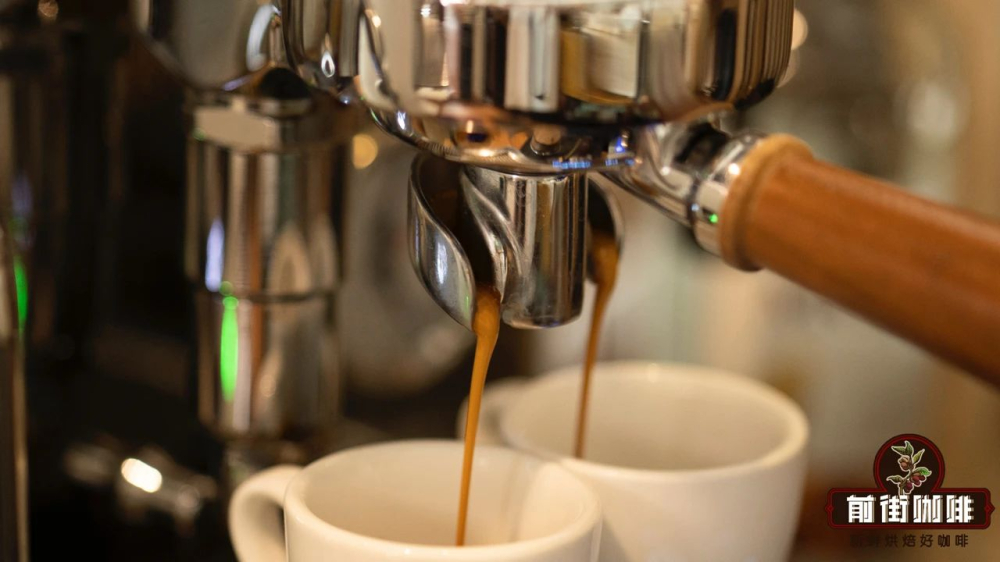
This phenomenon is related to how espresso is made. In 1961, Faema launched the world's first semi-automatic espresso machine, the Faema E61, after which extraction pressure, time, and other parameters could be manually controlled. Since then, espresso extraction pressure has generally stabilized at 9 bar, with a water temperature of about 93 degrees Celsius. Espresso beans usually use a darker roast, and combined with such high pressure and high temperature, the resulting espresso naturally has a powerful flavor and a viscous mouthfeel.
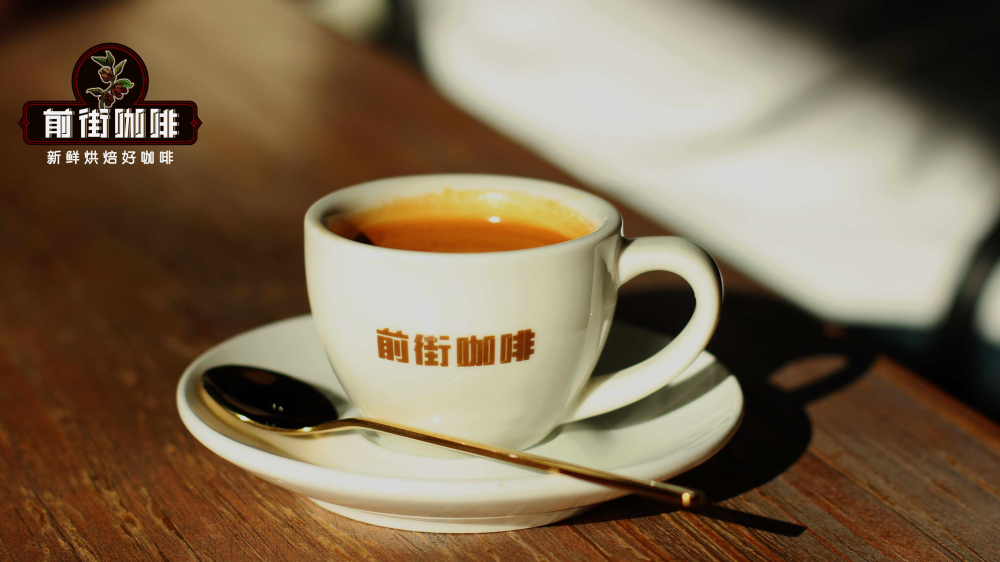
No matter which café you're at, whenever you order an espresso, it's generally served with a glass of ice water and a small spoon. The ice water's purpose is to clean the palate, remove stray tastes, and awaken the senses before tasting, so you can more clearly capture the espresso's flavor and mouthfeel. The small spoon is used to stir the coffee before drinking, or to observe the state of the espresso. Of course, you can also choose not to stir, letting your tongue experience the different sensations from the upper layer of crema to the lower layers in sequence. After finishing, you can also take another sip of water to rinse your mouth, making it easier to perceive the coffee's sweetness.
Extracting a qualified espresso involves many key factors, including dose, extraction yield, grind size, extraction flow rate, time, and extraction pressure.
[Dose] is usually determined by the portafilter basket capacity. Front Street Coffee uses a 20-gram basket. Too much coffee powder may prevent the portafilter from locking onto the group head, or even cause pressure to spike; too little powder can easily lead to uneven extraction.
[Extraction yield] Generally, the coffee-to-liquid ratio is about 1:2, meaning 20 grams of coffee powder extracts 40 grams of espresso.
[Grind size] The finer the grind, the smaller the coffee particles, the more fully they contact water, and the more substances are extracted—which may cause over-extraction; the reverse is also true. Therefore, the right grind size is crucial.
[Extraction flow rate] At a normal flow rate, the liquid should flow out with a slightly thick, caramel-like consistency. If the flow is too fast, the soluble coffee substances don't have time to fully extract, resulting in a flat overall aroma and a thin, watery mouthfeel; if the flow is too slow, the concentration is too high and over-extraction may even occur.
[Time] The soluble substances in coffee will continuously dissolve out as time extends, and these may also include bitter-tasting components.
[Pressure] The ideal pressure is about 9 bar. If the pressure is too low, fewer oils are extracted, and both flavor and mouthfeel suffer; if the pressure is too high, the coffee structure is overly damaged, and the intense water flow violently interacts with the coffee grounds, increasing the extraction rate of insoluble substances and making bitterness more pronounced.
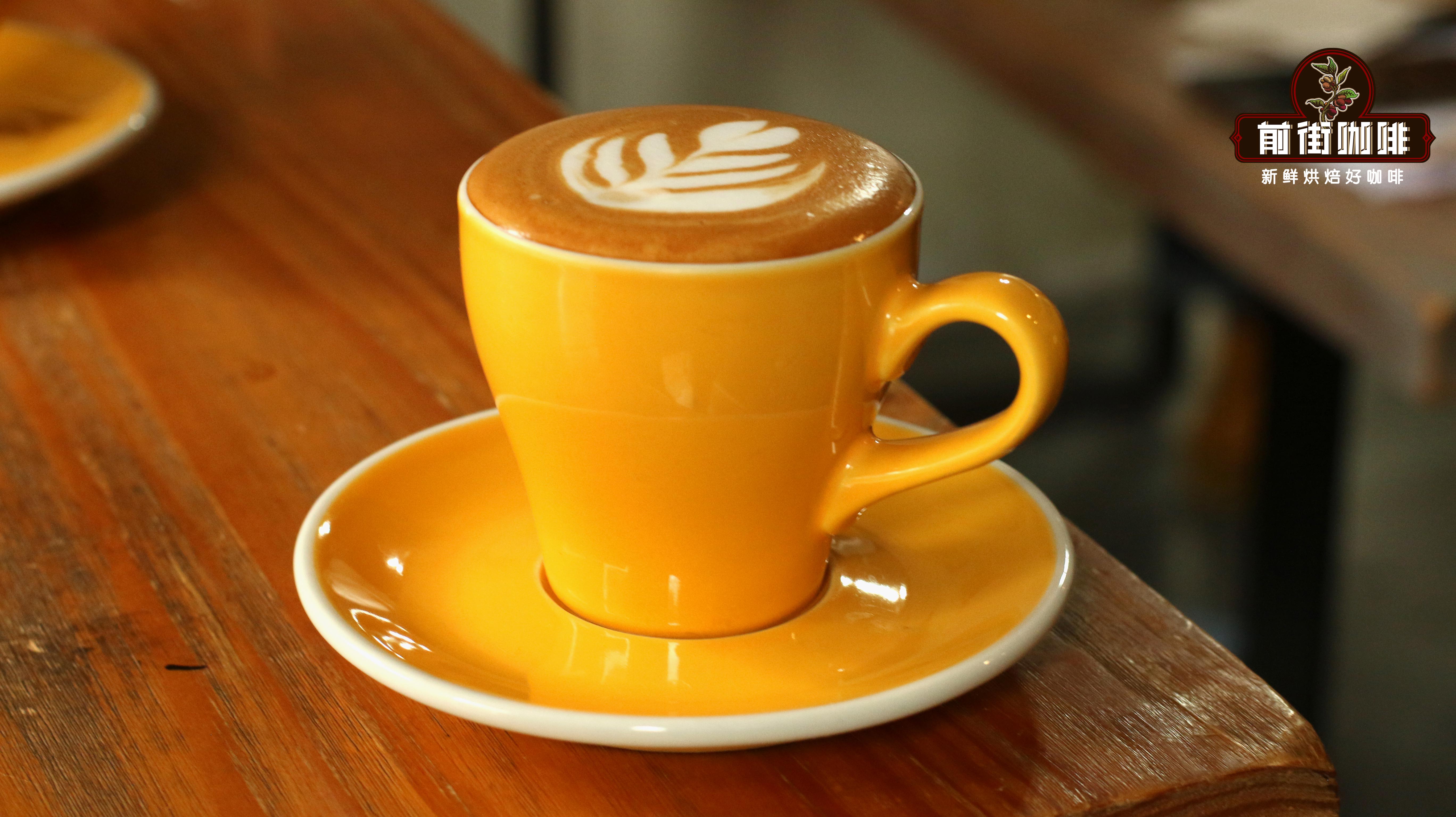
Front Street Coffee Espresso Preparation Method
Coffee machine: Lelit Bianca V3
Pressure: 9 bar±2
Temperature: 90.5~96°C
Time: 20~30 sec
Coffee-to-water ratio: 1:1.7~1:2
Dose: 12g (single espresso) 20g (double espresso)
Extraction yield: 20ml (single) 40ml (double)
If you prefer a rich mouthfeel and abundant crema, you can try Front Street Coffee. Front Street Classic Blend. This coffee combines Indonesian Mandheling with Brazilian espresso beans, offering both the wild aroma of Mandheling and the smooth mouthfeel of Brazilian beans—the two complement and balance each other in flavor. Front Street Classic Espresso Blend adds Robusta to the Mamba recipe, significantly enhancing the crema, making the espresso's body more substantial and the extraction more stable—very suitable for home users and for opening a shop.
In addition to the full-bodied Front Street Classic Blend, Front Street Coffee has also developed several espresso blend coffee beans with different styles for everyone to choose from.
Front Street Coffee. Specialty Blend Coffee Beans
Variety: Arabica
Processing method: Washed processing
If you like espresso with a main profile of nuts and chocolate, you can choose Front Street Coffee. Specialty Blend—soft, mild acidity with a clean, sweet nutty aftertaste.
Front Street Coffee. Commercial Blend Coffee Beans
Variety: Arabica & Robusta
Processing method: Washed processing
If you're after roasted aromas like nuts, cocoa, dark chocolate, and caramel, choose Front Street Coffee. Commercial Blend beans—balanced acidity and sweetness, with a slight bittersweetness from the added Robusta, a long finish, and rich crema.
Front Street Coffee. Black Cocoa—an espresso bean recommended by many baristas—Front Street Coffee Black Cocoa Blend Coffee Beans
Variety: Arabica
Processing method: Washed processing
Front Street Coffee. Black Cocoa—an espresso bean recommended by many baristas—Front Street Coffee Black Cocoa Blend has soft fruity acidity, caramel sweetness, and nutty, dark chocolate flavors, smooth and viscous, but with a relatively light taste.
The above content is compiled by CoffeeHunters, a coffee news website.


