







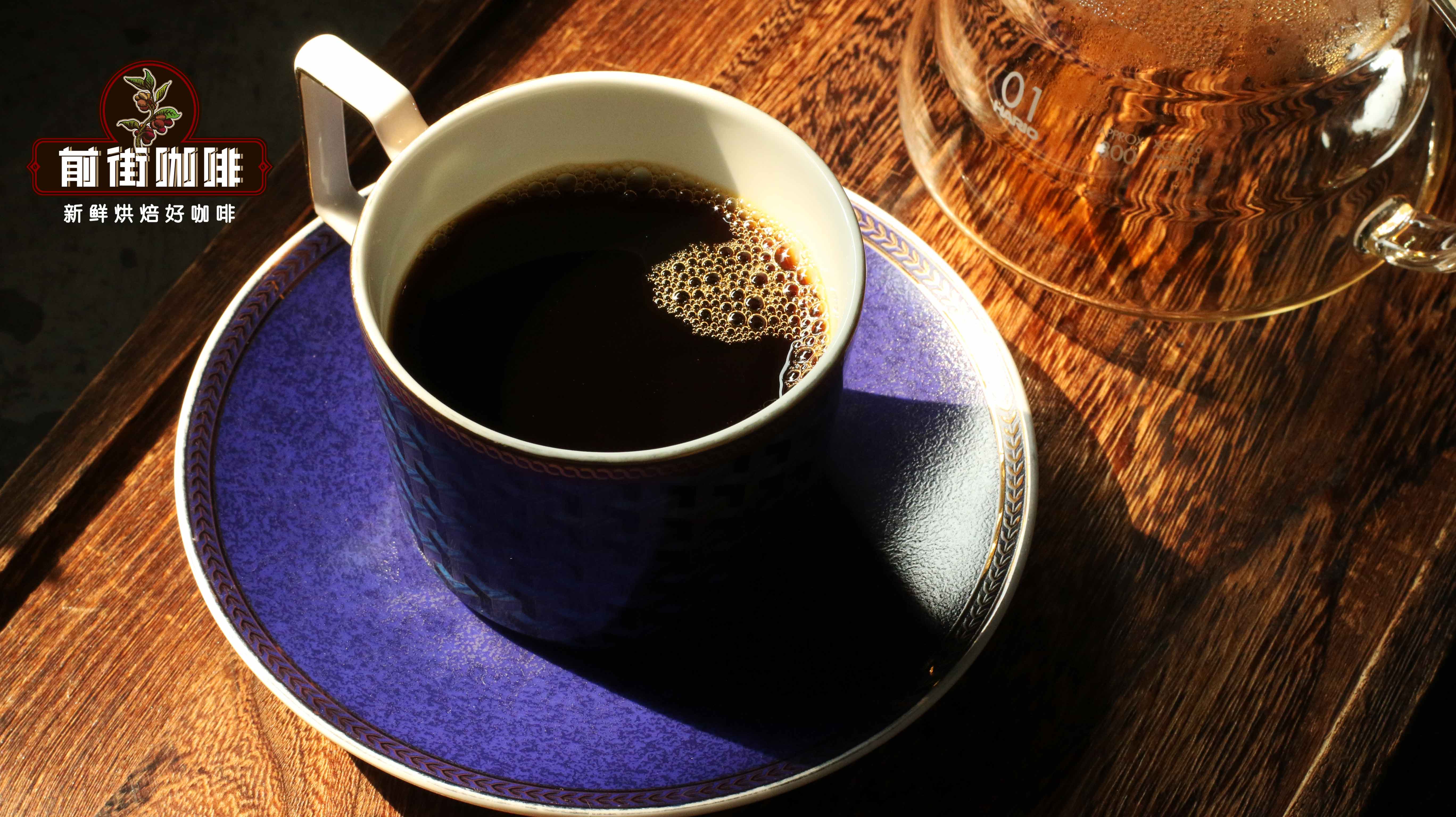
Many people think coffee is naturally bitter, but in fact, high-quality coffee often carries a fascinating sweetness. This article will answer where coffee's sweetness comes from, why sweetness is most prominent in medium roasts, and recommend three coffee beans with noticeable sweetness—Front Street Brazil Queen Estate, Front Street Colombia Sidra, and Front Street Strawberry Candy Geisha Blend. In addition, we break down a pour-over recipe in detail, from coffee-to-water ratio and water temperature to pouring rhythm, to help you brew a cup of coffee with rich layers and abundant sweetness.
Have you ever noticed that truly outstanding coffee often carries a pleasant sweetness? Sweetness occupies a fairly important place in coffee tasting, and a cup with prominent sweetness is usually more likely to win people's favor. So where exactly does coffee's sweetness come from? Which coffee beans perform best in sweetness?
Where does coffee's sweetness come from?
Green coffee beans are rich in sugars, proteins, fats, salts and acids, potassium, crude fiber, moisture, and many other components. During roasting, high temperatures drive the Maillard reaction and caramelization in the coffee beans, transforming the original sugars and amino acids into polysaccharides, so the sweetness we taste is actually the result presented after roasting.
From the perspective of roast level, light roasts retain the most fruit acidity because the heating time is relatively short, and their sweetness is comparatively weak; dark roasts, due to overly long roasting, have already seen most substances undergo caramelization, with aromas somewhat dissipated, so coffees with prominent sweetness appear more often in the medium roast range.
How do you taste the sweetness in coffee?
Coffee's flavor compounds are water-soluble flavor molecules in food. After entering the mouth, they are captured by the taste buds and then transmitted to the brain through nerves. Taste can distinguish only sour, sweet, bitter, salty, and umami, but coffee does not involve the concept of "umami," so coffee is divided into only four major flavor categories. Generally speaking, the tip of the tongue is most sensitive to sweetness, the base of the tongue has the strongest perception of bitterness, the front sides of the tongue are most sensitive to umami, and the middle-to-rear sections on both sides of the tongue are most keenly aware of sourness.
Which coffee beans have high sweetness?
1. A coffee with balanced mouthfeel and rich, sweet aroma: Front Street Brazil Queen Estate
This Front Street Queen Estate coffee bean uses the locally rare Yellow Bourbon variety. Yellow Bourbon coffee beans grown at high altitude have higher density and are also richer in glucose. Front Street's roasting direction is to highlight the rich aroma that is the hallmark of Brazilian coffee while also taking into account the sweet qualities of the Bourbon variety itself, so a medium-dark roast is used. The low-acidity, high-sweetness character of Front Street Yellow Bourbon makes it suitable both for pour-over and for making moka pot coffee and espresso SOE, with clear roasted nut and cocoa aromas.
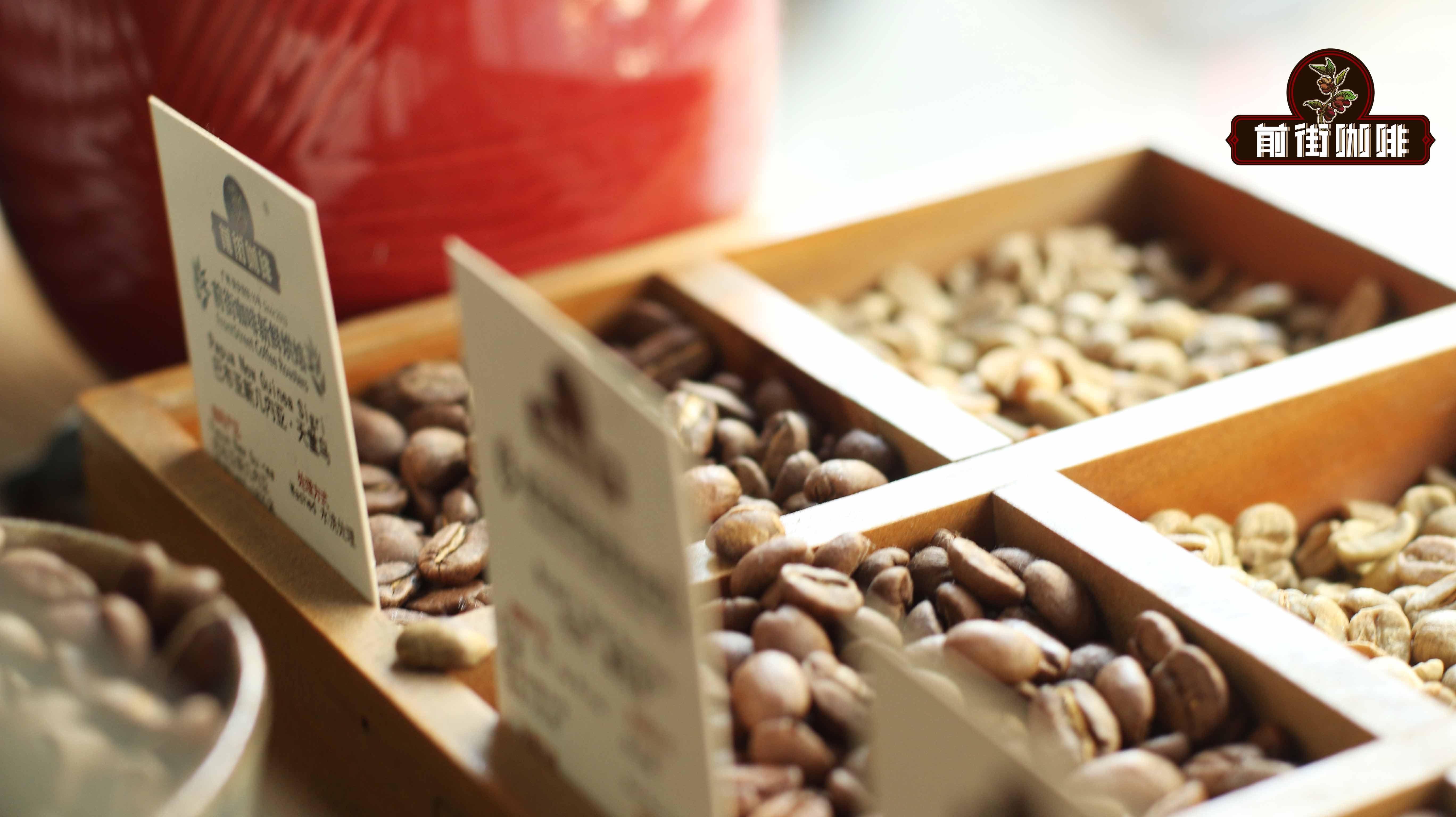
2. A coffee overflowing with fruity aroma and pleasant sweet-tartness: Front Street Colombia Sidra
This Front Street Sidra coffee bean comes from Finca La Divisa in the Huila region of Colombia, grown at an altitude of 1,700 meters and processed using the double anaerobic natural method. In terms of flavor, Front Street Sidra presents intense passion fruit and grape notes, along with a clear sweetness like candied fruit and an acidity reminiscent of mandarin orange. After swallowing, an almond-like finish remains in the mouth, which is why it has won over many repeat customers.
3. A coffee with sweet floral notes and clean, juicy brightness: Front Street Strawberry Candy Geisha Blend
When it comes to coffees with prominent sweetness, the first place Front Street thinks of is Costa Rica, which produces excellent honey-processed coffee. The method of keeping the mucilage during drying allows the coffee to show a delightful fermented sweetness in aroma and flavor. In order to create a coffee with soft acidity and sweet floral-fruity notes, we combined Panama Geisha with Costa Rican beans to blend a new Geisha recipe. After brewing, you can clearly sense the aromas of roses, grapes, and dried blueberries.
Below we use Front Street Strawberry Candy coffee beans to demonstrate how to brew out coffee's sweetness. Note that coffee beans must be used within their peak flavor period. Front Street coffee beans are all freshly roasted within 5 days and support shipping within 24 hours, precisely so that the aroma is still at its best when you receive them.
Dose: 15g
Grind size: 75%–80% passing through a No. 20 sieve, Ek43 setting 10
Coffee-to-water ratio: 1:15
Brewing water temperature: 92°C
First, use 30ml of hot water for a 30-second bloom to release the carbon dioxide in the coffee beans that hinders extraction.
After the bloom is complete, pour 120ml of hot water in a larger stream in a wide circular motion. Front Street's pouring speed is 6ml/s, completing it within 20 seconds.
When the hot water in the dripper has seeped through almost completely, you can see that the coffee bed has formed a bowl shape. At this point, the hot water needs to be poured in a concentrated central position.
Because the second pour is faster, the flow-through speed will also be correspondingly faster. If you want the coffee to obtain sufficient extraction, when pouring the third stage of hot water you need to reduce the pouring speed and extend the extraction time, thereby ensuring the coffee reaches a sufficient extraction yield.
Therefore, for the third stage we use a small stream, pouring in a small circle around the center. This stage pours a total of 75ml of hot water, and Front Street's pouring speed is 4ml/s. After all the hot water has seeped through the dripper, you can remove the dripper and end the extraction.
Total time: 2 minutes 15 seconds. The Huakui brewed this way, as Front Street says, has especially high sweetness and particularly rich layers. Orange blossom, strawberry, citrus, cream, and honey are the rich aromas Front Street can capture from it. The finish carries oolong tea aroma, and after swallowing, the long berry aftertaste becomes increasingly obvious in the mouth, very pleasant.
The above content is compiled by CoffeeHunters, a coffee news website.


