







What Sets Espresso Beans Apart, and Where Does Coffee SOE Fit
Espresso beans form a separate category because extraction happens fast under 9 bars of pressure, which amplifies whatever is in the bean. Medium to dark roast levels are the usual choice: lightly roasted fruit-forward beans tend to pull sour and astringent, while very dark roasts taste burnt and bitter. Coffee SOE, meaning single-origin espresso, is the alternative to a blend.
Blending means combining two or more raw beans, typically two to six kinds; more than that and the individual flavors blur. A 1:1 ratio is avoided because it masks each coffee's distinct character, so blenders set a primary-second load structure instead. When choosing beans, weigh extraction stability, aroma richness, and whether the roast level matches the pressure and grind size used at home.
When selecting coffee beans, have you ever noticed that "espresso beans" are always listed as a separate category? This is closely related to their unique preparation method. Espresso requires rapid extraction at 9 bars of pressure, which places special demands on the roast level and blending approach of the coffee beans. This article will start from the extraction principle and explain why espresso beans mostly use medium-dark roasts, why blended beans need a primary-secondary distinction, and introduce the flavor characteristics of several Front Street espresso blends and SOE single-origin beans to help you find the one that best suits your taste.
When shopping for coffee beans online, you will probably notice that products are usually divided into two major categories: one labeled as espresso beans, and the other collectively referred to as other coffee beans. This classification is not arbitrary but is determined by the extraction method.
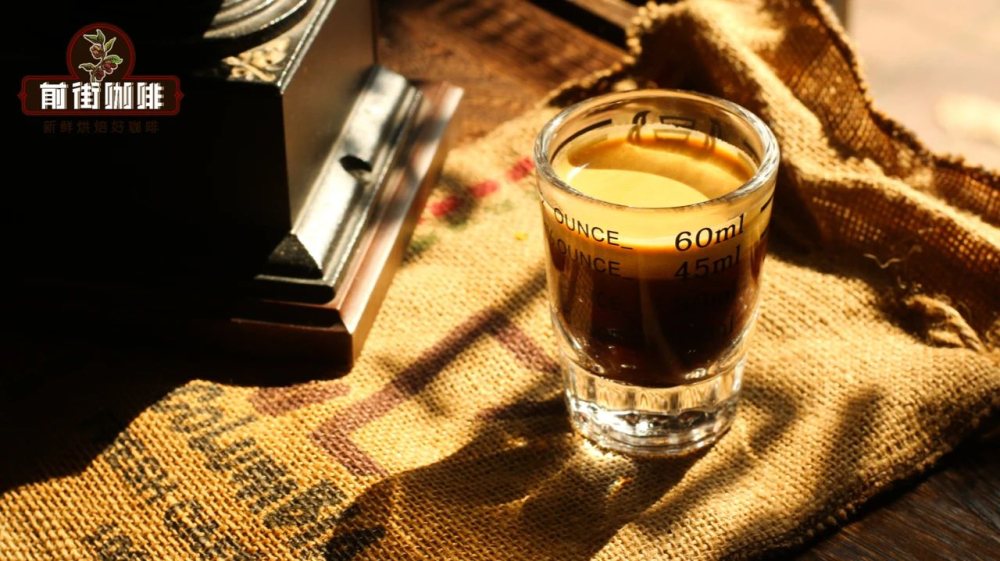
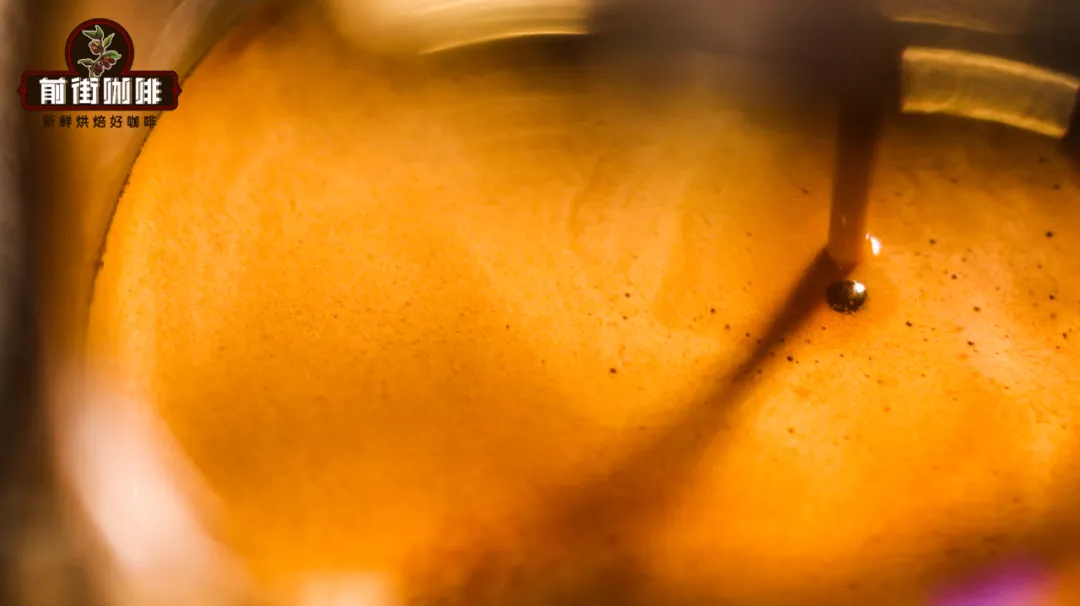
To make a standard espresso, a professional espresso machine is essential. It allows finely ground coffee powder to rapidly extract flavor substances under 9 bars of atmospheric pressure, while also covering the surface with an alluring golden layer of crema.
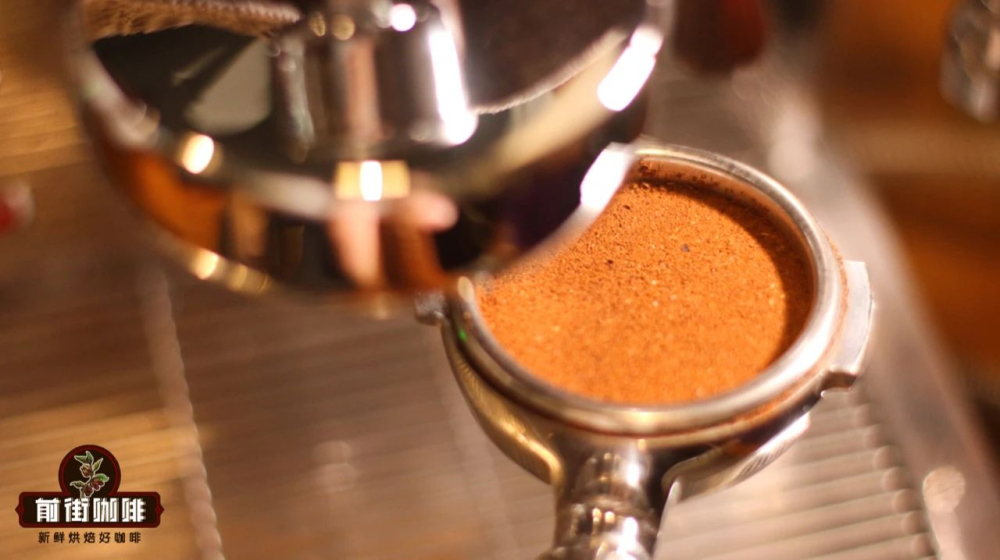
Extraction with an espresso machine is pressurized high-temperature extraction, and a shot of espresso can be completed in just a few dozen seconds. Because of this, the coffee powder needs to be ground very fine, which amplifies the characteristics of the coffee beans themselves, making the taste intense or even harsh. For example, if lightly roasted fruit-acid coffee beans are used to make espresso, it easily produces a sour and astringent sensation; while using extremely dark roasted beans will produce a burnt bitter taste. To ensure extraction stability, espresso beans usually choose a medium to dark roast level.
In addition to roast level, enhancing the richness of coffee aroma is equally key. You can choose a single variety of coffee beans, or blend beans from multiple origins.
So-called blending naturally refers to a combination of two or more raw beans. Usually, 2 to 6 kinds of coffee beans are selected for blending; if there are too many types, the unique flavor of the coffee cannot be displayed. Blended coffee generally does not use a 1:1 ratio, because this easily masks each other's distinctive flavors. Therefore, when blending, there must be a primary-secondary distinction in order to create a more charming taste than single-origin coffee. If you want the blended coffee to have complex and varied layers, you can appropriately reduce the proportion of the base bean; conversely, if you want a more concentrated flavor, increase the proportion of the base bean.
1. [Front Street Classic Espresso Blend Coffee Beans] Front Street Brazil: Front Street Indonesia Mandheling: Front Street Vietnam; Flavor characteristics: rich crema, with an obvious caramel aroma lingering, intense nut and dark chocolate flavors, and a comfortable sweet aftertaste.
2. [Espresso Coffee Beans Recommended by Many Baristas - Front Street Dark Cocoa Blend Coffee Beans] Yunnan AA: Brazil;
Flavor characteristics: with soft fruit acidity, caramel sweetness, nut and dark chocolate flavors, smooth and viscous, but the taste is relatively light.
3. [Front Street Strawberry Candy Espresso Blend Coffee Beans] Costa Rica: Colombia: Ethiopia;
Front Street Strawberry Candy Espresso Beans are a blend based on two major origins: Front Street Costa Rica Tarrazu, famous for its honey processing, and Ethiopia, the birthplace of coffee, paired with Colombian coffee beans. The extracted espresso carries the sweet aromas of strawberry fruit candy, grapes, and roses, with a soft mouthfeel, low bitterness, and a long-lasting aftertaste.
If the advantage of blending lies in rich aroma and stable extraction, then single-origin espresso beans allow us to experience clear regional flavors.
Brazil single-origin coffee — Front Street Queen's Estate SOE Single-Origin Coffee Beans
Flavor: creamy peanut, nuts, chocolate, sucrose, slight acidity
PNG single-origin coffee beans — Front Street Bird of Paradise SOE Single-Origin Coffee Beans
Flavor: toasted bread, nuts, citrus, cocoa, cream, balanced sweetness, acidity, and bitterness
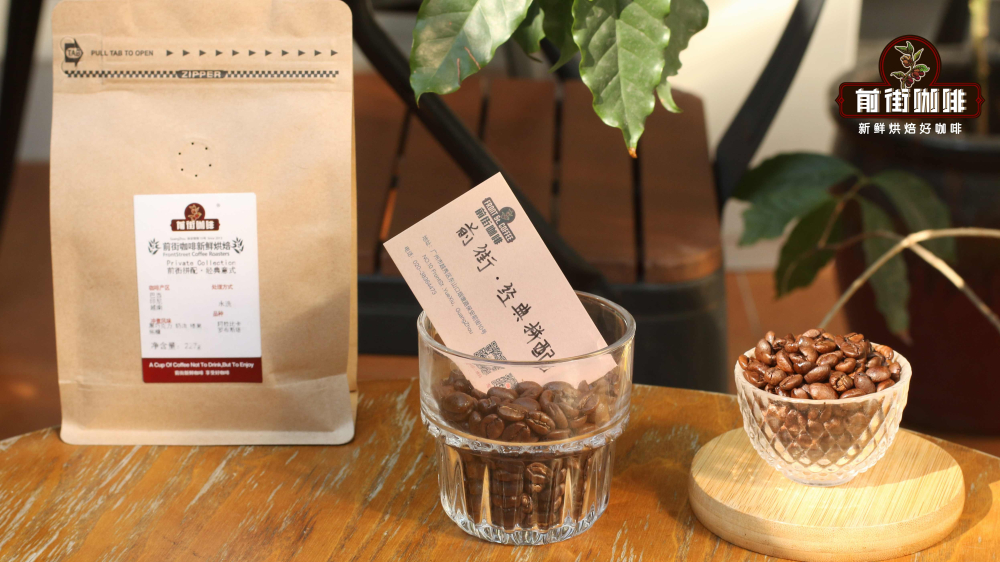
Costa Rica single-origin coffee beans — Front Street Mozart SOE Single-Origin Coffee Beans
Flavor: osmanthus, pineapple, orange, raisins, nuts
The above content is compiled by CoffeeHunters, a coffee news website.


