







What Makes PWN Golden Mandheling Coffee Different?
PWN Golden Mandheling coffee beans come from the Gayo region, where independent smallholders grow coffee under shade trees. After washing and drying, PWN sorts at least three times by hand plus one machine pass, keeping defects to no more than 3 beans per 300 gram sample and pushing quality beyond Indonesia's highest green bean grade, G1. Golden Mandheling is a registered PWN trademark.
The beans look plump and even, with a translucent blue-green color and a thick, rounded mouthfeel. They work well as a single-origin pour-over black coffee and hold up in roasting because of their density. Counterfeit Mandheling lots appear often, so the PWN trademark is the reliable marker when buying the genuine Golden Mandheling bean.
Among the beans from Indonesia's many coffee-producing regions, Front Street Golden Mandheling stands out for its full, uniform bean appearance, clean and bright flavor profile, and thick, rounded mouthfeel. Whether enjoyed as a daily single-origin pour-over black coffee or given as a specialty gift to friends and family, it is an excellent choice. What exactly makes this bean so special? Why does it surpass Indonesia's highest green bean grade, G1? And where did the name "Mandheling" come from? This article will focus on PWN's Golden Mandheling coffee beans, covering everything from origin sourcing, hand sorting, trademark certification, historical origins, to roasting recommendations, giving you a comprehensive understanding of this Indonesian specialty coffee's story and quality advantages.
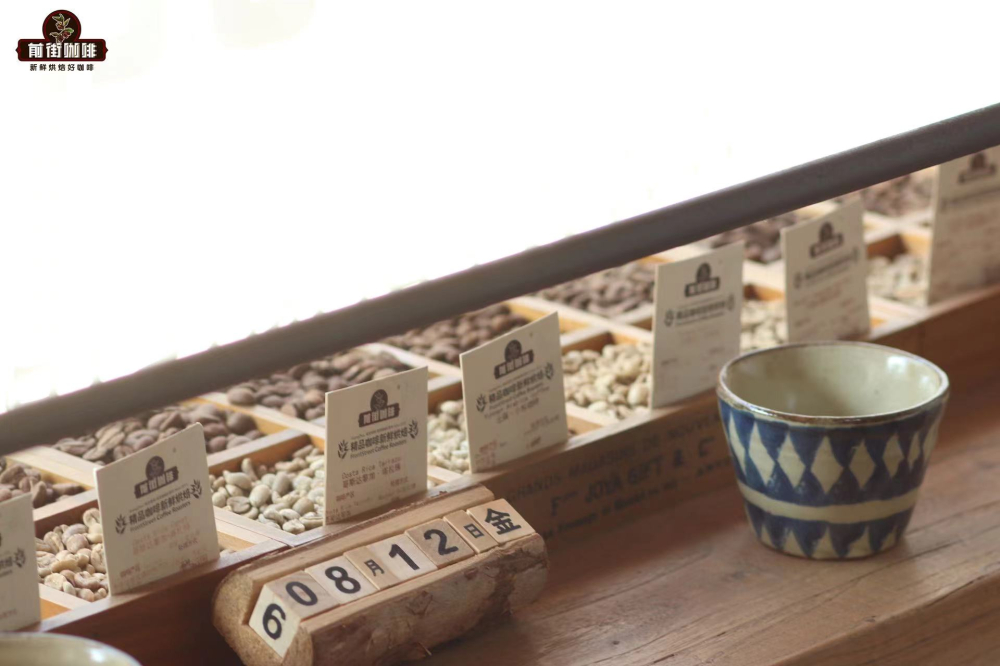
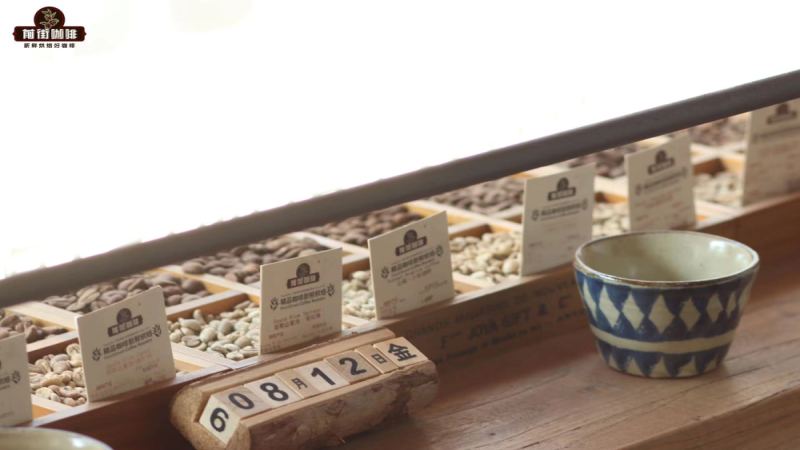
In the landscape of Indonesian coffee, Front Street Golden Mandheling coffee beans are produced by PWN. The beans are plump and uniform in size, the flavor is clean and bright, and the mouthfeel is thick and smooth. It performs excellently as a single-origin pour-over black coffee and makes an impressive gift for friends and family.
What exactly makes Golden Mandheling coffee beans so special?
The uniqueness of these beans can be summarized in three aspects:
First, PWN sources coffee cherries specifically from the Gayo region. Farming in this area is dominated by independent smallholders, who cultivate coffee under shade trees to enhance cherry quality.
Second, after receiving the cherries, PWN first selects ripe cherries that meet specification standards, processes them through washing and drying, then carries out at least 3 rounds of purely manual sorting plus 1 round of machine screening, keeping defective beans to within 3 (based on a 300g green bean sample), while ensuring the green beans display a uniform, translucent blue-green color with consistent, regular shape . It is precisely these steps that allow Front Street Golden Mandheling's quality to clearly surpass Indonesia's highest green bean grade — G1.
Third, "Golden Mandheling" is a registered trademark of PWN. As Golden Mandheling gained recognition for its outstanding quality, a large number of counterfeit "Mandheling" coffee beans appeared on the market, but none of them are authentic Golden Mandheling.
To buy genuine Golden Mandheling, the key is to look for the PWN trademark. Front Street Golden Mandheling coffee beans all come from PWN. Orders are shipped within 24 hours, and all beans are freshly roasted within 5 days. At the Front Street Coffee physical store, you can see the certification certificate issued by PWN, as well as the burlap sacks PWN uses to pack Golden Mandheling coffee beans.
The Origins of Golden Mandheling Coffee Beans
The name "Mandheling" stands out as particularly unusual in the coffee world — it is neither a producing region name, nor a place name or port name, nor a coffee variety name (such as Yirgacheffe or Sidamo, which are both African region names). Ultimately, it is simply a transliteration of the Indonesian Mandheling ethnic group.
Why would a coffee bean be named after an ethnic group? According to Japanese enthusiasts who love Mandheling, the naming of Mandheling coffee beans actually stems from a misunderstanding.
During World War II, a Japanese soldier drank an exceptionally delicious cup of coffee at a coffee shop on the Indonesian island of Sumatra. He immediately asked the shop owner what the coffee was called, but due to the language barrier, the shop owner thought he was asking "Where are you from?" and answered: "Mandheling."
After the war ended, the Japanese soldier returned home but could never forget that cup of coffee from Sumatra. He arranged for someone to find the coffee shop owner and exported 15 tons of coffee beans from Sumatra to Japan. The beans proved hugely popular in the Japanese coffee market, and so the name Mandheling has been used ever since.
As Japanese consumers' love for Mandheling coffee beans grew deeper, and coffee craftsmen placed higher demands on bean quality, that coffee shop owner seized the business opportunity and founded Pwani Coffee Company (PWN for short).
The inherent varietal characteristics of Mandheling coffee beans, combined with Indonesia's highly distinctive wet-hulling method (wet-hulling refers to removing the parchment after 2 to 3 days of sun-drying with the parchment still on during the regular washing process, once moisture content drops to 20-24%), this ultra-fast processing and drying method also leads to a relatively high defect rate in Mandheling.
To improve the quality of Mandheling coffee beans, PWN uses hand sorting throughout the entire process, from the cherry stage all the way to the finished beans. Although this practice drives up the cost of the coffee, the high-quality beans are deeply favored by consumers. To distinguish them from ordinary Mandheling coffee beans, PWN's owner noticed the golden luster the green beans gave off in sunlight and named them Golden Mandheling coffee beans.
To give Mandheling coffee beans a rich layering of flavors — preserving their full-bodied character while also making the distinctive herbal notes clearly identifiable — Front Street Golden Mandheling coffee beans are roasted until just before second crack, making them a medium-dark roast. At this point, acidity is low and aroma is intense, suitable for pour-over, moka pot, SOE espresso, French press, and many other extraction methods.
The above content is compiled by CoffeeHunters, a coffee news website.


