







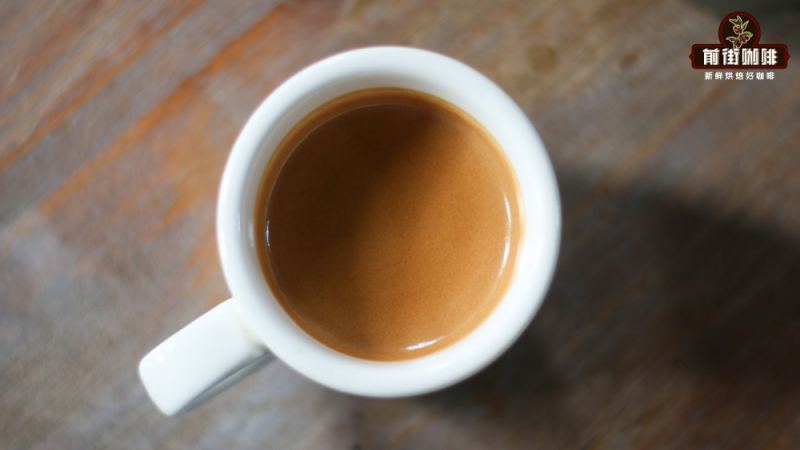
To make a satisfying espresso at home or in a shop, choosing the right coffee beans is the first step. This article, based on the practical experience of Front Street Coffee, first explains the logic of selecting espresso beans—why the roast level should not be too light, and the respective pros and cons of SOE and blended beans—then introduces four espresso blend options from Front Street Coffee one by one, covering different needs such as economical everyday coffee, rich aroma and crema, classic specialty coffee, and distinctive flavors. The latter half of the article systematically sorts out the twelve variables that affect espresso extraction, including dose, brew ratio, time, flow rate, pressure, and temperature, to help you further adjust the extraction to an ideal state after choosing your beans.
To learn more about specialty coffee, welcome to follow: Front Street Coffee (Frontsteet Coffee)
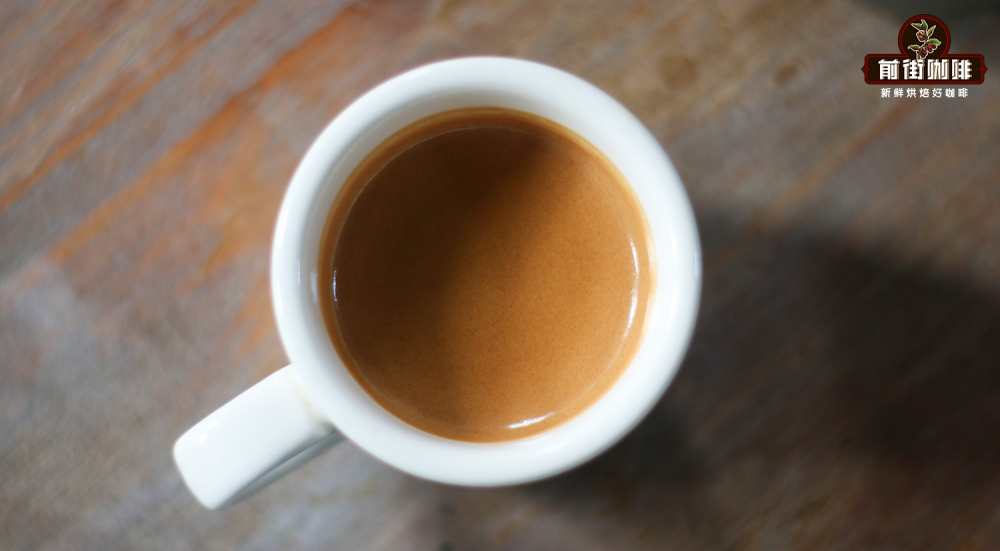
Front Street espresso (Espresso) is a strongly flavored coffee category. It is made by forcing water at about 92 degrees Celsius under 9 bar of pressure through finely ground coffee, thereby obtaining concentrated coffee liquid. Many customers feel at a loss when choosing coffee beans, so Front Street Coffee (FrontStreet Coffee) will now discuss the approach to bean selection.
Principles for Selecting Front Street Espresso Beans Roast level: Start with this point. Whether it is a single-origin bean or a blend, the first thing to notice should be how light or dark its roast is. Espresso coffee is not suitable for beans that are roasted on the lighter side. Lightly roasted beans retain more acidity and have less oil, so using them for espresso will produce a cup with sharp acidity and a thin body. Many single-origin beans on the market intended specifically for pour-over are actually not very suitable for extraction with an espresso machine.
When purchasing, please pay attention to the roast level indicated on the packaging, or confirm whether it states that it is suitable for espresso machines.
Blended beans and SOE: SOE stands for “Single Origin Espresso,” meaning espresso from a single origin. This concept is relative to blended espresso. Although SOE refers to single-origin espresso, it does not necessarily mean specialty coffee. If you choose a single-origin bean with high and intense flavor distinctiveness to make SOE, you can produce a distinctive, typical espresso.
But the characteristic of being “single origin” can also become a shortcoming. If you choose beans whose flavor intensity is insufficient or that inherently have unpleasant flavors, these defects will be magnified exponentially in espresso, and flaws and off-flavors will be easier to taste. Therefore, this places stricter demands on the barista’s sensory judgment and on bean selection for SOE.
Blended coffee: Blended beans, also called mixed coffee, are made by mixing multiple single-origin coffee beans in proportions so that the strengths of each bean can be fully brought out. Blended beans are composed of coffee beans from different origins, with the aim of achieving a more balanced flavor.
Coffee is ultimately an agricultural product. Even for the same bean, flavor performance can vary from year to year. Mixing several beans together can better resolve this problem. When a certain bean in a blend does not meet expectations in flavor in the new crop season or is in tight supply, beans with similar flavors can be used as replacements and adjustments can be made.
The advantage of blended beans is that the flavor characteristics of different origins can complement one another, forming a stable taste, while also offering a price advantage.
Front Street Espresso Bean Blending Options According to differences in coffee types, the espresso beans created through blending will also present different characteristics in mouthfeel and flavor.
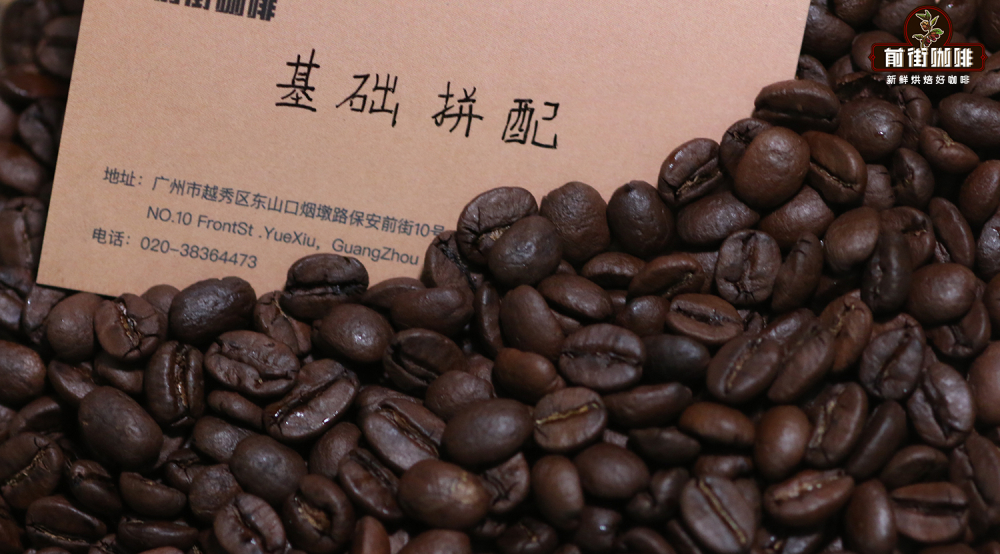
1. Front Street Basic Espresso Blend, focused on affordability Recipe: Brazil Red Bourbon beans (70%), Yunnan smallholder coffee beans (30%).
The core selling point of this espresso bean is high cost-effectiveness. Front Street uses all-arabica beans from Brazil and Yunnan for the blend. On the premise of a price advantage, it ensures that the extracted espresso has the classic nutty creamy aroma and dark chocolate finish. It is suitable as a personal everyday staple or as a low-cost coffee option, and is also suitable for cafes and home users who prioritize cost and do not have high flavor requirements.
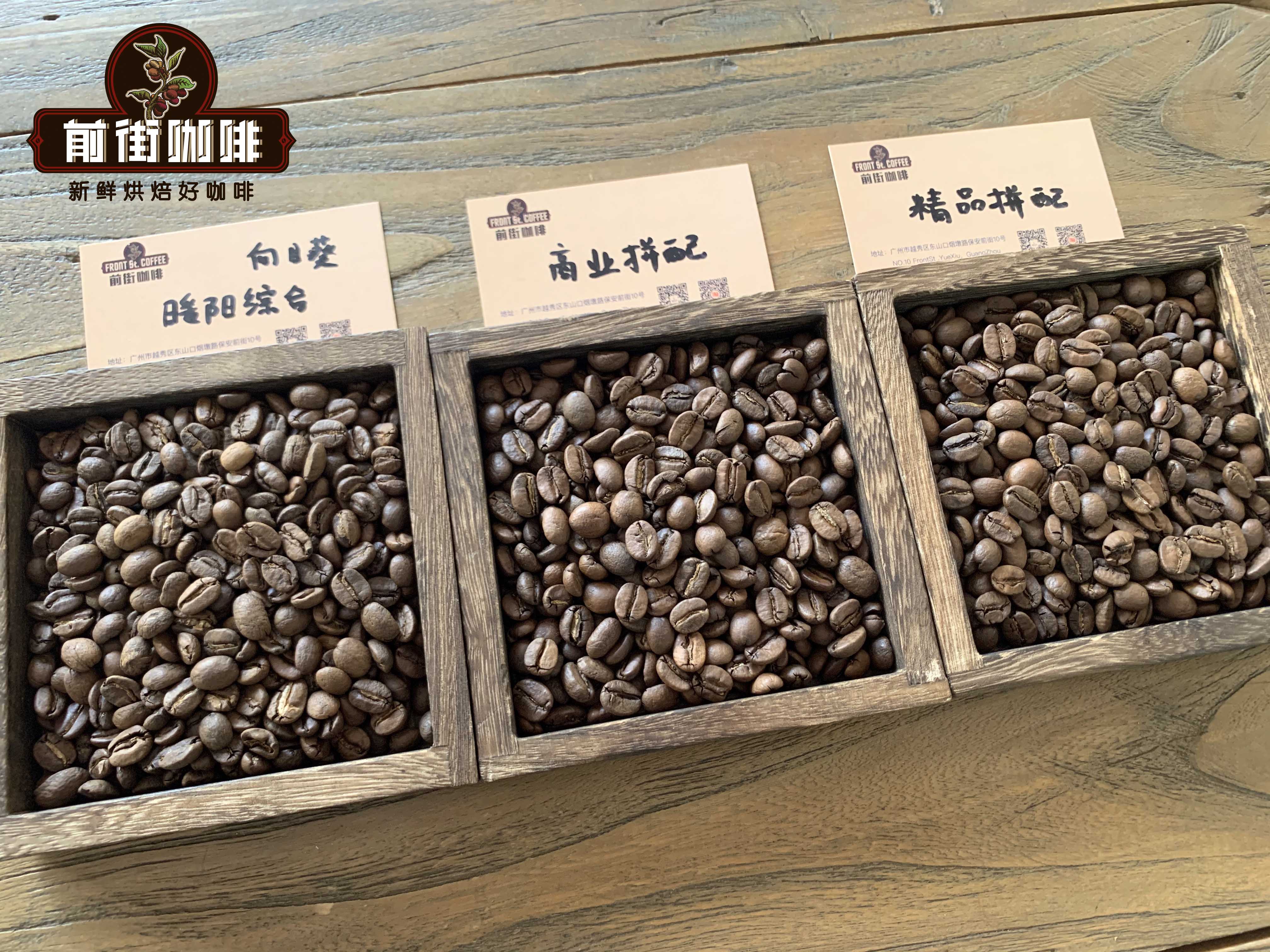
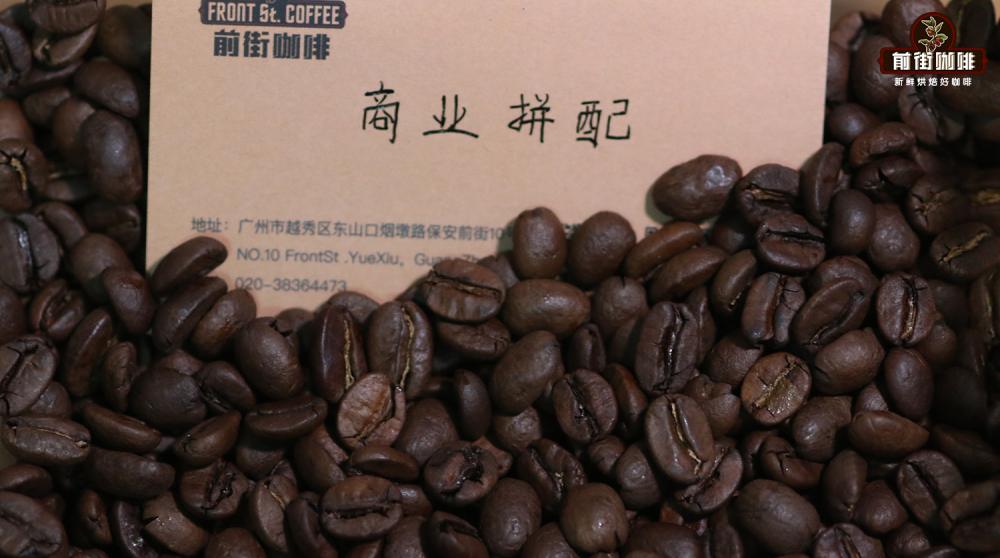
2. Front Street Commercial Espresso Blend, focused on rich aroma and thick crema Recipe: Colombia (30%), Brazil (60%), Robusta (10%).
Considering the diverse needs of the audience, to make a strongly flavored blend, you must choose coffee beans with rich flavor. Such beans include Colombian beans with a heavy nutty chocolate tone, Brazilian beans with mild bitterness, and Robusta beans known for their full body and abundant crema. The coffee beans blended in this way are relatively bitter and are very popular among coffee lovers, and can also meet the daily needs of cafes.
3. Front Street Specialty Espresso Blend, high-quality and classic Recipe: Brazil (70%), Colombia (30%). The traditional classic espresso flavor profile is a rich nutty chocolate tone, and Front Street set this classic flavor as the taste goal for this blend. To obtain excellent flavor, you must select high-quality arabica beans. Front Street uses arabica beans from Brazil and Colombia for the blend. The balance and nutty tone of Brazilian beans, plus the full body of Colombian beans, give this blend outstanding performance. During blending, priority is given to both stability and flavor. The resulting espresso has rich and delicate crema, a full body, a main tone of nuts with slight fruit acidity, and is suitable for occasions where specialty coffee beans are used, while also meeting the daily production needs of coffee shops.
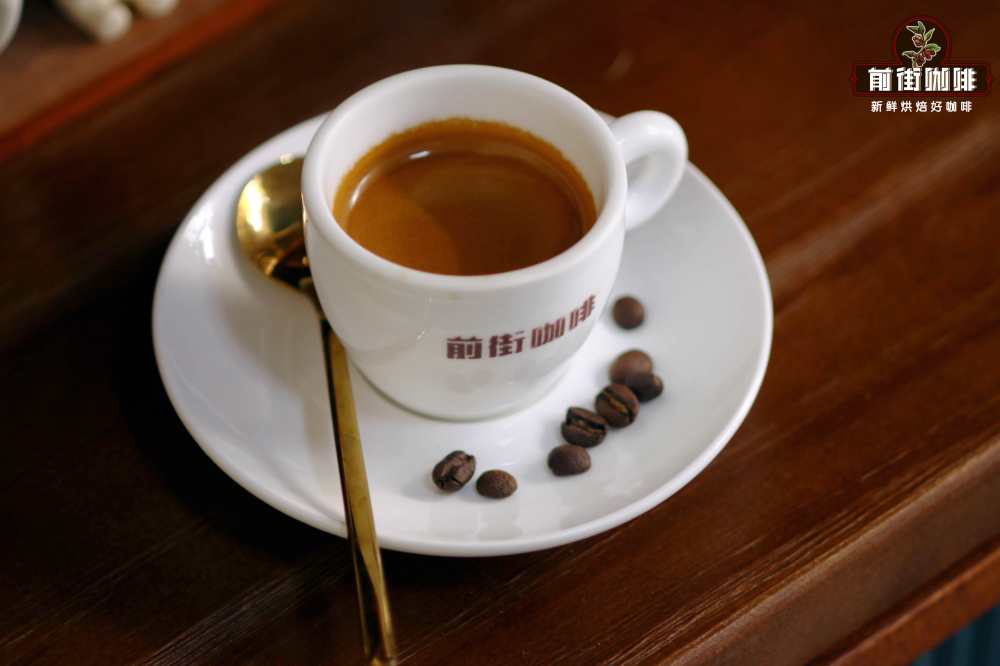
4. Front Street Sunflower Warm Sun Espresso Blend, focused on the distinctive flavors of specialty coffee Recipe: Front Street Honduras Sherry (70%), Front Street Yirgacheffe Red Cherry (30%).
Front Street named this uniquely flavored Front Street espresso bean Sunflower Warm Sun. As the name suggests, the aroma of this Front Street espresso blend is as relaxing as warm sunshine, and its mouthfeel and flavor are also refreshing. With Front Street Honduras Sherry beans, rich in fermented wine aroma, as the main component, paired with Front Street Yirgacheffe Red Cherry beans, which have prominent acidity, it can create a fragrant and rich blended coffee.
Just like the extraction parameters for pour-over coffee, espresso places even more emphasis on controlling extraction parameters. The following analysis is carried out separately from several aspects: coffee dose, brew ratio, extraction time, flow rate, extraction pressure, and extraction temperature.
Coffee dose The amount of coffee dose depends on the capacity of the portafilter basket. The double baskets provided by some coffee machine manufacturers come in specifications such as 16g, 18g, 20g, 22g, and so on. These are recommended capacities, with a maximum allowable fill deviation of ±1g. For example, the reasonable dose range for an 18g basket can be 17-19g.
Front Street does not recommend using a dose much smaller or much larger than the basket capacity. The dose affects the density of the puck: under the same tamping force, too little coffee will make it loose, the flow rate will be faster, and thus extraction will be insufficient; conversely, the density will be too high, the flow rate will slow down, and it may even be difficult to extract coffee liquid.
Brew ratio Espresso uses the ratio of coffee grounds to espresso liquid, because it is impossible to calculate how much water was actually used for extraction. Of course, some new coffee machines install a flow meter at the water inlet to display the water amount. The earliest extraction ratio was the single-shot espresso standard, namely 7-8g of coffee extracted into 25-30ml of espresso. The former is a unit of weight, while the latter is a unit of capacity (volume), and the two are equivalent only when the density is the same. But we all know that the extracted espresso has golden crema, and the thickness of this crema depends on the coffee’s roast level and freshness, so continuing to use this measurement method will cause inconsistency in the final product.
Thus the ratio of coffee grounds by weight to liquid by weight emerged. It is usually between 1:1.5 and 1:2.5, with 1:2 being more common, for example 20g of coffee grounds extracted into 40g of coffee liquid. The ratio is affected by two factors: one is the dose, and the other is the water amount. If the ratio is too low, the coffee will taste very strong and heavy, and easily carry the bitter taste produced by over-extraction; if the ratio is too high, it will taste bland and dull, with the sharp acidity brought by under-extraction.
Extraction time Time refers to the entire extraction process from locking in the portafilter and pressing the extraction button to the end. The factors affecting extraction time are, first, grind size, and second, ratio. The ratio is relatively easy to understand: with a higher ratio, more water needs to be extracted, so the time is naturally longer. Grind size affects the coarseness or fineness of the coffee grounds, and the coarseness or fineness directly influences the compactness of the puck. The finer the coffee grounds, the denser the puck after tamping, making it difficult for water to pass through, so the time will be prolonged, easily leading to over-extraction. Generally speaking, the time to extract one espresso is about 20-30 seconds.
Flow rate Flow rate is the speed at which the coffee liquid flows down. When we set extraction parameters, the ultimate goal is actually to obtain an ideal flow rate result. Normally, a proper espresso should begin to drip the first drop of coffee liquid about five seconds after pressing the extraction button, after which the flow rate should be relatively even. Whether the flow rate is fast or slow directly reflects whether the grind size and ratio are appropriate. If it takes more than 10 seconds (excluding pre-infusion) for the first drop of coffee liquid to appear, then the grind may be too fine, or it may have been tamped too densely. If the flow rate is too fast or there is spritzing, then the grind is too coarse, or channeling has occurred.
Extraction pressure Usually the extraction pressure of a semi-automatic coffee machine is around 9 bar, which is determined by the performance of the coffee machine. Nowadays some coffee machines also have pressure profiling functions. If the pressure is low, extraction efficiency is low; if the pressure is high, extraction efficiency is high.
Extraction temperature The water temperature for extracting espresso is generally between 90 and 94 degrees Celsius. If the water temperature is too high, over-extraction is likely, and the coffee taste is likely to be bitter; if the water temperature is too low, under-extraction is likely, resulting in sharp acidity in the coffee taste.
The above content is compiled by CoffeeHunters, a coffee news website.


