







Geisha Coffee: How a Name Traveled from Ethiopia to Panama and Beyond
The name geisha coffee comes from the Gori Gesha forest in Ethiopia, part of the broader Kaffa forest region where arabica coffee originated. The variety was collected there in the 1930s and later sent to research stations in Tanzania and Costa Rica before reaching Panama in the 1960s. The spelling drifted over time, which is why you see both geisha and gesha on bags today. The plant is the same, only the label changed.
Natural and washed processing push the same variety in different directions. Washed geisha tends to show jasmine, bergamot, and a tea-like clarity, with a lighter body. Natural geisha often brings riper fruit notes, more body, and a sweeter, heavier cup from the drying cherry. Neither is better; they simply suit different moods. Try both from the same farm when possible, since that comparison reveals how much processing shapes flavor.
Should Geisha coffee be called "Yiji" or "Geisha"? This variety traveled all the way from the wild forests of Ethiopia to Panama, and with its stunning floral aroma and fruity notes it became legendary in the specialty coffee world. This article sorts out the naming origins, spread trajectory, and varietal characteristics of Geisha, and focuses on comparing the flavor differences brought by the two processing methods: natural and washed. Whether you are a beginner just encountering Geisha or an enthusiast looking to level up, you can find suitable Front Street Geisha buying advice here.
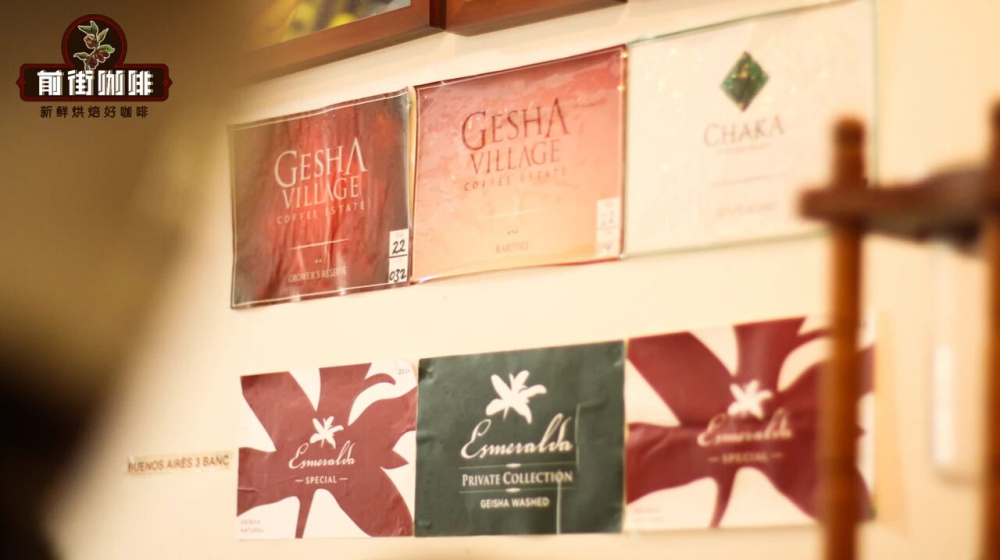
When we usually mention Geisha, we mostly refer to Geisha produced in Panama. Although coffee's roots are in Africa, the key reason Geisha rose to fame in the specialty coffee circle is that in 2001 Hacienda La Esmeralda in Panama discovered its unique flavor expression, and then from 2004 onward it won the championship in multiple consecutive editions of Panama's Best of Panama (BOP) green coffee competition.
The pronunciation of Geisha is very close to the Japanese word for "geisha." Around 2006, Mr. Yuan of Coffee Review introduced Panama Geisha to China for the first time. Its explosive flavor interwoven with floral and fruit notes was deeply impressive, and he gave the variety the Chinese name "瑰夏", which is still used today. Therefore, many people are accustomed to calling Geisha coffee beans "geisha coffee beans."
Front Street Geisha coffee beans originate from the Kaffa forests of Geisha Mountain in Ethiopia. In 1931, a British person collected coffee beans in the forests around Geisha Mountain in southwestern Ethiopia, and in 1932 these beans were exported to Kenya. In 1936 they were introduced to Uganda and Tanzania, and in 1953 to Costa Rica. As for Panama, in the 1970s, Mr. Francisco Serracin of Hacienda Don Pachi introduced the Geisha variety from CATIE in Costa Rica.
When Geisha was first introduced to Panama, because its yield was low, people were unwilling to invest effort in cultivating it, so it was planted in windbreaks as a wind-blocking plant to protect other coffee trees. It was not until 2003 that the son of the owner of Hacienda La Esmeralda in Panama faintly smelled a captivating floral aroma in a batch of processed coffee beans, and followed the clue to find this batch of beans from the windbreak. After verification confirmed it was the Geisha variety, in 2004 it was separated out to compete in the BOP green coffee competition and won the championship. Geisha coffee became famous overnight, and this also established Hacienda La Esmeralda's position in the specialty coffee world.
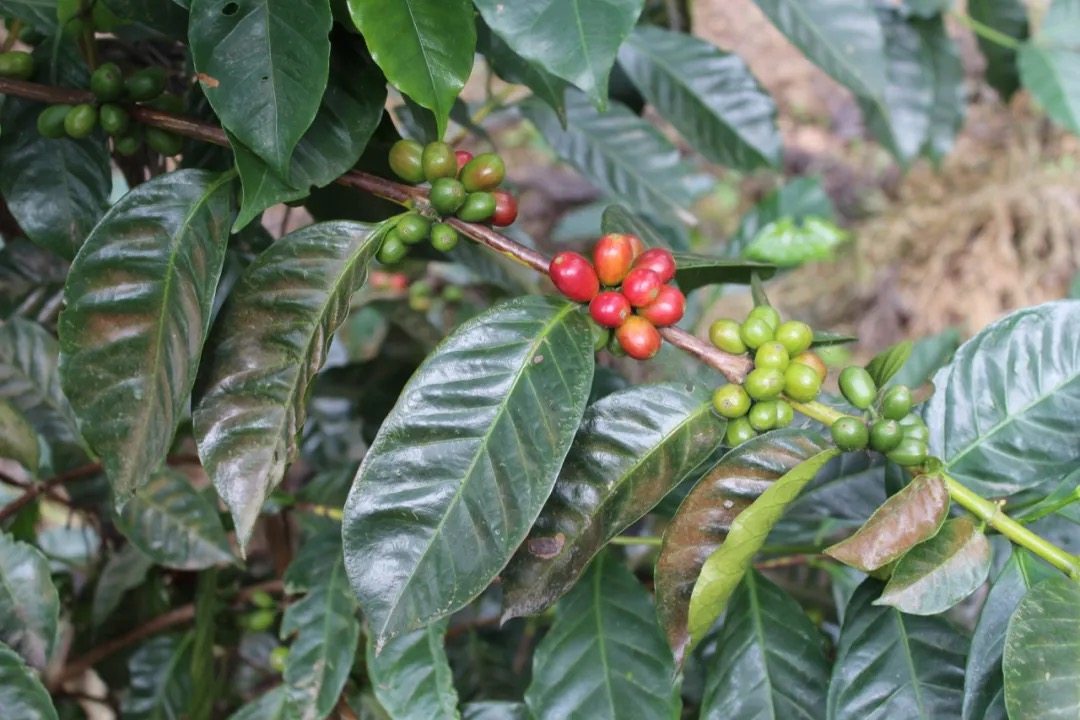
The most prominent characteristic of the Geisha variety is its extremely low yield. Its tree shape shows long internode spacing, few flowers, and few fruits. Geisha coffee beans are slender in shape, pointed at both ends, and plump and full in the middle. This variety is quite picky about its growing environment and needs to be planted in areas with higher altitude, cloud cover or shelter from many shade trees, and fertile soil in order to display rich floral aromas, delicate and elegant fruit acidity, and a tea-like sweet aftertaste.
If you are trying it for the first time, you can buy Front Street Boquete Geisha. This is an entry-level Panama specialty coffee from a high-altitude growing area, using the same Geisha variety as major renowned estates. It has a wonderful orange aroma and honeyed charm, with a clear and tranquil mouthfeel; it does not taste like coffee at all, but more like a cup of fruit tea.
If you are an advanced enthusiast, you can buy the highly cost-effective Front Street Emerald Green Label Geisha; if you want to give it to relatives and friends or share it with fellow enthusiasts, then choose the highest-grade Front Street Emerald Red Label Geisha, where you can taste the rich aroma brought by the estate's meticulous management.
The above content is compiled by CoffeeHunters, a coffee news website.


