







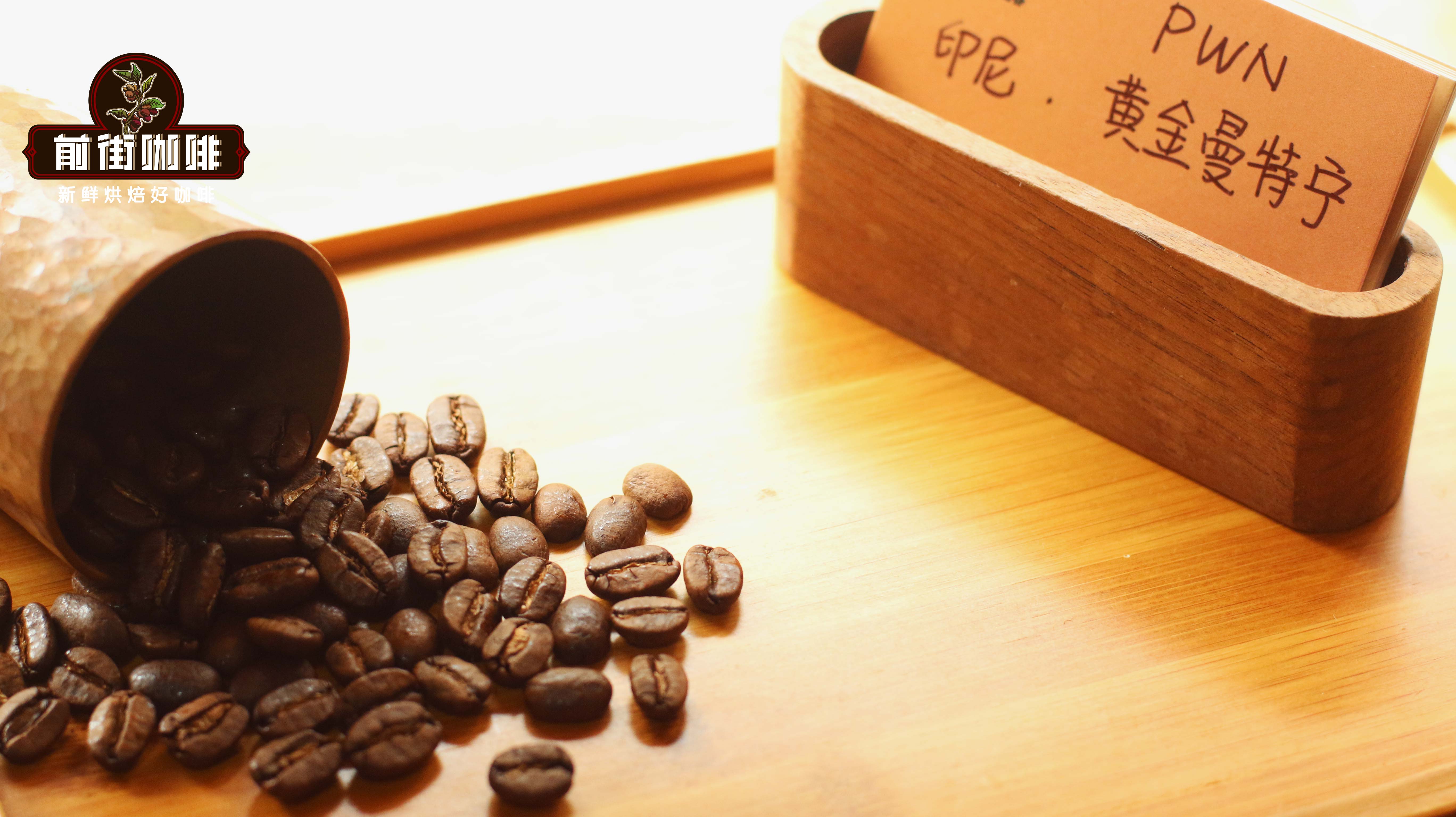
Mandheling coffee is the representative of Indonesian coffee, famous for its full body, low acidity, and unique herbal agarwood flavor. This article will guide you through Mandheling's production regions, variety composition, grading system, and the story of PWN company behind Golden Mandheling. At the same time, Front Street Coffee will share the characteristics of the wet-hulled process and brewing suggestions, helping you go from beginner to expert and gain a comprehensive understanding of this classic coffee suitable for drinkers with different taste preferences.
For more specialty coffee knowledge, please follow the WeChat public account: Front Street Coffee (FrontStreet Coffee)
Mandheling coffee is both a benchmark of Asian coffee and a typical representative of Indonesian coffee. It carries the agarwood-like aroma of herbs and forest woods, is thick and full on the palate, and has a long lingering finish. Many people feel that customers who prefer Mandheling are mostly men, while women tend to favor the fresh style of Ethiopian coffee with its interwoven floral aromas and fruity acidity. However, Front Street has observed that although this tendency may indeed have existed in the past, the situation has quietly changed today—more and more female consumers are enjoying Mandheling.
Mandheling belongs to the Arabica species and first grew in the Mandailing region around the Bukit Barisan Mountains in North Sumatra. This bean has outstanding body, low acidity, and a faint herbal note. Compared with ordinary Mandheling, Golden Mandheling is superior in both cleanliness and body, and its mouthfeel is also better. Therefore, Front Street regards Mandheling as the representative of Indonesian coffee and a good entry choice, while drinkers who know coffee better often prefer specialty-grade Golden Mandheling.
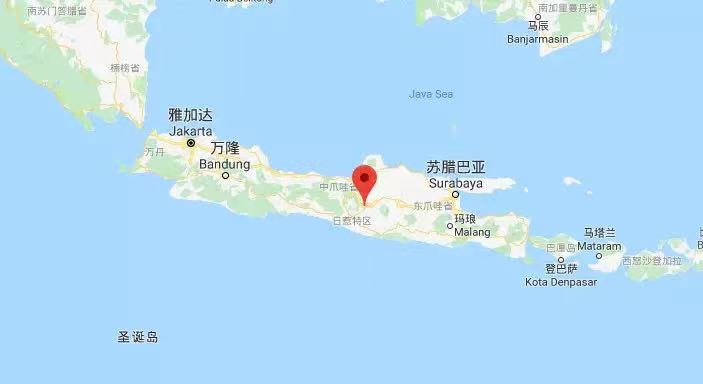
Indonesian Sumatra Coffee Production Regions
Mandheling is produced in Sumatra, Indonesia, so it is also called "Sumatra coffee." The main production areas are distributed across Java, Sulawesi, and Sumatra, about ninety percent of which is Robusta. The "Mandheling" produced on Sumatra is the most famous. Among the fine traditional Arabica coffees produced in northern Sumatra, the best quality ones are sold to the market under the names Lintong and Mandheling. Strictly speaking, Lintong refers to coffee grown in a relatively small area on the southwest side of Lake Toba in the Lintong administrative district. Local coffee plots are scattered, located on high-altitude, undulating, fern-covered clay plateaus. Lintong coffee is not shade-grown and does not use chemicals, and is almost entirely owned by smallholders. Mandheling is a broader designation covering Lintong coffee as well as the similarly conditioned Diari (capital Sidikalang) and the northern Lake Toba growing areas.
At present, the best-quality beans in Sumatra come from the Gayo highlands and are mostly grown from old tree varieties. Front Street Coffee's Golden Mandheling from the new crop season comes from the Gayo Mountains in Aceh, North Sumatra. The Gayo Mountains are located in the Aceh production area of North Sumatra Province, at an altitude of between 1,500 and 2,500 meters, and most coffee farmers are indigenous people of the area—the Gayo people. This region has ideal conditions for coffee growing: high altitude, fertile soil, abundant rainfall, and Lake Tawar also provides a rich water source. In addition, organic farming methods are widely used locally, without chemical fertilizers, and it is regarded as a green coffee production region in the world. Therefore, Gayo coffee is also often called green coffee or Gayo organic coffee.
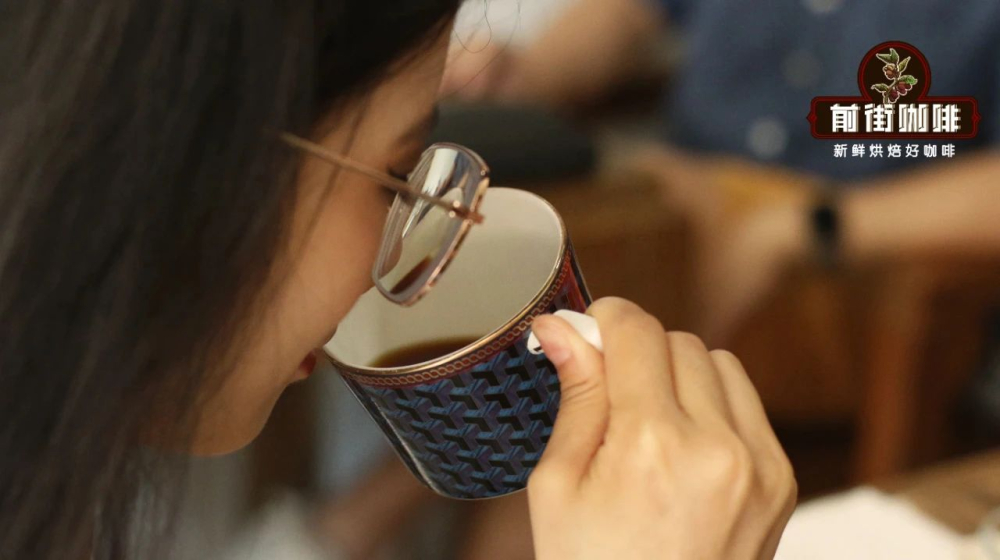
Front Street's Golden Mandheling comes from PWN company. It should be noted that Golden Mandheling is not a grade name, but a trademark registered by the Indonesian company N.V. Pawani Medan (PWN for short). The company was founded in 1957 and is engaged in the export of Indonesian products such as coffee, rubber, cinnamon, cloves, and patchouli oil. It was the first company in Indonesia to export coffee from North Sumatra and the first company to make "Mandheling coffee" famous in Japan. Since 1977, PWN has focused on exporting premium Sumatra Arabica Mandheling Grade 1 and Robusta AP-I Grade 2 coffee beans, mainly to Japan, Taiwan, China, and the United States, with exports to Japan and Taiwan, China accounting for more than 95%. In Japan and Taiwan, China, "PWN" has become synonymous with quality assurance.
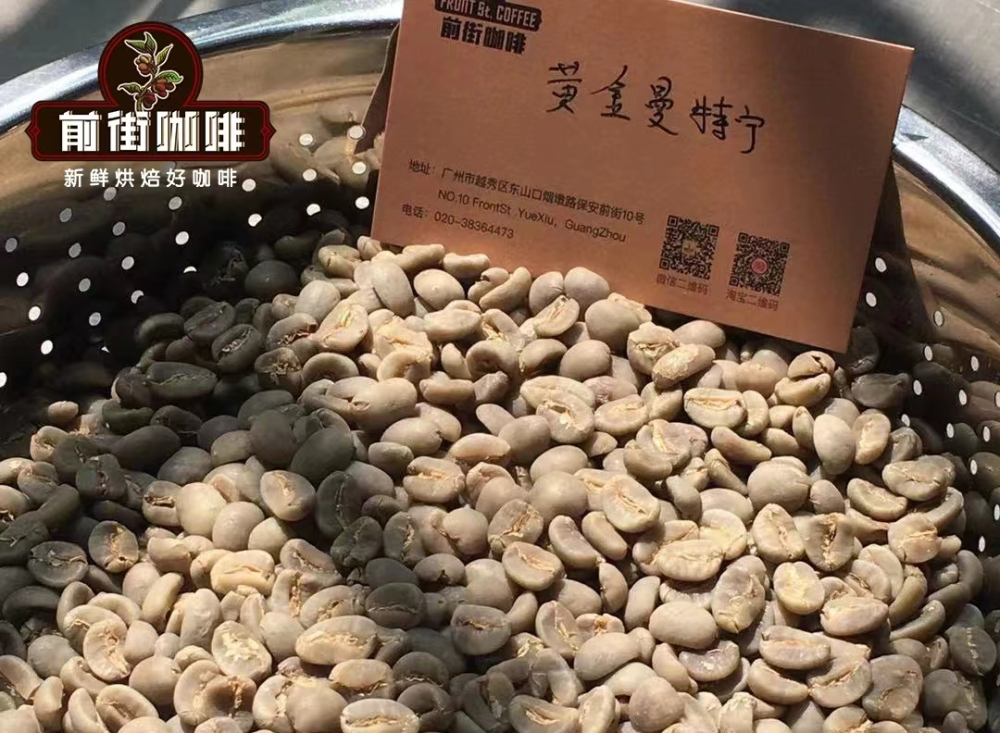
Golden Mandheling has stricter quality requirements. First, the coffee beans must reach screen size 19 and be plump and uniform, belonging to the highest grade G1. PWN's beans are darker green in color and regular flat beans in shape. After that, they must undergo one mechanical sorting and three manual hand-sorting passes to ensure that there are fewer than 3 defective green beans (based on a 300g green bean sample).
But Front Street wants to remind everyone: as Golden Mandheling becomes more and more famous, many beans appear on the market under the name Golden Mandheling even though they are not produced by PWN. These can actually only be considered specialty Mandheling. The Front Street PWN Golden Mandheling sold by Front Street Coffee is Golden Mandheling coffee beans certified by a certificate issued by PWN. The PWN certification certificate and the Golden Mandheling green bean jute sacks bearing the PWN logo can both be seen at Front Street Coffee stores.
Indonesian Coffee Bean Grading Methods
Indonesian coffee mainly uses the semi-washed process and is graded according to the proportion of defective beans and the number of manual hand-sorting passes, with five levels from G1 to G5, and G1 being the highest. Under the grading system, Sumatra is further divided into four different systems: Mandheling, Golden Mandheling, Lake Tawar coffee, and Aged Mandheling. At present, Front Street has Lintong Mandheling coffee and Golden Mandheling coffee.
Golden Mandheling Coffee Varieties
Sumatra is the production region where Indonesia grows Arabica coffee beans. As early as 1658, the Dutch transplanted descendants of the "European Typica mother plant" to Sri Lanka, but unfortunately the planting failed. In 1699, the Dutch transplanted coffee trees from Malabar in eastern India to Java. This trial planting succeeded, and Typica steadily propagated in Java. In 1718, the Dutch transplanted the successfully trial-grown Typica from Java to Sumatra and Sulawesi. After more than a century of propagation, just when Indonesian Typica was at its peak, a leaf rust disease at the end of the 19th century swept through most Typica in Indonesia, and later the more disease-resistant Robusta variety had to be introduced.
Mandheling coffee does not specifically refer to a single coffee variety. Generally speaking, Mandheling varieties include Ateng and TimTim. In fact, TimTim is Timor, an Arabica variety with Robusta blood; while Ateng is Catimor, a hybrid of Caturra and Catimor. Because these varieties all carry Robusta coffee bean genes, and because the growing altitude is not high, they cannot form a strong day-night temperature difference to allow the coffee beans to accumulate more delicate flavors. Therefore, whether TimTim or Ateng, both come with unique herbal, woody agarwood, and spice notes.
Introduction to Golden Mandheling Coffee Processing Methods
The processing method of each coffee bean is determined by the local climate and environment, and can better reflect the local coffee flavor. Sumatra is the largest island in Indonesia. It lies on the equator and has a tropical rainforest climate, with high temperatures, humidity, and abundant rainfall. Smallholder coffee farmers usually grow coffee in virgin mountain forests. Sumatra is rich in water resources and warm all year round, but the disadvantage is that there are many rainy days and constant typhoons, making it impossible to achieve the good weather required for natural drying. In addition, the local economy is poor, so the more expensive washed method cannot be used. This gave rise to the highly local wet-hulled process. It is precisely this accidental processing method that created Mandheling's one-of-a-kind flavor.
The characteristic of the wet-hulled process is that after the coffee cherries are picked, the skin and pulp are first removed with a wooden pulper, then the beans are fermented for 3 hours and dried until the moisture content drops to 30-50%, which is semi-dry and semi-wet. Next, the mucilage and parchment layer are removed, and the later stage of drying continues. The drying process takes 2-4 days, and the moisture content drops to 12-13%.
Front Street believes that although the wet-hulled process greatly speeds up the entire processing procedure, the parchment layer still in a semi-dry state must be removed, which requires considerable friction. Therefore, the green beans are easily crushed and damaged, especially at both ends, forming small gaps. As a result, the defect rate of Indonesian coffee beans processed by the wet-hulled method is generally high, and green bean traders arrange manual hand-sorting before export sales to remove incomplete beans with defects.
Front Street Coffee Brewing Suggestions
For coffee brewing, Front Street recommends using freshly roasted coffee beans, as this allows you to experience the coffee's rich flavors to the greatest extent. The coffee beans shipped by Front Street Coffee are all within 5 days of roasting, because Front Street deeply understands that the freshness of coffee beans has a great impact on flavor. Front Street's roasting philosophy is "freshly roasted good coffee," so that every customer who places an order receives the freshest coffee. The resting period for coffee is about 4-7 days, so when customers receive it, it is exactly at its best flavor.
Of course, some customers need Front Street to help grind the coffee, and that is fine, but Front Street must remind you: once coffee beans are ground in advance, they no longer need to be rested, because during transportation the pressure generated by carbon dioxide inside the package can also make the coffee flavor rounder, so you can brew a cup immediately after receiving the ground coffee. However, the ground coffee needs to be brewed promptly, because after coffee grounds contact air they oxidize relatively quickly, meaning the coffee's flavor will dissipate relatively quickly and will not taste as good. Therefore, Front Street recommends buying whole beans and grinding fresh before brewing, so that you can better taste the coffee's flavor.
Front Street's brewing parameters for Mandheling coffee:
In order to better highlight the full body of Mandheling coffee, Front Street chooses the Kono dripper. The Kono dripper has few ribs and they are located at the lower end. The filter paper clings tightly to the dripper, which can restrict airflow and lengthen the contact time between water and coffee grounds, allowing the coffee grounds to be fully extracted and enhancing the full body.
Water temperature: 88°C, coffee dose: 15 grams, coffee-to-water ratio: 1:15, grind size: medium-fine grind (75% passing through a No. 20 sieve).
Use staged extraction, blooming with twice the amount of water as the coffee dose, that is, 30 grams of water for a 30-second bloom. The reason bloom is needed is to allow the coffee grounds to release internal carbon dioxide, thereby making the later extraction more stable. Pour in a small stream in circles until 125 grams, then pause, continue pouring until 225 grams and stop. After the water in the dripper has dripped through, remove the dripper. Start timing from the beginning of pouring; the extraction time is 2'00". Next, pick up the entire cup of coffee and swirl it to mix evenly, then pour it into a cup and taste.
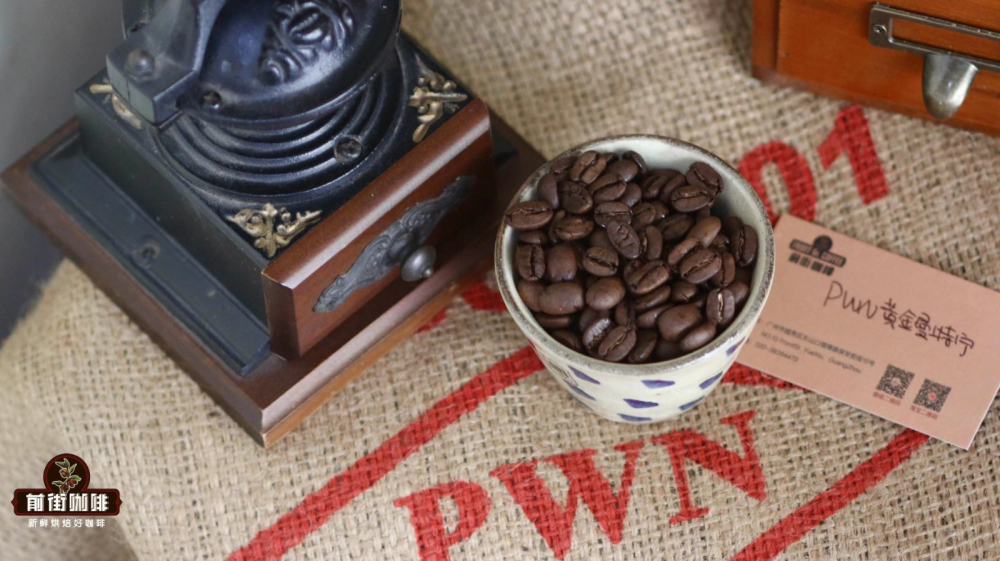
[Front Street PWN Golden Mandheling Coffee Flavor]: The coffee as a whole has varied layers, is full-bodied and clean, with rich nut and caramel aromas, chocolate notes, a lasting finish, and high balance.
[Lintong Mandheling Coffee Flavor]: The entry has a rich herbal aroma, dark chocolate, caramel, and a sweet aftertaste.
Everyday drinking bean Mandheling can serve as an introductory bean for beginners to understand Indonesian coffee; while Golden Mandheling may be the higher specialty coffee pursued by friends who know coffee. Of course, if you do not like this flavor, you can also choose other flavors, such as the floral and acidic profile of Ethiopia, the nutty dark chocolate and soft fruity acidity of Colombia, and the raisin, osmanthus, and rose floral aromas of Costa Rica's special processing methods, and so on. If possible, Front Street recommends trying coffees from different production regions to experience different coffee terroirs and cultures.
The above content is compiled by CoffeeHunters, a coffee news website.


