







Can Caffeine Make You Drunk, and How Should Espresso Be Drunk?
Coffee cannot get you drunk in the way alcohol does, since the caffeine content is far too low. The sensation people describe is closer to over-caffeination, which can bring jitters and a racing pulse rather than intoxication. Espresso itself is a small, concentrated drink built from three parts: crema, body, and heart.
Crema forms when finely ground fresh beans are extracted at pressures up to 9 bar, forcing carbon dioxide and oils out as a delicate foam. The body carries the rounder tactile qualities, and the heart sits below. Because the drink is intense, tasting it slowly and spacing servings out is the practical approach if the goal is avoiding a coffee-drunk feeling.
Espresso is known for its thick crema, full-bodied taste, and strong lingering sweetness, but many people also wonder: why does some espresso taste sour? What kind of person is it really suitable for? This article will start with Espresso's three-layer structure—crema, body, and heart—to explain its flavor and mouthfeel characteristics, and further clarify the key points for making good espresso, extraction parameters, and tasting methods. It also retains Front Street Coffee's specific recommendations on bean resting, brewing parameters, and blended beans, helping coffee lovers understand this small cup of espresso more systematically.
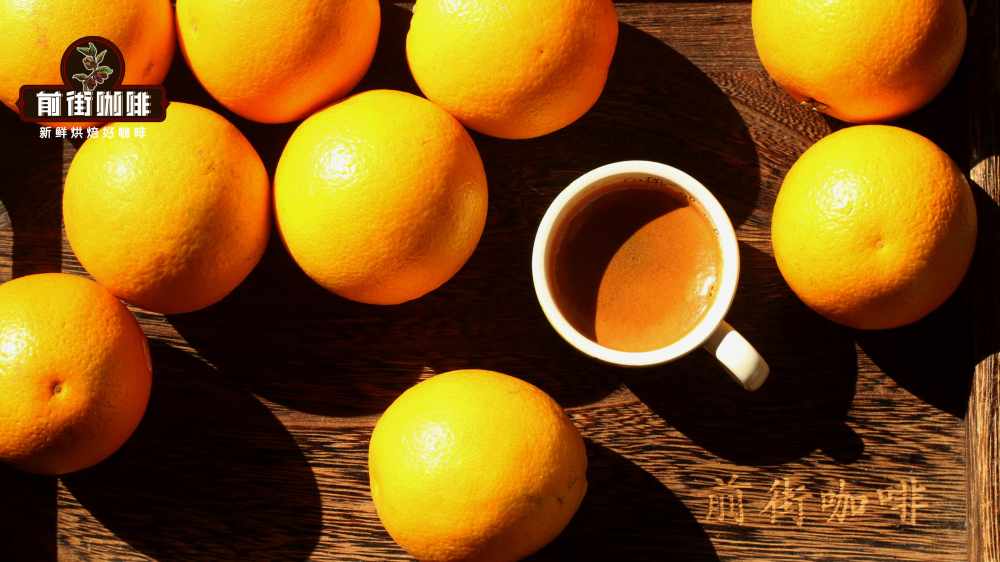
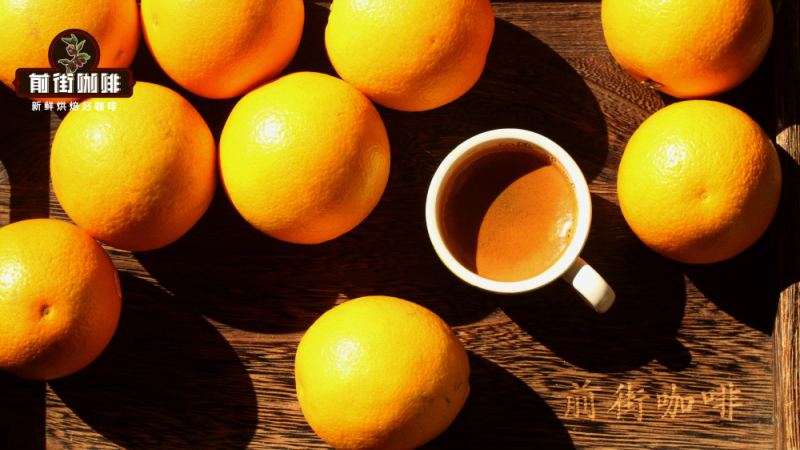
The surface is thick in texture and covered with a layer of golden crema. On the palate it is intense and full-bodied, with a long-lasting sweet finish. As the carbon dioxide in the crema gradually dissipates, those fascinating volatile aromatic compounds drift out along with it.
Espresso has an almost irresistible appeal. Standing at the bar and ordering an espresso is not only like showing your professional attitude toward coffee, but also naturally brings you into that rich world that belongs exclusively to coffee. So how exactly should espresso be drunk?
The composition of espresso
A cup of espresso can be broken down into three parts: crema, body, and heart.
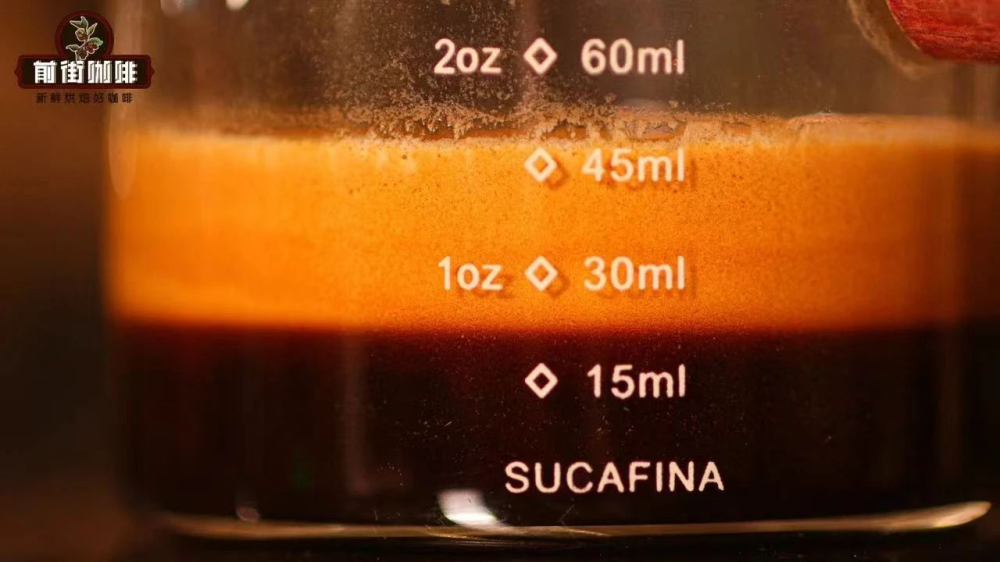
The crema of espresso comes from freshly roasted coffee beans ground very fine and then extracted under pressure as high as 9 bar. When hot water passes through the coffee puck, the carbon dioxide in the coffee bed becomes supersaturated in the water because of the intense pressure. The gas cannot escape smoothly and can only dissolve directly into the coffee liquid. At the same time, the high pressure also forces the oils in the coffee out of the puck, and they are carried out together by the hot water.
To put it plainly, crema is simply the coffee's own oils, in a sealed and pressurized environment, first blending with carbon dioxide and then being forced out by water, ultimately forming a layer of delicate, smooth oily foam.
The body of espresso concentrates the richest and most enticing flavors and aromas in espresso, allowing people to taste the softer side of coffee. The so-called softness of a cup of espresso is actually the sum of tactile characteristics we perceive, such as roundness, smoothness, viscosity, and fluidity.
The heart of espresso is located below the body and is close to black in color. The heart corresponds to bitterness, which balances the sweetness and aroma of the two layers above.
How do you make good-tasting espresso?
Front Street Coffee believes that although an ideal cup of espresso is intense in flavor, it should not carry burnt bitterness. The crema should be delicate and smooth, the overall mouthfeel full-bodied and clean, and the finish should have a clear sweet aftertaste.
As mentioned earlier, the crema of espresso requires carbon dioxide to form, and only freshly roasted medium-dark roasted coffee beans have sufficient carbon dioxide. As more time passes after roasting, the structure of the coffee beans keeps changing, and more carbon dioxide is retained inside the beans.
However, more carbon dioxide does not mean better-tasting espresso. Excessive carbon dioxide makes the crema's mouthfeel coarse and also interferes with the release of soluble substances during extraction. All coffee beans sold by Front Street Coffee are shipped within 5 days of roasting completion, guaranteeing 100% freshly roasted coffee.
But if you buy medium-dark roasted espresso beans, you still need to rest them further. Front Street Coffee recommends that after purchasing espresso beans, do not open the original packaging and let them sit until the 7th day after the roast completion date before starting to use them. During this period, the coffee beans will release carbon dioxide on their own and discharge it through the one-way degassing valve on the packaging. Releasing an appropriate amount of carbon dioxide helps achieve more stable extraction.
How is espresso extracted?
According to Specialty Coffee Association SCA standards, use 7-9 grams (double: 14-18 grams) of coffee grounds, extract 25-35 g of coffee liquid within 20-30 seconds, with an extraction pressure of 9-10 bar and a water temperature controlled at 90-96°C. Each coffee shop will make adjustments up or down according to the coffee beans and equipment used.
Front Street Coffee's stores use "Sunflower Warm Sun Blend Coffee Beans," extracting 38 g of coffee liquid from 19.8 g of very finely ground coffee under pressure, with an extraction time of about 28-32 seconds. The espresso presents a vanilla-cream-like smoothness, with a touch of berry acidity, along with fermented wine aromas and the sweetness of hazelnut caramel.
How do you drink espresso?
Espresso is not like pour-over coffee, where you can identify different flavors at high, medium, and low temperature stages. After all, a single espresso is only ten-plus or twenty-odd grams, and it is finished before it can even cool down. Second, espresso is extracted using very finely ground coffee and is made by rapid extraction under high temperature and 9 bar of pressure, so it is highly concentrated, intense in flavor, and very direct in stimulating the taste buds in the mouth.
As coffee has gradually become more specialty-oriented, both coffee bean quality and coffee quality have improved a great deal in recent years. Nowadays, when people drink espresso, besides taking in caffeine, they also place more demands on taste. Those strong and bitter espressos are already "outdated." People who drink espresso care more about the aroma, mouthfeel, and finish of the cup.
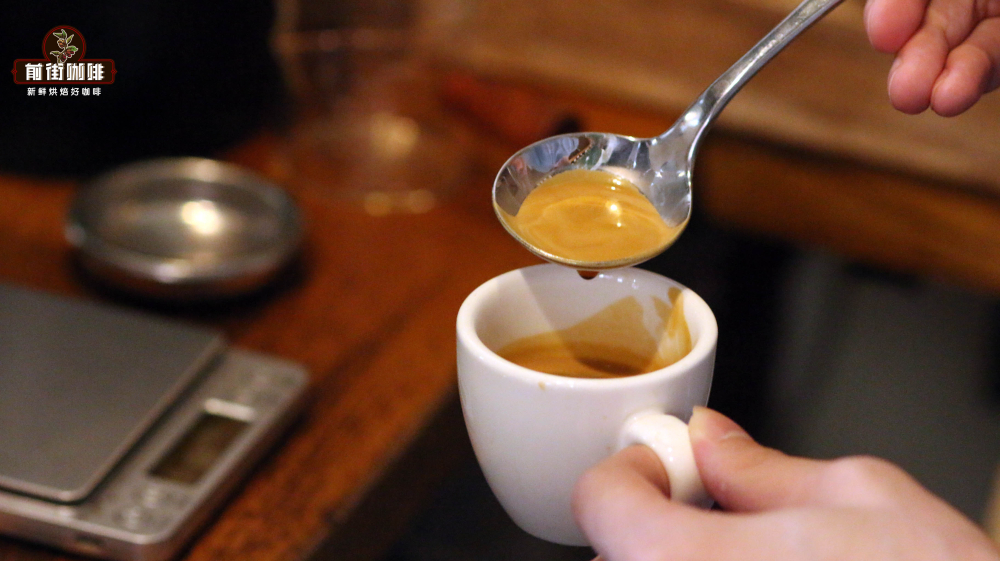
As long as the coffee beans are of good quality, fresh enough, and extracted reasonably, drinking espresso can also be a very refined pleasure. Before tasting, take a sip of ice water to clean the mouth and let the muscles of the tongue surface contract slightly. After the barista serves the espresso, you can stir it with a spoon to make it more uniform overall. Then taste it in three sips: the first sip to feel the flavors, the second sip to appreciate its fullness, and the third sip to sense the sweet aftertaste and finish of the coffee.
The above content is compiled by CoffeeHunters, a coffee news website.


