







How Does Kona Coffee Differ From Jamaica Blue Mountain?
Jamaica Blue Mountain and Hawaiian Kona are two distinct coffees, both from the Typica variety, and they differ mainly through terroir, history, and processing. Blue Mountain grows in Jamaica's eastern mountains under humid, foggy conditions with about 1,980 mm of annual rainfall and volcanic soil. Kona comes from Hawaii. Their grading systems and flavor profiles differ, which shapes how each is brewed.
Jamaica's coffee history dates to 1717, when King Louis XV ordered planting there; by the mid-1720s Governor Sir Nicholas Lawes introduced Arabica seeds from Martinique into St. Andrew, now one of three Blue Mountain regions. Kona coffee beans grown in Hawaii carry their own varietal traits and grading standards. Brewing methods for Front Street Blue Mountain No. 1 and Hawaiian Kona reflect these differences.
Blue Mountain and Kona—one hailed as the King of Coffee, the other as the Queen of Coffee—both represent the Typica variety, yet due to differences in terroir, historical context, and processing methods, they present distinctly different flavor profiles. From the perspective of Front Street, this article systematically examines the origin history, grading system, and flavor characteristics of Jamaican Blue Mountain, while also delving into the distribution, varietal traits, and grading standards of Hawaiian Kona. Combining specific brewing methods for Front Street Blue Mountain No. 1 and Hawaiian Kona, it helps coffee enthusiasts fully understand the true value of these two legendary coffees.
Today, Front Street would like to explore with everyone what unique characteristics these two coffees possess and what has earned them the titles of "King" and "Queen."
The King of Coffee—Blue Mountain
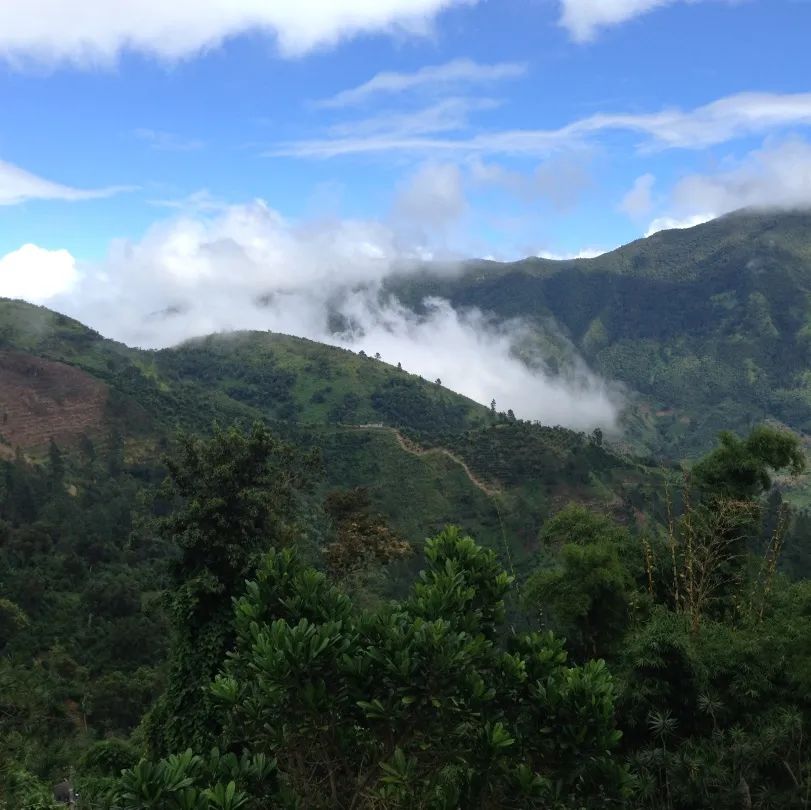
Front Street Blue Mountain coffee comes from the eastern mountains of Jamaica. The name "Blue Mountain" originates from a local natural wonder: the Caribbean Sea encircles the entire mountain range. On clear days when sunlight falls on the sea's surface, the blue shimmer of the Caribbean reflects onto the mountains, giving Blue Mountain its name.
The Blue Mountain range lies precisely within the coffee-growing belt. In addition to suitable altitude conditions, it features nutrient-rich volcanic soil, which is extremely beneficial for coffee cultivation and production. Meanwhile, Blue Mountain's unique microclimate is also one of the key factors behind its quality. Overall, the Blue Mountain region is humid and foggy, with abundant rainfall year-round, averaging 1,980 mm annually.
Blue Mountain Coffee Planting History
Blue Mountain coffee is produced in Jamaica, and this country's connection to coffee can be traced back to the 18th century. In 1717, King Louis XV of France ordered coffee to be planted in Jamaica; afterward, the Governor of Jamaica introduced Arabica seeds from Martinique and vigorously promoted them. From that point on, coffee took root and flourished in Jamaican soil.
In 1717, King Louis XV of France ordered coffee planting in Jamaica. By the mid-1720s, Jamaican Governor Sir Nicholas Lawes introduced Arabica seeds from Martinique and began promoting cultivation in the St. Andrew region. To this day, St. Andrew remains one of the three major producing regions of Jamaican Blue Mountain coffee, alongside the Portland and St. Thomas regions. Over the following eight years, Jamaica exported over 375 tons of pure coffee.
In 1932, coffee production reached its peak, with that year's harvest exceeding 15,000 tons. In 1950, the Jamaican government established the Jamaica Coffee Industry Board, which sets quality standards for Jamaican coffee and oversees their enforcement to ensure quality. The Board also issues special official seals for exported green and roasted beans. This institution is arguably the world's highest-level national coffee regulatory body.
Currently, there are six marks representing the origin of Blue Mountain coffee, from the Mavis Bank Central Factory (MBCE), the Blue Mountain Coffee Cooperative Factory (MHCCT), the Portland Blue Mountain Coffee Cooperative Factory (PXXSH), the Coffee Industry Association (Wallenford), the Coffee Industry Association (St. John's Peak), and Blue Ridge (JAS). In 1969, production quality was improved with Japanese loans, ensuring market supply and improving the situation. Today, this coffee has reached a level of frenzied popularity.
In 1981, Jamaica cleared approximately 1,500 hectares of land for coffee planting, followed by additional investment to develop another 6,000 hectares of coffee farms. In fact, the Blue Mountain region today has only 6,000 hectares of planted area—a modest scale—so it's impossible for all coffee labeled "Blue Mountain" to actually originate there.
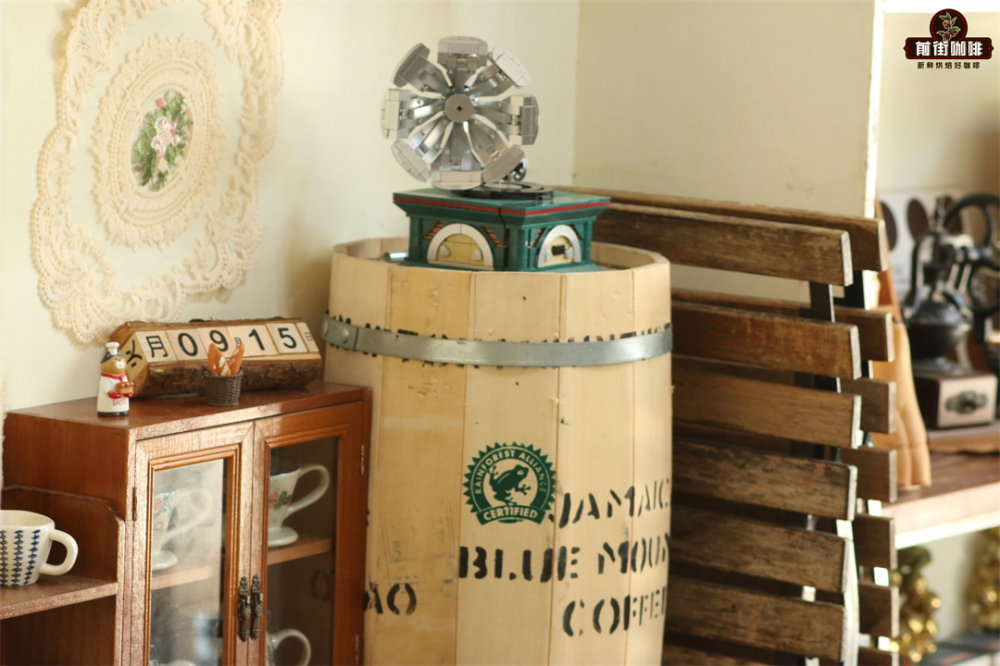
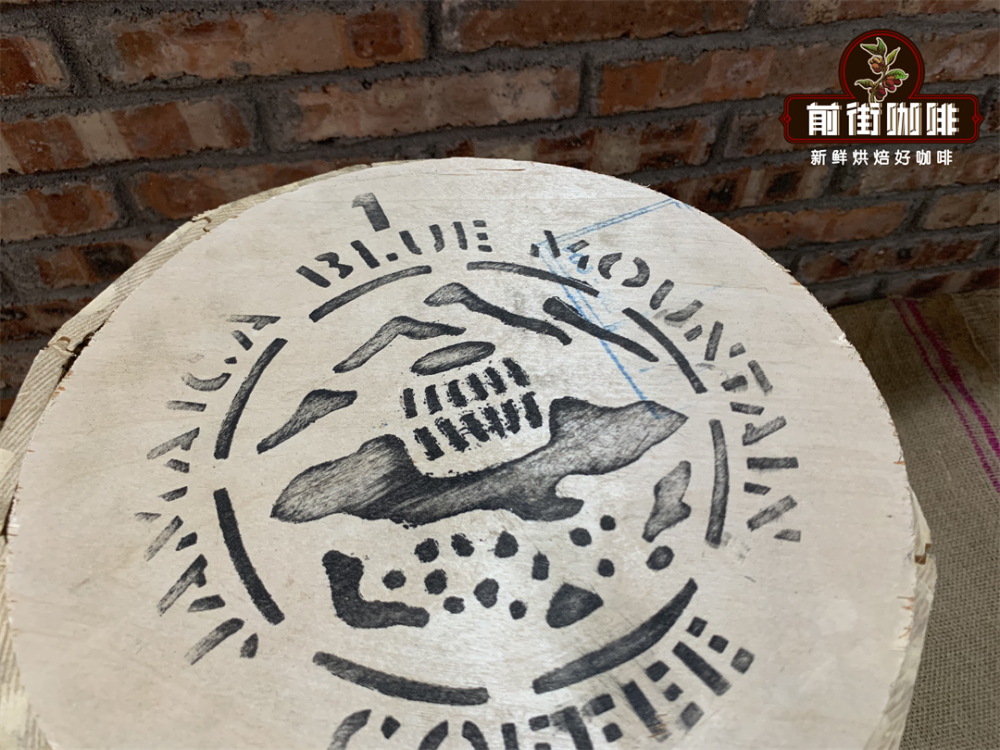
Jamaica is also the last country still using wooden barrels to package and transport coffee. Only coffee that passes a series of stringent standards set by the Jamaica Coffee Industry Board (C.I.B) can receive a government guarantee and officially bear the name "Blue Mountain."
Blue Mountain Coffee Flavor
Since Blue Mountain coffee is so renowned, what exactly is unique about its flavor? Front Street Blue Mountain coffee beans, with their excellent quality, present a clean mouthfeel; under a medium-dark roast, Blue Mountain coffee typically shows a balance of acidity, sweetness, and bitterness, with subtle nutty and chocolate notes, and a highly pleasant lingering aftertaste. It can be purchased on Tmall or Taobao stores. It not only represents the highest quality coffee of an era but is also truly the King of Coffee.
The flavor of Blue Mountain coffee has consistently maintained high quality thanks to years of strict control over export standards. Until 2020, the Blue Mountain coffee we spoke of was actually a washed-process Typica variety coffee. Unlike other processing methods, the washed method is the most stable and efficient of traditional processing methods. After harvesting, coffee cherries are immediately floated, then machine-depulped to remove skin and pulp, followed by fermentation to remove the mucilage layer. After mucilage removal, the beans' moisture content drops significantly, requiring shorter drying time and resulting in lower defect rates.
At the same time, a mature washed process gives Blue Mountain coffee a cleaner taste and higher acidity. Besides adhering to the mature washed process, maintaining Typica cultivation is also why Blue Mountain coffee's flavor remains stable and consistent. Typica may be one of the oldest Arabica varieties. Compared to other varieties, Typica's flavor is more refined, but its drawbacks are also obvious: low resistance to pests and diseases, and low yield. In other American coffee-producing countries focused on yield, Typica would quickly be replaced by higher-yielding varieties like Caturra and Catuai.
Types of Blue Mountain Coffee
Coffee from Jamaica's Blue Mountain region is divided into three grades: Blue Mountain Coffee, Jamaica High Mountain Supreme Coffee Beans, and Jamaica Prime Coffee Beans. Blue Mountain Coffee and High Mountain Coffee are each further divided into two grades. From highest to lowest quality: Blue Mountain No. 1, Blue Mountain No. 2, High Mountain No. 1, High Mountain No. 2, and Jamaica Coffee.
Blue Mountain Grading
In terms of the grading system, the entire Blue Mountain range has an elevation of 2,256 meters, with areas above 1,700 meters designated as a nature reserve where coffee planting is not permitted. According to CIB classification, only coffee grown between 910 and 1,700 meters can be called "Jamaica Blue Mountain Coffee"; coffee between 460 and 910 meters can only be called "Jamaica High Mountain Coffee"; and below 460 meters is called "Jamaica Prime Coffee."
Therefore, Jamaican coffee is not synonymous with Blue Mountain coffee. Even now, only coffee from those 6,000 hectares (above 910 meters) in the Blue Mountain range can be called Blue Mountain coffee beans. The remaining roughly two-thirds of coffee from the Blue Mountain production region can only be classified as High Mountain or Prime coffee.
FrontStreet Coffee's Jamaican Blue Mountain No. 1 Coffee Brewing Steps
Front Street Jamaican Blue Mountain No. 1 Coffee Beans
Region: Jamaica Blue Mountain
Estate: Clifton Farm
Altitude: 1,310 meters
Processing Method: Washed
Variety: Typica
Roast Level: Medium-Dark Roast
Flavor: Chocolate, nuts, cream, with a balanced ratio of acidity, sweetness, and bitterness.
Clifton Mount is the oldest coffee estate in Jamaica still in normal operation, and it is the only estate in Jamaica with a "Rainforest Alliance" certification. The Blue Mountain region is a small area with only 6,000 hectares of planted land—it's impossible for all coffee labeled "Blue Mountain" to be grown there.
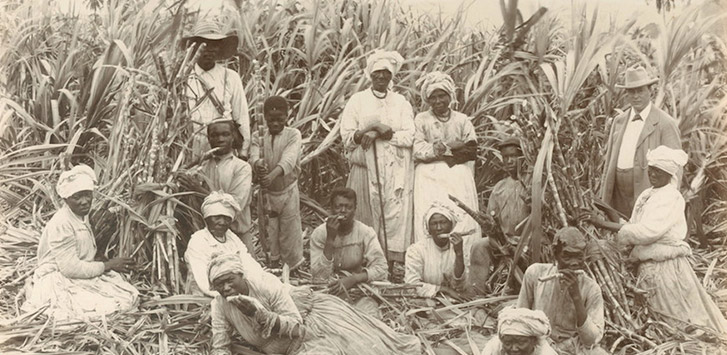
Clifton Farm is the largest estate in the region, though by international standards it still qualifies as small-scale. Many estate owners are small landholders whose families have worked this land for two centuries. This area is recognized as a truly premium, world-renowned Blue Mountain coffee origin.
The Queen of Coffee—Kona
Front Street Kona coffee from Hawaii uses beans cultivated on volcanic terrain. With high-density人工 cultivation practices, each bean is said to be pampered, naturally commanding a high price, second only to Front Street Jamaican Blue Mountain. Hawaiian Kona beans are uniform in shape on average, with strong acidity and sweetness.
The mouthfeel is smooth and mellow. Front Street's medium roast gives Front Street Hawaiian Kona beans their acidity, while a darker roast intensifies both bitterness and body. These beans grow at elevations from sea level up to 6,000 feet. Premium coffee generally grows only in mountainous areas, at elevations of about 4,000–6,000 feet, requiring annual rainfall of about 80 inches with very distinct dry and wet seasons. The soil for growing premium coffee must be very fertile, usually with volcanic rock content, and cloudy or overcast weather is also essential for high-quality coffee bean growth. Daytime temperatures need to be 15–20°C. This climate creates a longer growing process, and the unique growing and climatic environment produces a richer coffee flavor.
Although planted at an elevation of only a few hundred meters, Kona from the Big Island of Hawaii, kissed by gentle sea breezes and nurtured by fertile volcanic soil, possesses an incredibly clean acidity and sweetness. Compared to the higher-altitude Front Street Jamaican Blue Mountain, it is arguably even more impressive.
The coffee plant was first introduced to Hawaii in 1817 during King Kamehameha's reign by the first Spanish advisor, Don Francisco de Paula Marin. The initial planting was unsuccessful. In 1825, Oahu Mayor Chie Boki introduced coffee from Brazil and successfully planted it in Manoa Valley. After that, coffee began to be planted across the islands. Currently, on Kauai, Oahu, Maui, Molokai, and the Big Island, there are about 950 farms growing coffee, most of them family-operated small farms, totaling 7,900 acres.
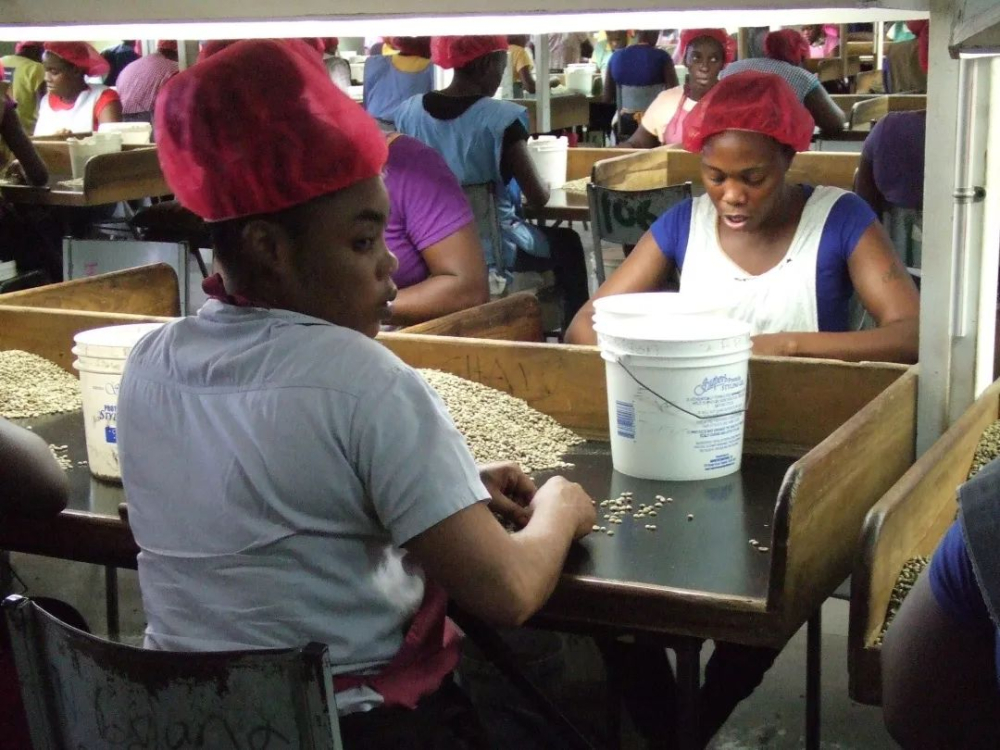
Hawaiian Coffee Producing Regions-
MAUI ISLAND
Maui (MAUI) has a large coffee estate, Ka'anapali, which is divided into many small plots, but the coffee is centrally produced. This estate was a sugarcane plantation from 1860 to 1988 before converting to a coffee estate.
Region Altitude: 100–550 meters
Coffee Harvest Period: September–January of the following year
Varieties Grown: Catuai, Caturra, Typica, Mocha
WAIKAPU,MAUI ISLAND
This region can be considered a relatively young coffee-producing area in Hawaii. The only coffee estate within it is owned by a company based on the neighboring island of Molokai.
Region Altitude: 500–750 meters
Coffee Harvest Period: September–January of the following year
Varieties Grown: Typica, Catuai
KAU, BIG ISLAND (Coffee Bean Processing Facility)
Planting began only after the sugarcane processing plant closed in 1996. Before 2010, coffee cherries produced here had to be taken to neighboring areas like Puna or Kona for post-processing. Now, however, a processing facility has been built locally, so locals no longer need to transport coffee cherries elsewhere for post-processing.
HAMAKUA, BIG ISLAND
Coffee planting here began in 1852, originally with eight estates. Like other Hawaiian regions, the coffee industry declined due to the rise of the sugar industry, but since the mid-1990s, coffee planting has resumed here.
Region Altitude: 100–600 meters
Coffee Harvest Period: August–January of the following year
Varieties Grown: Typica, Catuai
KONA, BIG ISLAND
The fame of Hawaiian coffee mainly comes from this region. Unlike other Hawaiian regions, coffee planting here is more diverse. There are over 630 coffee farms producing coffee locally, most less than 2 hectares in size, typically operated by different families.
This area is located in the southwestern part of the Big Island, 20 miles long and 2 miles wide, covering the slopes of Hualalai and Mauna Loa. At elevations between 800 and 1,100 meters, it is the most suitable growing environment for coffee trees. Thus, the slopes of Hualalai and Mauna Loa are covered with coffee trees. Only coffee beans grown within this area and meeting the strictest certification standards can be sold under the Kona trademark.
The unique natural environment of the KONA region nurtures Arabica coffee, helping it become the world's highest-yielding coffee plantation area. Not only is quality guaranteed, but the coffee cultivated in this unique growing environment and climate has an even richer aroma.
Every November, the Kona region of the Big Island of Hawaii hosts the grand "Kona Coffee Cultural Festival" to celebrate the harvest of Hawaiian Kona Coffee while commemorating the 180-year history and tradition of Hawaiian coffee. During the nearly 10-day event, over 40 coffee culture and competition activities are held across the Big Island and Oahu, promoting knowledge of Kona coffee and giving tourists from around the world a chance to experience Hawaiian Kona coffee beans up close.
-Coffee Varieties Grown-
Typica originated in Ethiopia and southeastern Sudan. It is one of the oldest varieties among Arabica species. Its top leaves are copper-red, hence the name "red-top coffee," also known as the old variety small-bean coffee. Due to low yield and cultivation difficulty, its price is much higher than ordinary small-bean coffee. However, its flavor is excellent, making it a recognized specialty coffee variety.
Typica has distinctive characteristics and may be the easiest variety to identify. These plants are conical in shape with a main vertical trunk reaching up to 5 meters tall. This height means that, compared to other varieties, Typica has longer distances between branches and between nodes on the same branch. Side branches form a 50 to 80 degree angle with the vertical trunk. Neither the trunk nor the branches are very thick. Leaves, fruit, and green beans are typically elongated. The tips of young leaves are bronze-colored. Compared to other Arabica varieties, Typica's leaf surface is smoother with fewer wavy edges. Ripe Typica fruit is bright red.
One of Typica's characteristics is its bronze-colored top leaves. The beans are relatively large, forming pointed oval or slender pointed shapes, which is why some call it "red-top coffee." Typica coffee has its own uniquely delicate, clean flavor and balanced characteristics, with high clarity in the cup. However, its shortcoming is low yield, specific altitude requirements, susceptibility to leaf rust, and weak resistance to pests and diseases.
Typica has created many glories. As early as 1958, at the International Coffee Tasting held in London, it was rated first-class; at the 1980 National Coffee Conference, it was praised by Chinese and foreign coffee experts as the "Crown of Chinese Coffee." In 1993, at the World Coffee Evaluation Conference in Brussels, Belgium, it won the "Eureka" Gold Award.
Typica is relatively delicate, susceptible to coffee leaf rust (a common coffee disease), and has lower yield, but its flavor is superb, making it one of the best specialty coffee varieties. Its descendants have also shone brilliantly in the coffee world—the famous "King and Queen," Front Street Jamaican Blue Mountain and Front Street Hawaiian Kona, are both Typica variants.
-Coffee Bean Processing Methods-
Hawaii mainly uses the washed method. The biggest difference from the natural method is the use of fermentation to remove the mucilage layer. After fermentation is complete and mucilage is removed, since fermentation bacteria and impurities remain on the beans, the coffee beans are washed again. To clean thoroughly, this step consumes a large amount of fresh water. The fruit is then dried and hulled.
Hawaii's clean, sweet mountain spring water provides the most ideal conditions for the washed method, which gives Front Street Hawaiian Kona coffee beans their bright, clear appearance and pure, fresh taste. The washed beans are spread on large flat beds to dry naturally in the sun.
-Coffee Grading-
KONA coffee beans are mostly graded by bean size, divided into four levels: the highest Extra Fancy, Fancy, Prime, and Gr. No.1. They are also classified as Type 1 and Type 2.
Type 1 refers to standard coffee beans, including the largest Kona Extra Fancy, followed by descending size grades: Kona Fancy; Kona Select; and Kona Prime.
Type 2 refers exclusively to peaberry, including two grades: Kona Number 1 Peaberry and the smaller Kona Peaberry Prime.
-Hawaii's Representative Coffee Bean: Front Street Hawaiian Kona-
Region: Hawaii Kona
Farm: Queen's Estate
Altitude: 1,100 meters
Variety: Typica
Processing Method: Washed
Next, FrontStreet Coffee will guide everyone through different brewing methods for this most beautiful bean in the world—[Front Street Hawaiian Kona].
【Hario V60】
Parameters: 15g coffee / 1:15 / 88°C / grind size medium granulated sugar (75% passing Chinese standard No. 20 sieve)
Method: 28g water for blooming for 30 seconds, then pour directly in the center to 126g, then pause; after the bed is visible, pour again to 227g; when the bed is visible, remove the dripper. Total extraction time: 1 minute 50 seconds.
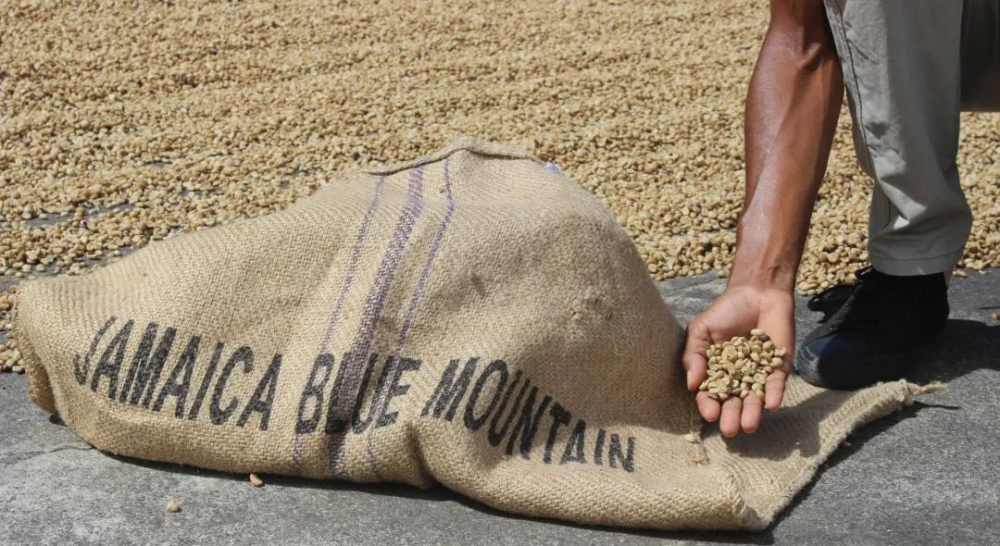
Flavor: Walnut, caramel, berry, plum, plum, nuts, cream; overall clean with rich layers.
The above content is compiled by CoffeeHunters, a coffee news website.


