







As the habit of drinking coffee gradually integrates into people's daily lives, the demand for coffee is growing higher and higher, and becoming more and more refined. In order to create their own unique characteristics, major chain brands have successively launched personalized SOE coffee, forming a new trend.
What is the difference between SOE and blends?
Before the arrival of the specialty coffee wave, the raw materials used to make espresso were generally blends of coffee beans from two or more origins, with little emphasis on the origin and batch of the coffee. Producers would use dark roasting to eliminate those unpleasant flavors and acidity, so that even if the batch quality of an individual origin was lower, its flaws could be masked by dark roasting. The extracted coffee crema was relatively rich, with a smooth, mellow, and balanced mouthfeel, and flavors dominated by roasted hazelnut, chocolate, and caramel.
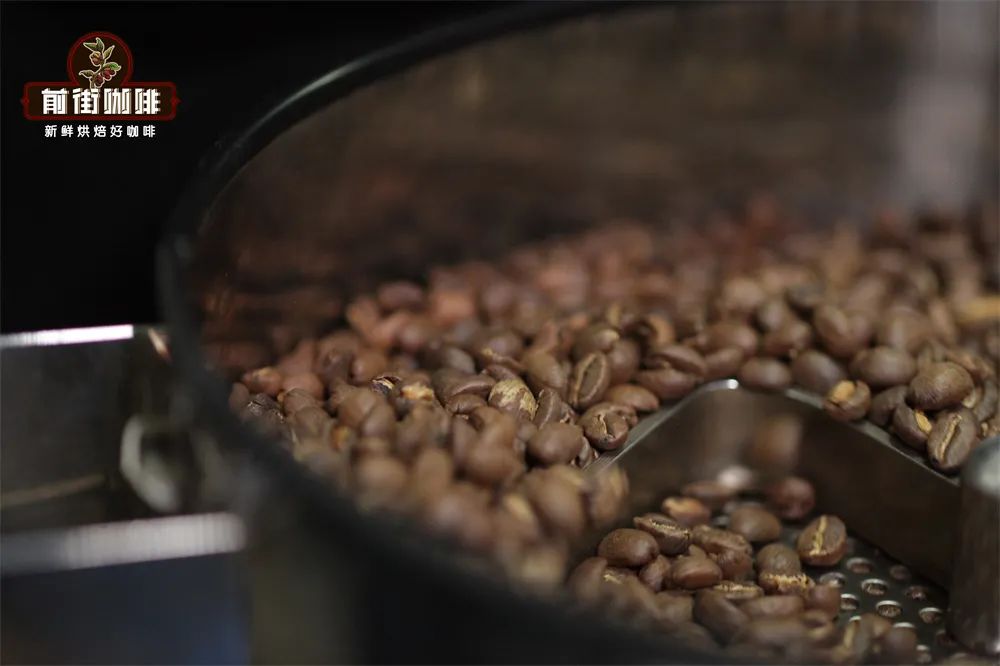
In the 1980s, people began to emphasize the concept of specialty coffee, and roasters realized that coffee from each origin has different characteristics. So they began to continuously lighten the roast level of some coffee beans to highlight the regional flavor characteristics of the coffee, while also "unearthing" more fruity flavors. Originally, single-origin coffee was mostly extracted by pour-over, siphon, French press, and other methods, and people also began to study how to brew out the various flavors in coffee. Some baristas, in order to shine in competitions, would choose various personalized coffee beans for brewing. The 2007 WBC World Barista Championship winner James Hoffmann was the one who applied single-origin coffee beans to the espresso machine, and SOE gradually became popular along with it.
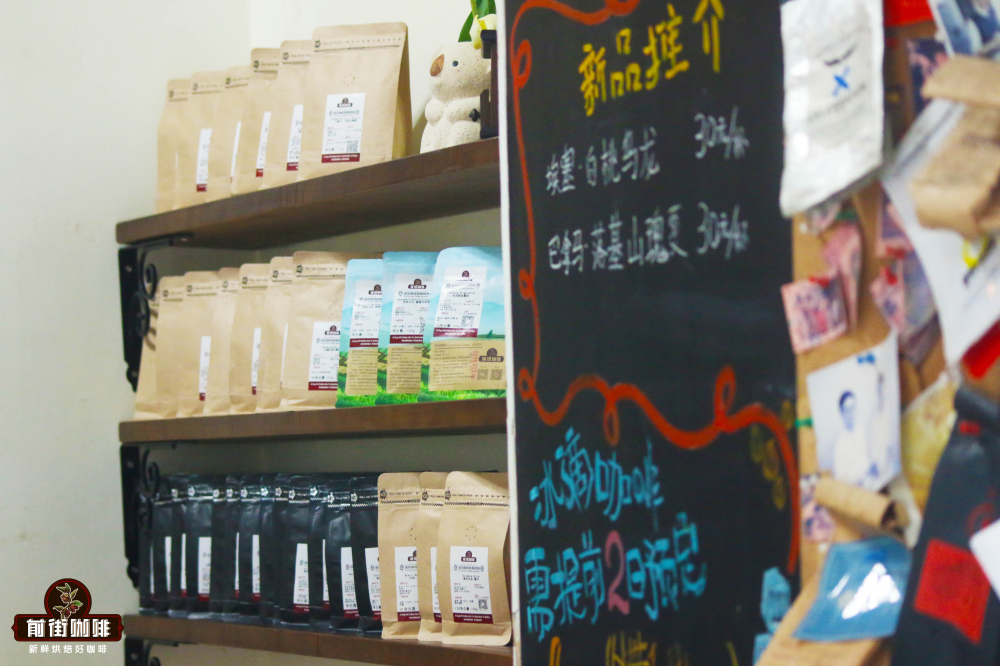
SOE is short for single origin espresso, that is, espresso made from coffee beans of a single origin. The "origin" can be a producing country, region, cooperative, estate, or farm, and coffee harvested from the same batch all belongs to single-origin coffee. For example, the dozens of different origins of coffee on the small blackboard on the left side of Front Street Coffee's bar all belong to single-origin coffee, and Front Street generally serves them in the form of pour-over. Single-origin coffee is proposed based on the concept of specialty coffee, with the purpose of emphasizing the regional flavor of coffee, such as the citrus acidity of Yirgacheffe, the herbal aroma of Indonesia, and the rich chocolate mellowness of Colombia.
Therefore, espresso made from single-origin beans can all be called SOE, and it and espresso blends (Blend) both belong to the category of espresso coffee terms. SOE needs to highlight the unique flavor of the origin, so the roast needs to be lighter. For example, the SOE extracted from Front Street's Ethiopia natural Yirgacheffe Red Cherry coffee beans presents the sweet-and-sour taste of berries and citrus. Because the mouthfeel is softer and the flavor is clearer, merchants will emphasize the flavor characteristics used when serving it.
Why is SOE more expensive than blends?
Some coffee shops require an extra charge for SOE coffee beans, and many friends then think that SOE is more premium than blends and has better flavor. From the above, it is not difficult to see that SOE only indicates that the coffee beans come from a single origin, so it does not mean the coffee quality is better, nor does it mean the taste is necessarily better than a blend.
Single-origin beans used for pour-over take into account the need to present the unique regional flavor of the origin and the aroma of the coffee beans themselves, just as Yirgacheffe has a fresh and bright citrus, lemon acidity, and Blue Mountain coffee should have a sweet chocolate, caramel aroma. Similarly, SOE also needs to express the flavor characteristics that the origin should have. If the roast is too dark, the flavor and aroma are easily masked by the heavy substances after roasting; if the roast is too light, it easily leads to under-extraction, resulting in sharp acidity and a thin taste. Therefore, whether a cup of SOE coffee tastes good greatly tests the roaster's and barista's "interpretation" of SOE.
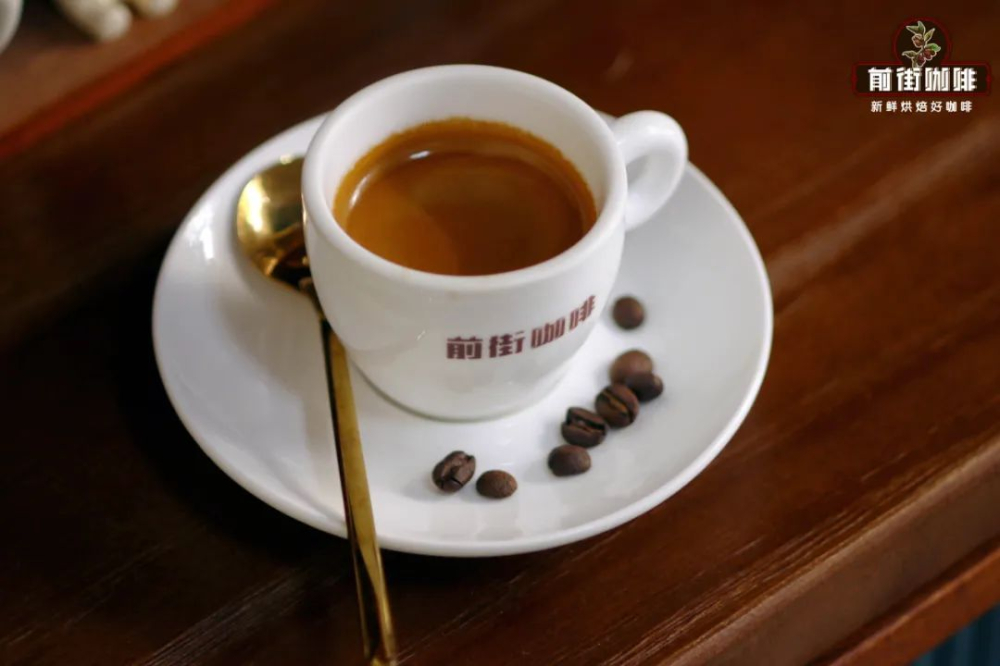
Pressurized espresso uses blended beans as raw materials. Producers combine coffee beans from different origins and use dark roasting to highlight a mouthfeel dominated by richness, mellowness, and bitterness, with the flavor basically fixed on the tone of caramel, dark chocolate, nuts, and cocoa. To make espresso different from traditional blended beans, single-origin SOE will use a lighter roast, presenting a lighter mouthfeel different from the traditional bitter tone, such as the flavor of Ethiopian beans dominated by fruity and floral notes. The higher recognizability makes it easier for consumers to remember the characteristics of SOE, but from a cost perspective, higher-quality single-origin beans are of course also more expensive, so paying extra is only reasonable.
SOE is more difficult to make
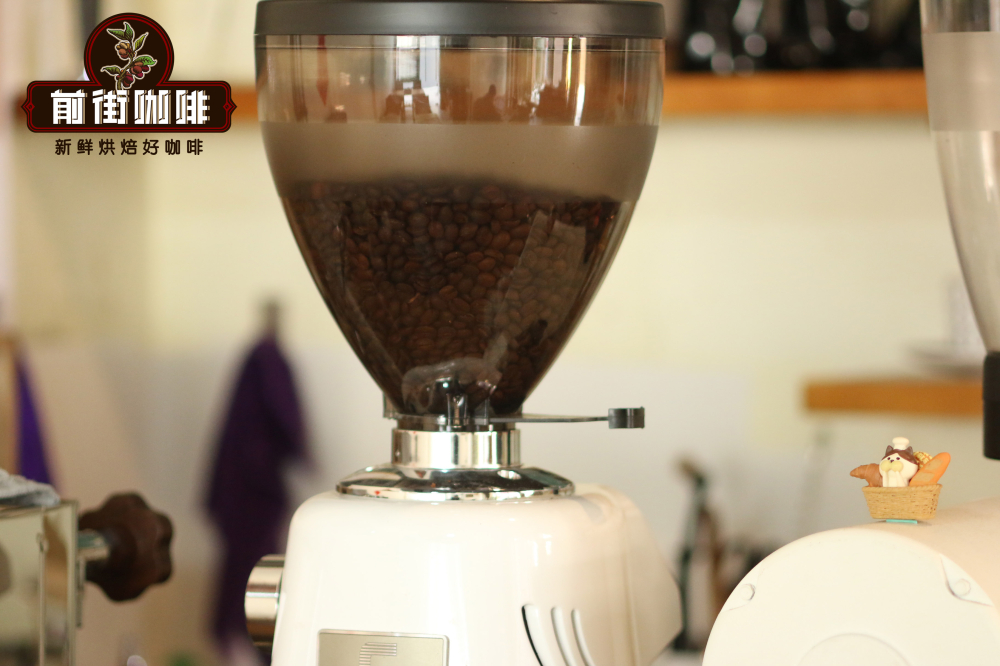
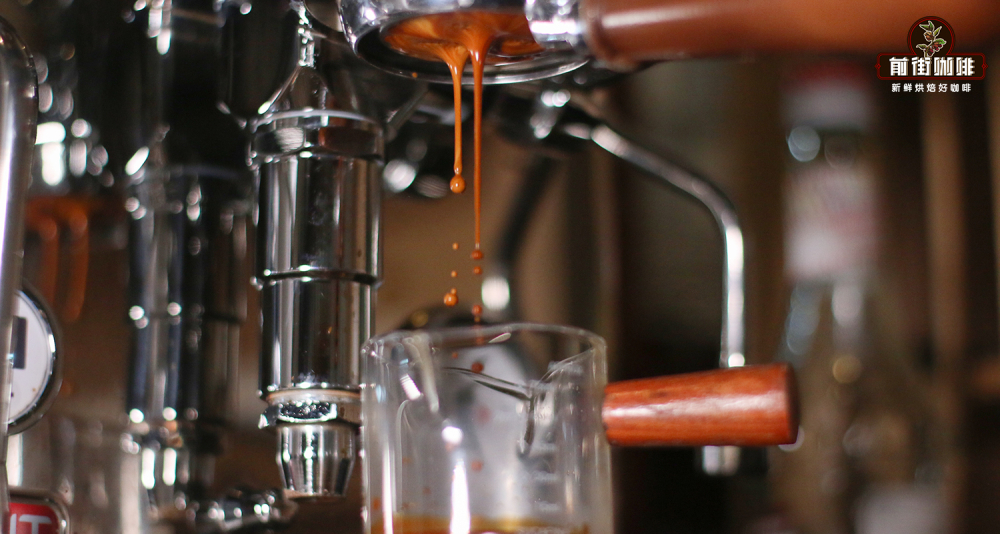
To present the unique style of SOE, high-quality coffee beans, an appropriate roast level, corresponding grinding parameters, and proper extraction are all indispensable. Adjusting espresso extraction requires considering subtle fluctuating factors such as ambient humidity, extraction time, the grind size of the coffee grounds, the amount of coffee powder, and the coffee-to-liquid ratio, making it more difficult to ensure stable output.
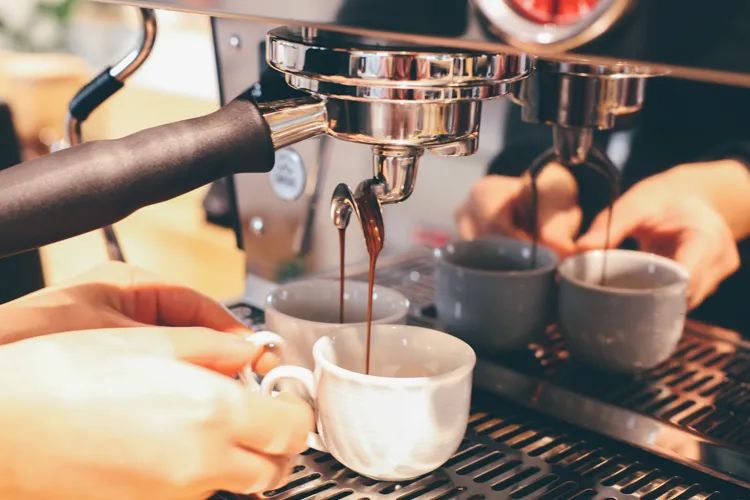
If we are making SOE at home, Front Street suggests using medium-dark roasted or flavor-oriented single-origin coffee beans, which can avoid the strong stimulating mouthfeel brought by roasting factors. For example, Front Street's Brazil Queen's Estate coffee beans, using a medium-dark roast, extract an SOE that presents chocolate, roasted hazelnut, cream, and a sugarcane-like sweet aftertaste. Or Front Street's Costa Rica Mozart coffee beans, using a raisin honey process, the SOE will carry dried fruit, tropical fruit, and a light floral aroma.
No matter what method is used to extract a coffee bean, Front Street believes that freshness is very crucial. If coffee beans with a roast date of more than a month are used, part of the aroma may already have been lost, and an unpleasant woody taste may have developed. Front Street hopes that every customer who places an order can taste the aroma of the coffee at its best tasting period, so it ensures that only beans freshly roasted within 5 days are shipped. If everyone wants the SOE coffee they make to have a better flavor, Front Street suggests choosing freshly roasted single-origin coffee beans.
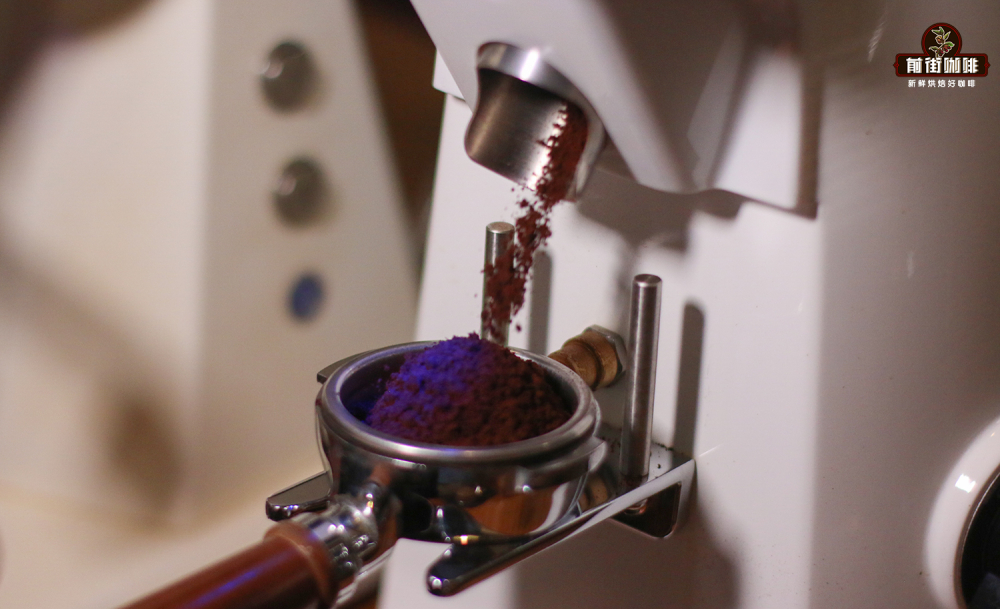
When we use coffee beans with a lighter roast to extract SOE, because the coffee beans have been roasted for a shorter time, the internal texture is still relatively hard, making the flavor harder to extract. Therefore, extraction parameters need to be adjusted to increase the extraction yield, such as extending the extraction time, raising the water temperature, making the grind finer, and increasing the dose. Because the fineness of espresso grinding is far higher than the grind size of pour-over drip brewing, adjustments cannot be too large, as this easily leads to excessive variables and more unstable extraction. Front Street is a daily store output, so parameter adjustments are based on accumulated daily experience. If our home output is relatively low, it is harder to grasp, and Front Street suggests recording it and summarizing more of the relationship between extraction parameters and flavor performance, which is more helpful for us to adjust quickly and also saves unnecessary waste.
For professional coffee knowledge exchange and more coffee bean information, please follow Coffee Workshop (WeChat public account cafe_style)
For more specialty coffee beans, please add the private WeChat of Front Street Coffee (FrontStreet Coffee), WeChat ID: qjcoffeex
The above content is compiled by CoffeeHunters, a coffee news website.


