







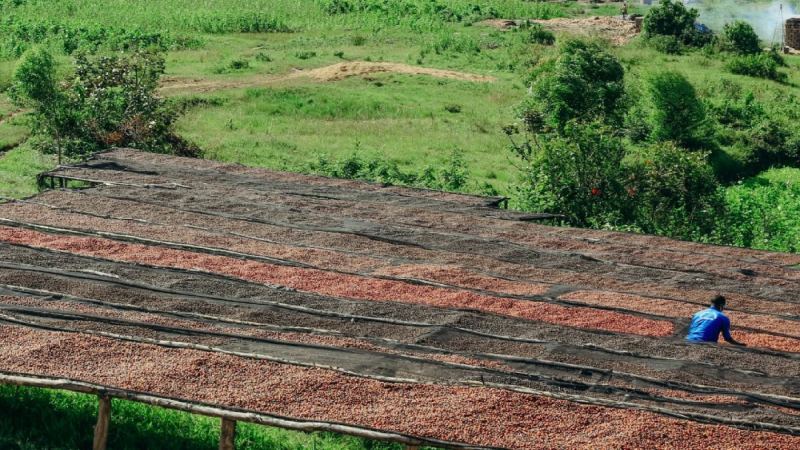
Where does coffee grow in Sidamo and the Guji region?
Sidamo sits in southern Ethiopia, where coffee grows at elevations of roughly 1,400 to 2,000 meters around the Great Rift Valley. The region's varied soils, microclimates and native varieties give each town a distinct flavor profile. Guji and West Arsi draw the most attention, and Guji became an independent region in 2010 under the Ethiopia Commodity Exchange.
Local coffee farms rely mainly on the natural process, which helps give Sidamo beans their fruity aromas and smooth mouthfeel. Guji's fertile black soil reaches nearly two meters deep, and average elevations above 1,800 meters create wide day-to-night temperature swings. Front Street Coffee's Huakui beans show how that terroir translates into a cup.
Sidamo is located in southern Ethiopia and is one of the most recognizable regions in the specialty coffee world. With elevations ranging from 1,400 to 2,000 meters, coffee-growing areas are distributed around the Great Rift Valley. Thanks to diverse soils, microclimates, and a wealth of native varieties, coffee from each town presents a distinctly different flavor profile. Among them, Guji and West Arsi are the most renowned growing areas, with the former becoming an independent region in 2010. This article will take you deep into Sidamo's geographical conditions, the terroir advantages of the Guji region, Hambela's unique status, and how the natural process gives coffee beans rich fruity aromas and a smooth mouthfeel, while also interpreting the specific flavor performance of Front Street Coffee's Huakui coffee beans.
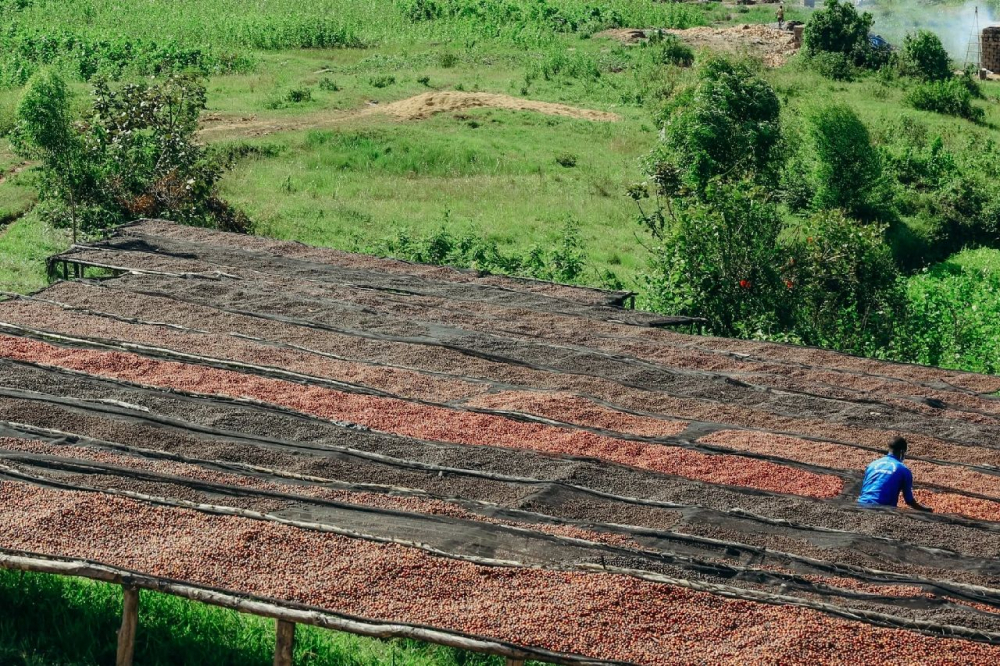
The Sidamo region is located in southern Ethiopia, bordered to the east by the Arsi and Bale administrative zones and extending west into the Gamogofa administrative area, with coffee cultivation at elevations generally between 1,400 and 2,000 meters. The local economy is dominated by agriculture, and coffee farms are mainly distributed around the Great Rift Valley. In recent years, Sidamo has developed strongly and has grown into a pivotal coffee export and distribution center. Because soil types, microclimatic conditions, and a vast number of native coffee varieties all differ, Sidamo coffee presents an extremely rich range of flavors, with beans from each town carrying distinct regional characteristics and differences.
Within Sidamo, Guji and West Arsi are the two coffee-growing areas that attract the most attention. Local green bean processing is mainly natural, and Front Street believes it is the natural process that gives Sidamo coffee beans their rich fruity aromas and smooth mouthfeel.
Guji Region
Guji was originally part of Sidamo, and in 2010 the Ethiopia Commodity Exchange (ECX) designated it as an independent region. It sits to the southeast of Yirgacheffe, with complex and varied terrain where high mountains, deep valleys, and plains intermingle. The soil in this area is fertile black soil (Vertisol), with a layer nearly two meters thick, and an average elevation exceeding 1,800 meters. The unique geographical conditions create significant temperature differences between day and night, providing an ideal terroir foundation for producing high-quality specialty coffee. When it comes to Guji's fame, Front Street cannot help but mention the Huakui bean.
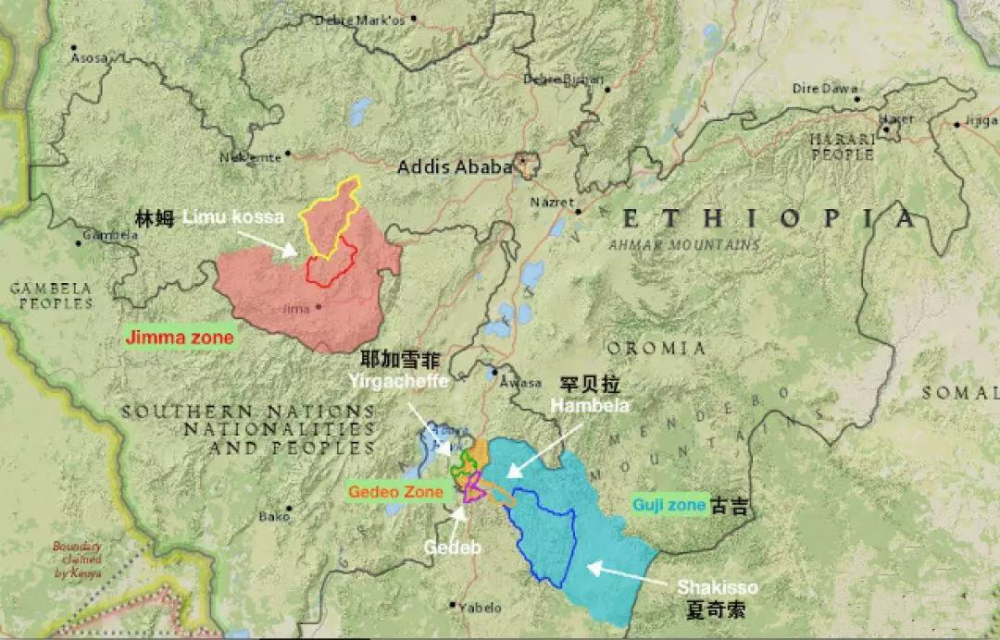
Front Street Huakui comes from Hambela, so internationally it is also called "Hambela." Hambela is part of Guji, Ethiopia's largest coffee region, and is administratively under Oromia State. To its west, separated by a 3,200-meter-high plateau about 30 kilometers wide, it faces Yirgacheffe's Kochere; to its southeast, north, and south, it borders Guji's Shakiso, Uraga, and Kercha sub-regions respectively, making it the highest-altitude coffee sub-region in Ethiopia.
The reason Front Street Huakui has such outstanding flavor is largely due to the natural process. The natural process is the oldest method of processing coffee beans, also called the "dry method." It involves placing coffee beans directly in the sun to dry, with drying times reaching 27 to 30 days. During the drying process, care must be taken: excessive exposure can cause the coffee beans to crack and produce defective beans. Although the steps are not complicated, naturally processed coffee beans have a poor appearance, so they are not very favored. Unlike the clean and crisp character of washed beans, natural coffee beans have richer layers of fruit flavor, higher body, and more prominent overall complexity.
Now let's learn about the flavor performance of Front Street's naturally processed Huakui coffee beans!
Front Street Coffee: Ethiopia· Sidamo Huakui Coffee Beans Region: Guji; Sidamo
Processing Station: Buku Abel Elevation: 2250-2350m Variety: Heirloom Processing: Natural Brewing Flavor: Jasmine, fermented wine aroma, cream strawberry, jackfruit
The above content is compiled by CoffeeHunters, a coffee news website.


