







For professional coffee knowledge exchange and more coffee bean information, please follow Coffee Workshop (WeChat public account: cafe_style)
For more specialty coffee beans, please add the private WeChat of Front Street Coffee (FrontStreet Coffee), WeChat ID: qjcoffeex
There have always been many friends who, for convenience and because they don't need to choose coffee beans, drink Americano or latte coffee in their daily lives. But in the past two years, for some reason, the SOE trend suddenly blew in, and quite a few friends said: "Now when I go to a shop and order an Americano, I also have to choose coffee beans. It's really such a hassle!" So they asked Front Street Coffee (FrontStreet Coffee), what is the difference between SOE and ordinary espresso, and why most of them cost a few yuan more.
What is SOE?
S.O.E (Single Origin Espresso) single originespressorefers to using coffee beans produced from a single origin (Single Origin) to make espresso (Espresso). This is somewhat different from our past understanding ofItalian coffee.
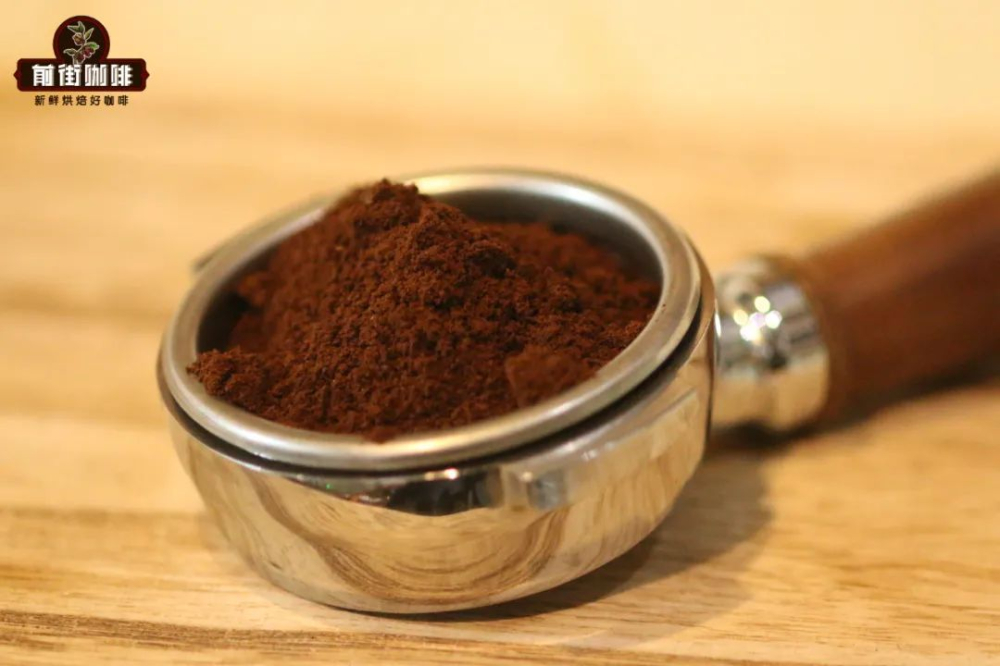
In the past, Italian coffee usually used dark-roasted coffee beans blended from different origins. The purpose was to ensure that every cup of espresso had a stable flavor, but it often ended up tasting rather intense. In contrast, S.O.E espresso determines the roast level, light or dark, according to the characteristics of the beans, and uses coffee beans produced from a single origin, so drinking espresso is no longer just the balanced bitterness and rich body we used to imagine.
SOEIs it better tasting than ordinary espresso?
Not necessarily~ Both have their own advantages and disadvantages. The third wave of coffee has several characteristics: emphasis on the freshness of coffee beans, a lighter roast level for the beans, use of coffee beans from a single origin (transparency of origin information), and greater emphasis on flavor descriptions of the coffee beans. Using single-origin coffee beans roasted lighter than blended beans to make espresso can indeed allow the coffee to show richer flavors, unlike blended coffee, which only has a monotonous nutty and cocoa character.
But not all lightly roasted single-origin coffee beans are suitable for making SOE. As an agricultural product, the flavor expression of coffee beans may vary conceptually due to changes in the climate and soil of the region each year. In addition, the flavor profile of each origin is different. What can show a lemon-like acidity and a honey green tea finish when brewed by pour-over may become sharply sour under pressurized extraction, with an overall thin mouthfeel and low body.
The practice of blending coffee beans from different origins appeared because, when using coffee beans from only one origin, under extremely fine grinding and the pressurized extraction of an espresso machine, both the good and bad flavors in the coffee are magnified. Therefore, people thought of using the unique flavors of coffee beans from different origins to make up for each other's shortcomings, so that the coffee after extraction would perform more evenly.
Front Street Coffee (FrontStreet Coffee) believes that the advantage of SOE is that it allows people who drink milk coffee to also feel the rich flavors in the coffee. The disadvantage is that because the coffee beans change differently every day, it cannot keep espresso stable for a long time, and the cost is also relatively higher.
Andblended coffee beanshave the advantage that even if the flavor of coffee beans in the new crop season changes, the ratio can be adjusted so that espresso continues to maintain a stable taste. The disadvantage is that stability can only be achieved through dark roasting, giving up rich flavors, but the cost is relatively lower.
How is SOE extracted?
The production of SOE greatly tests the barista's extraction skills. It is necessary to consider the roast level of the coffee beans and slowly adjust differentextraction parametersto present the best extraction result, so there is no actual data that can be used as a reference. In past experimental extractions, Front Street Coffee (FrontStreet Coffee) noticed that the extraction time and speed of single-origin coffee beans are often faster than those of blended coffee beans.
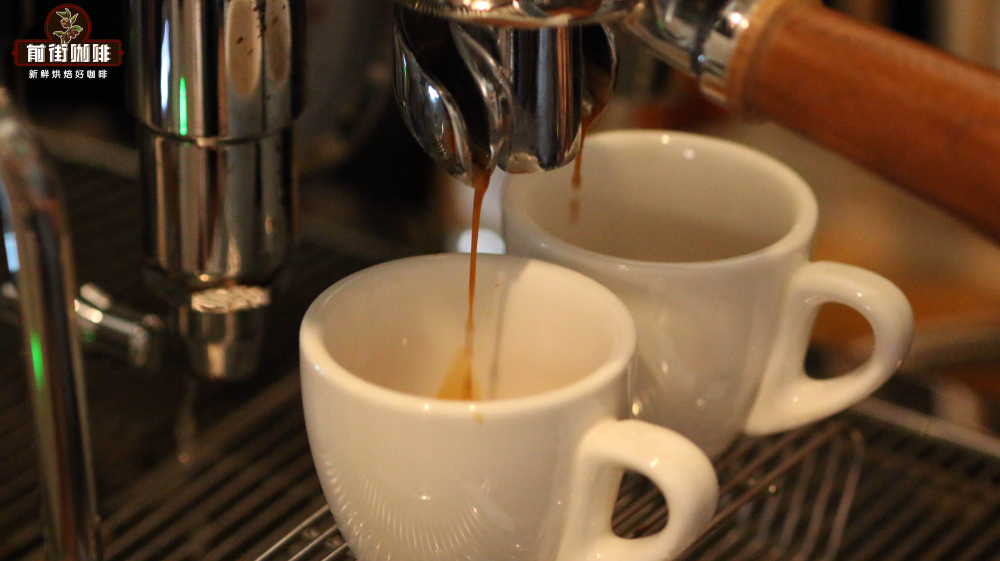
Therefore, when adjusting the extraction parameters of SOE, everyone must taste each espresso. If it feels too thin, it may be that the grind is too coarse / the dose is too small / the yield is too large. If it is too strong / bitter, then it may be that the grind is too fine / the dose is too large / the yield is too small.
SOE coffee bean recommendations
Although Front Street Coffee stores do not provide an SOE option, they also try making various single-origin SOEs in daily life. After countless experiments, Front Street Coffee (FrontStreet Coffee) recommends the following three single-origin coffee beans for making SOE:
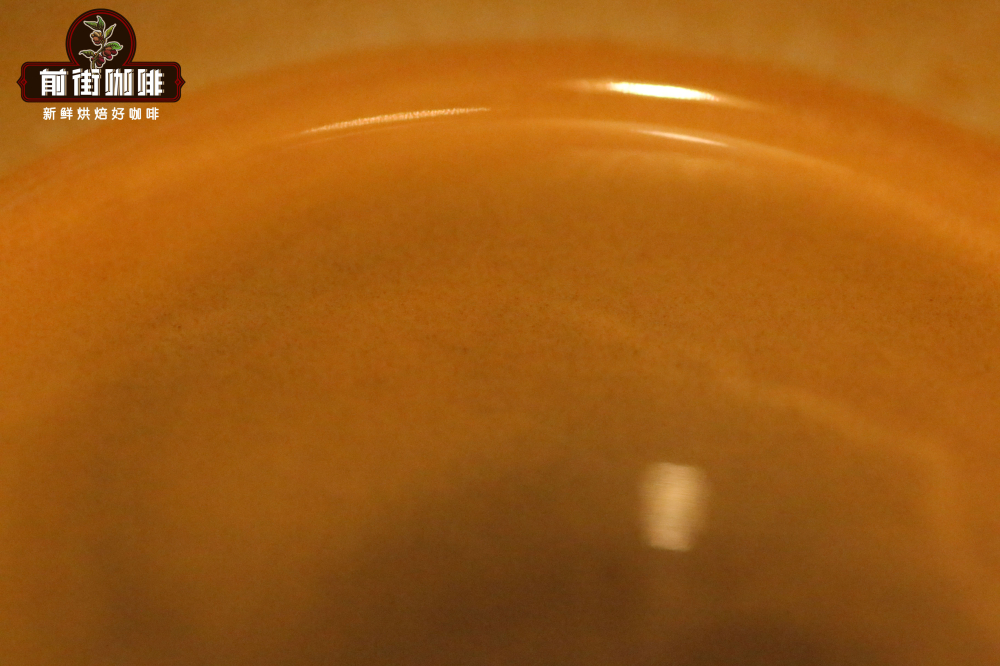
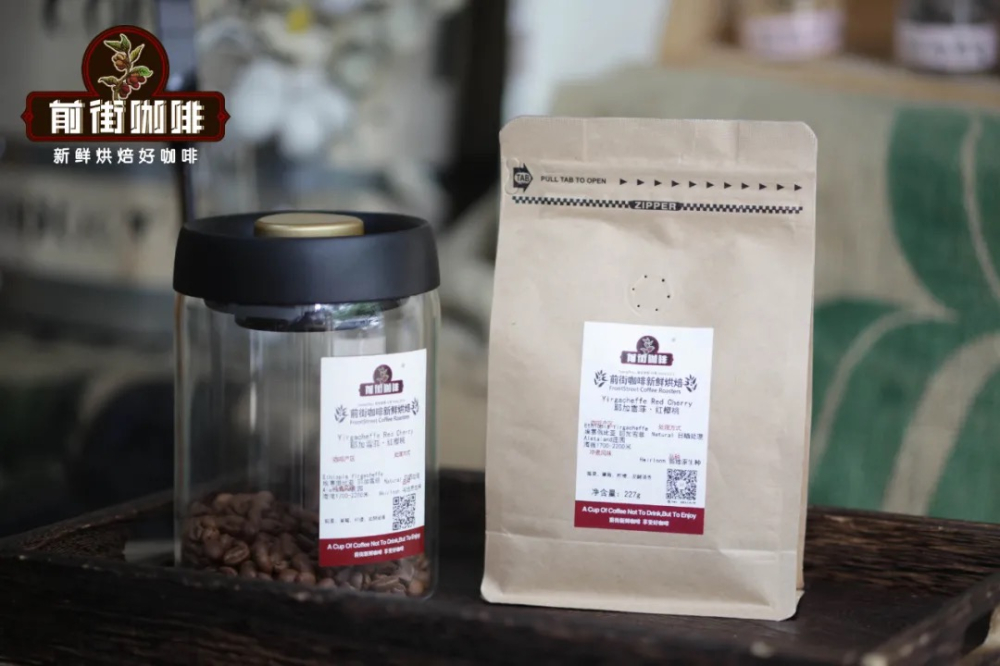
"Front Street Coffee (FrontStreet Coffee) - Ethiopia Yirgacheffe Natural Red Cherry Coffee Beans." After this lightly roasted coffee bean is extracted into espresso, the crema on the surface is delicate and light, the color tends toward pale yellow, it smells of sweet berries, and when tasted it does not stimulate the palate too much, with a sweet-and-sour berry and caramel sensation.
"Front Street Coffee (FrontStreet Coffee) - Costa Rica Mozart Coffee Beans," medium roast. The extracted espresso has a delicate and light crema, appears pale yellow, smells of raisins, and tastes with a rich sweet-and-sour sensation as well as a fruity fermented flavor.
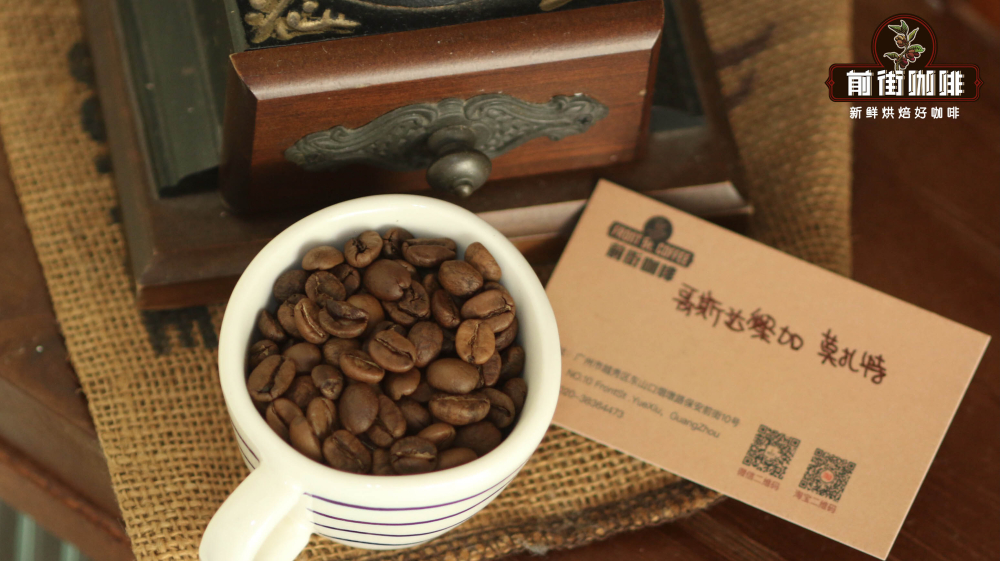
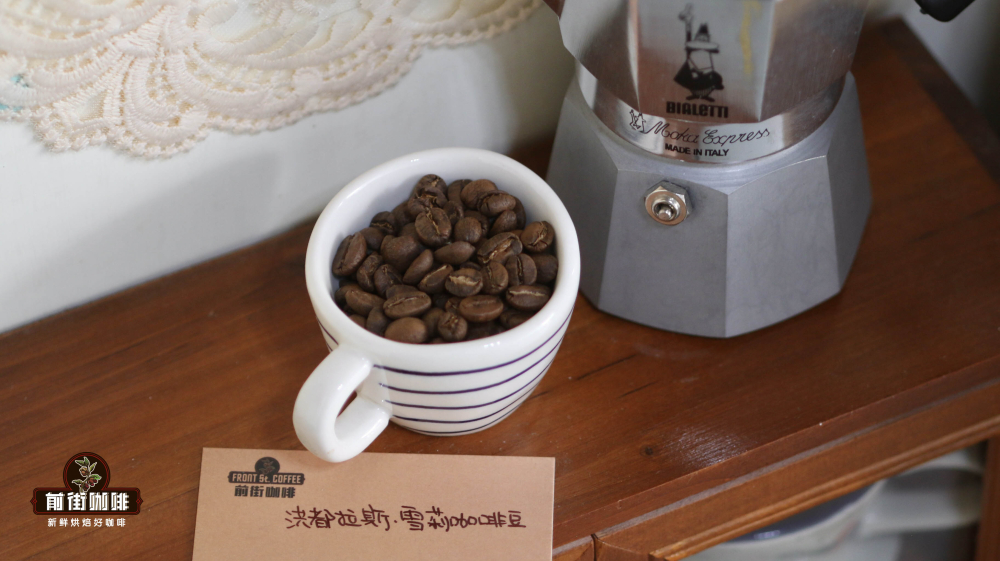
"Front Street Coffee (FrontStreet Coffee) - Honduras Sherry Coffee Beans," medium roast. The extracted espresso has a creamy texture crema, appears golden yellow, smells of whiskey, and tastes with flavors of vanilla cream and nutty caramel.
The above content is compiled by CoffeeHunters, a coffee news website.

