







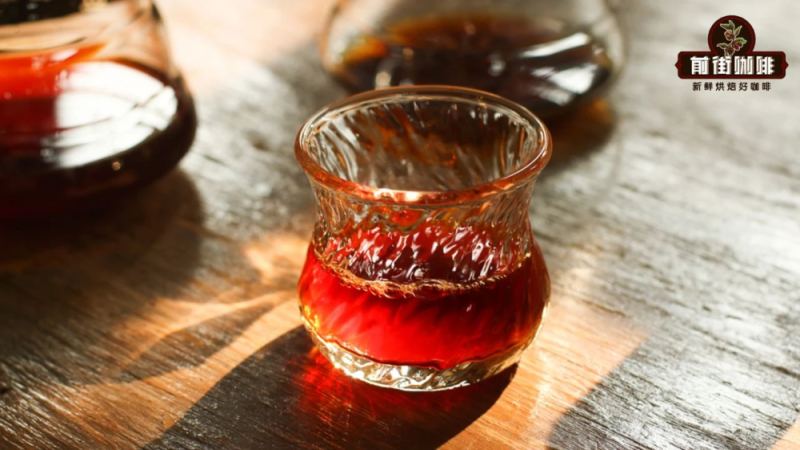
The Mozart coffee beans from Costa Rica's Tarrazu region are, in Front Street Coffee's view, a bean with a particularly outstanding sweetness. It carries a preserved-fruit-like fermented aroma and the sweet notes of raisins, thanks to the anaerobic honey process. The honey process does not mean adding honey to the beans; rather, it means retaining the mucilage during drying so that sugars seep into the bean. As Costa Rica's highest-altitude producing region, Tarrazu has large day-night temperature differences, giving the beans more time to accumulate flavor. Front Street Coffee uses a medium roast and a V60 dripper with staged extraction, presenting rich layers of raisin, osmanthus, and pineapple. This article will walk you through the principles of the honey process, its grading, and this bean's origin background and brewing recipe.
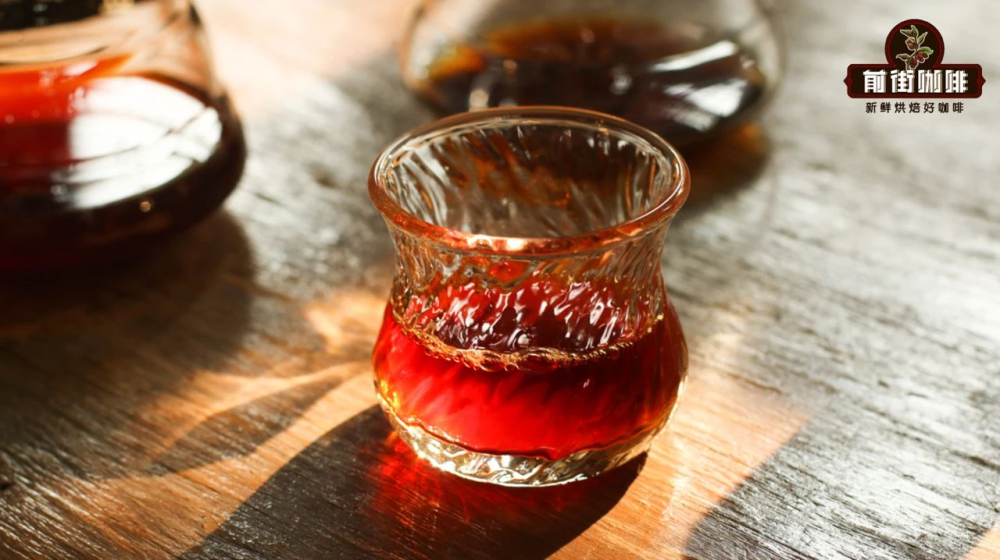
When it comes to coffee beans with standout sweetness, Front Street Coffee first thinks of the Mozart from Costa Rica's Tarrazu region. It gives off a preserved-fruit-like fermented scent and the sweet fragrance of raisins, and the anaerobic honey process gives this Costa Rican bean its unique flavor personality. So, does the honey process mean adding honey to the coffee beans to make them sweet?
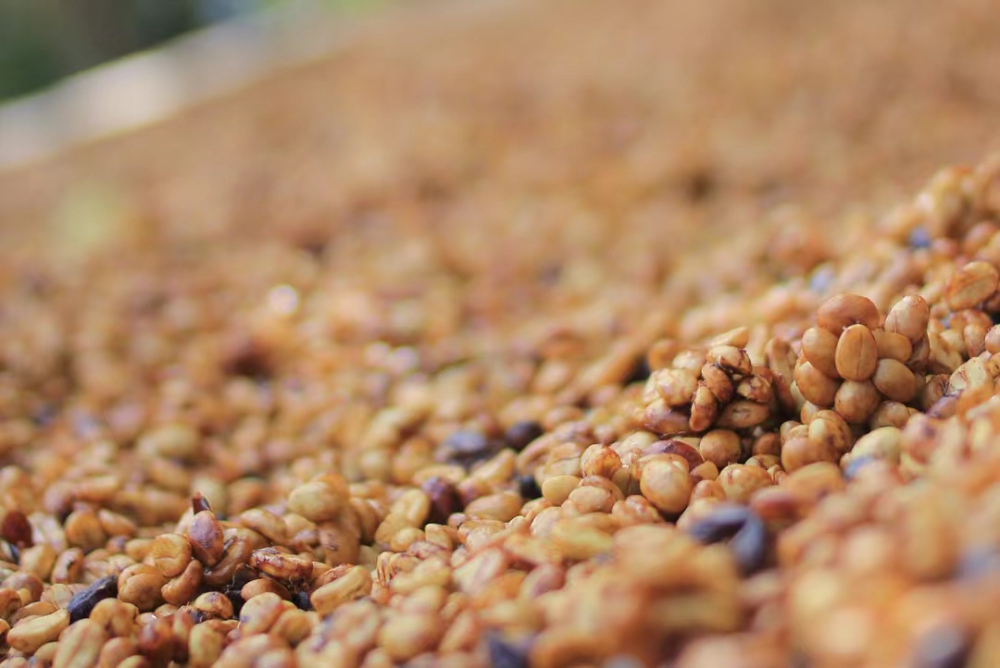
Actually, that is not the case. The "honey" in the honey process refers to the mucilage retained when the coffee beans are dried; it feels sticky to the touch, as if honey were coating the surface. After drying is complete, the beans absorb the sugars in the mucilage, giving the aroma and flavor a slight fermented sweetness.
The honey process, called "Honey Process" in English and also "Miel Process," takes its "honey" from the Spanish word Miel, meaning honey. This name originated in Costa Rica in Central America, where locals called that sticky layer of mucilage "Miel." The so-called honey process is a method of processing green coffee that retains all or part of the mucilage for drying, and it evolved from Brazil's pulped natural process.
A coffee bean is the seed part of the coffee fruit, wrapped in layers of skin, pulp, mucilage, and parchment. The purpose of a processing method is to better separate the coffee beans and dry them. The honey process removes the skin, then retains the mucilage for sun-drying or shade-drying, allowing the pulp and mucilage to ferment during drying and bringing the coffee beans richer flavors.
According to how much mucilage is retained, the honey process can be divided into white honey (retaining 40%-50% mucilage), yellow honey (retaining 60%-70% mucilage), red honey (retaining 80% mucilage), and black honey (retaining almost all the mucilage). The more mucilage retained, the more substances participate in fermentation, the more outstanding the coffee beans' sweetness and the stronger the fermented character, and the longer the drying time accordingly. Because black honey retains a very high mucilage content, direct sun-drying can easily lead to over-fermentation, so shade methods are used, drying in a cool, ventilated place for more than 14 days.
Most of Costa Rica's coffee-growing areas are concentrated in the Talamanca Mountains at altitudes of 1,200 to 2,000 meters. It is hard to store water in the high mountains, so coffee farmers cannot use large amounts of water for washed processing; at the same time, sunshine hours are not long, so direct sun-drying is also not possible. Local coffee farmers therefore borrowed Brazil's pulped natural process: after removing the skin, they use a moderate amount of water to rinse off part of the pulp and mucilage, then sun-dry the beans, which saves water and shortens drying time. The anaerobic honey process, meanwhile, involves placing the fruit in an oxygen-free container for anaerobic fermentation before removing the skin, then removing the skin and retaining a small amount of mucilage for sun-drying. The anaerobic honey process allows the coffee beans to give off a distinct fermented aroma even when only a small amount of pulp is retained for drying.
Since Costa Rica's coffee-producing regions basically all use the honey process, why does Front Street Coffee think first of coffee beans from the Tarrazu region? Because Tarrazu has the highest growing altitude among Costa Rica's seven producing regions, averaging 1,500 to 2,000 meters, and the Mozart that Front Street Coffee cannot forget is grown at 1,800 meters. The high altitude brings a large day-night temperature difference, slowing the coffee beans' growth so they have enough time to develop more flavor; combined with the anaerobic honey process, this bean's flavor expression is like Mozart's musical style: delicate and reserved overall, yet very clear in character.
In roasting, Front Street Coffee's roaster wanted both to preserve the coffee's sweet-and-sour flavors and to enhance its layering, so that the Mozart would show richer layers, and therefore used a medium roast. During roasting, the time from the yellowing point to first crack is appropriately extended; the Maillard reaction during this period gives the coffee beans more sweetness.
For brewing, Front Street Coffee recommends using a V60#01 dripper. Add 15 grams of medium-fine ground coffee (the size of caster sugar, with 80% passing through a Chinese No. 20 standard sieve), and brew with 91°C water at a ratio of 1:15.
Front Street Coffee recommends staged pouring; three stages can effectively enhance the coffee's layering. First bloom with 30 grams of water for 30 seconds, then pour in a slow circular stream until the scale reads 125 grams for the first stage; when the water level drops and the coffee bed is about to be exposed, continue pouring until 225 grams and stop; when the water level drops and the coffee bed is about to be exposed, remove the dripper. The extraction time (starting from the beginning of the bloom) is 1 minute 50 seconds.
Mozart coffee beans Brewed flavor: fermented aroma, raisin, osmanthus, pineapple.
For professional coffee knowledge exchange and more coffee bean information, please follow Coffee Workshop (WeChat public account: cafe_style)
For more specialty coffee beans, please add the private WeChat of Front Street Coffee (FrontStreet Coffee), WeChat ID: kaixinguoguo0925
The above content is compiled by CoffeeHunters, a coffee news website.


