







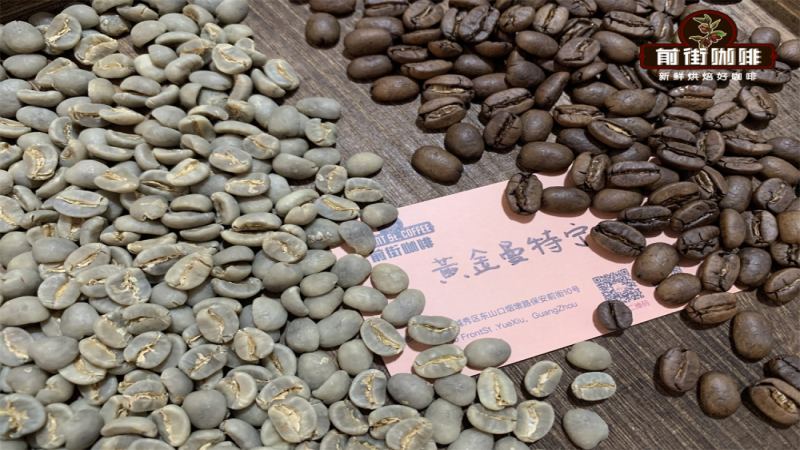
Mandheling coffee is renowned for its rich, bitter, and full-bodied character with spicy and herbal notes—some people can't stand it, while others are deeply devoted to it. The roots of this unique flavor lie hidden in the tropical rainforests and volcanic soils of Sumatra, Indonesia. This article starts with Front Street's PWN Golden Mandheling to break down Sumatra coffee layer by layer—its growing environment, variety characteristics, grading system, and wet-hulling process—and explains how PWN polishes G1-grade green beans into Golden Mandheling with large, uniform beans and both sweetness and cleanliness through density color sorting and multiple rounds of hand sorting, while reminding enthusiasts to watch out for counterfeit products on the market.
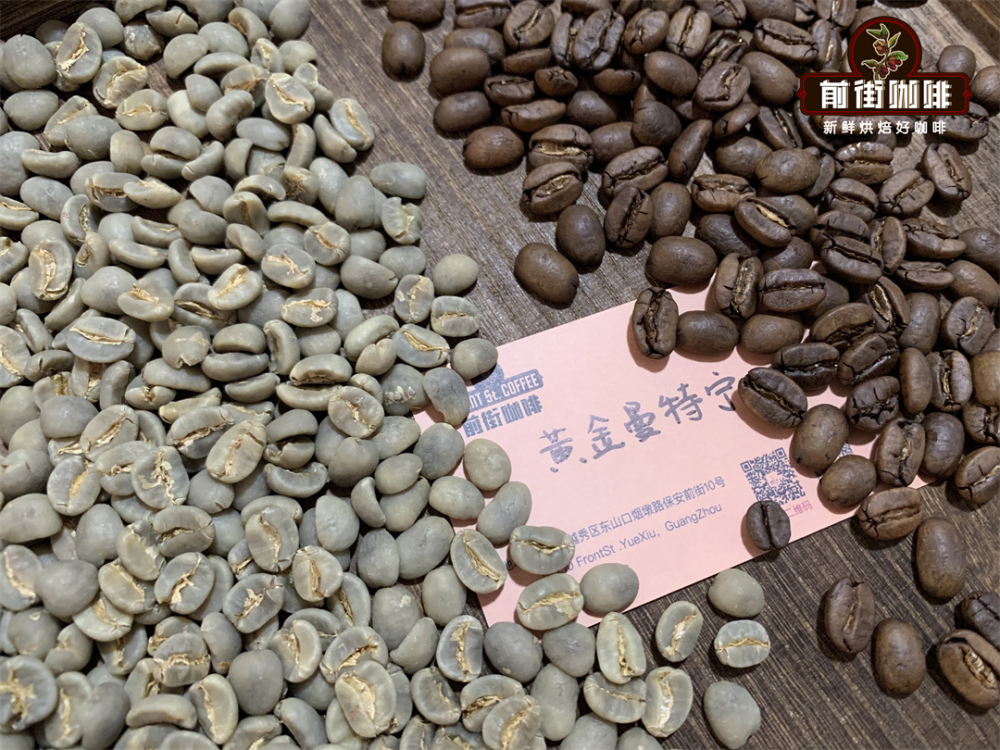
Mandheling coffee is typically roasted to a darker level, which gives it a distinctive spicy and herbal character with an intense, bitter entry. This flavor is hard for some customers to adapt to, yet it deeply fascinates others. Next, Front Street will take you through an exploration of what exactly creates such a bold personality in Mandheling coffee.
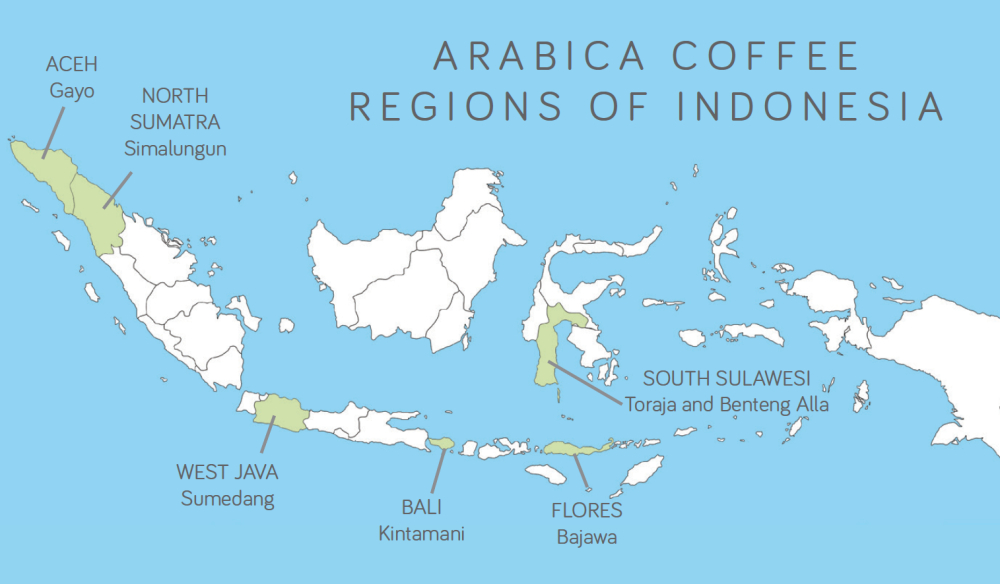
What is generally called Mandheling coffee refers to arabica coffee beans grown in the mountainous areas around Lake Toba on the island of Sumatra. Sumatra is the largest island in Indonesia, with a tropical rainforest climate that is hot and humid year-round, and coffee trees are mostly planted among the forests and hills. Among the many producing regions, coffee from the Gayo Highlands in Aceh is considered the best in all of Sumatra, and most of it comes from ancient tree varieties. Front Street's Front Street PWN Golden Mandheling coffee beans are sourced from the Gayo mountain range in Aceh.
Sumatra has the fertile volcanic soil shared by many famous coffee-producing regions, and the soil is rich in minerals that help coffee cherries accumulate more nutrients and aroma. Local farmers typically plant coffee trees at moderate elevations, roughly between 600 and 1,200 meters. The lower growing elevation combined with the tropical rainforest climate shortens the cherry ripening cycle, making it difficult to develop rich acidity, so the coffee from this area tends to express more herbal and spicy notes.
In northern Sumatra near Lake Toba there is a mountainous area called the Lintong region. The Mandheling coffee beans produced here are relatively large and hard, but they contain many defects, so roasters must sort them strictly during processing. Because Lintong Mandheling green beans are unsorted, they are often inconsistent in size and taste even more intense.
Front Street PWN Golden Mandheling Coffee Beans
Indonesia grades green beans according to the number of defects and bean size, with the highest level being G1, which means fewer than 3 defective beans in a 300-gram sample and a green bean screen size of 18 mesh or above.
From the story of Mandheling above, it is clear that the Japanese have a particular fondness for Mandheling coffee and wanted to drink higher-quality lots, so they established a strict sorting system when working with Indonesian green bean suppliers. The processed green coffee beans must undergo density color sorting and four rounds of hand sorting to ensure that Mandheling coffee beans are consistent in color, shape, and size. Mandheling treated this way has a cleaner, more transparent mouthfeel, with more pronounced body and sweetness.
The Indonesian company PWN spotted this business opportunity early on and was the first to register the "Golden Mandheling" trademark. In other words, only Golden Mandheling produced by PWN truly counts as "Golden Mandheling." PWN places great importance on the quality of Mandheling coffee and has secured almost all of the high-quality Mandheling lots in Sumatra. The Mandheling coffee it purchases is already at Indonesia's highest green bean grade, G1, and then undergoes strict hand sorting, so the final output of specialty Golden Mandheling is not large in quantity.
Counterfeit "Golden Mandheling" coffee often appears on the market. The Golden Mandheling green beans that Front Street obtains come with a certification certificate provided by PWN, and the burlap sacks of Front Street PWN Golden Mandheling green beans are printed with a clear PWN company logo.
PWN, which pursues perfection in the sorting stage, puts G1-grade Mandheling through multiple strict selections, reducing the coffee defect rate to a minimum, removing off-flavors such as earthiness, and at the same time enhancing Mandheling's sweetness and cleanliness. In addition, before packaging, PWN sends the green beans through a machine for density color sorting to ensure that the Golden Mandheling green beans produced are large, uniform, and bright in color.
Front Street PWN Golden Mandheling Coffee Beans
Region: Sumatra, Indonesia
Grade: G1, triple hand-sorted
Altitude: 1100m–1600m
Variety: Ateng
Processing Method: Wet-Hulled
Flavor: Nuts, Spices, Herbs, Caramel
The above content is compiled by CoffeeHunters, a coffee news website.


