








Where Did Coffee Originate, and How Did Mandheling Emerge?
Coffee originated in Ethiopia, where Coffea arabica still grows as a native plant, and it spread from there along trade routes to Yemen, then across Asia, Africa, and the Americas. The Golden Mandheling bean is a later chapter in that story, grown in northern Sumatra, Indonesia, near the volcanic lakes Toba and Tawar, and processed with the region's distinctive wet-hulling method.
Where coffee can be grown is limited to a fairly narrow band around the equator with the right altitude and rainfall, and Sumatra fits that band with a tropical rainforest climate and misty highland farms. Buyers like PWN purchase from the Gayo Mountains area, then hand-sort repeatedly to remove defects. The Ateng variety and the wet-hulled process together produce the heavy body and herbal, forest-like notes Mandheling is known for, roasted lighter than many expect.
Golden Mandheling is hailed as the pinnacle of Mandheling coffee. With its rich, solid body and unique herbal spice aroma, it is deeply favored by seasoned coffee enthusiasts. It originates from Sumatra, Indonesia, is purchased and carefully hand-selected by PWN under strict standards, processed using the region's distinctive wet-hulled method, and is of the Ateng variety. This article will comprehensively walk through the origins and development of this specialty coffee—from the growing environment, processing techniques, and variety history to Front Street's recommended three-pour hand-brew parameters—so you can brew a Golden Mandheling at home that is layered, clean, and sweet.
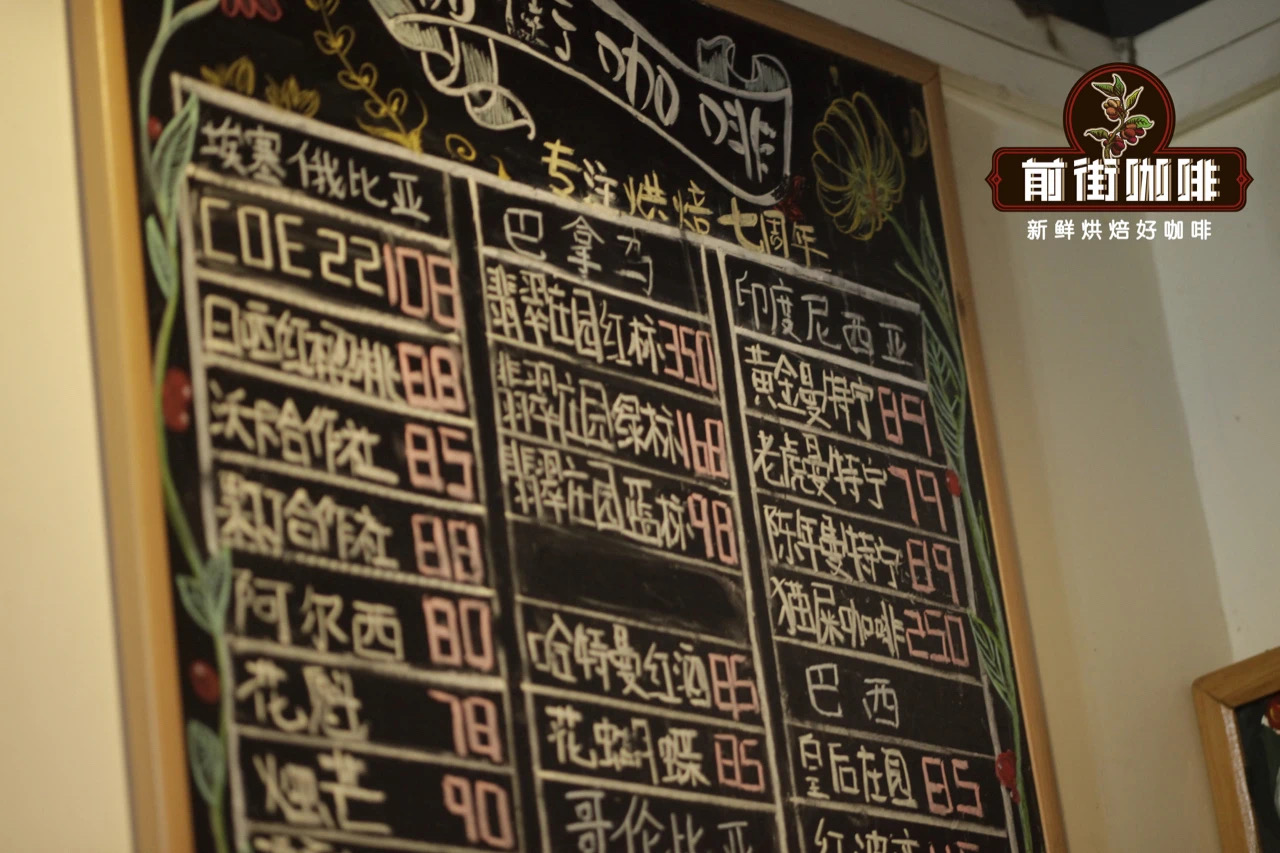
Mandheling coffee has always been known for its intense herbal and forest-like notes, along with a heavy, full-bodied texture, earning it the nickname "the gentleman of coffee" among enthusiasts. Within the Mandheling family, Golden Mandheling stands out as the finest of all. Today, Front Street will introduce you to this specialty-grade coffee bean.
Golden Mandheling coffee comes from Sumatra, Indonesia. Indonesia is the largest coffee-producing country in Asia, though most of its output is Robusta; only a small amount of high-quality Arabica is grown at higher elevations, with Mandheling coffee from northern Sumatra being the most famous.
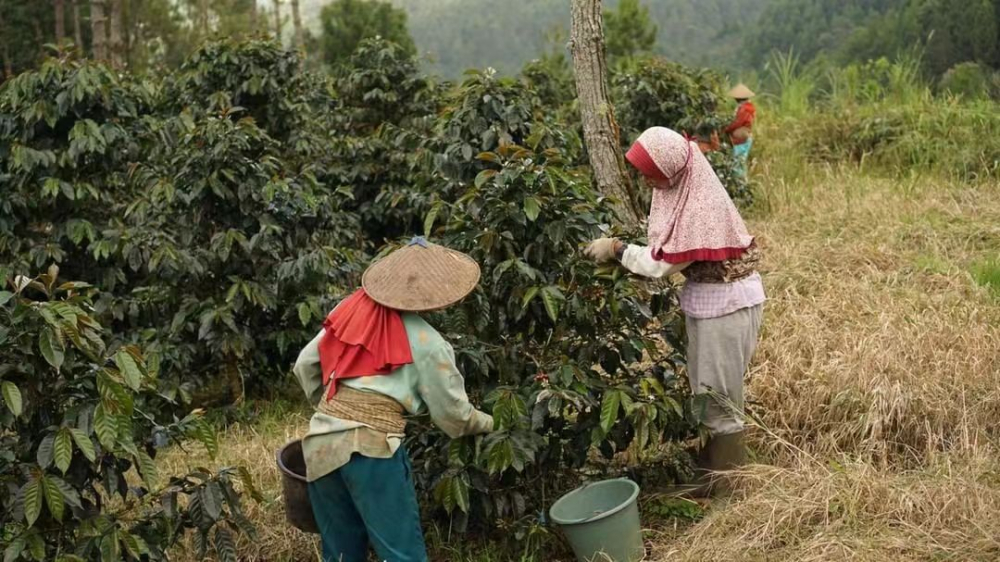
Sumatra sits near the equator and has a tropical rainforest climate. The mountains and forests are shrouded in mist and clouds year-round, with abundant rainfall, adding a touch of mystery to this land. Local coffee farmers plant their trees near two major volcanic lakes, Lake Tawar and Lake Toba. The Gayo Mountains around Lake Tawar offer highly ideal growing conditions, with organic farming widely practiced, and combined with a long-standing cultivation tradition, the coffee produced here excels in both quality and yield. Many green bean buyers therefore place great importance on this producing region, including the locally renowned Pwani Coffee Company (PWN).
PWN specializes in purchasing high-quality Mandheling green beans. After buying them, the beans undergo multiple rounds of hand sorting to pick out plump, defect-free beans, which is why all of their beans reach specialty grade. "Golden Mandheling Coffee" is their signature product. In earlier years, to exclusively supply Golden Mandheling, PWN even registered the English trademark for "Golden Mandheling." In other words, only Golden Mandheling produced by them counts as the real Golden Mandheling. Front Street's Golden Mandheling coffee beans are likewise "authentic products" purchased from PWN.
The green bean processing method of PWN Golden Mandheling coffee
Sumatra is humid and rainy all year round, and fresh water resources are quite scarce. The locals cannot use the traditional washed method on a large scale like Central and South American countries, nor can they rely on sun-drying to dry the coffee. So coffee farmers developed the wet-hulled method, which takes only four days to complete. Both fermentation and sun-drying time are greatly compressed, saving considerable labor while also giving Sumatran Mandheling its distinctive herbal and earthy notes.
Before the final drying of Golden Mandheling green beans, the semi-wet, semi-dry parchment layer has already been removed. The bean body is prone to compression and deformation under greater external force, and when exposed to high-temperature sunlight, cracks develop. Such beans look uneven and must be sorted out to improve overall quality. After PWN purchases Mandheling green beans, they first undergo one machine screening, then three rounds of hand sorting to remove defective beans and keep intact ones, achieving the local highest G1 grade and greatly reducing the defect rate of Mandheling. The G1 specification requires beans to be above 18 mesh, with no more than 3 defective beans in a 300-gram green bean sample. Front Street believes that after reducing the defect rate, the coffee's flavor becomes cleaner and its sweetness more pronounced.
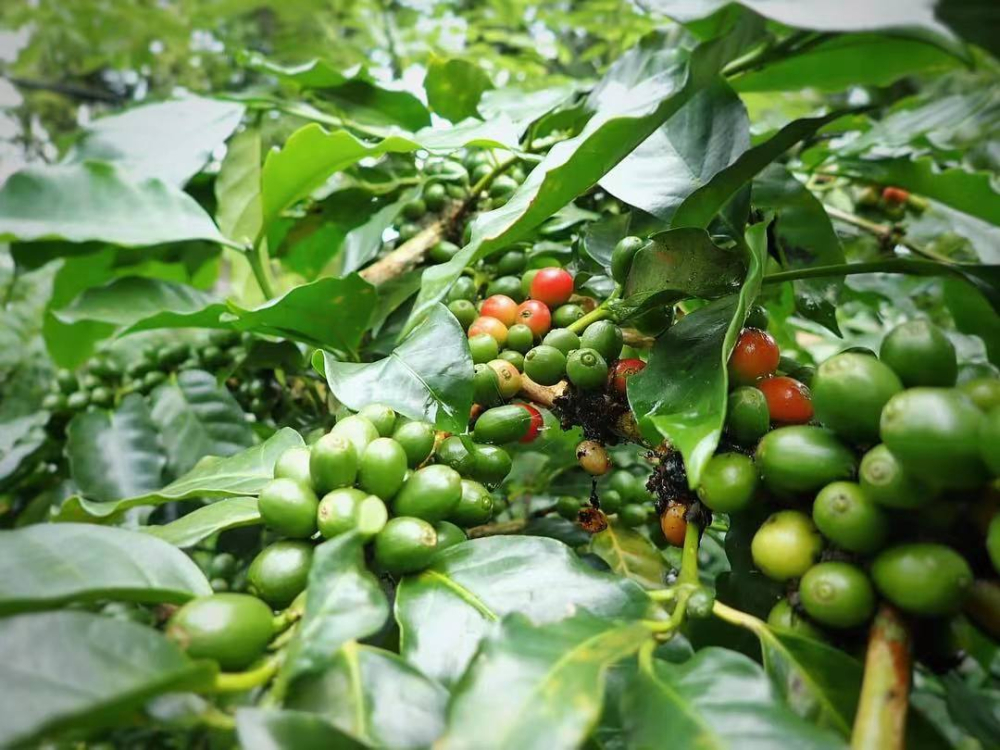
The variety of Golden Mandheling coffee is Ateng
After reviewing relevant materials, Front Street has learned that Indonesia's coffee history can be traced back to 1696. At that time, coffee was introduced by Dutch colonists to Java for cultivation, then gradually spread to Sumatra, where large-scale cultivation began. About two hundred years later, Indonesia's coffee industry was hit hard by leaf rust disease. Large areas of coffee trees withered from infection, and production was severely affected. To overcome this predicament, the Indonesian government began introducing new, more disease-resistant varieties from various places, including Catimor, a hybrid of Arabica and Robusta, which locals call Ateng. Catimor inherited Robusta's disease resistance and high-yield genes, and its short stature makes it suitable for dense planting, so it is very popular among growers.
Front Street's hand-brew method for PWN Golden Mandheling coffee
There are countless ways to brew coffee, and there is no standard answer. Front Street feels that as long as it brings out the flavor the coffee should have, that is enough. Taking this Front Street PWN Golden Mandheling coffee as an example, Front Street prefers a three-pour hand brew to extract it, hoping to taste a richer, more layered Mandheling flavor.
When brewing dark-roasted coffee beans, Front Street chooses a slightly coarser grind than for light-roasted beans and uses a lower water temperature, aiming to avoid releasing too many bitter large molecules that would leave the coffee tasting only burnt and bitter. The Kono dripper is chosen to enhance the coffee's roundness and full body. The upper part of the Kono is a smooth curved surface that allows the filter paper to fit more closely, restricting airflow upward so hot water can only flow downward, creating a siphon-like extraction effect that allows the coffee grounds' aromatic compounds to be released more fully.
Dripper: KONO dripper
Water temperature: 87–88°C
Coffee dose: 15 grams
Coffee-to-water ratio: 1:15
Grind size: medium grind (70% passing through a Chinese standard No. 20 sieve)
First, wet the coffee bed with twice the coffee's weight in water. Once a dome forms, let it bloom for 30 seconds, then pour in a slow, thin stream in circles from the inside out. Stop pouring at 125 grams and wait for the coffee bed to drop to half the height of the dripper, then continue pouring the third stage with the same thin stream until 225 grams. Once all the coffee liquid has filtered through, remove the dripper. Total time is about 2 minutes.
The hand-brewed Golden Mandheling coffee has intense aromas of dark chocolate, nuts, and caramel, with spice and herbal notes in the finish. The cup is clean and transparent, rich and solid, with distinct layers.
Brewing suggestions for Golden Mandheling
After seeing Front Street's three-pour brewing method for Golden Mandheling, you may be eager to give it a try yourself. Golden Mandheling is richly aromatic, and its classic full-bodied taste is well worth experiencing. However, Front Street still wants to offer a few reminders when brewing. Coffee beans enter their peak flavor window 4–7 days after roasting. Once past this stage (about a month and a half after roasting), the aroma may have dissipated and some woody flavors may develop. To make this clear to everyone, Front Street has repeatedly mentioned this in many articles. Most importantly, Front Street only ships fresh coffee beans within 5 days of roasting, so everyone can enjoy coffee with excellent flavor.
For professional coffee knowledge exchange and more coffee bean information, please follow Coffee Workshop (WeChat public account: cafe_style)
For more specialty coffee beans, please add the private WeChat of Front Street Coffee (FrontStreet Coffee), WeChat ID: qjcoffeex
The above content is compiled by CoffeeHunters, a coffee news website.


