







Is Cold Brew Sour, and Does Yirgacheffe Change That?
Cold brew can taste sour, and it usually comes down to under-extraction rather than the method itself. Coarse grounds plus cold water extract slowly, so if the steep is short or the ratio is off, the acidic compounds come through ahead of the sweetness. Yirgacheffe's natural citrus character amplifies that impression, since the bean already carries bright lemon acidity.
To fix sour cold brew, the common levers are grind finer, extend the steep, or raise the coffee-to-water ratio. A twelve- to eighteen-hour steep at a medium-coarse setting is a workable starting point for a washed Ethiopian like Gutingding, while natural Red Cherry pushes sweeter berry notes that balance the acidity. Pour-over at medium-light roast with a bloom and steady pours gives the same bean a brighter, cleaner cup.
Yirgacheffe is one of Ethiopia's most representative specialty coffee regions, known for its fresh white floral notes and bright citrus acidity. This article starts from the region's history and varietal characteristics, sorts out the influence of washed and natural processing methods on flavor, and combines Front Street Coffee's Gutingding and Red Cherry beans to introduce in detail the pour-over parameters under medium-light roasting, the blooming and pouring technique, as well as the recommended ratio and extraction time for cold brew coffee, helping coffee lovers gain a more comprehensive understanding of Yirgacheffe's flavor logic and brewing key points.
Ethiopia is the native homeland of Arabica coffee, a fact that almost every coffee beginner encounters as common knowledge early on. Precisely because of this, the country's coffee beans naturally became the starting point for many people exploring the world of specialty coffee. However, before the third wave of specialty coffee swept across China, the public's perception of coffee flavor mostly remained at the stage of burnt bitterness. It was not until more and more people tried pour-over coffee for the first time and were struck by the bright and expressive acidity of Ethiopian beans that their fixed impression of coffee truly changed.
Today, walking into any specialty coffee shop in China, beans from African regions are almost never absent, and they often represent a lively acidity style. Among Ethiopia's many regions, two names are repeatedly compared by enthusiasts: on one side are Sidamo supporters who prefer bold berry notes, and on the other are Yirgacheffe fans who adore elegant floral aromas.
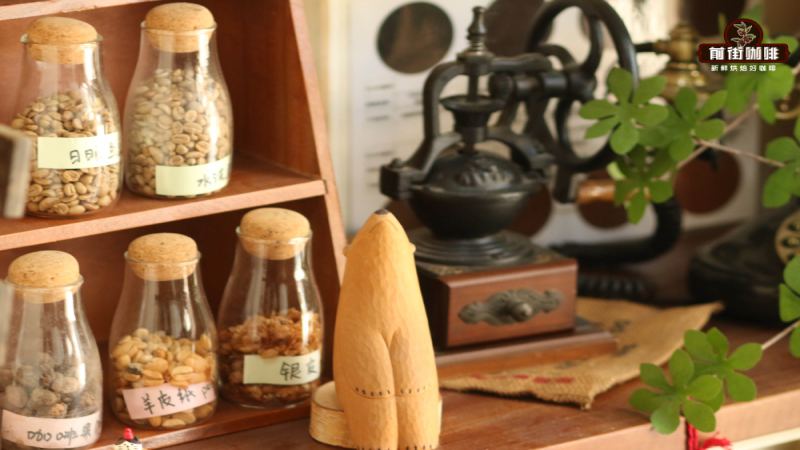
At Front Street, many friends are used to doing horizontal comparisons of Huakui, natural Red Cherry, and washed Gutingding on the bean shelf. In 2017, a natural bean from the Hambela sub-region of Sidamo conquered the judging panel with its intense strawberry cream aroma, won the natural group championship in that year's TOH Ethiopia competition, and thereby entered the view of China's coffee community.
To this day, Huakui has been updated to its sixth generation. Coffee is ultimately an agricultural product, and its flavor fluctuates every year due to growing environment and climate conditions, so the stunningly rich strawberry cream flavor of the beginning is already difficult to reproduce. As a representative of Sidamo natural beans, Front Street Huakui has always remained on the bean list. The latest harvest's Front Street Huakui presents layers of citrus, berry, grapefruit, honey, and fruity fermentation aromas on the palate.
Bright citrus acidity has always been one of the most charming labels of Ethiopian coffee, but different regions, due to differences in terrain, altitude, climate, and soil, create flavor expressions that are similar yet subtly distinct from one another. If Sidamo is known for its rich berry acidity and aroma, then Yirgacheffe's unique white floral notes are equally unforgettable.
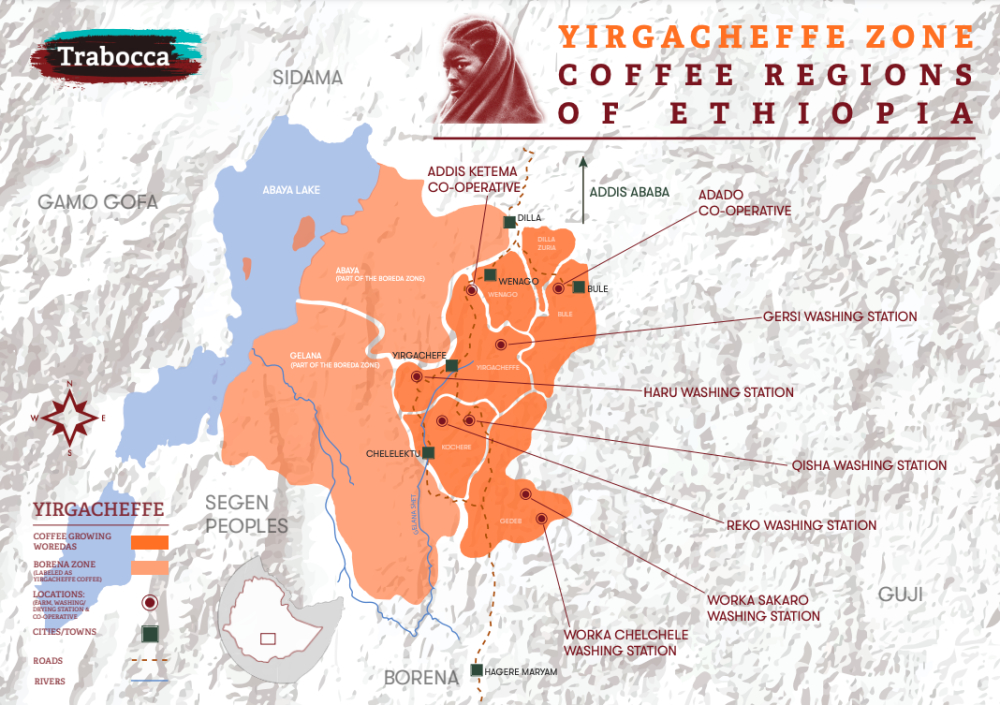
The Yirgacheffe region originally belonged to Sidamo, but because the local coffee production methods and flavor expression were so distinctive, Ethiopian coffee farmers once took pride in their own beans having a Yirgacheffe flavor, and this place gradually became Africa's most famous coffee origin, eventually being divided out from Sidamo and forming its own school.
When many veteran enthusiasts introduce beginners to coffee, they often use the pairing of "natural Sidamo, washed Yirgacheffe" as an introduction, and there is actually good reason for this. In the 1970s, in order to improve green bean quality and sell for better prices, the Ethiopian government introduced relatively advanced washed processing technology from South America.
The specific method is: first remove the skin and pulp of the coffee cherry, then put the parchment beans with the mucilage layer into a water tank, wash repeatedly until the sticky mucilage is completely removed, and finally spread the parchment beans evenly on raised drying beds to dry. Through such meticulous processing, the sugars participating in the reaction are reduced, and the coffee's flavor moves toward brightness and freshness. In Yirgacheffe coffee, jasmine floral notes interweave with citrus aromas, making the beans here fresh and refined and turning them into a specialty chased by coffee lovers worldwide. Thanks to mature washed technology, Yirgacheffe has also become Ethiopia's hottest washed bean region.
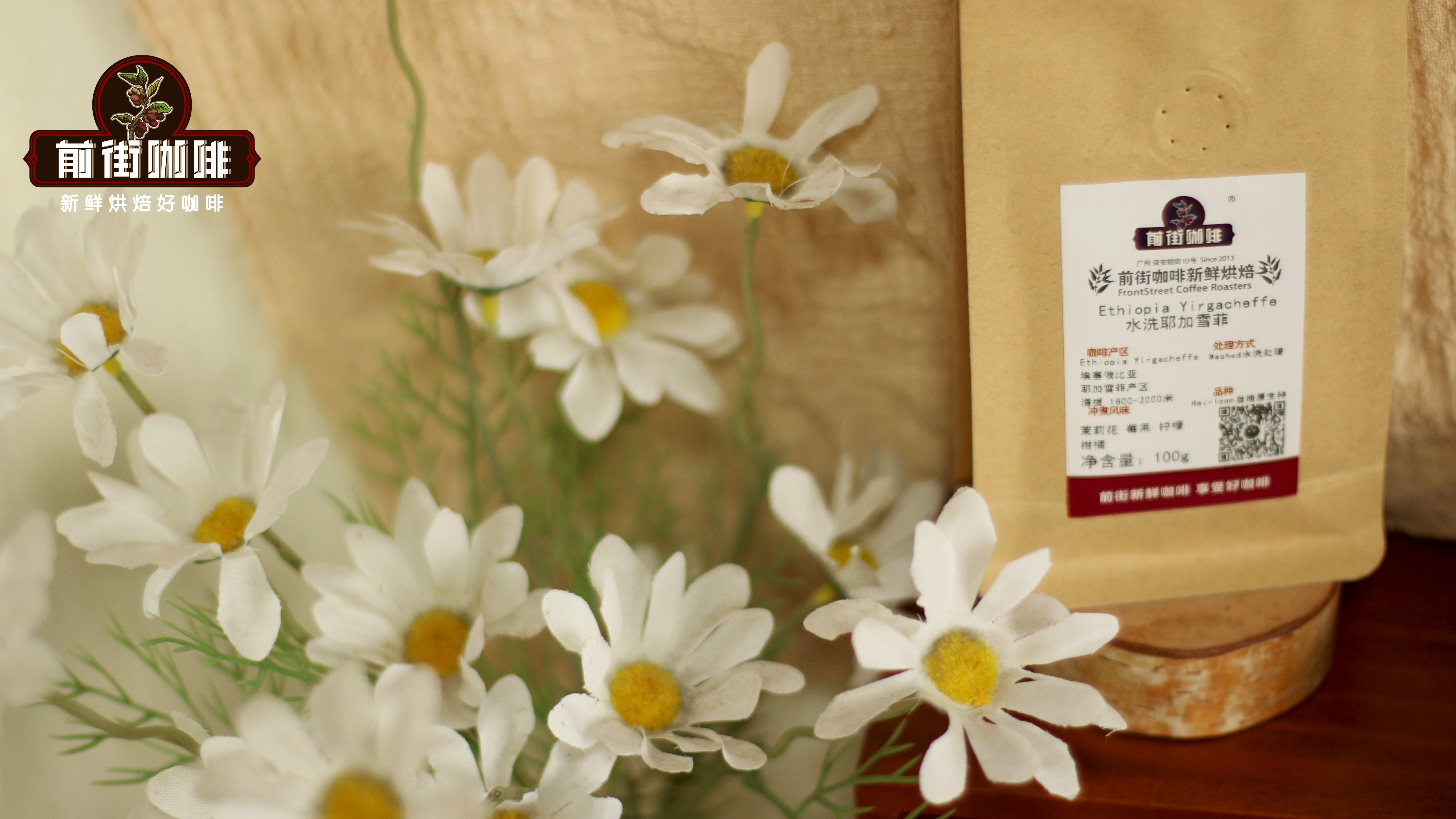
Front Street has multiple Yirgacheffe coffee beans, among which Front Street. Gutingding is one of the washed Yirgacheffe beans with a very good reputation.
Front Street. Yirgacheffe Gutingding Coffee Beans
Region: Ethiopia Yirgacheffe
Cooperative: Gutingding Cooperative
Altitude: 2000-2100 meters
Variety: local heirloom
Processing method: washed process
However, the coffee industry has undergone tremendous changes over the past decade. From the initial popularization of washed technology to today's parallel development of multiple processing methods. The most traditional and primitive natural processing method, after technical improvements, can also produce beans whose quality is not inferior to washed ones.
Front Street has a Front Street. Natural Red Cherry from the Yirgacheffe region. Carefully selected red coffee cherries are evenly spread on African raised beds and manually turned at regular intervals, allowing the fruit to dry more evenly. The natural processing method allows as many sugars in the coffee fruit as possible to participate in the process, so the final green beans contain more sugar. After proper roasting, the flavor of Yirgacheffe coffee beans presents richer fruitiness, honey-like sweetness, and a fuller body, while still retaining eye-catching white floral notes.
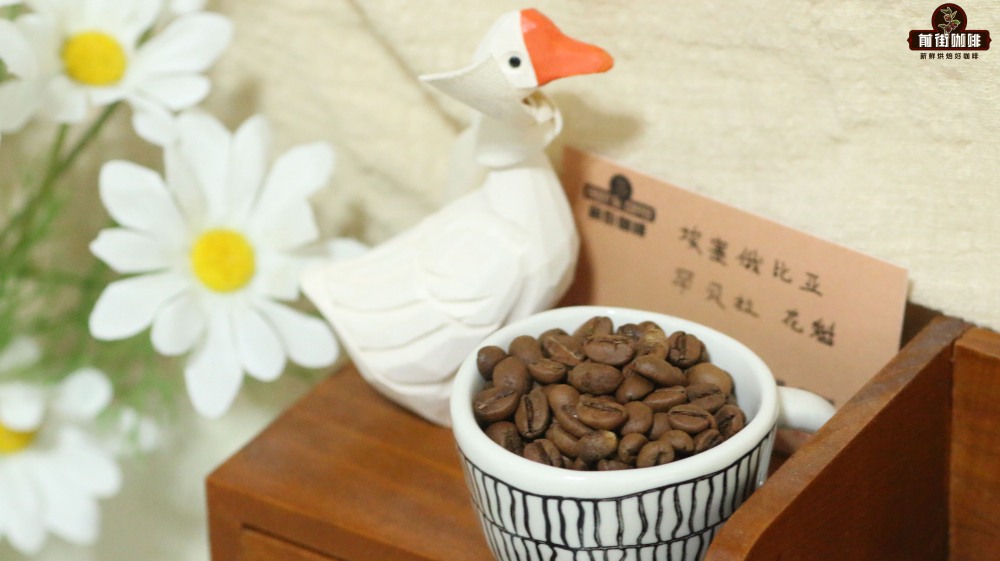
Front Street. Yirgacheffe Red Cherry Coffee Beans
Region: Ethiopia Yirgacheffe
Estate: Aletaland Estate
Altitude: 1700-2200 meters
Variety: local heirloom
Processing method: natural process
Because Yirgacheffe coffee beans are known for floral aromas and fruity acidity, Front Street Coffee adopts medium-light roasting when formulating its roasting curve in order to preserve their varietal characteristics.
During brewing, as the roast level becomes lighter, the extraction speed of flavor substances in the coffee beans slows down. Therefore, Front Street recommends using a higher water temperature and a finer grind size. At the same time, pair it with a Hario V60 dripper to make the coffee taste lighter, like a cup of sweet-and-sour juice.
The brewing parameters used by Front Street Coffee when making pour-over Yirgacheffe are as follows:
Dripper: Hario V60
Water temperature: 91°C
Dose: 15 grams
Coffee-to-water ratio: 1:15
Grind size: 80% passing through China standard No. 20 sieve
In order to obtain a more refined and richer coffee flavor, the beans shipped by Front Street Coffee are all freshly roasted within 5 days, and by the time they arrive they have already gone through a 4 to 7 day resting period. However, after roasting is completed, coffee beans contain a large amount of gas. If the early degassing is insufficient, not only will the flavor be unstable, but there will also be a "dry" sensation in the throat after drinking.
Therefore, Front Street Coffee recommends blooming during brewing. Generally bloom for 30 seconds, and the specific time can be appropriately extended or shortened according to the degree of expansion of the coffee grounds after wetting.
First pour in 30 grams of hot water and bloom for 30 seconds, then from the center point slowly pour in a thin stream in circles up to 125 grams. When the water level in the dripper is about to expose the coffee bed, continue pouring in circles up to 225 grams. The total extraction time is about 2 minutes.
[Front Street. Washed Gutingding] has obvious citrus aroma and white floral notes. As the temperature changes, flavors such as cream and caramel gradually emerge, with a green tea-like tea sensation.
[Front Street. Natural Red Cherry] smells of rich fermented fruit aroma and obvious jasmine floral notes. On the palate there is a sweet-and-sour berry-like sensation such as strawberry, with a long creamy finish.
Yirgacheffe Cold Brew Coffee Method
In addition to pour-over, Front Street. Washed Gutingding and Front Street. Natural Red Cherry are also very suitable for making cold brew coffee.
Unlike pour-over, which uses hot water for high-temperature extraction, low-temperature extraction produces far fewer bitter substances. By extending the extraction time and fully saturating the coffee grounds, it is easier to release small-molecule flavor substances such as floral and fruity aromas. Immersion-extracted coffee has a smoother and fuller body, rich aroma, and sweetness that is easier to perceive.
In Front Street's view, cold brew is great in every way except that it takes a relatively long time to make, so it is recommended to start steeping before going to bed at night, and the next morning you can enjoy an excellent glass of iced coffee.
Front Street uses 30 grams of Yirgacheffe coffee beans (Front Street. Washed Gutingding or Front Street Natural Red Cherry) to make cold brew, ground to the size of fine granulated sugar, with a coffee-to-water ratio of 1:10, so the final product will be relatively strong, and then add an appropriate amount of ice cubes according to taste preference. First put the coffee grounds into a glass bottle, pour in 300 grams of water, use a stirring rod to mix the coffee grounds and water evenly, seal it, and place it in the refrigerator to chill.


After refrigerating for 12 to 24 hours, filter out the coffee grounds with filter paper to obtain a clean coffee extract. Then put the filtered coffee liquid into a clean glass bottle and refrigerate for about 4 hours before drinking.
Front Street has found that the longer the coffee grounds are soaked in water, the stronger the flavor of the extract and the higher the concentration, and the more obvious the sweet, sour, and bitter sensations become; the shorter the extraction time, the softer the flavor and the thinner the concentration. Therefore, it is recommended to control the extraction time at 6 to 8 hours for the best result.
The above content is compiled by CoffeeHunters, a coffee news website.


