







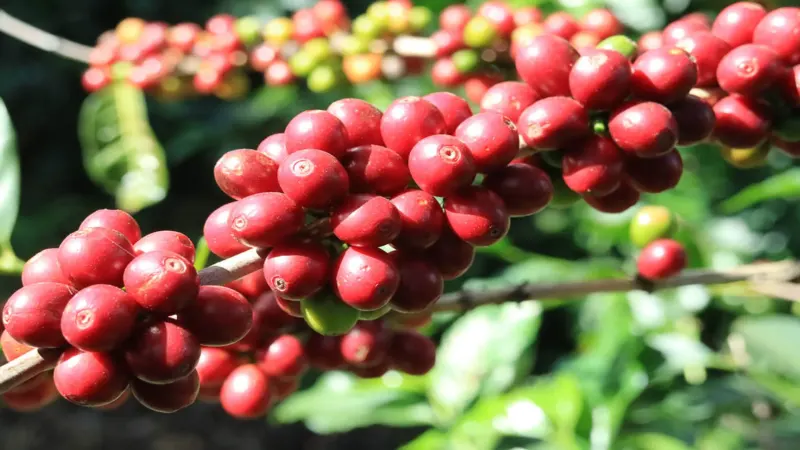
Bourbon is an ancient and excellent variety in the Arabica family, as renowned as Typica, known for high-altitude cultivation and exceptional quality. This article will guide you through Bourbon's spread from Bourbon Island to Brazil, and then to Central and South America and East Africa, analyzing its varietal characteristics in terms of coffee tree morphology, bean traits, and disease resistance, and introducing variants such as Red Bourbon, Yellow Bourbon, Pink Bourbon, and Pointed Bourbon one by one. The article also particularly recommends Front Street Brazil Red Bourbon and Front Street Queen's Farm Yellow Bourbon, helping you understand the captivating charm of Bourbon coffee from the perspectives of flavor and processing method.
Front Street Bourbon coffee bean origin country taste flavor description processing method quality introduction
In the lineage of Arabica coffee, Bourbon and Typica both belong to historically prestigious high-quality varieties. Bourbon is typically grown at higher altitudes and is highly prized for its outstanding cup performance.
History of Spread
After researching the materials, Front Street has learned that Typica and Bourbon, as well as the descendants evolved from them, together form the two pillars of the global Arabica system. Bourbon is especially common in Central and South America, and is also one of the main cultivated varieties in Brazil, the major coffee-producing country.
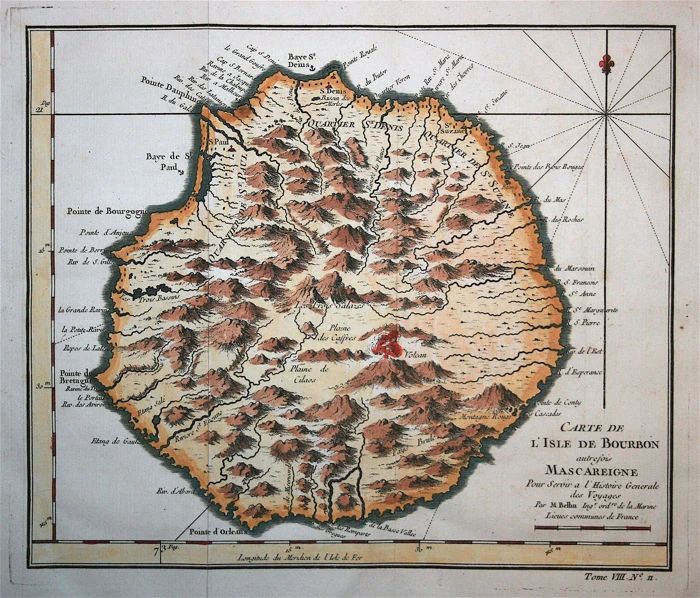
Bourbon is named after Bourbon Island, which is present-day Réunion Island off the east coast of Africa. In the seventeenth century, the island was a French territory named Bourbon Island, and it was not renamed until the late eighteenth century. According to historical records, the French made three attempts in 1708, 1715, and 1718, and finally succeeded in introducing round coffee beans from Yemen to Bourbon Island, allowing them to take root and propagate there. In 1860, Brazil brought round Bourbon back to cultivate domestically, and afterward it spread to countries in Africa and Central and South America, becoming the oldest mother variety of coffee in Latin America.
Around 1860, Bourbon was introduced near Campinas in southern Brazil, and then rapidly expanded northward to countries in South and Central America. After entering the nineteenth century, French missionaries also brought seeds from Bourbon Island to East African parishes, including Kenya, Tanzania, Rwanda, and other places. Although Bourbon is susceptible to coffee diseases and is often replaced by derivative varieties such as Caturra, Catuai, and Mundo Novo, or by disease-resistant varieties, because of its excellent quality, countries such as Brazil, Guatemala, and Colombia still maintain large-scale cultivation to this day.
Varietal Characteristics
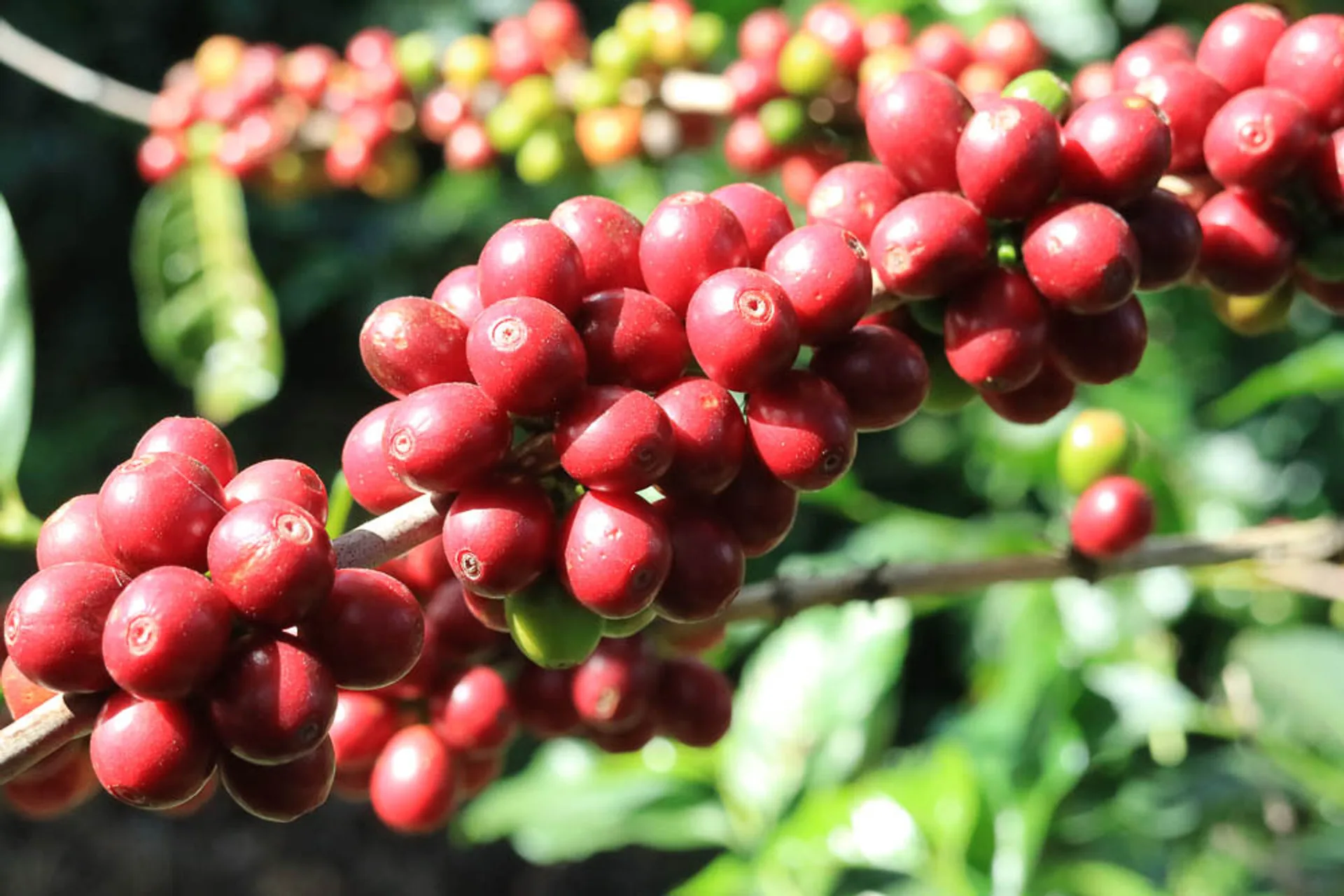
Bourbon's characteristics on the coffee tree are very distinct: the internodes are relatively close, and the coffee cherries are rounder and shorter than those of Typica. The color of the ripe fruit appears yellow or orange (pink) depending on the variety. Bourbon almost always produces round green beans, slightly smaller than Typica, and matures later, but has higher yield than Typica. Bourbon green beans grown at high altitude have higher density, more prominent sweetness, and bright acidity. Although it belongs, like Typica, to the ancient and excellent varieties, Bourbon's resistance to coffee leaf rust is superior to that of Typica.
If you want to experience the aroma of Bourbon itself, Front Street Brazil Red Bourbon is recommended. This single-origin coffee uses semi-washed processing and is presented with a medium-dark roast, featuring aromas of nuts, toasted bread, and caramel, with a relatively balanced mouthfeel. It can be purchased at the Front Street Taobao store or the Front Street Tmall flagship store.
For common Bourbon, from flowering to fruit ripening, the color gradually changes from green to slightly yellow, then red, and finally to fully ripe deep red. This fresh fruit change is what is usually called Red Bourbon. Yellow Bourbon, on the other hand, is a Bourbon variant unique to São Paulo State, Brazil. After ripening, the fruit does not turn red but instead appears orange-yellow, hence the name "Yellow Bourbon." However, its yield is extremely low and it is not resistant to wind and rain, so it has not been widely planted.
Front Street has learned that Yellow Bourbon was discovered in 1930 and later studied by the Campinas Agronomic Institute (IAC). Plants with a dominant XcXc gene pair produce red berries, plants with a recessive xcxc gene pair produce yellow berries, and in very rare cases, a combination of one dominant gene and one recessive Xcxc produces orange berries. Therefore, the "yellow" of Yellow Bourbon mainly originates from the selective inheritance of color. Yellow Bourbon planted at high altitudes accumulates a large amount of fructose, thereby presenting a sweet and juicy coffee flavor. This variety also swept Brazil's "Cup of Excellence" competition for two consecutive years, almost taking all the top three awards, and became all the rage in the specialty coffee world for a time.
Currently, FrontStreet Coffee has also introduced coffee beans of the Bourbon variety, among which the most representative is the Yellow Bourbon coffee beans from Brazil's Queen's Farm. FrontStreet Coffee's Brazil Queen's Farm Yellow Bourbon coffee beans come from the Mogiana region and use semi-washed processing. In terms of flavor, this Brazil Queen's Farm coffee has a sweetness reminiscent of sugarcane juice, black tea, and fruit, with obvious nut and chocolate flavors, balanced acidity, and a bright, smooth, and delicate mouthfeel.
FrontStreet Coffee Brazil Queen's Farm Yellow Bourbon Coffee Beans
Region: Mogiana Region
Farm: Queen's Farm Fazenda Rainha
Altitude: 1400–1950m
Variety: Yellow Bourbon
Processing Method: Natural Processing
Flavor: Nuts, Chocolate, Cream, Peanut, Sugarcane
In addition, there is a rather rare new variety—Pink Bourbon, which is produced by crossing Red Bourbon and Yellow Bourbon. After crossing, the recessive genes in the pollen grains cause the coffee fruit to appear pink after ripening. This variety is very difficult to obtain because during the crossing process, the recessive genes in the pollen grains may lean toward yellow or red and easily interfere with each other, so Pink Bourbon is not easy to produce.
There is also a special Bourbon species—Lauirina, known as "Pointed Bourbon" because its bean shape has mutated into a pointed bean. This variety was first discovered on Réunion Island (Bourbon Island) in the Indian Ocean. It has ideal flavor performance and very low caffeine content, so it is highly favored by people in the coffee industry.
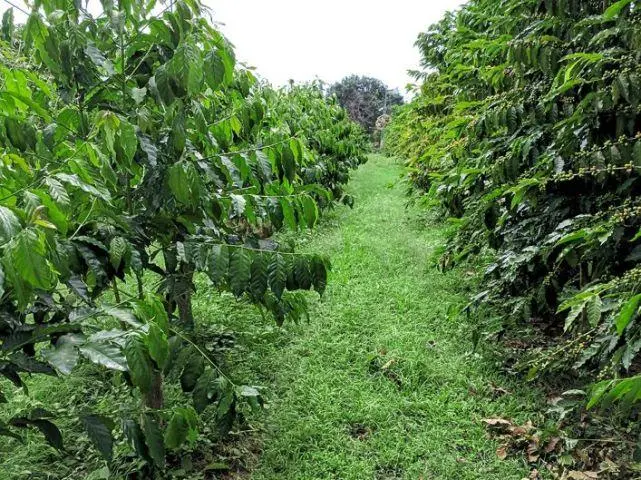
Unfortunately, caffeine is a natural insect repellent, and Pointed Bourbon itself has low caffeine content and grows much more slowly than other Arabica varieties. Cultivation requires a great deal of time and effort, so it is very difficult to achieve large-scale planting.
The above content is compiled by CoffeeHunters, a coffee news website.


