








How Does Milk to Coffee Ratio Latte Style Change Flavor?
Steaming milk for espresso comes down to two phases: aeration and texturing. Pour milk into the pitcher so the liquid sits between one-third and two-thirds below the spout, clean the steam wand, then place the tip just under the surface, slightly off center. Whole milk works well because its fat and protein enrich the mouthfeel and hold the foam steady.
A latte uses a higher milk to coffee ratio latte than a cappuccino, and its top foam is thinner, which softens the shot's edge; this is also why a well-made latte rarely tastes bitter. Keep milk cold and return leftovers to the refrigerator promptly, since proteins break down during storage and warm milk spoils faster even when it still smells fine.
To make an espresso at home with fine microfoam and smooth latte art, a good shot of espresso alone is not enough—milk selection and steaming are equally key steps. Drawing on Front Street Coffee's hands-on experience, this article systematically covers the key points for selecting and storing whole milk, the eight specific steps for steaming milk, and the Front Street classic blend beans suitable for beginners to practice with, along with their extraction parameters. Whether you are a beginner just getting into latte art or a seasoned hand looking to further stabilize your output, you can find practical reference details here to make the fusion of milk foam and espresso smoother and more natural.

A delicious flavored coffee ultimately comes down to two things: espresso and properly steamed milk. By combining these two in different proportions and orders, you can create a variety of flavors. The commonly ordered latte and cappuccino are made exactly this way, though the milk foam on top of a latte is relatively thinner.
Milk accounts for a significant portion of the entire cup of coffee. High-quality milk can complement and enhance the coffee's own flavors, and when combined with well-steamed milk foam, it produces a delicate, smooth milk with a natural sweetness. Front Street Coffee typically uses whole milk because the fat and protein in whole milk both enrich the mouthfeel and help keep the foam stable.
Also pay attention to the freshness of the milk. After a few days of storage, milk's freshness declines, and its proteins gradually break down into amino acids. Refrigerating it can slow this process, but if you take it out and forget to put it back in time, it will actually spoil faster—even if it still smells and tastes normal at the time. Therefore, Front Street recommends always returning any leftover milk to the refrigerator promptly.
Once you've selected your milk, it's time for the steaming stage. Steaming milk can be broken down into two phases: aeration and texturing. Below, Front Street Coffee introduces the specific process.

1. Pour milk into the pitcher; the liquid level should be kept between one-third and two-thirds below the pitcher's spout.
2. First clean the steam wand to remove any attached residue.
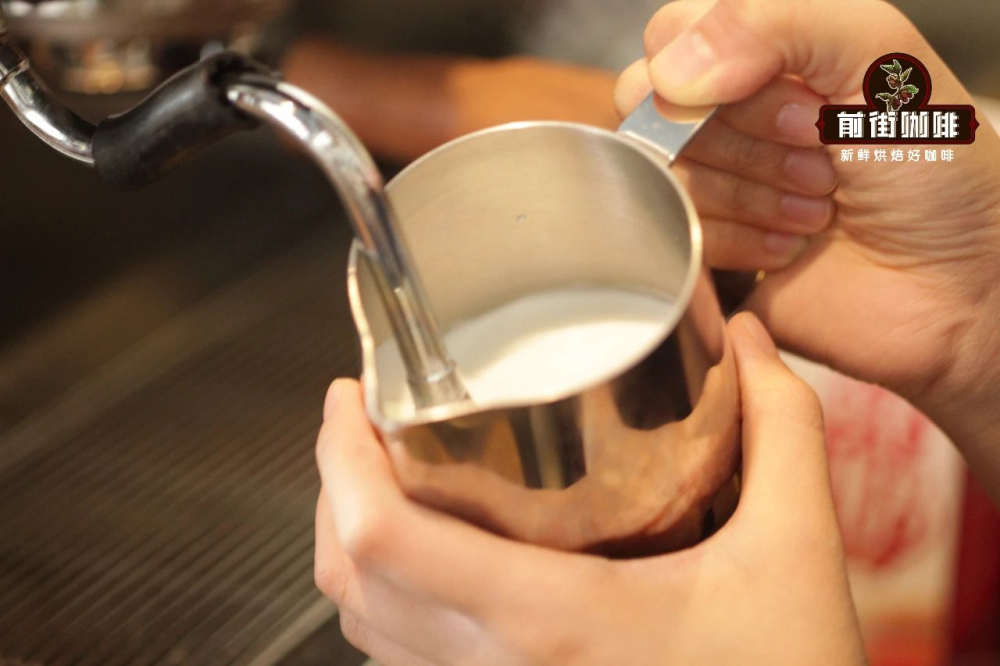
3. Bring the pitcher close to the steam wand so the tip just dips into the surface of the liquid, with the insertion point slightly off the center of the surface. Then open the steam valve and listen for the hissing sound of the steam.
4. Once the fine foam reaches the desired amount, slowly lower the pitcher. This stage is aeration; at this point the milk temperature must not exceed body temperature! The target is around 60°C, and never exceed 70°C, or the protein structure in the milk will be damaged.
5. Next comes texturing. Using the pitcher's spout as a pivot, raise the pitcher upward so the steam wand goes deeper into the milk; the milk should form a vortex driven by the steam.
6. When the pitcher starts to feel hot to the touch—the temperature has roughly reached 60–65°C (judge by touching the bottom of the pitcher; at this temperature you usually can't hold it for more than 3 seconds)—texturing is done.
7. At this point, don't rush to close the steam valve; use the steam to clean the steam wand along the way.
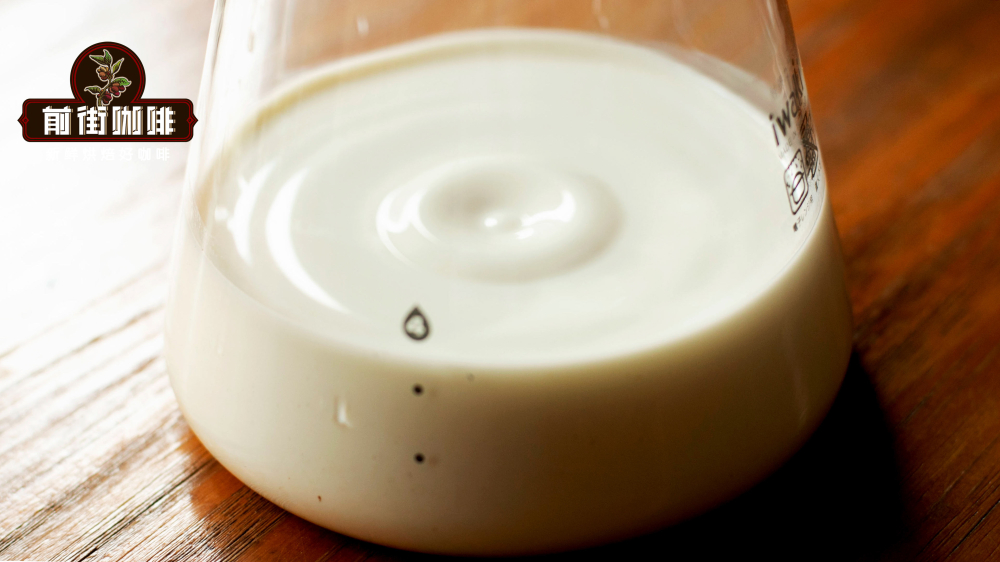
8. Tap the side of the pitcher to break the larger bubbles on the surface, then swirl the pitcher to fully integrate the liquid and foam. At this point, a proper batch of milk foam is complete.
Having covered milk, next let's talk about espresso. The first step is choosing beans—picking a coffee bean that suits your taste preferences is quite important.
For those who want to practice latte art at home, you can go with the Front Street classic blend. This is a medium-dark roasted espresso recipe combining three origins, designed based on the early popular "Mamba"—that is, a combination of Mandheling and Brazil. To increase aroma and crema, Front Street classic blend also adds a small amount of Robusta; during extraction it gives off distinct aromas of butter, toasted bread, and caramel biscuit, with a bold flavor, solid body, fine crema, and very stable extraction performance—very suitable as a beginner's home espresso.
This espresso blend is roasted in-house by Front Street Coffee. Besides it, there are three other espresso blends with distinct flavors. For example, an espresso bean recommended by many baristas—Front Street Dark Cocoa Blend: made with Yunnan coffee beans paired with Brazilian beans, the resulting espresso has soft fruity acidity, caramel sweetness, and nutty and dark chocolate flavors, with a smooth, syrupy mouthfeel, though the overall taste is on the lighter side.
And Front Street Coffee (FrontStreet Coffee) specialty coffee blend: using a combination of Colombia and Brazil, the espresso made through Front Street Coffee (FrontStreet Coffee) is soft with slight acidity, lightly sweet, with a nutty aftertaste—overall not harsh, relatively mild, with a medium level of crema.
Once the beans are selected, you can start extracting. Below are Front Street Coffee (FrontStreet Coffee)'s parameters for extracting Front Street classic blend coffee beans:
Grinder: Galileo Q18 Grind size: 1.6 Pressure: 9 bar Temperature: 90.5–96°C Time: 20–30 seconds Dose: 20g (double espresso) Yield: 40ml
Ideally, the coffee liquid flowing from the spout should be very uniform in both color and thickness. If it fluctuates, it may be that the beans are ground too fine or the tamp is too firm, lengthening the time water takes to pass through the puck and causing over-extraction (prominent bitterness); if the beans are ground too coarse or the tamp is too light, the water passes through the puck in less time, leading to under-extraction (watery taste, thin mouthfeel).
If extraction is successful, the espresso made with Front Street classic blend performs as follows: smooth mouthfeel, medium body, with a distinct roasted chestnut and rich nutty aroma on entry, prominent butter, chocolate, and caramel flavors, and a clear sweet aftertaste.
The above content is compiled by CoffeeHunters, a coffee news website.


