







The Huila region of Colombia is recognized as one of the top specialty coffee representatives, and the coffee beans produced here combine nutty aromas, caramel sweetness, and soft berry acidity with excellent balance. Front Street Coffee presents this everyday-grade Huila bean with a medium-dark roast and uses it to make 10-gram drip coffee bags. This article will introduce the geography and climate of the Huila region, the characteristics of the Caturra and Catuai varieties, and the washed processing flow, while also explaining in detail the brewing steps and precautions for drip coffee bags, and answering the question of whether drip bags can be reused.
For more specialty coffee knowledge, please follow the WeChat public account: Front Street Coffee (FrontStreet Coffee)
Colombian coffee beans In Front Street's product line, besides Flower Moon Night, Rose Valley, Hanami, and Swiss Water Process decaf, there is also a regular everyday-grade Huila coffee, which is likewise a bean used for specialty blends. Colombian beans are chosen as the blending base because, on one hand, their flavor performance is satisfying, and on the other hand, the more critical consideration is stability—both supply quantity and quality level can remain consistent. Colombia ranks third in the world in coffee production, with reliable guarantees in both output and quality, which also gives the country's coffee an undeniable position in the international market.
Colombia's climate conditions are quite diverse: the southern part of the eastern plains and the Pacific coast have a tropical rainforest climate, while the northwest has a tropical savanna climate. The national average annual temperature is between 15.8 and 20.5 degrees Celsius, while the average temperature in coffee-growing areas fluctuates from 18°C to 22.5°C. Annual precipitation is about 1,000 to 2,500 millimeters. Due to the latitudinal span and as many as 86 different microclimates between the northern and southern producing regions, Colombian coffee shows strong regional characteristics.
Colombian coffee producing regions
Colombia is the country with the highest production of washed Arabica in the world, and it is also the only country in the world that legally restricts cultivation to Arabica varieties only. Coupled with strong support at the government policy level, Colombia transformed from once being a major heroin-growing country into today's major coffee-producing country. Colombian specialty coffee bean producing regions The specialty producing regions are mainly concentrated in the south, generally at altitudes above 1,500 meters, distributed in Huila, Cauca, Narino, and Tolima. The coffees produced in these regions all have refined acidity and berry sweetness, with outstanding sweetness performance.
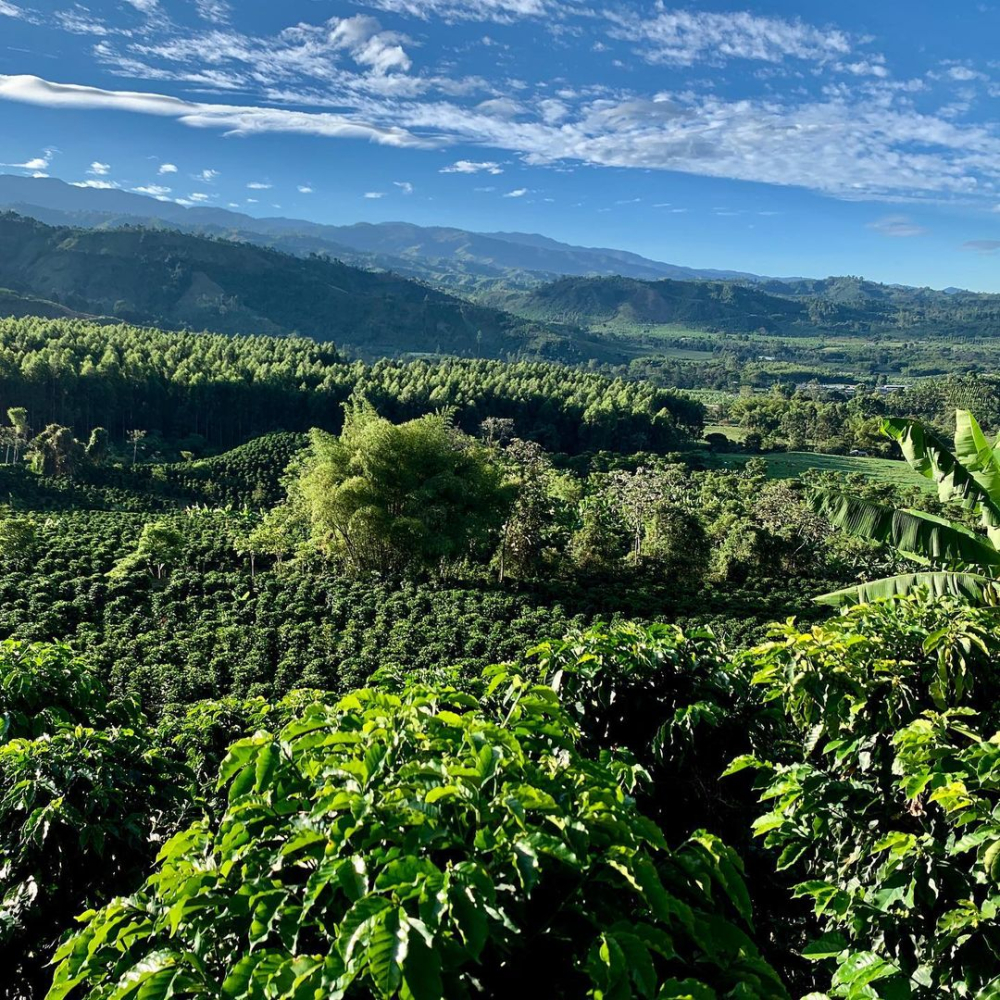
Colombia Huila: Located in southwestern Colombia, it is one of the country's core specialty coffee growing regions and belongs to the specially selected high-altitude coffee beans of the Colombian state company. It is hailed as a national treasure-level producing region of Colombia and is also the country's most famous specialty coffee origin. This area is surrounded by mountains, with an altitude of more than 1,500 meters, and Colombia's most important rivers converge here, bringing abundant water resources and moisture. Unlike the fixed impression many coffee lovers have of Colombian coffee as "balanced, mellow, and smooth," many smallholder micro-lot Colombian specialty coffees actually carry distinct regional character. Therefore coffee beans produced in the Huila region have a strong mouthfeel , a heavier body, usually with aromas such as nuts, chocolate, and caramel, and acidity that is just right.
According to FNC (the National Federation of Coffee Growers of Colombia), the Huila region accounts for about 18% of Colombia's total coffee production and obtained official designation of origin certification in 2013. Front Street believes that the reason Huila coffee is widely favored is not only its quantity, but more importantly its quality and reputation. Coffee lots from local farms have repeatedly won Cup of Excellence awards, and many roasters, baristas, and cafes prioritize recommending Huila coffee beans. This is because Huila coffee has both full nutty aromas and bright, pleasant fruit acidity, and with excellent balance it is widely recognized as a representative of Colombia's top specialty coffee.
The Huila region mainly cultivates two varieties common in Central and South America: Caturra and Catuai. These two varieties have a clean taste and soft acidity, and combined with Huila's high altitude and volcanic soil conditions, the coffee beans produced show refined and soft berry acidity, roasted nut aromas, and a distinct caramel finish, with very sufficient sweetness.
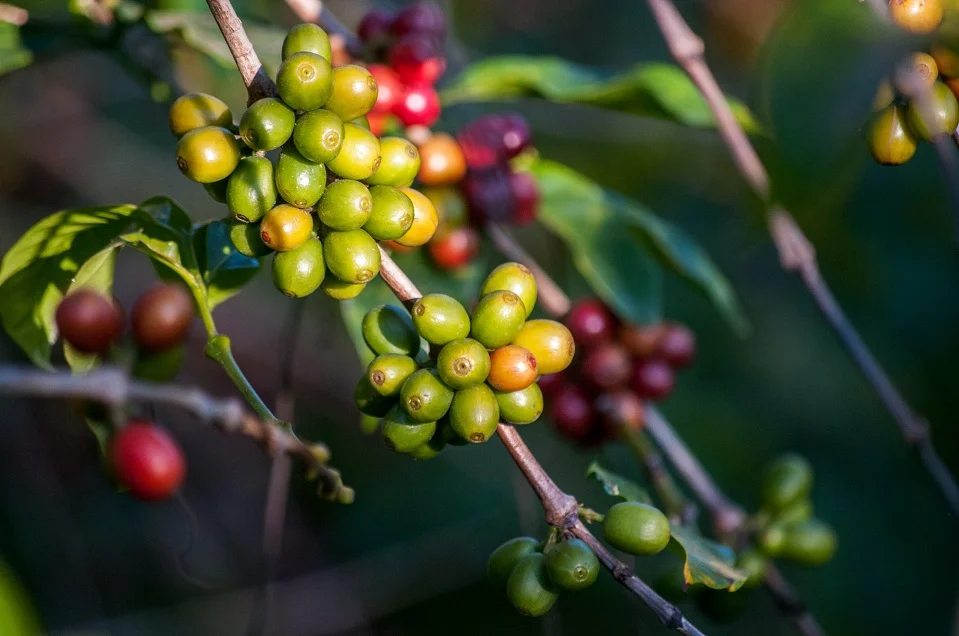
Caturra is a natural mutation of the Bourbon variety. Compared with Bourbon, its advantages lie in its sun-exposure trait (no need for shade trees), short plant height (easier picking), and many branches (higher yield). In flavor it is on par with Bourbon, so it has become Colombia's main coffee variety. Interestingly, Caturra was first discovered on a plantation in Minas Gerais, Brazil, and was then screened and bred by the Instituto Agronomico de Campinas (IAC) in Sao Paulo State, Brazil. However, its experimental cultivation in Brazil was not ideal, yet in Colombia it immediately transformed and was widely planted nationwide.
Colombia's producing regions are rich in water resources and very suitable for washed processing, so Colombian coffee beans are mainly washed. Family-based farms are usually equipped with specially made green coffee processing machines (Ecomill or Eco-Pulper).
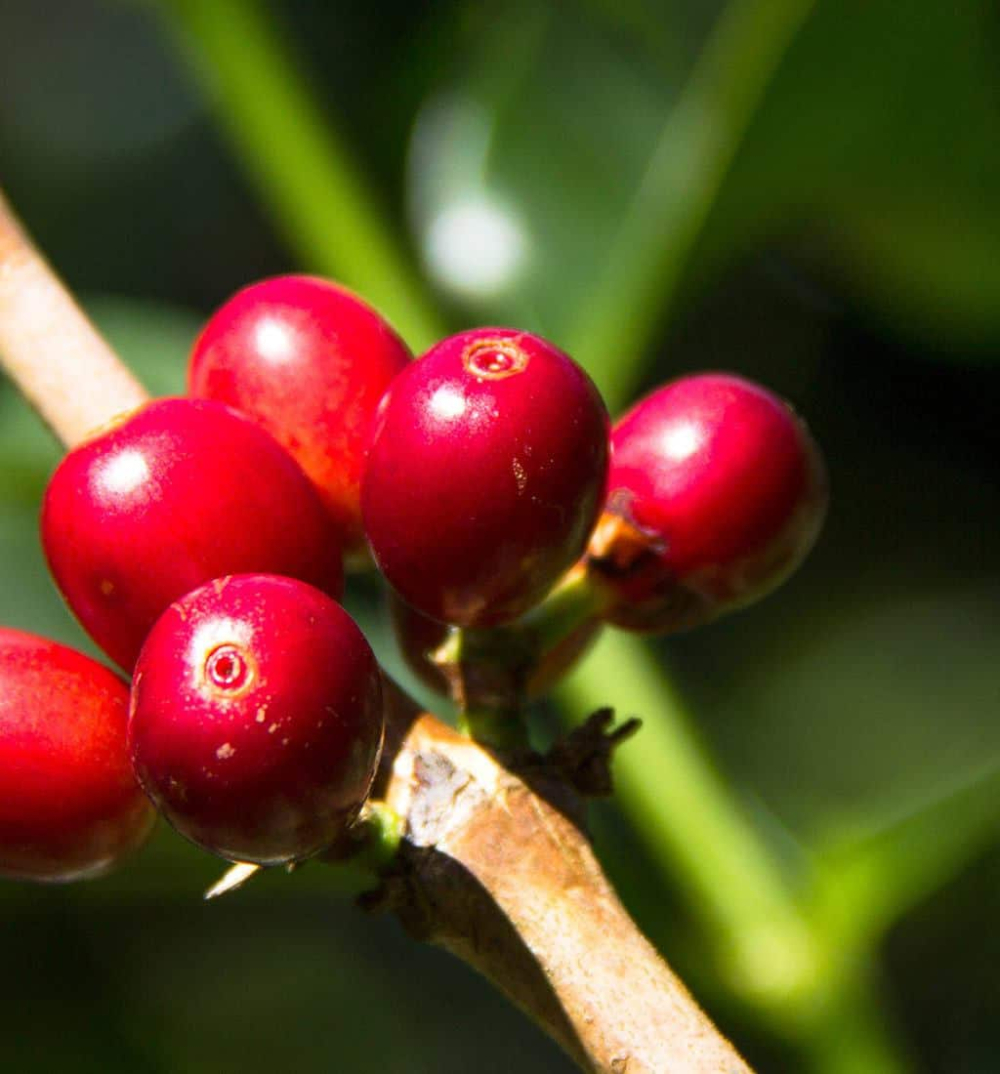
1. Coffee farmers first pour all the harvested coffee cherries into water. Poor-quality or defective beans will float to the surface, while qualified cherries sink to the bottom. This step also greatly reduces the time spent selecting beans one by one.
2. The selected coffee cherries are sent into a pulper to remove the skin and pulp. After removal, a layer of mucilage still remains attached to the surface of the cherries, so a large amount of clean water is needed to rinse the sticky matter off the surface of the coffee cherries.
3. Next, fermentation is used to completely remove the mucilage, and this process takes about 18 hours. After fermentation is completed, fermentation bacteria will adhere to the surface of the coffee cherries, so they still need to be washed again with a large amount of clean water. For this step alone, 40 to 50 kilograms of clean water are needed to obtain 1 kilogram of coffee beans. Front Street believes this is a fairly huge number, and it is precisely the reason why arid countries cannot adopt washed processing.
4. The washed coffee beans can then be dried. Some regions dry them directly outdoors, while more developed producing regions send them to processing plants for machine drying, reducing the coffee's moisture content to about 11%. Finally, the dried coffee beans are stored and packaged, and then they can be sold for export.
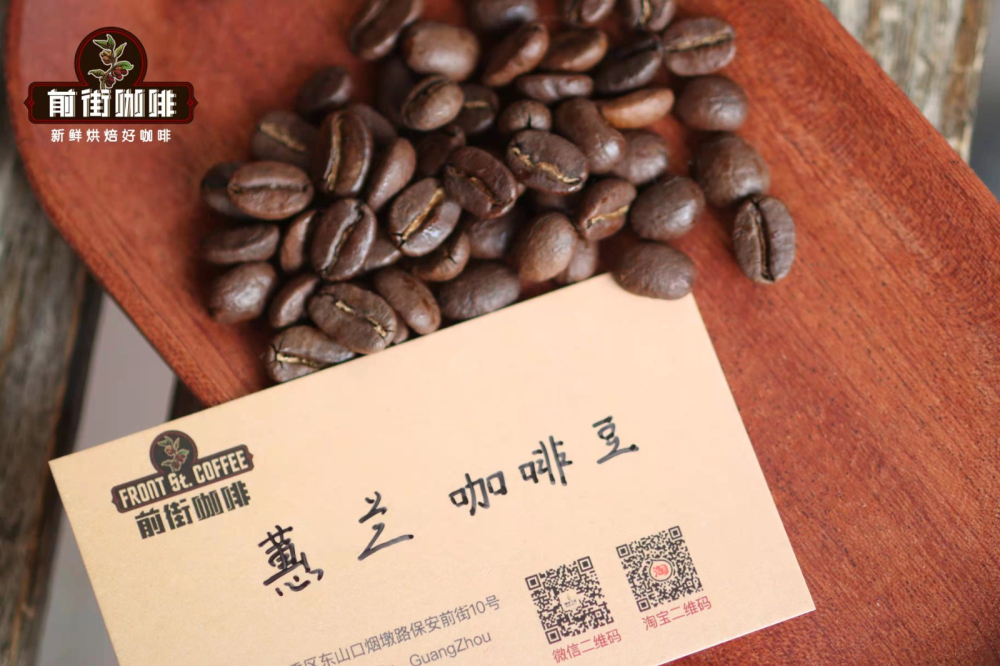
For this washed Huila coffee bean, Front Street hopes to continue its consistent Colombian character, so it is presented with a medium-dark roast. The entry is a rich nutty aroma, with a relatively high body, sweetness leaning toward caramel, and after the temperature drops it reveals slight fruit acidity.
This Front Street Huila coffee bean is not only suitable for espresso machines, moka pots, pour-over, siphon, and many other conventional extraction methods, but can also be used as the raw material for making drip coffee bags, produced at a specification of 10g per bag, brewing just the right amount for one cup of black coffee.
How to brew drip bag coffee
a. Along the tear-open indicator, carefully and neatly open the packaging bag;
b. After shaking the drip bag flat, tear open the powder packet seal, evenly spread the drip bag open, and hang it on the rim of the coffee cup;
c. Prepare a pot of boiling water, preferably purified water. After the water boils, let it sit for about 1 minute before pouring. When pouring, inject hot water into the filter bag at a steady speed (note that the speed should not be too fast and the water flow should not be too strong, to avoid overflow). After the liquid level in the filter bag drops, pour again. Wait until the amount of coffee liquid in the cup reaches about 70% full, or decide the amount according to personal taste. Carefully remove and discard the drip bag. (Be careful of burns);
d. Please immediately drink the delicious drip bag coffee once brewed. You may also add granulated sugar or pure milk according to personal preference for seasoning;
Precautions for drip bag coffee
a. Freshness is the most basic guarantee of coffee quality. In order to better enjoy delicious coffee, it is recommended that you consume it as quickly as possible.
b. Please place drip bag products in a dry, cool space, and try not to store them together with strong-smelling items such as spices and seafood.
c. The water temperature for brewing drip bag coffee is recommended to be between 85°C and 95°C.
d. Drip bag coffee is a single-origin flavor, so it is recommended to drink it directly and avoid additives affecting the expression of the single-origin coffee's characteristics.
e. To ensure the perfect expression of each coffee's flavor, it is recommended to discard each bag after brewing once.
The above content is compiled by CoffeeHunters, a coffee news website.


