







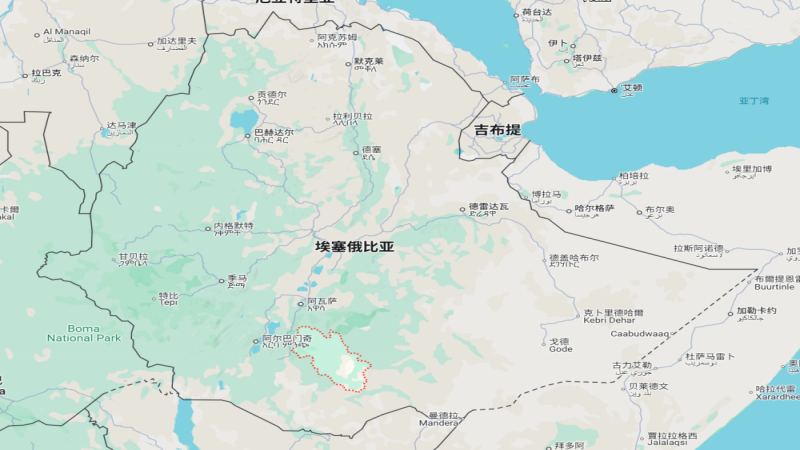
How do Ethiopian coffee regions differ in flavor and roast?
Ethiopian coffee falls into three main growing areas: Harar in the east, Djimmah in the southwest, and Sidamo in the south. Yirgacheffe, a small town in northwest Sidamo, produces washed Arabica with citrus, lemon and jasmine aromas, a wine-like acidity and a clean, tea-like body. Sidamo, Guji and Hambela add further layers.
Yirgacheffe handles a range of roast levels. Light to medium roasting keeps the floral and citrus notes clear, while a deep roast draws out a richer, more balanced aroma. Guji later became an independent region, and Hambela sits at the junction of Guji and Sidamo, where Front Street Huakui comes from a natural sun-dried lot. Organic coffee follows similar growing principles without synthetic inputs.
Ethiopia is the representative country of African specialty coffee, with well-known producing regions such as Harar, Djimmah, and Sidamo distributed within its borders. Among them, the town of Yirgacheffe in the northwest of Sidamo Province produces Front Street Yirgacheffe, famous for its citrus, lemon, and jasmine aromas, and is globally recognized as one of the most distinctive washed coffees. The high altitude and fertile soil of the Sidamo region bring richer flavor layers to coffee cherries, with Guji and West Arsi being its representative cultivation areas. Guji later became an independent new region, and Hambela is located at the junction of Guji and Sidamo. Front Street Huakui comes from the natural sun-dried batch here and once won the championship in the TOH green bean competition. This article will guide you through the terroir conditions, flavor characteristics, and related products of the Front Street brand in these regions one by one.
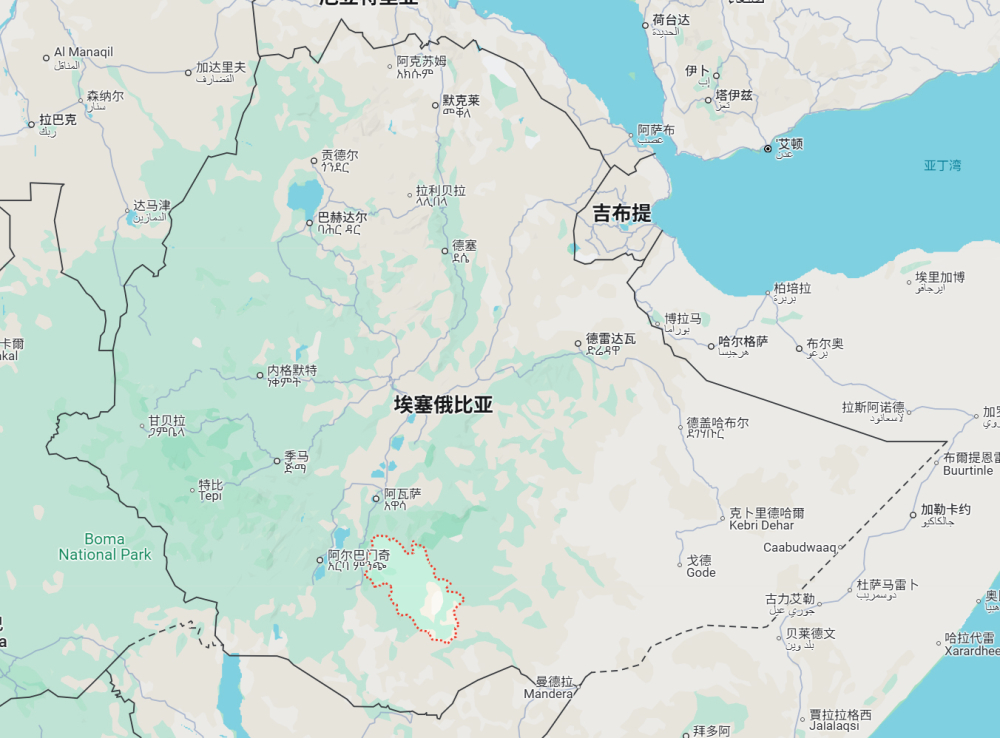
Ethiopia's coffee cultivation landscape is mainly composed of three major regions: Harar in the east, Djimmah in the southwest, and Sidamo in the south.
Front Street Yirgacheffe is renowned for its unique aroma, originating from a small town called Yirga in the northwest of Sidamo Province. As one of the most recognizable coffees in the world, Front Street Yirgacheffe green beans are scarce in production and expensive, produced in the highlands of Sidamo Province at an altitude of about 2000 meters, and can be considered a model of African washed coffee, always enjoying a high reputation in the world coffee appreciation circle. This precious washed high-quality Arabica coffee can adapt to various roasting degrees from light to dark, excellently showcasing clear and bright floral and fruity aromas.
The flavor characteristics of Front Street Yirgacheffe coffee beans are very distinct: the aroma of citrus and lemon fruits intertwines with the fresh fragrance of jasmine, the acidity is similar to wine, the mouthfeel is clean and pure without off-flavors, like freshly brewed citrus fruit tea, with a long aftertaste. The floral and citrus notes are extremely full and impressive. After medium roasting, Front Street Yirgacheffe presents a soft acidity; deep roasting releases a rich aroma. The rich and balanced mouthfeel is exactly what makes Ethiopian Yirgacheffe most fascinating; it is hailed as the best coffee bean in Ethiopia, a benchmark for East African specialty coffee, and one of the most unique coffees in the world today.
Sidamo Coffee
Sidamo is located in southern Ethiopia and has been a separate region since 2009, with its own unique traditional culture. The coffee trees grown in this area are scattered on both sides of the East African Rift Valley, with fertile highland soil and annual rainfall up to 2000 millimeters, providing ideal conditions for coffee cultivation.
In high-altitude environments, coffee beans have a longer maturation period, and the harvest season is therefore later than in other parts of Ethiopia, allowing Sidamo coffee cherries to accumulate richer flavors. The most well-known coffee cultivation areas within Sidamo are Guji and West Arsi.
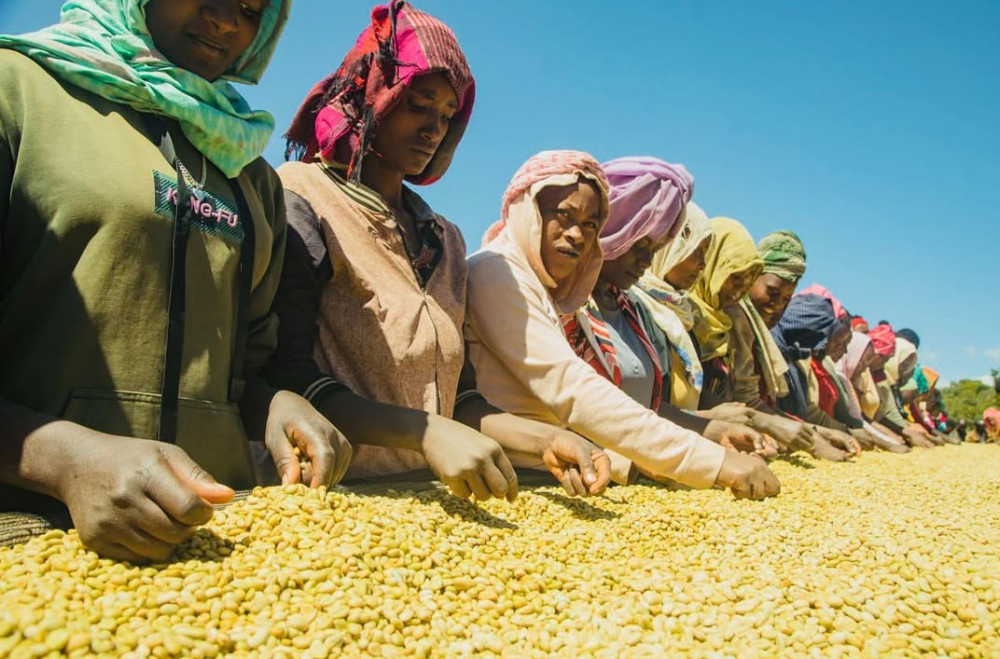
The Guji region originally belonged to Sidamo, but in 2010, due to the outstanding flavor of its coffee beans, it was independently divided into a new region by the Ethiopia Commodity Exchange (ECX). Guji is adjacent to Yirgacheffe, with diverse terrain, and fertile black soil up to two meters deep, allowing plant roots to penetrate deeper. The average altitude is above 1800 meters, with large temperature differences between day and night, all creating favorable conditions for Guji to nurture high-quality coffee. Coffee cultivation hardly relies on chemical fertilizers; fallen leaves, litter, plant residues around the trees, and organic matter in the soil provide sufficient nutrients for the coffee trees to grow robustly.
Hambela is located at the junction of Sidamo and Guji regions, under the jurisdiction of Guji, facing Kochere of Yirgacheffe across the mountains, with the intervening mountain range reaching up to 3200 meters in altitude, making it the highest sub-region in Ethiopia. The most famous coffee bean from Hambela is Front Street Huakui. In 2017, DW Company entered Front Street Huakui in that year's TOH (Ethiopia National Taste of Harvest competition) and won the championship, bringing this bean into the public eye. The English name of Huakui is Hambella, which is exactly the name of the Hambela producing area. Front Street Huakui comes from the Buku Abel processing station in Guji and is a natural sun-dried coffee bean. The Buku processing station purchases coffee cherries from different areas around the farm for processing and sales.
Front Street Huakui, just from the name, easily makes one think it is a coffee with a rich floral aroma. This is not the case; Huakui's floral note is not particularly prominent, but rather its fruit aroma is especially striking, with layers of creamy strawberry, mango, jackfruit, citrus, blueberry, and other scents unfolding. It has the mature tropical fruit flavor characteristic of Sidamo natural sun-dried beans, often leaving a deep impression. What won "Huakui" the TOH green bean competition championship back then was precisely this rich berry aroma.
The above content is compiled by CoffeeHunters, a coffee news website.


