







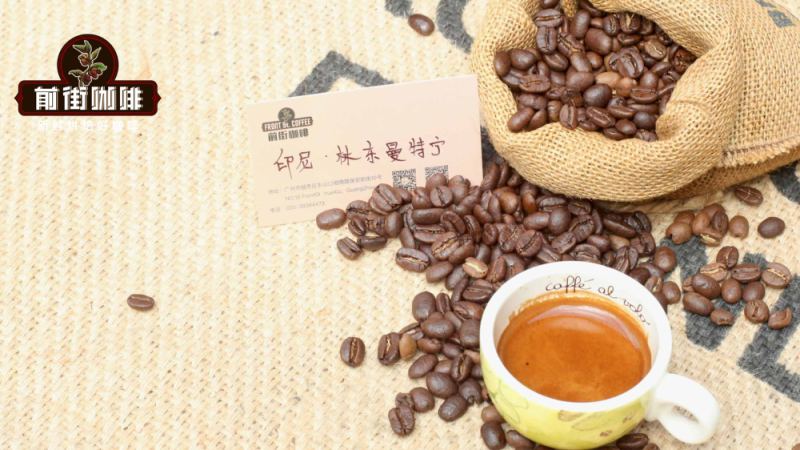
Mandheling, as the iconic representative of Indonesian coffee, carries with it a rich historical background and unique regional processing techniques. From the Dutch introducing coffee to Java in the 17th century, to Sumatra becoming a major producing region, and to "Mandailing" evolving into "Mandheling" due to a mispronunciation, this coffee bean embodies a story spanning hundreds of years. Sumatra's unique wet-hulling method, under high temperature and high humidity conditions, creates Mandheling's signature woody and herbal notes. This article will guide you through Mandheling's origin background, processing techniques, and classic flavors, and recommend two cost-effective products: Front Street Coffee Lindong Mandheling and Front Street Coffee Classic Blend. Whether it's single-origin pour-over or espresso extraction, you can experience the unique charm of this coffee.
Indonesia is located in Southeast Asia, and its coffee cultivation history dates back to 1696. At that time, Dutch coffee estate owners, in order to expand their planting areas, after repeated investigations, ultimately set their sights on Java Island in Indonesia. Over the following thirty years or so, Indonesia gradually established a firm foothold in the coffee trade. Today, Mandheling coffee has become the signature representative of Indonesian coffee. Sumatra is a crucial coffee-producing region in Indonesia. Of the Java coffee exported to Europe in the early days, a considerable portion actually originated from Sumatra, and Mandheling is precisely produced from this land.
The Naming Story of Mandheling Coffee
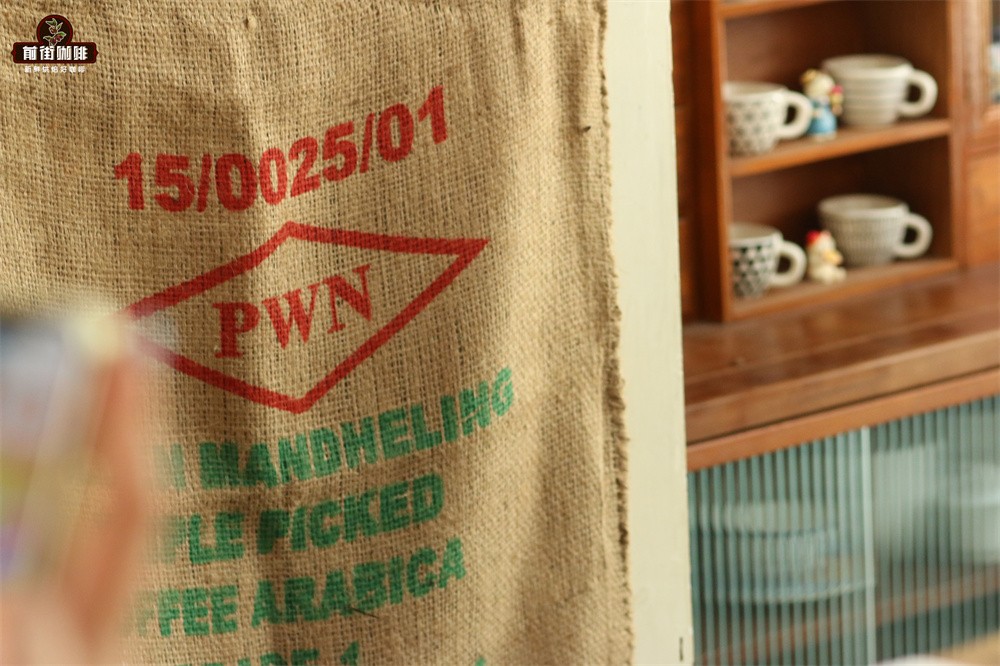
Mandheling was originally the name of an Indonesian tribe. There is an interesting story behind why it became the name of a coffee bean. After Japanese soldiers ended colonial rule in Indonesia and returned to their home country, they could never forget that unforgettable cup of coffee they had there. So they enlisted the help of their trading partners to commission locals to collect high-quality coffee beans on their behalf, including this Mandheling. The Japanese were very fond of its flavor and inquired about the name of this bean. Due to the habits of Japanese pronunciation, they mistakenly read "Mandailing" as "Mandheling," and this accidental name stuck ever since. The local mentioned earlier was, in fact, the founder of the Indonesian company PWN (Pwani Coffee Company).
Sumatra's Unique Wet-Hulling Method
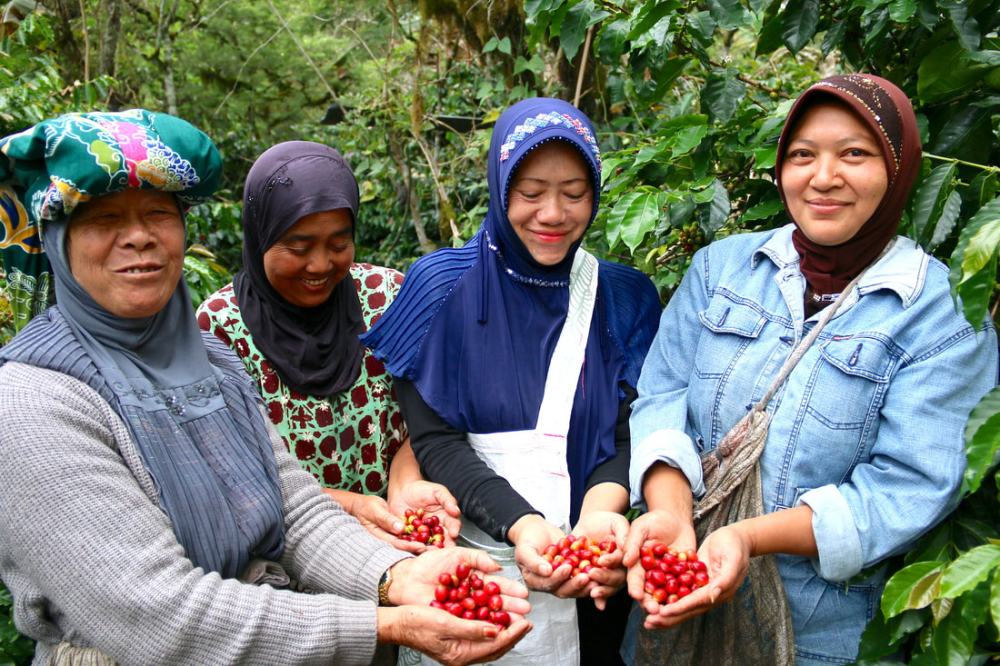
Mandheling is mostly processed using the wet-hulling method unique to Sumatra. The region's climate is dominated by rainy weather, with frequent typhoons, making it difficult to meet the long hours of sunlight required for the natural method; in addition, due to limited local economic conditions, the washed method, which is more costly, is also difficult to popularize. It is against this backdrop that the wet-hulling method emerged, becoming a highly region-specific processing method.
Step one: use a wooden pulper to remove the skin and fruit pulp. After 3 hours of fermentation, the beans enter the drying stage, reducing the moisture content to a semi-dry, semi-wet state of about 30% to 50%.
Step two: remove the mucilage layer and parchment layer, and continue with subsequent drying. The entire drying process takes 2 to 4 days, ultimately reducing the moisture content to 12% to 13%.
Since all the steps are carried out in an environment with humidity as high as 70% to 90%, and the parchment layer has already been removed before final drying, the "exposed" green beans easily absorb moisture from the air. It is precisely for this reason that Mandheling coffee has pronounced woody and herbal aromas. The wet-hulling method and Mandheling can be said to complement each other, with the former directly shaping the latter's distinctive flavor characteristics.
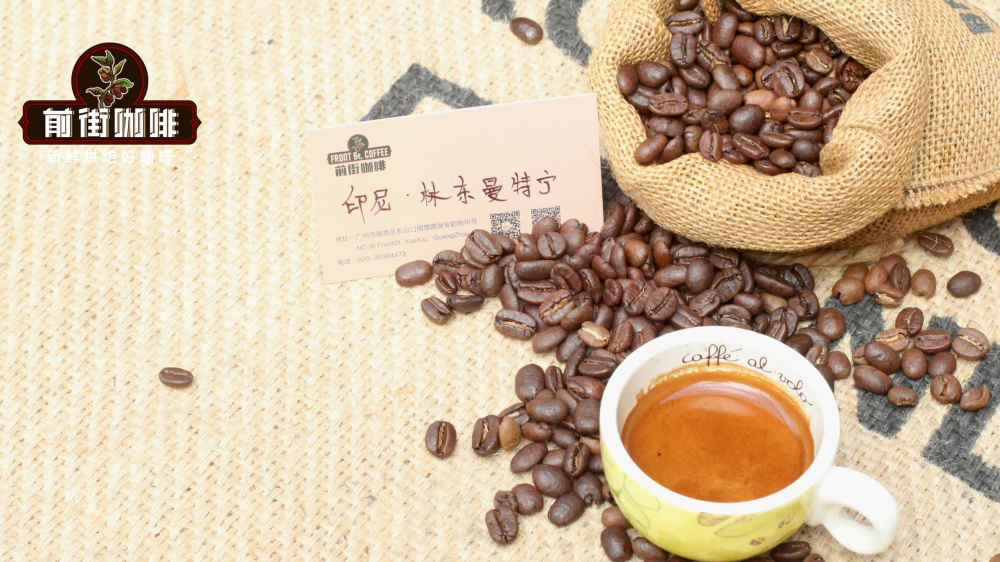
If you want to taste the classic flavor of Mandheling, Front Street Coffee Lindong Mandheling is the top choice. It has highly recognizable herbal aromas and a full-bodied mouthfeel, and with its positioning as an everyday staple, its cost-performance ratio is outstanding, making it especially suitable for brewing at home.
Front Street Coffee Lindong Mandheling Coffee Beans Region: Lindong, Sumatra Altitude: 1100-1600 meters Variety: Typica, Caturra Processing Method: Wet-Hulling Flavor: Baked toast, nuts, caramel, pine, herbs
If you want to experience the charm of Mandheling through espresso, you might choose Front Street Coffee Classic Blend. This bean combines three origins—Mandheling, Brazil, and Robusta—and releases aromas of butter, nuts, spices, and dark chocolate during extraction. Its wild character and rich crema are its biggest highlights. If a barista then creates an exquisite latte art on top, it easily leaves a deep impression.
Front Street Coffee Specialty Blend Espresso Coffee Beans
Region: Brazil, Indonesia, Vietnam
Processing Method: Semi-Washed, Wet-Hulling, Washed
Variety: Red Bourbon, Ateng, Robusta
Flavor: Butter, Roasted Hazelnut, Chocolate, Maple Syrup, Pine
The above content is compiled by CoffeeHunters, a coffee news website.


