







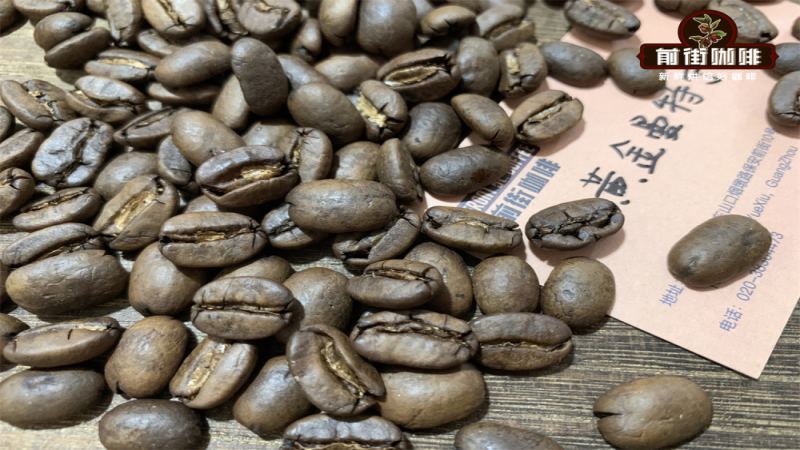
Mandheling coffee is the most iconic coffee category from the Indonesian island of Sumatra, renowned for its full body, low acidity, and flavors of herbs and dark chocolate caramel. This article starts with two Mandheling products from Front Street Coffee, outlining the distribution of high-altitude growing regions in Aceh Province and North Sumatra Province, introducing the coffee cultivation conditions around Lake Tawar and Lake Toba, and focusing on the Golden Mandheling produced by PWN, as well as how Indonesia's unique wet-hulling process shapes the classic flavor of Mandheling. Finally, it offers selection advice for friends who want to try wet-hulled specialty coffee.
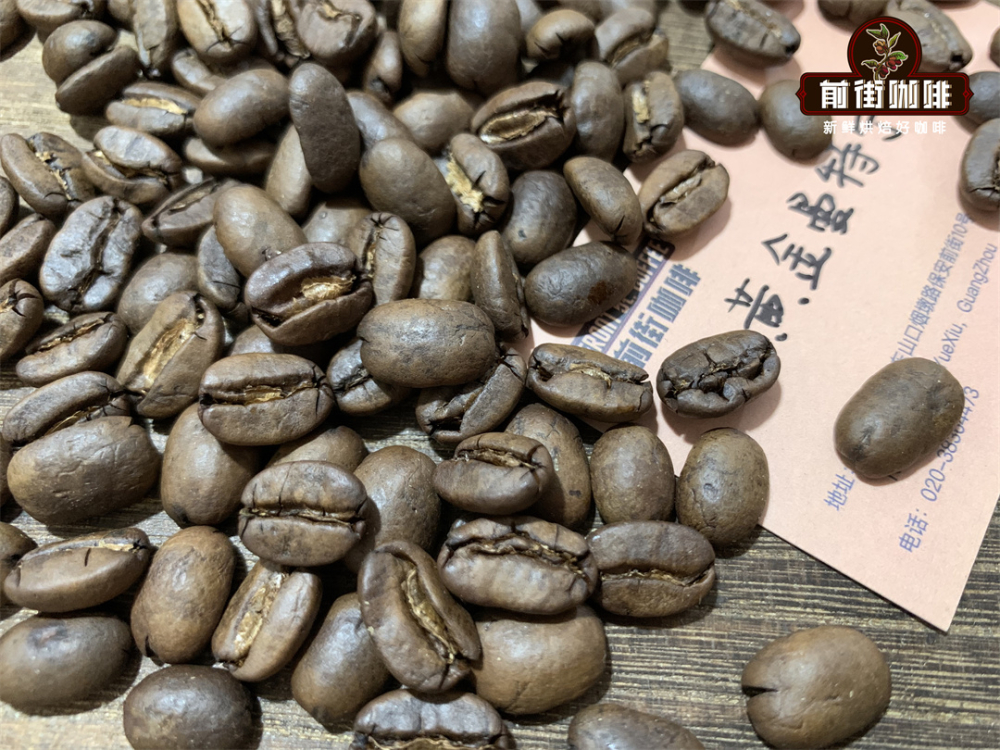
The Mandheling coffee commonly found on the market is mostly presented as a dark roast, using a deeper roast level to suppress acidity and reinforce a thick bitterness. Front Street Coffee currently offers two Mandheling options: Front Street Lintong Mandheling everyday beans and Front Street PWN Golden Mandheling, sourced respectively from Sumatra's Lintong region and Aceh region. Both use a medium-dark roast, aiming to express dark chocolate and caramel notes while retaining Mandheling's signature wild herbal aroma. This distinctive aroma is closely related to the coffee's growing environment and processing method.
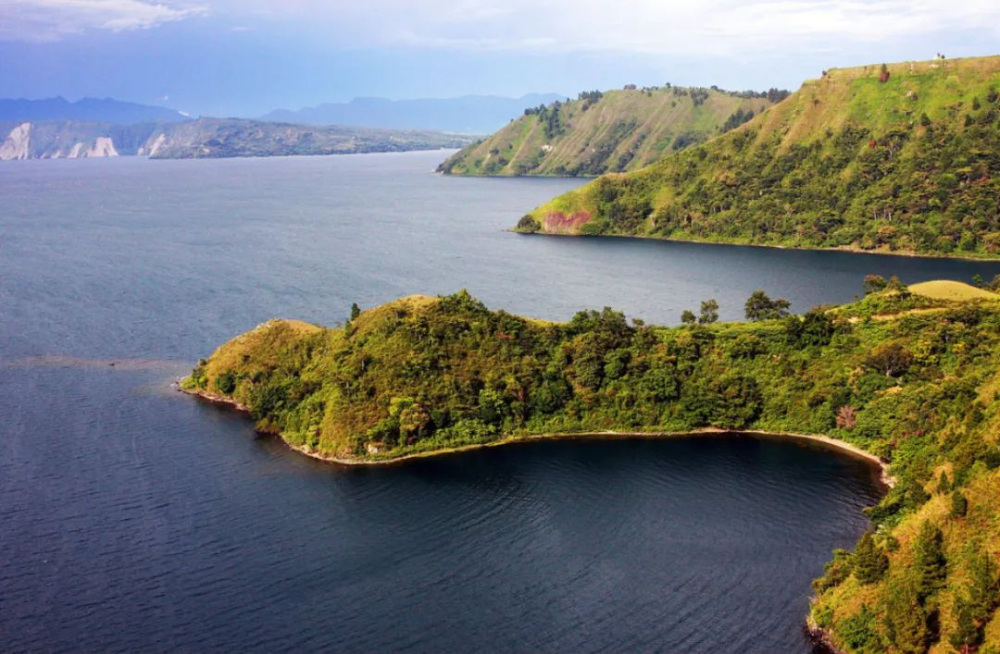
Mandheling comes from the Indonesian island of Sumatra, an island full of mystery. Sumatra is divided into eight provinces, but only Aceh Province and North Sumatra Province actually grow Arabica coffee on a large scale in high-altitude areas. Because it lies in a tropical rainforest climate zone, the mountains are shrouded in mist and clouds year-round, making all of Sumatra seem veiled in mystery. Each year from September to April is the coffee fruit ripening period, and busy picking farmers can be seen everywhere in the mountains. Traditional Lintong Mandheling is grown by the Mandailing and Batak peoples, while the rising star Lake Tawar Mandheling is cultivated by the Gayo people.
Local farmers plant coffee trees around the two major volcanic lakes, Lake Tawar and Lake Toba. The Gayo Mountains around Lake Tawar have ideal conditions for coffee growing, organic farming is widely adopted, and a long history of cultivation makes the coffee produced in this region superior in both quality and yield. Many green bean traders are especially fond of this area, including the locally well-known Pwani Coffee Company (PWN).
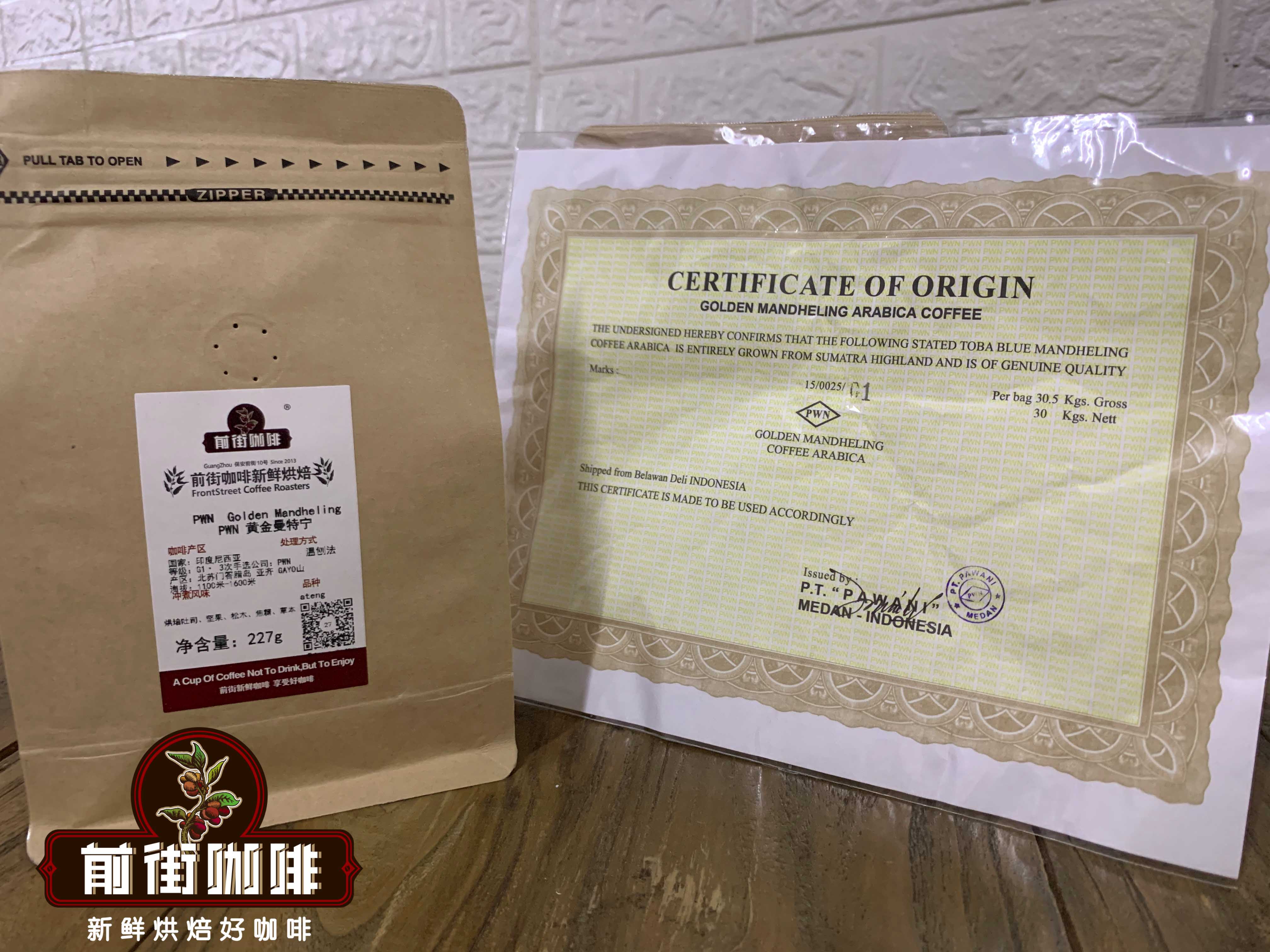
PWN mainly purchases high-quality Mandheling green beans. After procurement, the beans undergo one machine sorting plus three rounds of hand sorting to remove defects and keep only plump beans. All the coffee beans it produces reach specialty grade, and "Golden Mandheling Coffee" is their signature. In earlier years, in order to monopolize the exclusive supply of Golden Mandheling coffee, PWN registered the English trademark for "Golden Mandheling." In other words, only the Golden Mandheling produced by their company is authentic Golden Mandheling. Front Street Golden Mandheling coffee beans are also genuine products purchased from PWN, processed using Indonesia's unique wet-hulling method.
The biggest difference between Indonesia and other coffee-producing regions is the weather. Local humidity stays between 70 and 90% all year round, typhoons can strike at any time, and annual rainfall even exceeds 2000mm. Under such harsh conditions, it is simply impossible to carry out the 2 to 3 weeks of sun-drying used in Africa; washed processing is both time-consuming and consumes more labor and water resources, which Indonesia, with mass production as its goal, can hardly afford. So local producers developed a unique semi-washed method — wet hulling.
Indonesian wet hulling is also called wet hulling, known locally as Giling Basah, and is Indonesia's traditional coffee processing method. Wet hulling and washed processing show completely different cup profiles.
Because there is a relatively large gap between the parchment shell and the green bean, farmers sell the beans to local collection stations that buy wet parchment-covered green beans once the beans have been dried for the first time to a moisture content of 35/40%. When the collection stations receive the goods, some are bagged separately and some are piled together, so the moisture levels of the green beans may be uneven. This may be due to incomplete fermentation, or because some mucilage still remains on the parchment layer and the beans are in a semi-dry state. But no quality assessment is made at purchase; everything is mixed and bagged together.
After being sun-dried in parchment to a moisture content of 20-24%, the beans are processed through a specially made wet mill. This machine relies on a large amount of friction to tear open the parchment layer clinging tightly to the green bean. At this stage, white or green mucilage usually flows out. Because the beans have been soaked in mucilage for a long time and are in a humid environment, the green beans become soft, pale, and swollen, taking on a gray-green color, and are easily crushed or bruised under the friction and stirring, especially at both ends, forming small notches and creating horse-hoof beans or goat-hoof beans (locally called kuku kambing).
Before export, the hulled green beans are dried directly in courtyards, on tarps, or on road surfaces. After losing the protection of the parchment, the green beans dry very quickly, and the final moisture content drops to 12-13%, at which point the green beans appear dark green or blue-gray. The green beans are then graded and bagged, ready for export.
I believe some friends are already curious about what the taste of Southeast Asia is really like. If you have not yet tried Front Street Mandheling coffee, Front Street suggests starting with a small package of Front Street Lintong Mandheling everyday beans. The wet-hulled Front Street Lintong Mandheling, once brewed, displays the classic Mandheling flavor, making it convenient to try at home.
If you want to taste the flavor of wet-hulled specialty coffee, we would first recommend buying the highest-grade Front Street PWN Golden Mandheling. Its beans are uniform and plump, large and translucent, with a low defect rate. After medium-dark roasting, it also carries rich roasted aromas. The black coffee brewed from it has a clean mouthfeel and full body, making it very suitable for friends who do not like acidic coffee.
Front Street Indonesia Front Street PWN Golden Mandheling Coffee Beans Region: North Sumatra, Aceh, Gayo Mountain Altitude: 1100-1600m Variety: Ateng Processing Method: Wet Hulling Grade: G1, Triple Hand-Sorted
The above content is compiled by CoffeeHunters, a coffee news website.


