







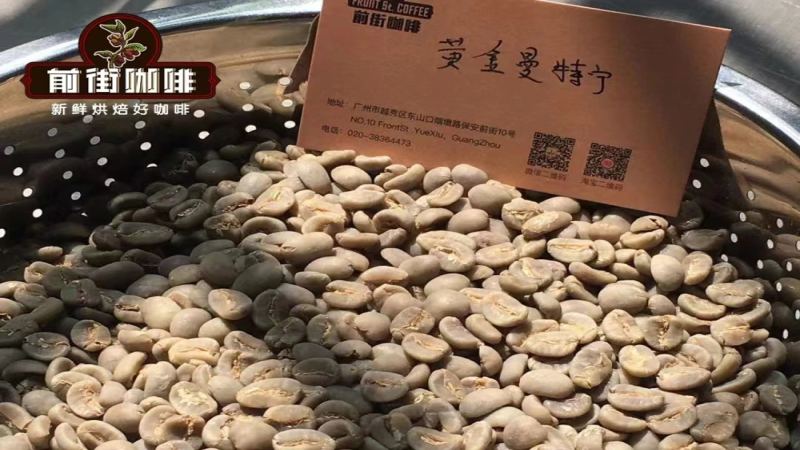
Mandheling coffee is one of the most prestigious coffees in Asia, produced on the island of Sumatra in Indonesia. This article will guide you through Mandheling's production regions, the difference between Lintong and Mandheling, and its mellow, masculine flavor and mouthfeel characteristics. From Sumatra Mandheling DP Grade 1 to Aged Sumatra Mandheling, we will provide a detailed interpretation of this coffee's unique charm, covering acidity, body, and aftertaste. At the same time, Front Street Coffee will also recommend related products to help you better experience the pour-over pleasure of Mandheling.
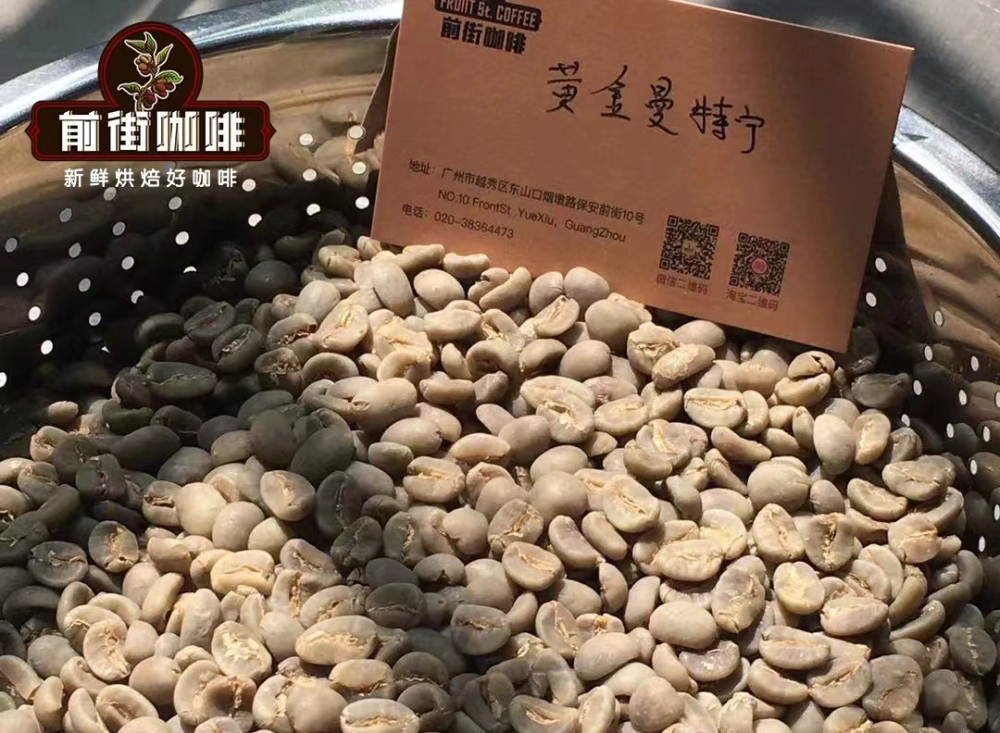
Mandheling Coffee
Mandheling coffee comes from Sumatra, Indonesia, in Asia, and is also called "Sumatra coffee." Its main production areas include Java, Sulawesi, and Sumatra, about 90% of which is Robusta. Among them, the "Mandheling" produced on Sumatra is the most famous. Among the traditionally prepared Arabica coffees produced in northern Sumatra, the highest quality ones enter the market under the two names Lintong and Mandheling. Strictly speaking, Lintong refers to coffee grown in a small area southwest of Lake Toba in the Lintong administrative region. These coffee-growing areas are scattered across a high-altitude, uneven, clay plateau covered with fern vegetation. Lintong coffee is not grown under shade and does not use chemicals, and it is almost entirely owned by smallholders. Mandheling is a broader term that covers Lintong coffee as well as coffee grown under similar conditions in Diari [capital Sidikalang] and the northern Lake Toba growing region.
The most famous coffee-producing region in Asia is undoubtedly the islands of the Malay Archipelago: Sumatra, Java, and Kalimantan. Among them, Sumatra Mandheling coffee produced on the Indonesian island of Sumatra is the most famous, and it has two well-known product names: Sumatra Mandheling DP Grade 1 and Aged Sumatra Mandheling. Sumatra Mandheling DP Grade 1 has a long aftertaste, carrying a wild mountain fragrance, the unique earthy aroma of a primeval forest. In fact, Mandheling's mellowness gives a very masculine impression. High-quality Grade 1 Mandheling coffee has very light acidity, similar to the slight tartness of flowers and fruit. In addition to the mellow flavor unique to Indonesian coffee, it also has a bittersweet flavor, making it deeply loved by those who enjoy dark-roasted coffee; Aged Sumatra Mandheling coffee is called "aged" because it is stored in cellars for three years before export. But aged coffee is by no means stale coffee; rather, it is specially treated, slightly pale coffee that is more intense, with lower acidity but higher body, a longer aftertaste, and a strong spice note, sometimes tart, sometimes walnut-like, and sometimes chocolate-like. Before Blue Mountain coffee was discovered, Mandheling was once regarded as the finest of coffees. One very interesting point is that although Indonesia produces some of the world's most mellow and beautiful coffee, Indonesians prefer Turkish-style coffee.
The above content is compiled by CoffeeHunters, a coffee news website.


