







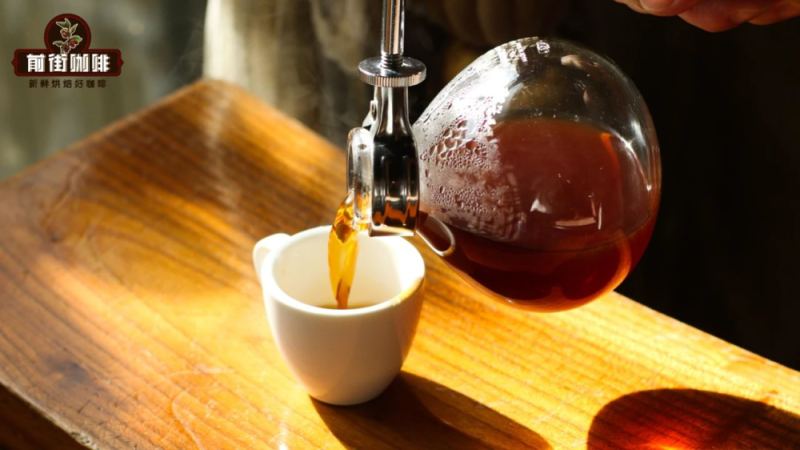
The siphon was born in Europe in the 1830s, with a history seventy years longer than that of pour-over coffee. When this device—both visually striking and stable in extraction—meets Jamaica Blue Mountain No. 1, hailed as a top-tier specialty coffee, what kind of flavor expression will the encounter produce? This article will begin with the origin definition and grade classification of Blue Mountain coffee, gradually break down the working principle of the siphon, and introduce in detail two extraction approaches—the stirring method and the immersion method—comparing their differences across flavor dimensions such as chocolate, nuts, and caramel. Whether you are a beginner just getting to know the siphon or an enthusiast looking to explore more possibilities in Blue Mountain coffee, you will find practical references here.
For more specialty coffee knowledge, please follow the WeChat official account: Front Street Coffee (FrontStreet Coffee)
The origin of the siphon can be traced back to nineteenth-century Europe; in fact, it appeared about seventy years earlier than pour-over coffee. Between 1830 and 1840, Loeff in Berlin, Germany, was the first to develop a siphon extraction device made of glass with an upper-and-lower chamber structure, and successfully applied for a patent. Afterward, through continuous improvements in France, the United Kingdom, Germany, and other countries, it spread to Denmark and Japan by the mid-twentieth century, gradually achieving large-scale production and entering the mass market, ushering in its heyday in the 1950s.
As one of the most sought-after specialty coffees around the turn of the millennium, Blue Mountain coffee is almost universally known. So, if you use the eye-catching siphon to brew Front Street Blue Mountain No. 1 coffee beans, what kind of taste will it ultimately present?
What exactly is Blue Mountain coffee?
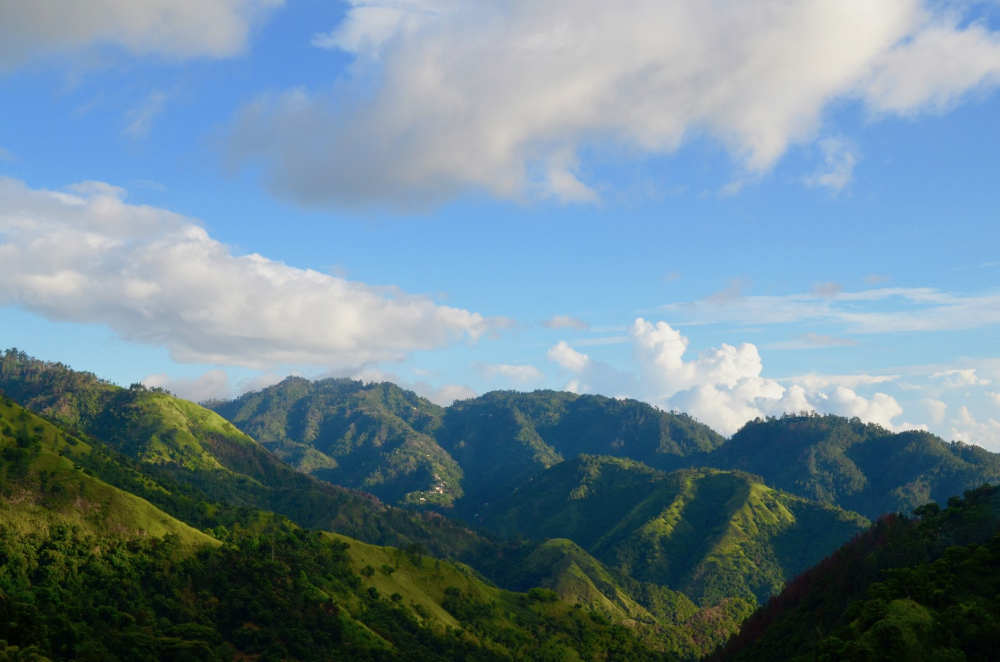
Blue Mountain coffee beans fall under the category of single-origin coffee. The reason it is named "Blue Mountain" is that its producing area is located in Jamaica's Blue Mountains. This mountain range is embraced by the Caribbean Sea. Whenever the weather clears, sunlight shines directly onto the azure sea, and dazzling blue radiance reflects among the peaks—hence the name "Blue Mountain."
However, not all coffee grown in the Blue Mountain region is qualified to be called Blue Mountain coffee. According to different cultivation altitudes, coffee in the Blue Mountain producing area is divided into three categories: Jamaica Blue Mountain coffee, Jamaica High Mountain coffee, and Jamaica Supreme coffee; then, based on green bean size and quality, it is further subdivided into four grades: No. 1, No. 2, No. 3, and PB.
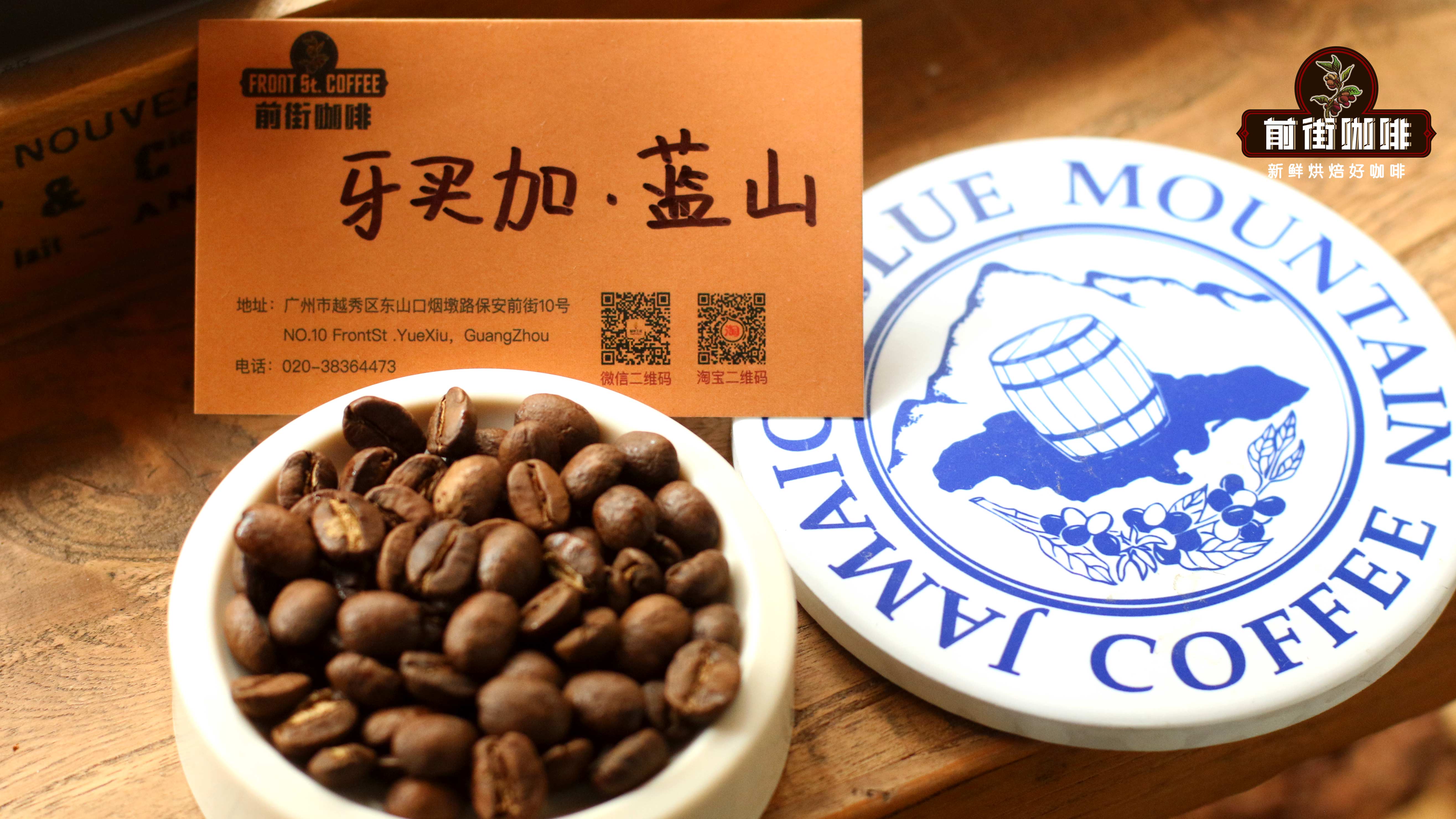
Among them, Jamaica Blue Mountain No. 1 coffee beans specifically refer to the highest-grade product grown at an altitude of 1,000 to 1,700 meters, with a green bean screen size of 17/18 and a defect ratio below 2%. Blue Mountain No. 1 coffee beans are outstanding in quality, a point fully reflected in their market price.
Authentic Blue Mountain coffee is expensive. This world-class coffee bean grows in fertile volcanic soil, with just the right temperature conditions, and carries a rich nutty aroma with a balanced, full-bodied taste. Blue Mountain coffee beans are usually presented by pour-over. Many friends worry that they cannot brew a cup of Blue Mountain coffee with balanced acidity, sweetness, and bitterness and a full mouthfeel, so they make a special trip to the Front Street Coffee (FrontStreet Coffee) store to consult Front Street's baristas.
The siphon principle
The lower chamber of the siphon, also called the capacity chamber, is spherical, marked with water volume scales corresponding to the number of cups, and is used to hold the coffee liquid; the upper chamber is cylindrical and is responsible for extracting the coffee. The core principle of this device is actually the siphon phenomenon in physics.
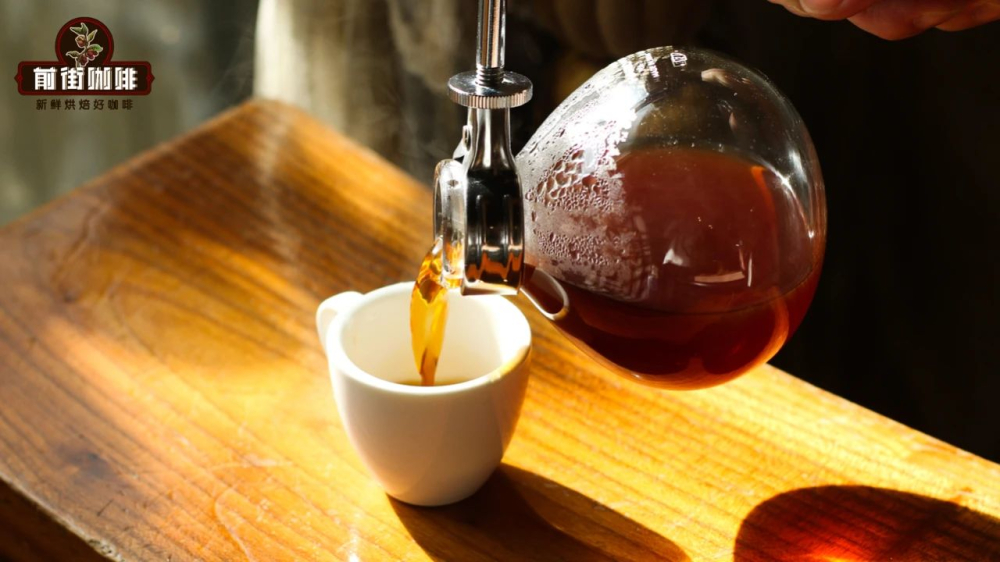
After the water in the lower chamber is heated, it generates steam and pressure, pushing hot water up through the glass tube into the upper chamber, thereby beginning to soak and extract the coffee grounds in the upper chamber. After extraction is complete, turn off the heat and remove the heat source. The lower chamber is then in a semi-vacuum state, the upward pressure disappears, and the coffee liquid in the upper chamber is drawn back into the lower chamber. (If you want to speed up the return of the coffee liquid, you can wipe the lower chamber with a wet cloth to reduce the pressure difference between the upper and lower chambers, and the return speed will increase.) The coffee grounds are intercepted by the filter cloth in the upper chamber, and extraction is complete.
Parameters: coffee-to-water ratio 1:10, coffee dose 20 g, fine grind (EK43s grinder setting 9 / China standard No. 20 sieve pass rate 85%), water temperature 90°C.
Method: Pour 200 g of water into the lower chamber. When the water temperature reaches 90°C, insert the upper chamber firmly. After the water rises into the upper chamber, add the coffee grounds and stir so the grounds and water fully contact. At 30 seconds, stir back and forth in a cross pattern for one full circle to break the crust; at 56 seconds, remove the heat source and let the coffee liquid return. Starting timing from the moment the grounds are added, the total extraction time is 1 minute 8 seconds.
Below is another immersion method. Parameters: coffee-to-water ratio 1:10, coffee dose 20 g, medium-fine grind (EK43s grinder setting 9 / China standard No. 20 sieve pass rate 85%), water temperature 90°C. Method: Pour 200 g of water into the lower chamber. When the water temperature reaches 90°C, insert the upper chamber firmly. After the water rises into the upper chamber, add the coffee grounds and stir so the grounds and water fully contact. After soaking for 1 minute, remove the heat source and let the coffee liquid return. Starting timing from the moment the grounds are added, the total extraction time is 1 minute 32 seconds.
Flavor expression of Blue Mountain coffee brewed with a siphon: chocolate, nuts, pine wood, cream, pu'er tea, caramel.
The difference between the coffees extracted by the two methods is: the stirring method produces a thicker dark chocolate flavor and a solid mouthfeel, with a faint tea-like note emerging after the temperature drops; the immersion method has a more prominent caramel aroma, and when the temperature is lower it carries nutty flavors with a relatively lighter mouthfeel, but with an obvious clean sweetness. Simply put, one is heavier, and the other is more refreshing.
Of course, taste is a matter of personal preference, and everyone can absolutely choose the extraction method that suits their own liking. Regarding the siphon, Front Street would like to add a few more points: the siphon extracts coffee under continuous heating conditions, so the water temperature should be maintained between 86 and 94°C as much as possible. In this way, the coffee grounds' extraction yield is higher, the state remains stable, there are fewer variables, and the brewed coffee will taste more consistent. Even a beginner who has just stepped into the world of coffee can brew a cup with a full body and rich aroma. Also remember that the filter cloth must be cleaned after each use, and after a period of use it needs to be replaced; otherwise, it can easily affect the coffee's taste.
The above content is compiled by CoffeeHunters, a coffee news website.


